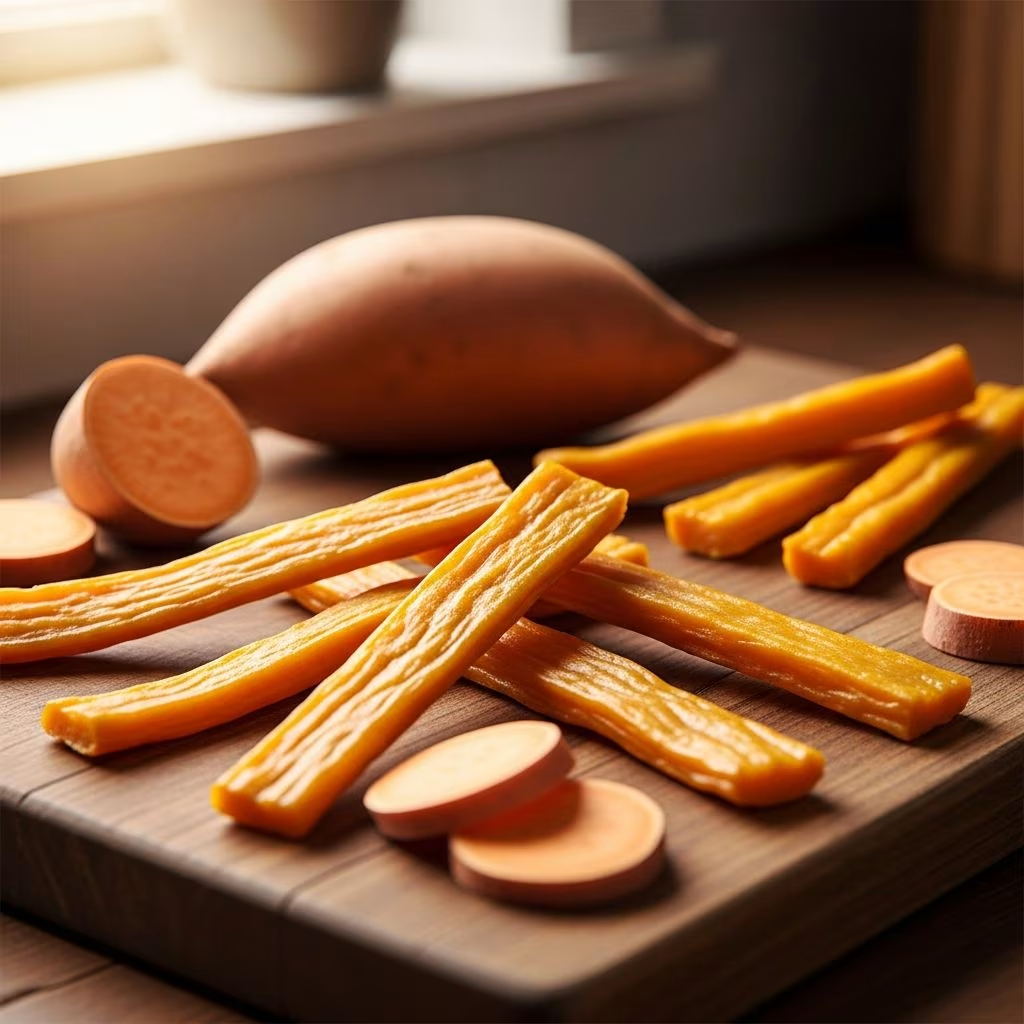
Pet owners are increasingly seeking ways to provide their dogs with wholesome, natural treats free from artificial additives and preservatives. One of the simplest and most effective solutions is creating homemade sweet potato chews—a single-ingredient treat that combines nutrition with affordability. Unlike commercial dog treats that often contain fillers and questionable ingredients, homemade sweet potato chews offer complete transparency about what your dog is consuming.
Sweet potatoes are nutrient-dense vegetables that provide dogs with essential vitamins, minerals, and dietary fiber. They contain beta-carotene, which supports eye health, and manganese, which aids bone development and metabolism. For dogs with sensitive digestive systems or food allergies, sweet potato treats can be an excellent alternative to grain-based or protein-heavy options.
Why Sweet Potatoes Make Excellent Dog Treats
Sweet potatoes have earned their place in canine nutrition for several compelling reasons. These root vegetables are naturally sweet, making them appealing to most dogs without requiring added sugars or artificial flavoring. Their mild flavor profile makes them suitable for dogs with picky eating habits, and they rarely trigger allergic reactions—a significant advantage for pets with dietary sensitivities.
The nutritional benefits extend beyond basic vitamins and minerals. Sweet potatoes contain antioxidants that help combat cellular damage and support immune function in aging dogs. They are also rich in fiber, which promotes digestive health and can help regulate bowel movements in dogs experiencing occasional constipation. Additionally, the natural sweetness satisfies a dog’s craving for treats without contributing to obesity or dental problems associated with processed snacks.
For dogs with inflammatory conditions or those recovering from illness, sweet potatoes offer anti-inflammatory properties that may provide comfort and support healing. Many veterinarians recommend sweet potatoes as part of a balanced diet, particularly for dogs requiring special dietary considerations.
Essential Ingredients and Equipment
What You’ll Need
- Sweet potatoes: Two to three medium or large organic sweet potatoes, depending on desired yield
- Parchment paper: For lining baking sheets to prevent sticking
- Baking sheets: Two large sheets to accommodate sliced potatoes in a single layer
- Sharp knife or mandoline slicer: For achieving uniform thickness across all slices
- Cutting board: A sturdy surface for preparing the potatoes
- Storage container: An airtight container for preserving finished treats
The beauty of this recipe lies in its minimal ingredient requirements. Unlike many homemade dog treat recipes that call for flour, eggs, peanut butter, and various seasonings, this approach requires only sweet potatoes and heat. This simplicity makes it ideal for dogs with multiple food sensitivities or those on elimination diets recommended by veterinarians.
Preparation Process: From Selection to Slicing
Begin by selecting high-quality organic sweet potatoes whenever possible. Organic produce reduces exposure to pesticides and chemical residues that could potentially harm your dog. Thoroughly scrub the sweet potatoes under running water using a vegetable brush to remove any dirt, mold, or surface contaminants. Do not peel the potatoes—the skin contains valuable nutrients and fiber that benefit your dog’s digestive system.
After washing, pat the potatoes dry with a clean kitchen towel. This moisture removal facilitates more even drying during baking. Using a sharp knife or mandoline attachment on a food processor, slice the sweet potatoes into uniform pieces approximately one-third inch thick. Consistency in thickness is crucial for even cooking; thinner slices will crisp more quickly while thicker slices may remain partially moist.
For smaller dogs, consider slicing potatoes into coin-shaped rounds. For larger breeds, lengthwise cuts create bigger chew pieces that provide longer-lasting entertainment value. Arrange the slices in a single layer on baking sheets lined with parchment paper, ensuring they do not overlap, which would prevent proper air circulation and even drying.
Baking Instructions and Temperature Control
Preheat your oven to 250°F (120°C). This low temperature is essential—higher heat would cook the potatoes rather than dehydrate them, potentially destroying some nutrients and creating a texture dogs may find less appealing. Place the prepared baking sheets on the middle oven rack to ensure consistent air flow around all pieces.
Bake for approximately three hours, though timing may vary depending on slice thickness, oven characteristics, and humidity levels in your kitchen. At the two-hour mark, remove the sheets and flip each slice over to promote even drying on both sides. Return them to the oven and continue baking until reaching your desired texture.
The beauty of this method is its flexibility. Some dogs prefer chewy, jerky-like treats, while others enjoy crunchier versions. Experiment on your first batch by removing some pieces early for a chewier consistency and leaving others longer for a crispier finish. Once you understand your dog’s preference, you can adjust future batches accordingly.
Texture Variations and Customization
| Texture Type | Baking Time | Best For | Benefits |
|---|---|---|---|
| Chewy/Jerky-like | 2-2.5 hours | Dogs preferring softer treats | Gentler on teeth, satisfying to chew |
| Balanced (Semi-chewy) | 2.5-3 hours | Most dogs | Combines texture variety in one batch |
| Crispy/Crunchy | 3-3.5 hours | Dogs with strong jaws | Longer-lasting, promotes dental health |
Dogs with dental issues or senior dogs with sensitive teeth may benefit from the chewier option, which requires minimal jaw effort. Conversely, younger, more energetic dogs often enjoy the longer-lasting satisfaction of crispier treats that take more time to consume.
Cooling and Storage Guidelines
Once removed from the oven, allow the sweet potato slices to cool completely at room temperature. This cooling period is important for food safety and for achieving the final desired texture. Warm pieces will continue to release moisture and may not reach their intended crispness or chewiness.
Store cooled treats in an airtight container in the refrigerator for up to three weeks. The cool environment slows any potential mold development and maintains freshness. For longer storage, consider freezing treats in airtight containers for up to three months. Frozen treats can be thawed in the refrigerator before serving or given directly to dogs for a cooling snack on warm days.
Always inspect stored treats before serving. If any pieces show signs of mold, discoloration, or unusual odor, discard the entire batch. Proper storage practices ensure your homemade treats remain safe and nutritious for your pet.
Frequently Asked Questions
Are sweet potato treats safe for all dogs?
Sweet potatoes are generally safe for most dogs, but consult your veterinarian before introducing them, especially if your dog has diabetes, as sweet potatoes contain natural sugars. Some dogs with certain health conditions may have dietary restrictions requiring professional guidance.
Can I use canned sweet potatoes instead of fresh?
Fresh sweet potatoes are preferable because canned versions often contain added sugars, preservatives, or sodium. Stick with fresh organic potatoes for maximum nutritional benefit and to maintain complete control over ingredients.
What should I do if my dog dislikes sweet potatoes?
Not all dogs enjoy the same flavors. If your dog shows disinterest, try adjusting texture or slice thickness. If sweet potatoes remain unpopular, explore other single-ingredient treats like dehydrated apples or carrots, always ensuring they are dog-safe.
How many treats can I give my dog daily?
Treats should constitute no more than 10 percent of your dog’s daily caloric intake. For most dogs, one to three slices daily is appropriate, but this varies based on dog size and overall diet. Consult your veterinarian for personalized guidance.
Do I need special equipment to make these treats?
No special equipment is required. A standard oven, baking sheets, parchment paper, and a knife are sufficient. A mandoline slicer expedites preparation but is not essential.
Cost-Effectiveness and Environmental Considerations
Homemade sweet potato treats offer substantial savings compared to commercial dog treat products. A few dollars’ worth of sweet potatoes yields dozens of treats, whereas equivalent commercially produced treats typically cost significantly more. Beyond financial benefits, making treats at home reduces packaging waste associated with commercially distributed pet products, supporting environmentally conscious pet ownership.
Monitoring Your Dog’s Response
When introducing homemade sweet potato treats, start with small quantities to ensure your dog’s digestive system tolerates them well. Monitor for any gastrointestinal upset, allergic reactions, or behavioral changes. Most dogs adapt well to sweet potatoes, but individual responses vary. Keep a simple log of your dog’s acceptance and any observations to share with your veterinarian at check-ups.
The satisfaction of providing your beloved pet with wholesome, homemade treats that you completely understand and control is invaluable. Sweet potato chews represent an economical, nutritious, and simple way to show your dog love while supporting their long-term health and wellness.
References
- Nutritional Requirements of Dogs — American Feed Industry Association (AFIA). 2023. https://www.aafco.org
- Antioxidants in Canine Nutrition — Journal of the American Veterinary Medical Association, 2024. https://doi.org/10.2460/javma
- Dietary Fiber in Dogs — UC Davis School of Veterinary Medicine, 2023. https://www.vetmed.ucdavis.edu