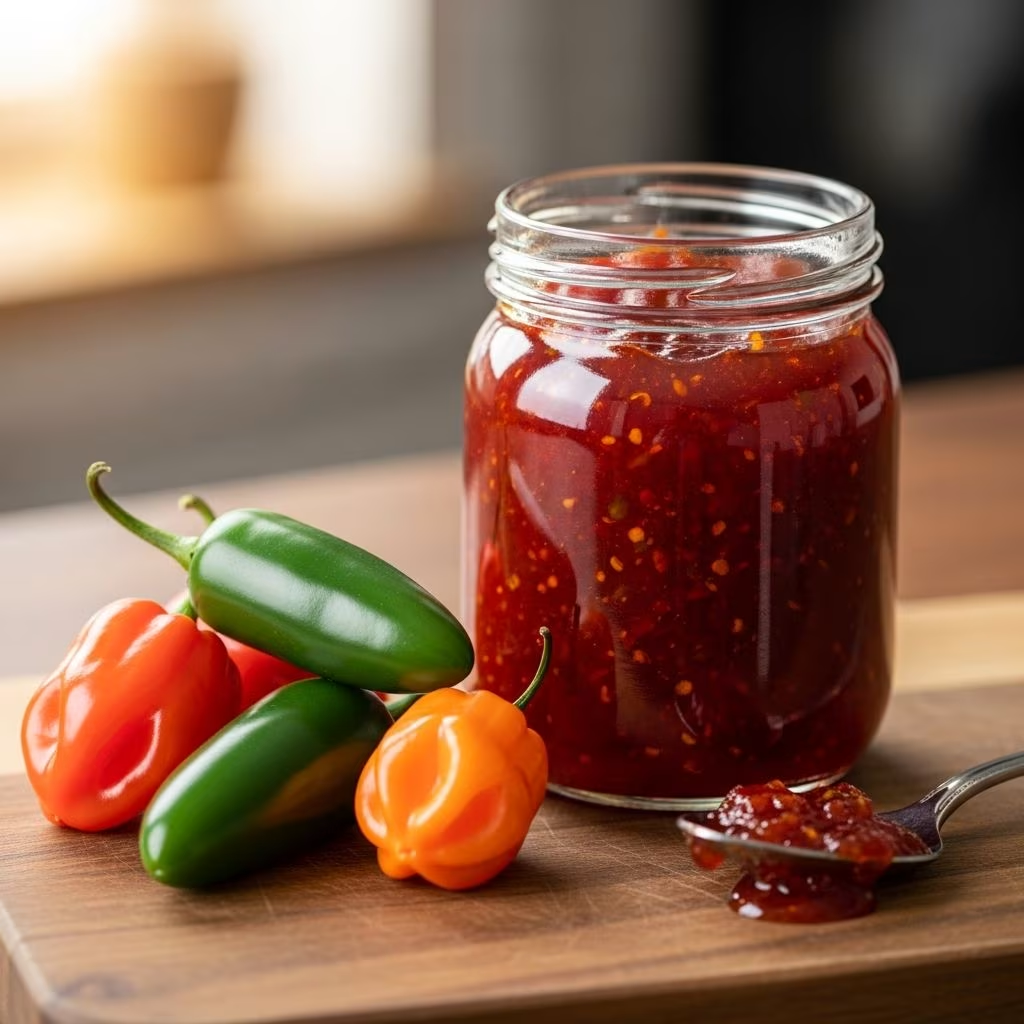
Homemade spicy pepper jelly combines the natural sweetness of bell peppers with the fiery kick of jalapeños, creating a versatile condiment that elevates any dish. This preserve captures vibrant colors and bold flavors, making it a staple for holiday entertaining, charcuterie boards, or grilled meats.
Why Make Your Own Pepper Jelly
Crafting pepper jelly from scratch allows full control over ingredients, ensuring freshness without preservatives. It’s cost-effective, using abundant garden peppers, and customizable for heat levels. Popular for gifting, it stores well for months when canned properly.
- Versatile uses: Spread on cream cheese, glaze for pork, or mix into dressings.
- Fresh ingredients yield superior taste compared to store-bought versions.
- Therapeutic process: Chopping peppers releases aromas that invigorate the kitchen.
Selecting the Best Peppers for Optimal Flavor
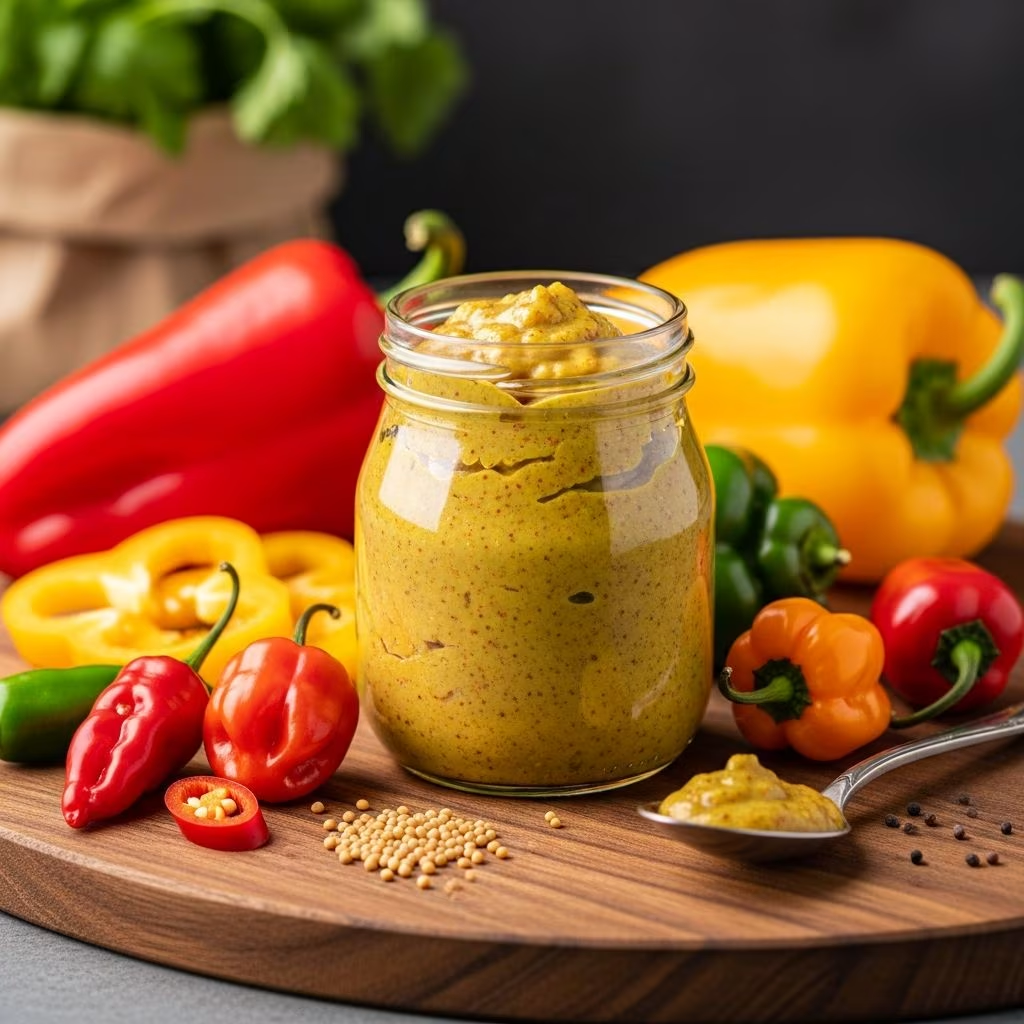
Choose a mix of bell peppers for color and mild sweetness, paired with hotter varieties for balance. Red, yellow, and green bells provide visual appeal and varying sweetness levels—red being the sweetest.
| Pepper Type | Heat Level (Scoville) | Role in Jelly |
|---|---|---|
| Red Bell Pepper | 0 | Sweet base, vibrant color |
| Green Bell Pepper | 0 | Fresh, crisp contrast |
| Jalapeño | 2,500-8,000 | Medium heat kick |
| Habanero (optional) | 100,000-350,000 | Intense spice boost |
For milder jelly, seed all jalapeños; retain seeds and membranes for extra heat. Wear gloves to avoid skin irritation from capsaicin.
Essential Ingredients and Their Roles
The core recipe hinges on peppers, sugar, vinegar, and pectin. Sugar balances heat and aids gelling; vinegar provides acidity for safety and tang; pectin ensures firm set.
- Basic Quantities (yields 6 half-pint jars): 1.5 cups red bell, 1 cup yellow bell, 1.25 cups green bell, 0.25 cup jalapeño (finely chopped); 1 cup apple cider vinegar; 5 cups sugar; 1.75 oz pectin.
- Variations: Swap vinegar for white or red wine; add lime juice for citrus brightness.
Pectin types matter—powdered for canning, liquid for quicker sets. Measure precisely to avoid runny results.
Step-by-Step Preparation Guide
Follow these precise steps for flawless jelly. Prep time: 30 minutes; cook time: 15 minutes.
- Prepare Equipment: Sterilize jars and lids in boiling water for 10 minutes. Use a large pot with canning rack.
- Chop Peppers: Finely dice seeded peppers. A food processor speeds this, but pulse to avoid puree.
- First Cook: Combine peppers, vinegar, and pectin in a saucepan. Bring to rolling boil over high heat, stirring constantly (about 2 minutes).
- Add Sugar: Stir in sugar off-heat, return to boil. Boil exactly 1 minute, skimming foam.
- Jar and Process: Ladle into jars (1/4-inch headspace), wipe rims, apply lids. Process in boiling water bath 5-10 minutes (adjust for altitude).
Pro Tip: Distribute peppers evenly per jar before filling to prevent floating.
Customizing Heat and Flavor Profiles
Tailor spice to preference. Medium heat uses seeded jalapeños; hot adds habaneros or cayenne.
- Mild: All bell peppers + mild jalapeños.
- Medium: Standard recipe.
- Hot: Double jalapeños or include ghost peppers.
- Flavor Twists: Infuse with garlic, ginger, or herbs like cilantro.
Test small batches first. Heat perception varies; start conservative.
Safe Canning Practices for Longevity
Proper canning prevents spoilage. Acidity (pH under 4.6) from vinegar ensures safety without pressure canning.
- Altitude Adjustments: Add 5 minutes per 1,000 ft above sea level.
- Storage: Cool, dark place for 1 year; refrigerate after opening (3 months).
- Troubleshooting: If seals fail, refrigerate and use within weeks.
Inspect jars for cracks; use new lids each time.
Creative Ways to Serve and Enjoy
Beyond appetizers, pepper jelly shines in cooking.
- Classic: Over cream cheese with crackers.
- Meats: Glaze ham, chicken, or ribs.
- Sandwiches: Pair with turkey and brie.
- Desserts: Swirl into cheesecakes or ice cream.
For parties, layer in jars with cheese for stunning visuals.
Storage, Shelf Life, and Freezing Options
Canned jelly lasts 12-18 months unopened. Signs of spoilage: Bulging lids, leaks, or off odors—discard immediately.
- Fridge: Opened jars 1-2 months.
- Freezer: Up to 1 year in plastic containers; thaw in fridge.
- Non-Canned: Refrigerate up to 3 weeks.
Common Mistakes and Fixes
Avoid pitfalls for pro results.
| Issue | Cause | Solution |
|---|---|---|
| Runny Jelly | Undercooked or low sugar | Reboil with more pectin |
| Too Spicy | Seeds left in | Dilute next batch or mix with mild jelly |
| Foam Issues | Not skimmed | Spoon off post-boil; stir gently |
| Cloudy Color | Overprocessed peppers | Chop by hand |
Nutritional Insights and Dietary Adaptations
Per tablespoon: ~50 calories, mostly from sugar. Low-fat, vegan-friendly. Reduce sugar with low-sugar pectin, but test set.
- Gluten-free, keto-adaptable (sugar substitutes like stevia).
- Boost nutrition: Add fruit purees for vitamins.
Seasonal Sourcing and Cost Breakdown
Harvest summer peppers for peak flavor. Farmers’ markets offer variety cheaply.
- Cost per batch: ~$10-15, yielding 6 jars ($2 each).
- Scale up for gifts: Double recipe safely.
Frequently Asked Questions
Can I make pepper jelly without pectin?
Yes, but it requires longer boiling and apple-heavy recipes for natural pectin. Results may vary in firmness.
Is water bath canning necessary?
For shelf-stable storage, yes. Otherwise, refrigerate immediately.
How do I know if my jars sealed properly?
Lids should not flex when pressed; “pop” sound during cooling confirms vacuum seal.
Can I use frozen peppers?
Thaw and drain excess liquid to avoid watery jelly.
What’s the best vinegar substitute?
Apple cider for mild tang; white for neutral.
Advanced Variations for Foodies
Experiment boldly:
- Tropical: Pineapple and scotch bonnet.
- Smoky: Chipotle peppers.
- Herbal: Rosemary-infused.
Document ratios for repeatable successes.
References
- National Center for Home Food Preservation — USDA. 2023-05-15. https://nchfp.uga.edu/
- Complete Guide to Home Canning — USDA. 2022-09-01. https://www.usda.gov/media/blog/2014/09/18/complete-guide-home-canning
- Pectin Use in Jams and Jellies — University of Georgia Extension. 2024-02-20. https://extension.uga.edu/publications/detail.html?number=B900&title=pectin-in-jams-and-jellies
- Scoville Scale Reference — Chile Pepper Institute. 2023-11-10. https://www.nmsu.edu/~cci/scales.html
- Acidified Foods Guidelines — FDA. 2024-01-05. https://www.fda.gov/food/food-safety-during-emergencies/acidified-low-acid-canned-foods