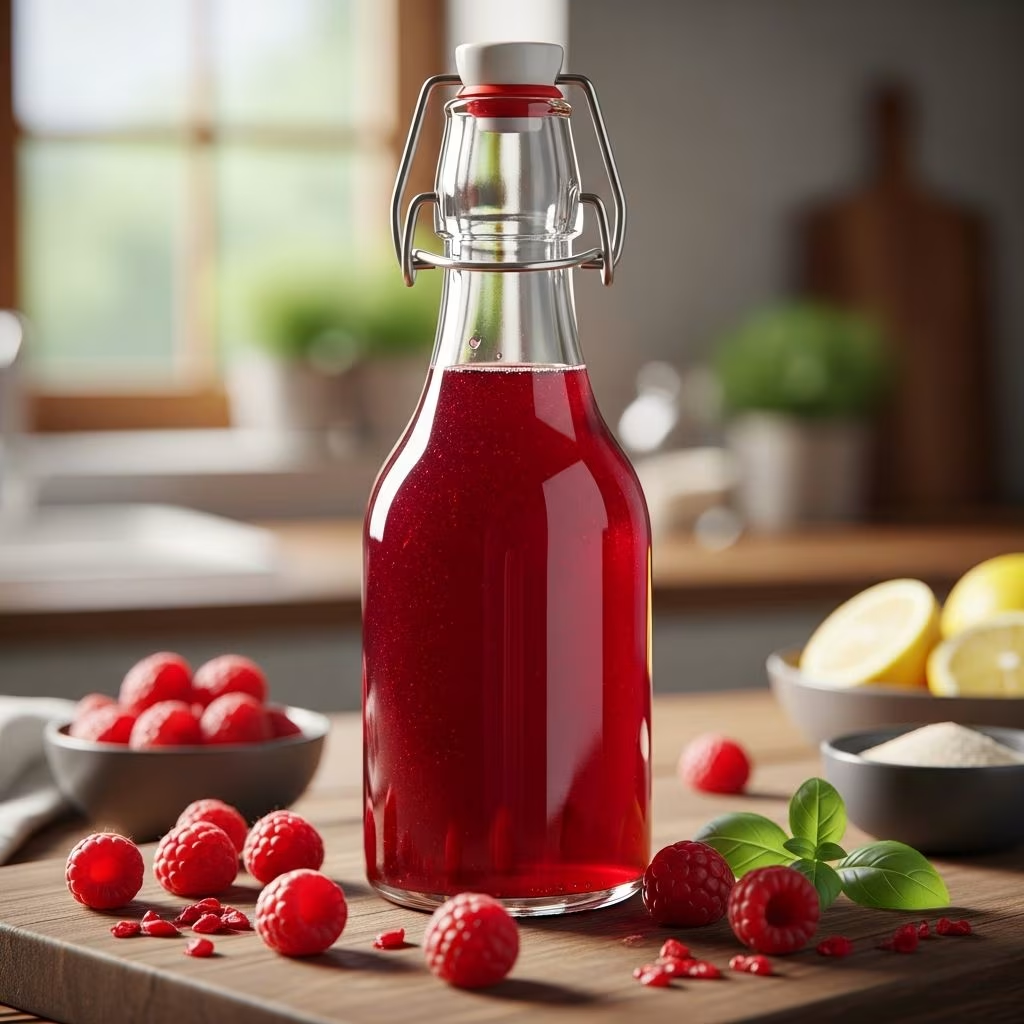
Creating your own raspberry syrup at home is a rewarding culinary endeavor that yields impressive results with minimal effort. This versatile condiment transforms simple pantry staples into a sophisticated ingredient suitable for both sweet and savory applications. Whether you’re looking to elevate your morning coffee, craft artisanal cocktails, or enhance desserts, homemade raspberry syrup offers superior flavor compared to commercial alternatives while allowing complete control over sweetness levels and ingredient quality.
The beauty of making raspberry syrup lies in its fundamental simplicity. The process requires only three core components and approximately 15 to 40 minutes of hands-on time, depending on your preferred preparation method. Unlike store-bought versions laden with artificial preservatives and high-fructose corn syrup, your homemade creation will feature pure berry essence and customizable sweetening options that align with your dietary preferences.
Understanding the Foundation: Essential Ingredients for Your Syrup
The core foundation of any quality raspberry syrup begins with understanding each ingredient’s role in the final product. While recipes vary in their proportions and complementary flavors, the fundamental building blocks remain consistent across culinary traditions.
Selecting Quality Raspberries
Raspberries serve as the primary flavor driver in your syrup, making their selection critical to the final outcome. Both fresh and frozen raspberries work exceptionally well in syrup preparation, each offering distinct advantages depending on your circumstances and preferences.
Fresh raspberries, when available during peak season, deliver bright, delicate flavors with aromatic complexity. These berries work particularly well if you have access to locally-sourced or homegrown varieties. Fresh berries do require more careful handling as they are perishable, and their seasonal availability may limit when you can prepare your syrup.
Frozen raspberries present a practical alternative that offers consistent availability year-round at typically lower costs than their fresh counterparts. The freezing process actually facilitates the breakdown of cellular structures, meaning frozen berries often release their juice more readily during cooking. This characteristic can result in a more intensely flavored finished product. Additionally, frozen berries eliminate concerns about spoilage and provide flexibility in your preparation timeline.
Black raspberries and red raspberries will each produce distinctly different color profiles in your syrup. Red raspberries yield a bright pink to deep crimson hue, while black raspberries create a deep burgundy or purple tone. The choice between varieties becomes a matter of aesthetic preference and intended application.
Sweetening Options Beyond Traditional Sugar
While granulated cane sugar remains the most straightforward choice for syrup-making, contemporary cooking celebrates a spectrum of sweetening alternatives that each impart unique flavor dimensions to your finished product.
Maple syrup introduces a subtle woody undertone and earthy complexity that complements the tartness of raspberries beautifully. Honey contributes floral notes and creates a naturally smooth texture, though its distinct flavor profile works best when you desire these characteristics in your final syrup. Agave nectar offers a neutral sweetness that doesn’t overshadow the raspberry flavor, while coconut sugar provides subtle caramel notes with a lower glycemic impact.
For those prioritizing refined-sugar-free options, alternative sweeteners including allulose, stevia, and monk fruit offer sugar-free sweetening capabilities while maintaining the syrup’s intended consistency and flavor profile. The selection of sweetener becomes a personal decision reflecting both taste preferences and dietary considerations.
Water: The Often-Overlooked Essential Component
Water comprises a significant portion of your syrup base and influences both the final consistency and concentration of flavors. The ratio of water to fruit and sweetener determines whether you achieve a thin, pourable syrup suitable for beverages or a thicker consistency better suited for pancake toppings and desserts.
Using filtered water eliminates potential mineral deposits or chlorine flavors that might interfere with your syrup’s pure raspberry essence. The water quantity varies depending on your desired finished consistency and the moisture content of your chosen berries.
Ingredient Ratios: Understanding Different Proportional Approaches
| Method | Raspberries | Water | Sweetener | Cook Time | Best For |
|---|---|---|---|---|---|
| Quick Simple Syrup | 1 cup | 1 cup | 1 cup sugar | 10-15 minutes | Cocktails, coffee drinks |
| Cold Extraction | 200g | 150g | 150g sugar | 2-3 minutes heat | Intense berry flavor |
| Concentrated Version | 2 pounds | 4 cups | 2 cups sugar | 40 minutes total | Pancakes, waffles |
| Maple Sweetened | 2 cups | 1 cup | 1/4-1/2 cup maple syrup | 10-12 minutes | Natural sweetness seekers |
Preparation Methods: From Basic to Advanced Techniques
The Direct Heat Method: Speed and Simplicity
The most straightforward approach combines all ingredients directly in a saucepan and applies moderate heat to create your finished syrup in minimal time. This method proves ideal when you want immediate results without complex preparation steps.
Begin by combining your water and chosen sweetener in a medium saucepan over medium heat, stirring until the sweetener completely dissolves. Once the mixture reaches a gentle simmer, add your raspberries and maintain consistent heat, stirring occasionally. The berries will gradually soften and release their color and juice into the surrounding liquid, typically requiring 5 to 12 minutes depending on raspberry size and whether you’re using fresh or frozen varieties.
As the berries break down, you may notice foam accumulating on the surface. Gently skim this foam away with a spoon to promote clarity in your finished syrup. Once the berries have completely broken down into a soft pulp, remove the pan from heat and allow the mixture to cool to room temperature.
The Cold Maceration Approach: Extracting Maximum Flavor
This alternative technique prioritizes flavor intensity by allowing raspberries and sugar to interact without immediate heat exposure. Mashing fresh raspberries together with your chosen sweetener creates a thick berry pulp that sits undisturbed for 2 to 3 hours. This resting period allows enzymes naturally present in the fruit to break down cellular walls and release concentrated flavors while the sugar draws out maximum juice content through osmotic action.
After the maceration period, add your water to the berry-sugar mixture and apply gentle heat for approximately 3 to 5 minutes, being careful not to bring the mixture to a rolling boil. This minimal heat application preserves delicate flavor compounds that would otherwise dissipate through prolonged cooking.
The Extended Concentration Method: Creating Syrup Richness
For particularly concentrated, intense raspberry flavors suitable for topping pancakes or enriching desserts, the extended method involves multiple cooking phases. Combine raspberries, water, and sweetener in a large saucepan and bring the mixture to a gentle simmer. After 20 minutes of cooking, the raspberries will have surrendered most of their color to the liquid while the berries themselves become pale and exhausted.
Strain this initial mixture through a fine mesh sieve without pressing the solids—this restraint preserves clarity in your syrup. Return the strained raspberry liquid to the pan with additional sweetener and bring it back to a boil, simmering for an additional 15 to 25 minutes until the desired thickness develops. This extended cooking concentrates flavors and increases viscosity, creating a luxurious topping consistency.
The Critical Straining Process: Achieving Professional Clarity
Straining separates the pristine raspberry-infused liquid from the spent berry solids, determining whether your syrup achieves crystal clarity or remains intentionally pulpy depending on your preferences. Using a fine mesh strainer positioned over a clean jar or bowl, pour your cooked mixture through while applying gentle downward pressure with the back of a spatula to encourage liquid passage.
A critical guideline: avoid aggressive pressing or grinding of the solids against the strainer mesh. This aggressive action forces tiny berry particles and seed fragments into the syrup, resulting in cloudiness and a grittier texture. If you prefer a smoother mouthfeel with some berry pulp retained, you may choose to blend the cooled mixture before straining, creating a different textural experience entirely.
Flavor Enhancement: Moving Beyond Pure Raspberry
While pure raspberry syrup delights on its own, judicious flavor additions expand its versatility and create sophisticated taste dimensions that elevate specific applications.
Vanilla extract, stirred in during the final minute of cooking, imparts subtle warmth that complements raspberry’s tartness without overwhelming it. Citrus elements including lemon juice or lime juice brighten the berry flavor and provide complexity, particularly valuable if your syrup tastes overly sweet. A whisper of almond extract creates an intriguing undertone that pairs exceptionally well with vanilla-forward applications.
For cocktail applications, a small splash of neutral alcohol such as vodka or Everclear can act as a preservative while adding sophisticated depth. The alcohol content remains minimal enough that the syrup remains suitable for non-alcoholic beverages, though the preservation benefit extends shelf life considerably.
Storage Solutions: Preserving Your Homemade Creation
Proper storage protocols determine how long you can enjoy your homemade raspberry syrup before quality degradation occurs. In its basic form without alcohol preservation, refrigerated raspberry syrup maintains optimal quality for approximately one week. Store your cooled syrup in clean glass jars with secure lids, positioned on refrigerator shelves where temperature remains consistently cold.
For extended storage beyond one week, consider incorporating a small amount of high-proof alcohol as a preservative, which allows refrigerated storage for several months. Alternatively, many home cooks successfully freeze raspberry syrup in ice cube trays for later use, allowing portion-controlled thawing for specific applications.
Practical Applications: Where Raspberry Syrup Shines
The versatility of homemade raspberry syrup extends far beyond pancake toppings, though that application certainly qualifies as worthy. Stir spoonfuls into sparkling water for an elegant afternoon refreshment, creating a sophisticated beverage that masks the addition of simple syrup with impressive flair. Coffee drinks transform when a measure of raspberry syrup combines with espresso and steamed milk, while cocktail and mocktail applications benefit from the syrup’s concentrated flavor and beautiful color.
Dessert applications including drizzled yogurt bowls, blended into smoothies, or swirled into cheesecake and ice cream showcase the syrup’s visual appeal and flavor contribution. Creative cooks have employed raspberry syrup as a glaze component for roasted meats, creating unexpected sweet-savory flavor bridges.
Frequently Asked Questions About Homemade Raspberry Syrup
Can I use all frozen raspberries in my syrup preparation?
Yes, frozen raspberries work excellently and often produce equally flavorful results compared to fresh berries. The freezing process breaks down cell walls, facilitating easier breakdown during cooking. Simply add frozen berries directly to your saucepan without thawing, adjusting cooking times slightly if needed.
What causes cloudiness in finished raspberry syrup?
Cloudiness typically results from aggressive pressing of berry solids through the strainer mesh, forcing particles into the finished syrup. Additionally, inadequate cooling before straining can trap suspended particles. For crystal clarity, practice gentle straining without pressure and ensure your syrup reaches room temperature before final straining.
How can I create a thicker syrup suitable for pancake topping?
Extended cooking increases water evaporation and concentrates the syrup naturally, creating thicker consistency without additional thickening agents. Alternatively, reduce the initial water quantity in your recipe to achieve desired thickness, though this requires adjustment to your preparation method.
Is fresh lemon juice a necessary addition to raspberry syrup?
While optional, lemon juice brightens flavors and cuts through excessive sweetness if your syrup tastes unbalanced. Start with one-half teaspoon and adjust based on your taste preferences rather than treating it as mandatory.
Can I double or triple my raspberry syrup recipe?
Scaling recipes upward generally works well, though larger batches require extended cooking times to achieve proper concentration and flavor development. Maintain proportional ingredient ratios and exercise patience during the cooking process, avoiding the temptation to rush by applying excessive heat.
Conclusion: The Satisfying Simplicity of Homemade Craftsmanship
Creating homemade raspberry syrup represents an accessible entry point into artisanal food preparation, requiring minimal equipment, straightforward technique, and readily available ingredients. The superior flavor profile and satisfaction derived from crafting your own syrup justifies the modest time investment, while the customization possibilities ensure every batch reflects your personal preferences and dietary considerations. Whether preparing for an upcoming celebration or creating pantry staples for regular enjoyment, homemade raspberry syrup delivers impressive results that elevate ordinary beverages and dishes into memorable culinary experiences.
References
- Raspberry Simple Syrup Recipe — Three Big Bites. Accessed 2026. https://threebigbites.com/raspberry-simple-syrup-recipe/
- Raspberry Syrup – A Simple Recipe for Fruity Drinks — Drinking Hobby. Accessed 2026. https://drinkinghobby.com/raspberry-syrup-for-drinks/
- Raspberry Syrup Recipe (For Coffee, Cocktails, & More) — Bakerita. Accessed 2026. https://www.bakerita.com/raspberry-syrup-recipe/
- Raspberry Syrup — A Couple Cooks. Accessed 2026. https://www.acouplecooks.com/raspberry-syrup/
- Homemade Raspberry Syrup for Drinks — Mitten Girl. Accessed 2026. https://mittengirl.com/homemade-raspberry-simple-syrup/
- Easy Homemade Raspberry Syrup – Step-by-Step Recipe — Tori Avey. Accessed 2026. https://toriavey.com/homemade-raspberry-syrup/
- Fresh Raspberry Syrup for Drinks — The Foodie Affair. Accessed 2026. https://www.thefoodieaffair.com/raspberry-syrup-2/
- Raspberry Syrup — A Beautiful Mess. Accessed 2026. https://abeautifulmess.com/raspberry-syrup/