There’s something truly magical about sipping a warm, spiced beverage that transports you to a cozy autumn setting or reminds you of cherished fictional moments. Pumpkin juice has become a beloved seasonal drink, celebrated not just for its delightful flavor but also for its nostalgic connection to popular culture. This comprehensive guide will walk you through everything you need to know about creating this enchanting beverage in your own kitchen.
Understanding the Essence of Pumpkin Juice
Pumpkin juice stands apart from typical fall beverages because of its unique balance of flavors. The foundation rests on the combination of pumpkin’s subtle earthiness with the bright sweetness of apple juice or cider. What makes this beverage truly special is how these base ingredients harmonize with warm spices and vanilla to create a complex, satisfying flavor profile.
The beauty of homemade pumpkin juice lies in its versatility. Whether you prefer a thick, velvety texture or a lighter, more refreshing consistency, you have complete control over the final product. Some recipes employ quick blending methods, while others use simmering techniques to deepen and infuse the spice flavors more thoroughly into the liquid.
Essential Ingredients and Variations
Creating pumpkin juice requires thoughtful selection of key components. Understanding each ingredient’s role will help you make informed choices for your preferred version.
The Pumpkin Foundation
You have two primary options for your pumpkin base. Canned pumpkin puree offers convenience and consistency, making it the go-to choice for most home cooks. Simply combine one cup of canned pumpkin with a quarter cup of water, then blend until smooth. If you prefer working from scratch, roasting fresh butternut squash with water creates a more artisanal base that delivers a slightly different flavor dimension.
Juice Components
The liquid backbone typically combines apple juice or fresh apple cider with complementary fruit juices. Fresh apple cider delivers a more pronounced, slightly tart character, while commercial apple juice provides a sweeter, more uniform baseline. Many recipes incorporate apricot or peach nectar at a ratio of roughly half a cup to one and a half cups of apple juice. This stone fruit component adds subtle sweetness and complexity that rounds out the pumpkin’s earthiness.
Sweeteners and Flavor Enhancers
Most traditional recipes call for granulated sugar and brown sugar, typically using between one-quarter and one-half cup total depending on your fruit juice selection and personal preference. Vanilla extract serves as a crucial flavor bridge, typically measured at one to two teaspoons. For those seeking natural sweetening options, honey or maple syrup can substitute for granulated sugar, though this changes the final texture slightly.
Spice Composition
The spice blend distinguishes exceptional pumpkin juice from ordinary beverages. Standard pumpkin pie spice blends provide convenience, typically containing cinnamon, nutmeg, ginger, and cloves in pre-calculated proportions. For more precise control, you can purchase individual spices and combine them: one teaspoon ground cinnamon, one-half teaspoon ground ginger, one-quarter teaspoon ground cloves, and one-eighth teaspoon ground nutmeg creates a balanced profile.
Preparation Methods Compared
Different techniques yield subtly different results, allowing you to choose based on your available time and preferred flavor intensity.
The Quick Blending Approach
This method takes approximately five to ten minutes total. Simply combine all ingredients in a blender and process until smooth. Pour directly into serving glasses with ice. This approach works beautifully when you prioritize convenience and prefer a chilled beverage immediately. The flavors blend quickly, though the spices don’t fully integrate into the liquid.
The Simmering Technique
For deeper, more developed flavors, combine all ingredients in a large saucepan and bring to a gentle simmer over medium heat. Maintain this low boil for fifteen to thirty minutes, allowing the spices to gradually infuse throughout the mixture. The heat helps dissolve the pumpkin more completely into the liquid while coaxing out the aromatic compounds from the spices. After simmering, strain through a fine mesh sieve if you prefer a smoother final product, then cool completely before serving.
The Intermediate Option
Some cooks prefer a middle ground: blend all ingredients together, then simmer the combined mixture for five to ten minutes before serving. This provides a more integrated flavor than simple blending while requiring less active cooking time than the extended simmering method.
Step-by-Step Preparation Guide
Follow these detailed instructions to create your perfect pumpkin juice:
- Prepare Your Base: If using canned pumpkin, measure one cup into your blender. Add one-quarter cup water and pulse until completely smooth. For fresh pumpkin, roast half a butternut squash with two cups water, then blend the softened squash with its cooking liquid.
- Combine All Ingredients: Add three to four cups of apple juice or cider to your blender along with the prepared pumpkin base. Include apricot or peach nectar, sugar, vanilla extract, and your chosen spice combination.
- Initial Blending: Process on high speed for one minute until all components are fully incorporated and the mixture achieves uniform color throughout.
- Heat and Infuse (Optional): Transfer to a large saucepan and bring to a gentle simmer if you prefer developed flavors. Maintain low heat for twenty to thirty minutes, stirring occasionally.
- Strain if Desired: Pour through a fine mesh sieve into a serving pitcher to remove any remaining pumpkin particles and create a smoother texture.
- Cool and Serve: Allow the mixture to cool completely, then refrigerate until thoroughly chilled. Stir or shake well before each serving, as the pumpkin and spices naturally settle.
Customization and Serving Options
Your homemade pumpkin juice welcomes creative personalization:
- Serve warm in ceramic mugs for a cozy winter beverage, topped with whipped cream and cinnamon
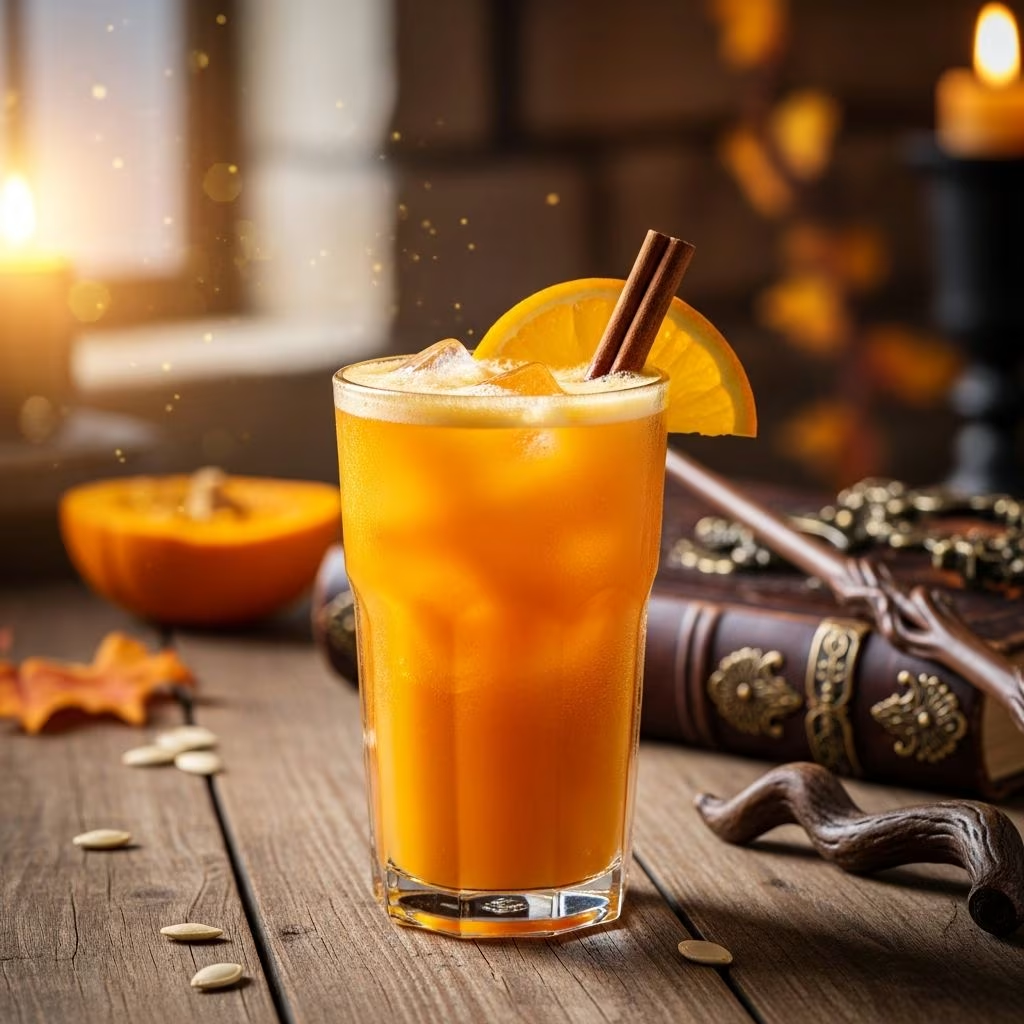
- Pour over ice and garnish with cinnamon sticks and fresh apple slices for an elegant presentation
- Add a splash of vanilla extract or bourbon for adult variations
- Experiment with different spice ratios to match your personal taste preferences
- Create a concentrated version by reducing the liquid content, then dilute individual servings with water or additional juice
Storage and Shelf Life
Homemade pumpkin juice keeps well when properly stored. Transfer cooled juice to airtight glass containers and refrigerate for three to four days. Before each serving, shake or stir the container thoroughly, as separation naturally occurs. For longer storage, freeze individual portions in ice cube trays or freezer bags for up to two months. Thaw overnight in the refrigerator before serving.
Troubleshooting Common Issues
| Challenge | Possible Cause | Solution |
|---|---|---|
| Too thick or grainy texture | Insufficient liquid or over-pumpkin ratio | Add more apple juice and blend longer, or strain through mesh sieve |
| Flavors seem muted | Spices not fully infused | Simmer mixture for extended time to develop spice aromatics |
| Excessive settling | Natural separation of pumpkin and liquid | Stir or shake before each serving; store in pitcher rather than pitcher |
| Too sweet | Excess sugar or sweet fruit juice | Add water to dilute or reduce sugar in future batches |
| Spices overpowering | Too much spice blend added | Dilute with additional juice or add vanilla to balance |
Frequently Asked Questions
Can I make pumpkin juice without fresh or canned pumpkin?
While pumpkin puree provides essential body and flavor, you could create a spiced apple cider concentrate by simmering apple juice with the spice blend and apricot nectar. However, this produces a different beverage without pumpkin’s distinctive character.
What’s the difference between pumpkin juice and pumpkin spice drinks?
Pumpkin juice emphasizes actual pumpkin puree as a primary ingredient, creating a thicker, more substantial beverage. Pumpkin spice drinks typically rely on spice flavoring added to beverages without significant pumpkin content.
How long does homemade pumpkin juice last?
Properly refrigerated homemade pumpkin juice remains fresh for three to four days. Freezing extends storage to approximately two months without significant quality degradation.
Can I substitute ingredients if I don’t have exact items listed?
Yes, within reason. Use peach nectar instead of apricot, honey instead of granulated sugar, or fresh cider instead of juice. However, these substitutions alter the final flavor profile, so start with small adjustments.
Is this beverage suitable for young children?
The recipe as written contains no alcohol and uses only food-grade ingredients appropriate for all ages. Some versions incorporate adult beverages, so verify your specific recipe before serving to children.
Why Make Pumpkin Juice at Home
Creating pumpkin juice in your kitchen offers distinct advantages over purchasing pre-made versions. Homemade preparations allow you to control sugar content, adjust spice intensity to personal preference, and use higher-quality ingredients. The process costs significantly less per serving than retail alternatives while delivering fresher flavor. Additionally, homemade versions avoid artificial sweeteners and preservatives often found in commercial products.
Beyond practical benefits, making pumpkin juice connects you to seasonal traditions and brings the sensory pleasure of autumn into your home. Whether you’re preparing for themed gatherings, settling into cooler weather, or simply indulging in nostalgic flavors, homemade pumpkin juice provides an affordable, customizable beverage that transforms simple ingredients into something truly special.
References
- United States Department of Agriculture: Pumpkin Nutrition Facts — USDA FoodData Central. 2024. https://fdc.nal.usda.gov/fdc-app.html
- Food Safety Guidelines for Home Canning and Food Storage — National Center for Home Food Preservation, University of Georgia. 2023. https://nchfp.uga.edu/
- Culinary Uses and Preparation Methods for Pumpkin and Winter Squash — The Spruce Eats Editorial Team. 2024. https://www.thespruceeats.com