Potato gnocchi represent one of Italy’s most beloved comfort foods, offering a delightful combination of simplicity and flavor. These soft, pillowy dumplings, made primarily from potatoes and flour, transform basic pantry staples into a versatile dish suitable for weeknight dinners or special occasions. Unlike store-bought versions, homemade gnocchi allows full control over texture and taste, ensuring they remain light and tender rather than dense or gummy.
Understanding the Essence of Gnocchi
Gnocchi, pronounced ‘nyoh-kee,’ originated in northern Italy and have become a staple across the country. Traditionally crafted from potatoes, they differ from pasta by their dumpling-like form, boiled until they float to the surface. The key to success lies in minimal handling to preserve the potatoes’ natural starch, which binds the dough without excess flour.
This recipe yields approximately 4 servings, ideal for a family meal. Preparation time is about 45 minutes, with 30 minutes for cooking the potatoes and 15 for assembly and shaping. The result is a batch of gnocchi ready to pair with classic sauces like marinara, pesto, or browned butter.
Essential Ingredients for Authentic Gnocchi
Gathering the right components is crucial for achieving the ideal consistency. Here’s what you’ll need:
- 2 pounds russet potatoes: Starchy varieties like russets are best as they yield fluffy interiors when boiled.
- 1 ½ to 2 cups all-purpose flour: Start with less and add as needed to prevent stickiness.
- 1 large egg: Binds the dough for better structure (optional in some traditional recipes).
- 1 teaspoon salt: Enhances flavor without overpowering the delicate taste.
Optional additions include a pinch of nutmeg for warmth or grated Parmesan for subtle cheesiness. Avoid using waxy potatoes, as they hold too much moisture and lead to heavy gnocchi.
Preparing the Potatoes: The Foundation of Great Gnocchi
Begin by selecting uniform-sized russet potatoes to ensure even cooking. Wash them thoroughly under cold water to remove dirt, then place them in a large pot of cold, salted water. Bring to a boil and cook for 30-40 minutes until a knife inserts easily into the center.
Drain the potatoes and let them cool just enough to handle—about 5 minutes. Peeling while hot is essential; use a kitchen towel to protect your hands and rub off the skins. This step minimizes moisture absorption, which can make the dough soggy.
Pass the peeled potatoes through a ricer or food mill onto a clean work surface for the smoothest texture. Alternatively, mash them finely with a fork, ensuring no large lumps remain. Spread the riced potatoes into a thin layer to release steam, promoting dryness.
Assembling the Dough: Techniques for Lightness
Create a well in the center of the potatoes and crack the egg into it, sprinkling salt around the edges. Lightly beat the egg with a fork, then gently incorporate it into the potatoes using your fingertips.
Sift 1 cup of flour over the mixture and fold it in gradually. Add more flour incrementally until the dough forms a soft, cohesive ball that doesn’t stick to your hands. Kneel lightly—never knead vigorously—to avoid activating too much gluten, which toughens the gnocchi.
The dough should feel slightly tacky but smooth. If it’s too dry, sprinkle with a teaspoon of water; if too wet, add flour sparingly. Divide into 4 portions for easier handling.
Shaping Gnocchi: Creating the Perfect Ridge
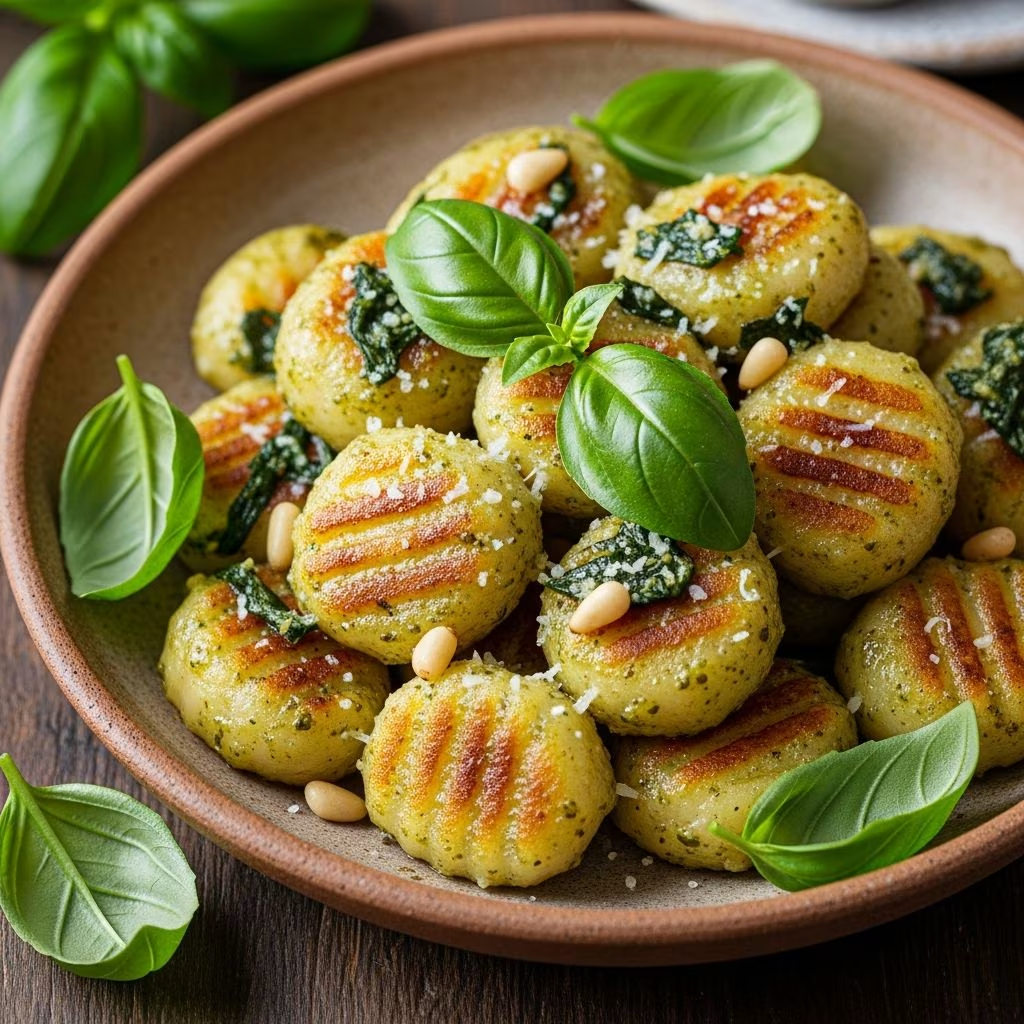
Roll each dough portion into a ¾-inch thick rope on a lightly floured surface. Use a bench scraper or knife to cut the ropes into 1-inch pieces. For the classic ridged shape, gently roll each piece over the tines of a fork or a gnocchi board, pressing with your thumb to form indentations. These ridges help sauce cling beautifully.
Place shaped gnocchi on a floured parchment-lined baking sheet to prevent sticking. Avoid overcrowding. If not cooking immediately, cover loosely with plastic wrap and refrigerate for up to 2 hours.
Cooking Gnocchi: Timing is Everything
Bring a large pot of salted water to a gentle boil—aggressive boiling can cause the gnocchi to break apart. Add the gnocchi in batches, stirring gently to prevent clumping. They are done when they float to the surface, typically 2-3 minutes.
Use a slotted spoon to transfer them directly to your sauce, reserving some pasta water to thin if needed. Overcooking leads to mushiness, so watch closely.
Pairing Suggestions: Elevating Your Gnocchi
Gnocchi’s neutral flavor pairs with a variety of sauces. Here are some ideas:
| Sauce Type | Key Ingredients | Prep Time |
|---|---|---|
| Classic Tomato | San Marzano tomatoes, garlic, basil, olive oil | 20 min |
| Pesto | Basil, pine nuts, Parmesan, garlic | 10 min |
| Browned Butter Sage | Butter, fresh sage, nutmeg | 5 min |
| Creamy Gorgonzola | Gorgonzola cheese, cream, walnuts | 15 min |
For a quick meal, sauté cooked gnocchi in a skillet with butter and sage until golden. Add spinach or sausage for heartiness, inspired by one-pan recipes like those with Italian sausage and tomatoes.
Storage and Make-Ahead Tips
Fresh gnocchi can be frozen: arrange in a single layer on a tray until solid, then transfer to a freezer bag for up to 3 months. Boil from frozen, adding 1-2 extra minutes.
Uncooked gnocchi refrigerate for 1 day. Cooked leftovers store in an airtight container for 2 days; reheat gently in sauce to restore tenderness.
Troubleshooting Common Issues
- Gnocchi too dense? Likely overworked dough or too much flour—use a lighter hand next time.
- They fall apart in water? Dough was too wet; add flour gradually.
- Not floating? Water not salted enough or boil too vigorous—adjust salinity and heat.
Experiment with flour types like ’00’ for even silkier results, though all-purpose works well for beginners.
Nutritional Profile and Variations
A serving (about 1 cup cooked) provides roughly 300 calories, 60g carbs, 8g protein, and 2g fat, making it a balanced carb source. For gluten-free, substitute with a 1:1 blend. Veganize by omitting the egg and using aquafaba.
Incorporate veggies like roasted tomatoes or spinach directly into the dough for colorful twists.
Frequently Asked Questions (FAQs)
Can I bake gnocchi instead of boiling?
Yes, parboil briefly then bake in sauce at 400°F for 15-20 minutes for crispy edges, similar to sheet-pan methods.
What’s the best potato for gnocchi?
Russets or Yukon Golds; high starch content ensures fluffiness.
How do I know when dough has enough flour?
It holds shape without cracking or sticking—test by forming a small ball.
Can I use a stand mixer?
Avoid it; hand-mixing preserves lightness.
Freezing affects texture?
Minimal if frozen uncooked; thaw slightly before boiling.
Advanced Techniques for Gnocchi Enthusiasts
Once mastered, try ricotta gnocchi for a lighter version or pumpkin-infused for fall flavors. Pan-fry leftovers for gnocchi alla Romana, crisping exteriors while keeping interiors soft.
Pair with wines like Chianti for tomato sauces or Pinot Grigio for creamy ones to complete the meal.
References
- Insanely Delicious Gnocchi Recipes For Easy Lunches And Dinners — DeLallo. Accessed 2026. https://www.delallo.com/blog/gnocchi-recipes
- Cheesy Gnocchi Florentine — Iowa Girl Eats. Accessed 2026. https://iowagirleats.com/cheesy-gnocchi-florentine/
- Gnocchi with Pomodoro Sauce — FoodieCrush. Accessed 2026. https://www.foodiecrush.com/gnocchi-with-pomodoro-sauce/
- 35 Easy Gnocchi Recipes You Can Make at Home — PureWow. Accessed 2026. https://www.purewow.com/food/easy-gnocchi-recipes