Creating your own pizza dough elevates any homemade pizza night, offering control over texture, flavor, and freshness that store-bought versions can’t match. This comprehensive guide draws from proven techniques to help you produce a versatile base that’s chewy yet crisp, ready for your favorite toppings.
Why Make Pizza Dough from Scratch?
Homemade dough allows customization for dietary needs, like using alternative flours, and ensures no preservatives interfere with taste. The process builds skills in yeast activation and kneading, leading to consistent results over time. Fresh dough ferments naturally, developing complex flavors through simple hydration and time.
Essential Ingredients for Success
The foundation of great pizza dough lies in quality basics. Here’s what you’ll need for a standard batch yielding two 12-inch pizzas:
- Flour: 4 cups all-purpose or bread flour for structure and chewiness. Bread flour’s higher protein content (12-14%) creates more gluten for elasticity.
- Yeast: 2 1/4 teaspoons instant or active dry yeast to kickstart rising. Instant works faster without proofing.
- Salt: 2 teaspoons kosher salt to enhance flavor and control yeast activity.
- Sugar: 1 tablespoon to feed the yeast and promote browning.
- Olive Oil: 2 tablespoons for tenderness and rich taste.
- Warm Water: 1 1/3 cups at 105-110°F to activate yeast without killing it.
Optional add-ins like garlic powder or dried herbs infuse subtle flavors directly into the crust.
Step-by-Step Dough Preparation
Follow these precise steps for reliable results. Total active time is about 20 minutes, plus rising.
- Activate Dry Ingredients: In a large bowl, whisk flour, yeast, salt, and sugar. This even distribution prevents clumping.
- Incorporate Liquids: Pour in warm water and olive oil. Stir with a wooden spoon until a shaggy mass forms—no dry spots remain.
- Knead the Dough: Transfer to a floured surface. Knead 8-10 minutes by hand, or 5 minutes with a stand mixer, until smooth and elastic. It should pass the windowpane test: stretch a small piece thin without tearing.
- First Rise: Place in an oiled bowl, cover with plastic wrap or a damp cloth. Let rise in a warm spot (75-85°F) for 1-1.5 hours until doubled.
- Deflate and Divide: Punch down gently, divide into 2-3 balls. Shape each by tucking edges under for tension.
- Second Rise: Cover and rest 30-45 minutes. Preheat oven to 475°F with a pizza stone if available.
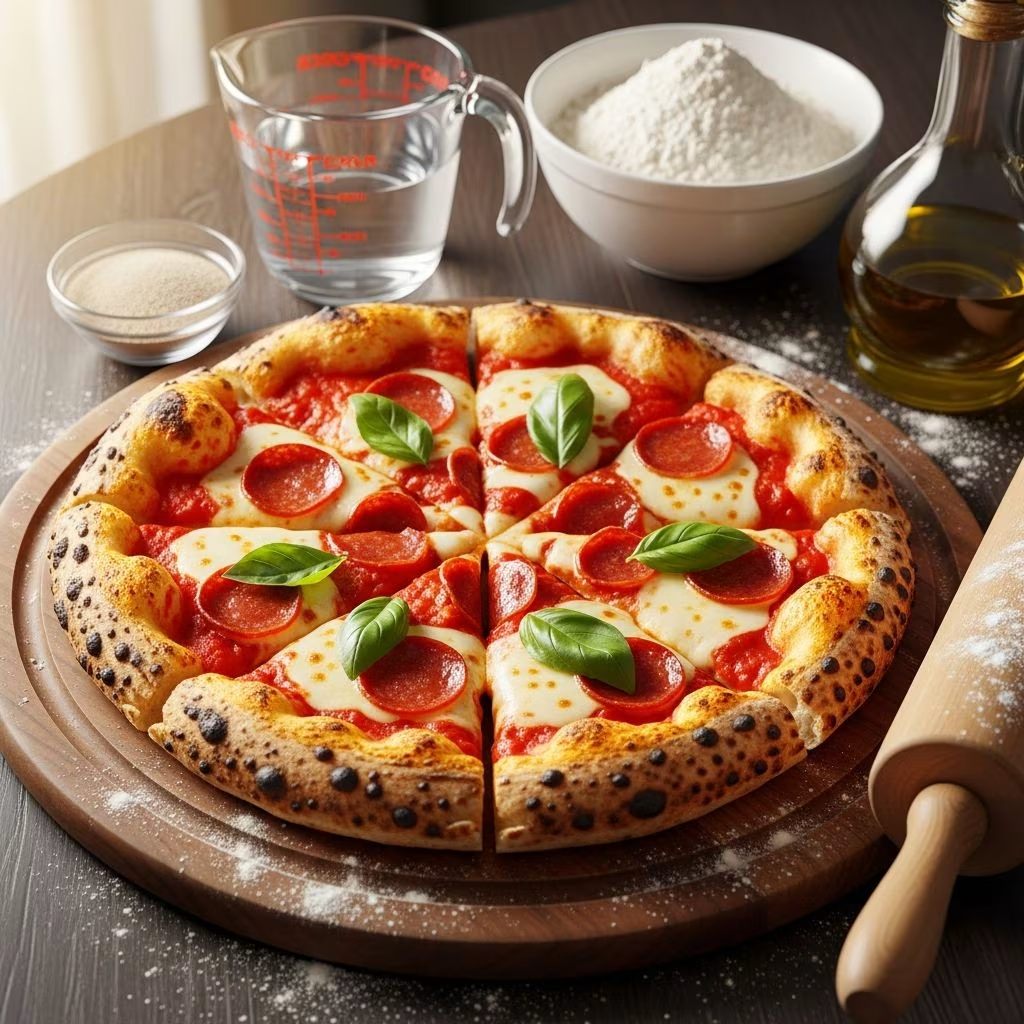
For visual guidance, techniques like these ensure professional texture.
Mastering the Rise: Timing and Environment
Rising transforms sticky dough into airy perfection. Ideal temperature speeds fermentation without overproofing, which causes collapse. Use your oven’s proof setting or a turned-off oven with a pan of hot water for humidity. Cold rise in the fridge overnight (8-24 hours) develops deeper flavor via slow fermentation, mimicking artisanal methods.
| Rise Type | Time | Temperature | Benefits |
|---|---|---|---|
| Room Temperature | 1-1.5 hours | 75-85°F | Quick, convenient for same-day pizza |
| Cold Fermentation | 8-72 hours | Fridge (38-40°F) | Enhanced flavor, better digestibility |
| Quick Rise | 30-45 minutes | 100°F (carefully) | Fast for weeknights |
Shaping and Stretching Techniques
Avoid rolling pins to preserve air bubbles—gentle stretching yields lighter crusts. Dust hands with flour, press dough from center outward, rotating. Let gravity help by draping over knuckles for thin, even rounds. For thicker styles like deep-dish, use oiled pans and press up sides.
- Thin Crust: Stretch to 1/8-inch for crispy Neapolitan-style.
- Thick Crust: Leave 1/2-inch for chewy tavern pies.
- Stuffed Edge: Roll rim and fill with cheese before baking.
Baking for Golden Perfection
High heat (475-500°F) mimics wood-fired ovens. Par-bake plain dough 5 minutes for sturdier toppings. Poke fork holes to prevent bubbles, brush edges with oil for shine. Bake 12-15 minutes until underside is golden. Rotate midway for even charring.
Flavor Variations to Elevate Your Crust
Experiment beyond basics for unique pizzas:
- Herb-Infused: Add 1 tsp dried oregano or rosemary to dry ingredients.
- Garlic Parmesan: Mix minced garlic and grated cheese into dough post-knead.
- Whole Wheat: Swap 1 cup flour for whole wheat for nutty earthiness.
- Sourdough Starter: Replace yeast with 1 cup active starter for tangy complexity.
- Sweet Dough: Increase sugar to 1/4 cup for dessert pizzas.
Storage and Make-Ahead Strategies
Extra dough freezes beautifully: wrap balls tightly in plastic and foil, freeze up to 3 months. Thaw overnight in fridge, then room-temp rise. Refrigerate shaped dough up to 2 days. Dried yeast keeps dough viable longer than fresh.
Beyond Pizza: Creative Uses for Dough
Repurpose leftovers into versatile favorites:
- Flatbreads: Grill or bake with dips like hummus.
- Calzones: Fill, seal, and bake for portable meals.
- Breadsticks: Twist, season, bake until crisp.
- Cinnamon Rolls: Roll out, fill with sugar-cinnamon-butter, slice, bake.
- Focaccia: Dimple, top with herbs and oil, slow-bake.
These ideas minimize waste while maximizing creativity.
Troubleshooting Common Issues
Problems arise but have simple fixes:
- Dough Too Sticky: Add flour 1 tbsp at a time; humidity affects hydration.
- Doesn’t Rise: Check yeast freshness—test in warm water with sugar.
- Dense Crust: Insufficient kneading or overproofing; knead longer next time.
- Tough Texture: Use bread flour and don’t overbake.
Nutrition and Dietary Adaptations
One serving (1/8 pizza crust) offers about 150 calories, mostly from carbs. For gluten-free, use a 1:1 blend like rice or almond flour with xanthan gum. Vegan by nature; keto versions swap flour for almond meal and mozzarella fathead dough.
Pairing Toppings with Your Dough
Balance weights: light toppings for thin crusts, hearty for thick. Classics include Margherita (tomato, mozzarella, basil) or supreme (pepperoni, sausage, veggies). Sauce first, then cheese to seal, toppings last.
Frequently Asked Questions
Can I use all-purpose flour?
Yes, it works well for soft crusts, though bread flour yields chewier results.
How do I know if yeast is active?
Sprinkle over warm water with sugar; bubbles in 5-10 minutes confirm viability.
What’s the best flour for pizza?
Tipo 00 for authentic Italian thin crusts; all-purpose for everyday ease.
Can I make dough without a mixer?
Absolutely—hand-kneading builds strength and is therapeutic.
How long does dough last in the fridge?
Up to 3 days; longer improves flavor via fermentation.
Pro Tips from Seasoned Bakers
– Weigh ingredients for precision—volume varies.
– Use a digital scale for flour (500g ≈ 4 cups).
– High-hydration doughs (65%+ water) create steam pockets for airiness.
– Steel or stone amplifies oven heat for char.
– Hydrate hands when handling wet dough to prevent sticking.
References
- Homemade Pizza Dough Recipe (Fan-Favorite!) — A Couple Cooks. 2023-05-15. https://www.acouplecooks.com/pizza-dough-recipe/
- The Best Pizza Dough Recipe — Sugar Spun Run. 2024-02-10. https://sugarspunrun.com/the-best-pizza-dough-recipe/
- Our Best Recipes – Homemade Pizza Dough & Sauce — Inspired Taste. 2023-08-22. https://inspired-taste.kit.com/posts/our-best-recipes-homemade-pizza-dough-sauce