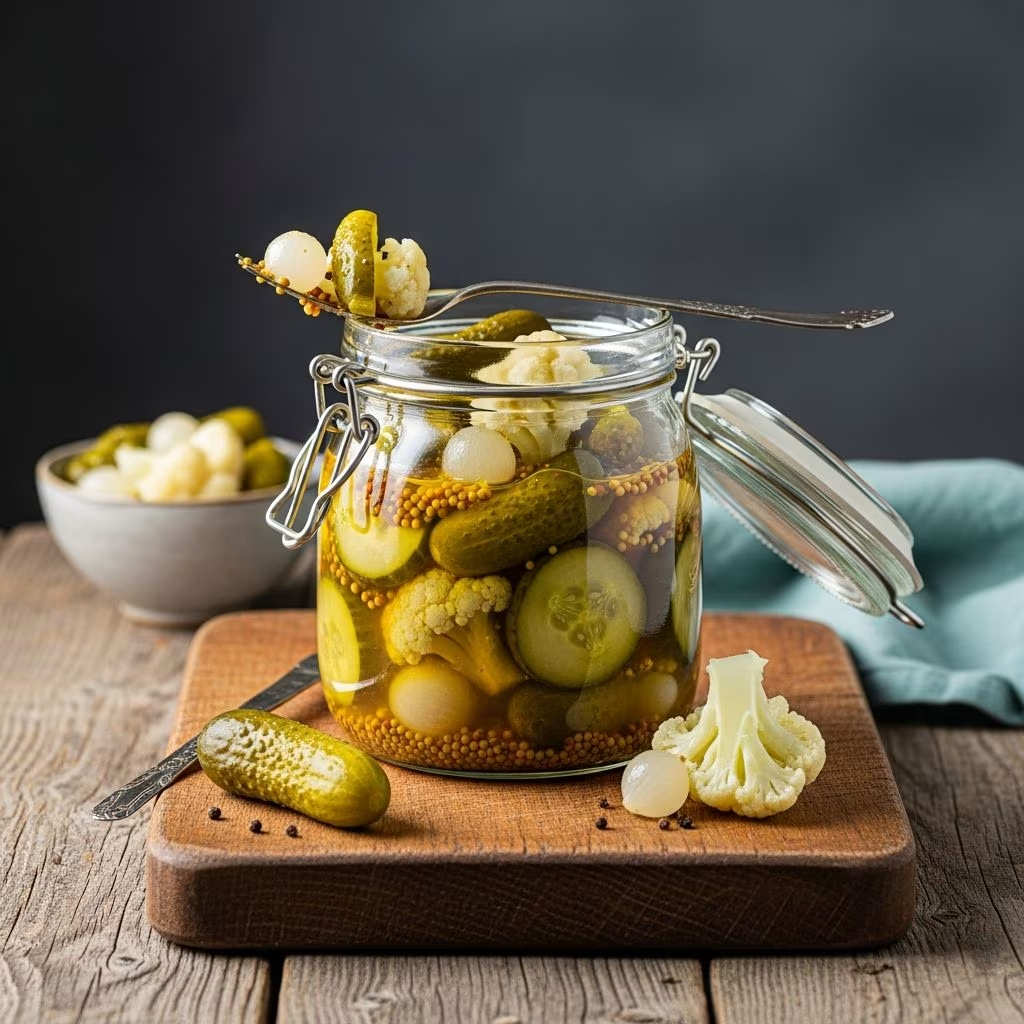
Preserving the harvest through pickling has been a cornerstone of culinary tradition for generations, and mustard pickles stand out for their bold, tangy profile that balances sweetness, spice, and crunch. These versatile condiments elevate sandwiches, burgers, and charcuterie boards with their distinctive yellow hue and robust mustard kick. Rooted in old-fashioned recipes passed down through families, especially in regions like the East Coast and rural communities, mustard pickles offer a satisfying project for home cooks looking to capture summer’s freshness in jars.
Why Make Your Own Mustard Pickles?
Store-bought versions often lack the vibrant flavor and customizable spice levels of homemade ones. Crafting them yourself allows control over ingredients, ensuring freshness without preservatives. The process not only yields delicious results but also builds skills in safe food preservation, reducing waste from abundant garden cucumbers. With a shelf life of up to a year when properly canned, these pickles become pantry staples for holidays, gifts, or everyday meals.
Understanding the Essentials of Mustard Pickles
Mustard pickles differ from dill or bread-and-butter varieties due to their thick, mustard-infused brine, which clings to chunky vegetables like cucumbers, onions, cauliflower, and peppers. The key is achieving the right balance: a brine that thickens without separating, vegetables that retain crispness, and spices that harmonize without overpowering. Common challenges include sogginess from over-salting or thin sauce from improper thickening agents like flour or ClearJel.
Gathering Ingredients for Success
Selecting high-quality produce is crucial. Opt for small, firm pickling cucumbers (1-3 inches long) to maintain texture after processing. Pearl onions, cauliflower florets, and bell peppers add color and variety. For the brine, use 5% acidity white or apple cider vinegar, dry mustard powder for heat, turmeric for golden color, sugar for balance, and pickling salt to draw out moisture without clouding.
Here’s a breakdown of typical quantities for a standard batch yielding 4-6 pints:
| Ingredient | Quantity | Purpose |
|---|---|---|
| Small cucumbers | 5 lbs (cubed or sliced) | Main vegetable base for crunch |
| Onions (pearl or chopped) | 4-6 cups | Sweetness and texture contrast |
| Cauliflower florets | 1 head (optional) | Added bulk and mild flavor |
| Red bell peppers | 2-4 (chopped) | Color and mild sweetness |
| Pickling salt | 1/2 – 1 cup | Draws out water, crisps veggies |
| White vinegar (5%) | 4-8 cups | Preserves and carries flavors |
| Sugar (granulated or brown) | 3-6 cups | Balances acidity and spice |
| Dry mustard powder | 4-6 tbsp | Signature tangy heat |
| Turmeric | 1-2 tbsp | Yellow color and earthiness |
| Thickener (ClearJel or flour) | 1/4 – 1 cup | Creates clingy sauce |
Adjust based on batch size, but maintain vinegar-to-water ratios for safety.
Step-by-Step Guide to Preparing Mustard Pickles
The process spans 12-24 hours, including salting to enhance crispness. Always use stainless steel or glass equipment to avoid reactions with acidic brine.
1. Prep the Vegetables
Wash cucumbers thoroughly, trim ends, and cut into 1/2-inch cubes, slices, or spears. Chop onions finely, break cauliflower into bite-sized florets, and dice peppers. Combine in a large non-reactive bowl or crock.
2. Salt and Soak
Sprinkle 1/4-1 cup pickling salt over vegetables, toss to coat, and cover with cold water. Weigh down with a plate and let sit 1-24 hours (overnight in fridge for best results). This osmosis step removes excess water, preventing mushiness.
3. Drain and Rinse
Drain in a colander, rinse multiple times under cold water to remove salt, and let drip dry for 30-60 minutes. Pat dry if needed for better brine adhesion.
4. Craft the Brine
In a large pot, whisk dry ingredients: sugar, mustard powder, turmeric, celery salt (optional), and thickener. Gradually add vinegar and 1/2 cup water, stirring to form a smooth paste. Heat over medium, whisking constantly until boiling and thickened (5-10 minutes). Add pickling spices in a cheesecloth bag for easy removal.
5. Combine and Cook
Stir drained vegetables into hot brine. Simmer on low for 10-30 minutes until veggies soften slightly but retain bite. Avoid high heat to prevent separation.
6. Jar and Process
Ladle hot mixture into sterilized pint jars, leaving 1/2-inch headspace. Wipe rims, apply lids, and process in a boiling water bath for 10-15 minutes (adjust for altitude). Cool undisturbed for 24 hours.
Safe Canning Practices for Longevity
Proper technique prevents spoilage. Sterilize jars by boiling 10 minutes. Use new lids and check seals post-processing—lids should not flex. Store in a cool, dark place. Test seal by pressing; if it pops, refrigerate and use within weeks. For low-acid recipes, pressure canning is ideal, but water bath suffices for vinegar-based pickles.
Flavor Variations to Suit Your Taste
- Spicy Kick: Add chopped jalapeños or extra mustard seed during brining.
- Sweet Heat: Incorporate brown sugar and celery seed for East Coast flair.
- Quick Version: Skip overnight soak; pack raw cukes in jars with quick brine of vinegar, salt, sugar, mustard, and garlic—no cooking needed.
- Chunky Mix: Include green beans or zucchini for variety.
- Low-Sugar: Reduce sugar by half, boost vinegar for tangier profile.
Troubleshooting Common Issues
| Problem | Cause | Solution |
|---|---|---|
| Soggy pickles | Over-salting or old cukes | Use fresh produce, salt 1-2 hours max |
| Thin brine | Insufficient thickener | Whisk ClearJel fully; cook longer |
| Separated sauce | Overboiling | Simmer gently; stir constantly |
| Cloudy jars | Table salt used | Always pickling salt |
| Failed seals | Improper headspace | 1/2-inch exactly; clean rims |
Storage, Serving, and Pairing Ideas
Sealed jars last 12-18 months. Refrigerate after opening. Serve atop pulled pork, fish tacos, or cheese platters. Mix into potato salad for zest or chop for relish. Gift in decorative jars for holidays.
Nutritional Insights and Health Notes
A 1/4-cup serving offers low calories (about 50), fiber from veggies, and probiotics if fermented briefly before canning. Vinegar aids digestion; mustard provides antioxidants. High sodium, so moderate intake.
Frequently Asked Questions (FAQs)
Can I use regular cucumbers instead of pickling ones?
Pickling varieties have fewer seeds and tougher skins for better crunch, but regular work if fresh and small—expect slightly softer results.
What’s ClearJel, and is it necessary?
A modified cornstarch that doesn’t break down in acid; flour substitutes but may thin over time. Ideal for smooth texture.
How long do home-canned mustard pickles last?
Up to 1 year unopened; 1-2 months refrigerated after opening. Discard if odor, mold, or seal fails.
Can I make this without canning?
Yes, refrigerate in jars for 2-4 weeks. For longer, freezer-safe containers work up to 6 months.
Is apple cider vinegar okay?
Yes, for nuanced flavor; ensure 5% acidity. White vinegar yields brighter color.
Scaling Recipes for Small or Large Batches
For small yields (2 pints): Halve all ingredients. Large (12 pints): Double, using two pots to avoid overflow. Always test small batch first.
References
- How to Make Mustard Pickles (Recipe + Video) — Wyse Guide. 2023-05-15. https://www.wyseguide.com/mustard-pickles/
- Homemade Mustard Pickles (+ Canning Instructions) — Melissa K Norris. 2022-08-10. https://melissaknorris.com/how-to-make-mustard-pickles-great-grandmas-recipe/
- Mustard Pickles — Little Home in the Making. 2024-01-20. https://www.littlehomeinthemaking.com/mustard-pickles/
- A Dutch Grandmother’s Mustard Pickle Recipe — Lepp Farm Market. 2021-09-05. https://www.leppfarmmarket.com/a-dutch-grandmothers-mustard-pickle-recipe/
- The BEST Old-Fashioned Mustard Pickles | A Classic East Coast Recipe — YouTube (Maritime Kitchen Party). 2023-07-12. https://www.youtube.com/watch?v=1JALv1AqcFQ
- Easy Mustard Pickle Recipe — Redeem Your Ground. 2020-06-18. https://redeemyourground.com/easy-mustard-pickle-recipe/