Mincemeat pie filling represents one of the most celebrated components of festive holiday baking, particularly in British and Irish culinary traditions. This distinctive filling combines dried fruits, warming spices, and often spirits to create a complex flavor profile that has delighted families for generations. The process of preparing homemade mincemeat filling requires patience and planning, as proper development of flavors necessitates time for ingredients to meld and mature. Understanding the fundamentals of mincemeat preparation empowers home bakers to create superior pie fillings that surpass commercially available alternatives.
Understanding the Core Components of Mincemeat Filling
Traditional mincemeat filling consists of several essential ingredient categories that work together to produce the characteristic taste and texture. The foundation relies on a combination of dried fruits that provide natural sweetness, structural integrity, and distinctive flavor notes. Each fruit component contributes differently to the overall composition, creating layers of taste that develop over time.
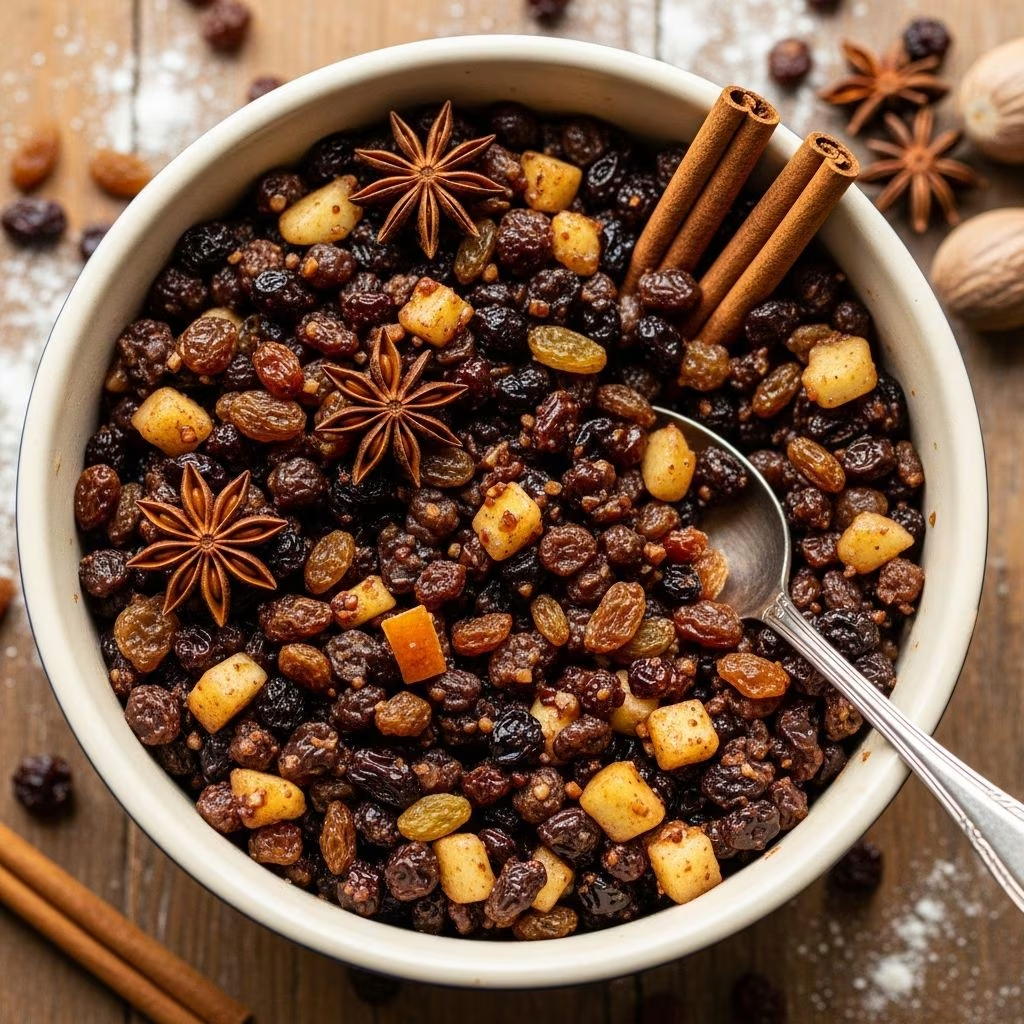
Dried fruits form the bulk of any mincemeat preparation. The most common selections include currants, which offer subtle sweetness and tender texture; raisins and golden raisins (sultanas), which provide robust fruity notes; and dried cranberries, apricots, or mixed peel, which introduce tartness and complexity. Fresh apples, typically Granny Smith or other cooking varieties, add moisture and natural acidity that balances the sweetness of the dried fruits.
Spicing plays an equally important role in distinguishing authentic mincemeat from simple fruit preserves. The spice blend typically incorporates cinnamon, nutmeg, allspice, cloves, ginger, and occasionally mace or coriander. These warm spices create the recognizable “Christmas” flavor profile that defines the filling and provides aromatic complexity.
Fat content determines the texture and richness of the final product. Traditional recipes call for beef suet, which is rendered kidney fat, though vegetarian adaptations substitute butter or other neutral fats. The fat helps distribute flavors throughout the mixture and contributes to the filling’s luxurious mouthfeel.
Spirits serve both flavor and preservation functions in mincemeat preparations. Brandy, whiskey, rum, amaretto, or Grand Marnier are traditional choices that impart sophisticated notes while helping the mixture age gracefully. These alcoholic components create an environment that inhibits spoilage and allows flavors to develop.
Ingredient Selection and Variations
The beauty of homemade mincemeat lies in the flexibility to customize ingredients according to personal preferences and dietary restrictions. Understanding different options helps bakers create fillings that suit their specific needs.
| Ingredient Category | Traditional Options | Alternative Choices |
|---|---|---|
| Dried Fruits | Currants, raisins, golden raisins | Dried cranberries, apricots, chopped dates, figs |
| Fresh Fruit | Granny Smith apple | Other cooking apples, pears |
| Fat Component | Beef suet | Butter, coconut oil, vegetable shortening |
| Spices | Cinnamon, nutmeg, cloves, allspice | Pumpkin pie spice blend, ginger, cardamom |
| Spirits | Brandy, whiskey | Rum, amaretto, port wine, apple cider |
| Nuts | Almonds | Walnuts, pecans (or omit for allergies) |
Citrus components deserve particular attention, as lemon and orange zest and juice brighten the filling and prevent it from tasting cloying. Some recipes incorporate candied citrus peel, which adds texture and concentrated flavor. The acidity from citrus also helps preserve the mixture and balances the sweetness.
Sugar selection influences both flavor and texture. Recipes typically call for brown sugar or muscovado sugar, which provides deeper molasses notes compared to white sugar. The type and quantity of sugar affect how the filling sets as it cools and ages.
Step-by-Step Preparation Methods
Two primary approaches exist for preparing mincemeat filling, each producing slightly different results and requiring different timeframes.
Cold Preparation Method
The traditional cold method involves combining all ingredients except spirits in a bowl, mixing thoroughly, and allowing the mixture to mature over an extended period. This approach requires minimal cooking but demands patience. The process typically unfolds as follows:
- Combine dried fruits, grated fresh apple, sugar, lemon rind, and melted butter in a large bowl
- Add spice blend, cinnamon, and nutmeg, mixing thoroughly to distribute evenly
- Incorporate spirits, stirring well to ensure liquid distribution
- Cover the mixture and refrigerate for 24 hours
- Stir thoroughly on the following day
- Return to refrigeration for an additional 24 hours minimum
- Transfer to sterilized jars and seal tightly
- Store in the refrigerator for at least six months before using
This method suits bakers who can plan ahead and prefer minimal heat application. The extended resting period allows flavors to meld organically and spirits to permeate the fruit thoroughly.
Cooked Preparation Method
An alternative approach involves gently heating ingredients before jarring, which accelerates the flavor development process. This method produces mincemeat that is ready for use more quickly while still developing complexity over time. The typical procedure includes:
- Combine all ingredients except spirits in a medium-large saucepan
- Heat over low temperature, stirring occasionally until sugar and butter dissolve completely
- Maintain gentle heat for approximately 10 minutes, allowing flavors to begin melding
- Remove from heat and allow the mixture to cool to room temperature
- Stir in spirits after cooling is complete
- Spoon warm mincemeat into sterilized jars
- Seal tightly while still warm
The cooked method produces mincemeat with a slightly more unified texture while maintaining the individual character of each fruit component. Heating slightly dissolves sugar crystals and allows fat to distribute more evenly throughout the mixture.
Proper Storage and Aging
Mincemeat filling improves with age, with flavors becoming more rounded and integrated after several months of storage. Proper storage ensures both safety and optimal flavor development. Store prepared mincemeat in sterilized glass jars with airtight seals, positioned in the refrigerator or a cool pantry location. The minimum recommended aging period is six months, though many bakers prefer aging for eight to twelve months. During storage, the mixture continues to mature as spirits penetrate the fruits and flavors meld.
Sterilization of storage containers is essential for food safety and longevity. Wash jars thoroughly in hot soapy water, rinse completely, and either boil them for ten minutes or run them through a dishwasher on the hottest cycle. Allow containers to air-dry completely before filling to prevent introducing moisture that could promote spoilage.
Creating Mincemeat Pies and Tarts
Once the filling has matured adequately, it transforms into elegant holiday desserts through various pastry applications. A single batch of mincemeat typically yields enough filling for one standard 9-inch pie, approximately 16 individual mince tarts in a regular muffin pan, or approximately 60 mini pies in specialized tart tins.
To assemble pies, fill pastry-lined tins with mincemeat filling, top with a pastry lid or lattice, and brush the surface with milk or egg wash for a golden finish. Bake small pies at 375°F for 10 to 15 minutes until the pastry turns golden brown. Finish with a dusting of powdered sugar for a classic presentation.
Frequently Asked Questions
What is the difference between vegetarian and traditional mincemeat?
Traditional mincemeat often contains beef suet or minced meat as fat components, though modern recipes frequently omit these entirely or substitute with butter. Vegetarian versions rely exclusively on plant-based fats like butter or coconut oil while maintaining all other traditional components.
How long does homemade mincemeat last?
Properly stored mincemeat in sterilized jars kept in the refrigerator remains safe and flavorful for one to two years after preparation. The high sugar content, spirits, and acidic components from citrus and dried fruits create an environment that inhibits spoilage.
Can mincemeat be frozen?
Yes, mincemeat freezes well for extended periods. Transfer the filling to freezer-safe containers, leaving adequate headspace for expansion, and freeze for up to one year. Thaw in the refrigerator before using.
What spirits work best in mincemeat?
Brandy, whiskey, rum, and amaretto are traditional choices that create different flavor profiles. Brandy offers classic sophistication, whiskey adds warmth, rum contributes tropical notes, and amaretto introduces almond complexity. Port wine or apple cider provide alcohol-free alternatives, though they offer different preservation qualities.
Can pumpkin pie spice substitute for mixed spice?
Pumpkin pie spice blends contain similar warm spices and work effectively as a substitute, though they may produce slightly different flavor nuances. When substituting, eliminate the ground cinnamon from the recipe to avoid over-spicing.
Troubleshooting Common Issues
Understanding potential challenges helps bakers create successful mincemeat batches. If the mixture appears too dry after cooling, incorporate additional apple juice, cider, or spirits to achieve the desired consistency. Conversely, if the filling seems excessively loose, extend the resting period to allow flavors to concentrate and excess moisture to absorb into the fruits.
Crystallization sometimes occurs in stored mincemeat, which results from sugar concentration. Gentle warming in a water bath helps restore smooth texture. Mold or fermentation indicates improper sterilization or storage conditions; discard affected batches immediately.
Conclusion
Creating mincemeat pie filling at home represents an achievable culinary project that yields impressive results suitable for holiday celebrations and special occasions. The process combines accessible ingredients, straightforward techniques, and patience to produce a filling that surpasses commercial alternatives in complexity and personalization. Whether following a traditional recipe or adapting components to accommodate dietary preferences, homemade mincemeat filling demonstrates that exceptional holiday baking begins with understanding fundamental preparation methods and respecting the ingredient development timeline.
References
- Homemade Mincemeat Pie Filling Recipe — Christina’s Cucina. 2024. https://www.christinascucina.com/mincemeat-filling-for-pies-make-it-now/
- How to Make Your Own Mincemeat – Homemade Mince Pie Filling — Scrummy TV (YouTube). 2024. https://www.youtube.com/watch?v=OzzeKuYKP0Y
- Homemade Mincemeat — Irish American Mom. 2024. https://www.irishamericanmom.com/homemade-mincemeat/
- Traditional Mince Pie — The Daring Gourmet. 2024. https://www.daringgourmet.com/traditional-mince-pies/
- The Best Easy Homemade Mincemeat Recipe — An Edible Mosaic. 2024. https://www.anediblemosaic.com/homemade-mincemeat-recipe/
- Grandma’s Homemade Mincemeat Recipe — What’s Cooking America. 2024. https://whatscookingamerica.net/mincemeatgrandma.htm