Mexican chorizo stands as one of the most versatile and flavorful components in Mexican cuisine, bringing depth and complexity to dishes ranging from breakfast scrambles to festive taco fillings. Unlike its Spanish counterpart, which is a cured sausage, Mexican chorizo is fundamentally raw and requires cooking before consumption. Creating this beloved ingredient in your own kitchen unlocks an opportunity to customize flavors, control quality, and experience the satisfaction of artisanal food preparation.
Understanding Mexican Chorizo’s Distinctive Character
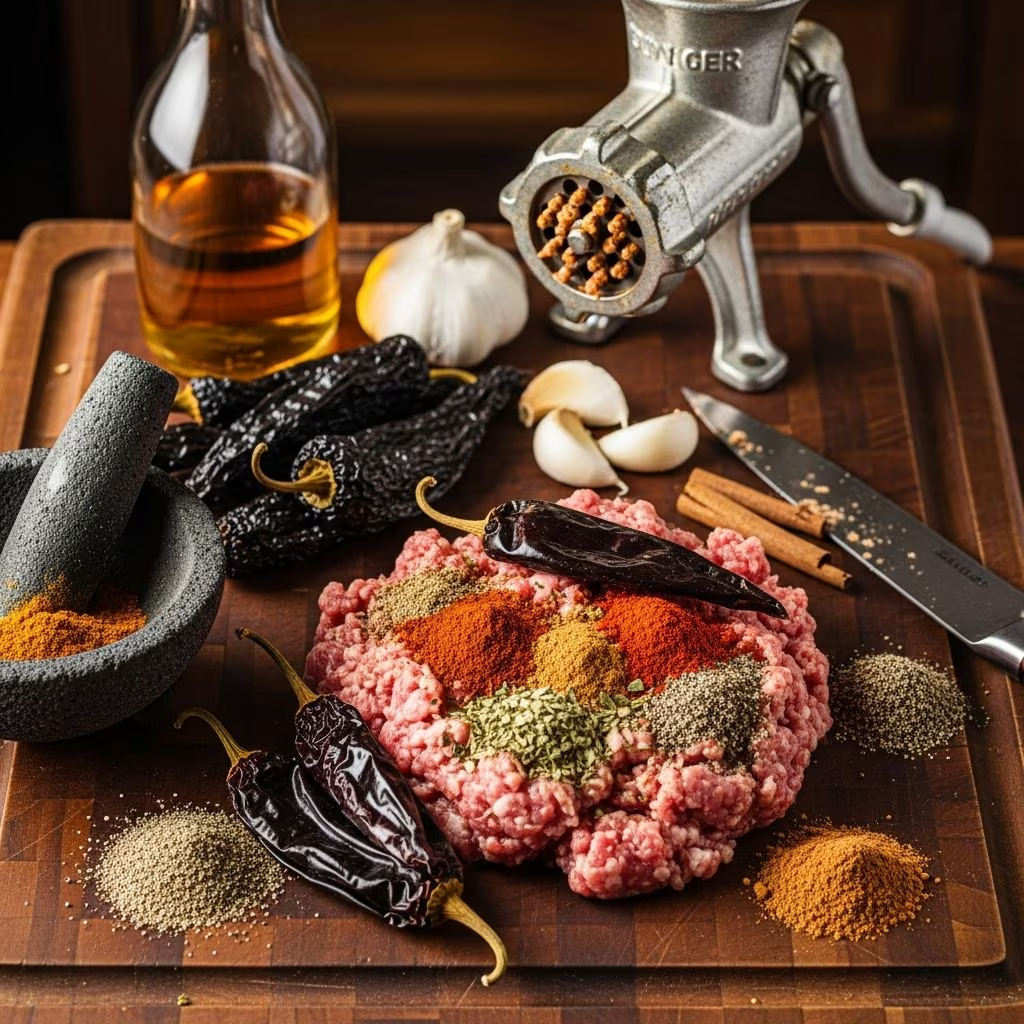
Mexican chorizo derives its distinctive profile from a carefully balanced combination of spices, chile peppers, and quality pork. The sausage is typically made with coarsely ground lean pork combined with pork fat, which provides the essential richness and texture characteristic of authentic chorizo. The spice blend—encompassing cumin, coriander, Mexican oregano, cloves, cinnamon, and various chiles—creates layers of flavor that develop and intensify during preparation and cooking.
The inclusion of vinegar serves multiple purposes in chorizo production. Beyond contributing a subtle tang that balances the richness of the pork and spices, vinegar acts as a natural preservative and helps develop the sausage’s complex flavor profile. Fresh garlic adds pungency and aromatic depth, while paprika contributes both color and a mild smoky undertone.
Essential Components for Homemade Production
Selecting Premium Pork
The foundation of exceptional chorizo begins with quality pork. Ground lean pork forms the bulk of the sausage, while ground pork fat—typically derived from pork belly—provides the necessary fat content for authentic texture and mouthfeel. The ratio of lean meat to fat significantly impacts the final product’s character. Most traditional recipes maintain a proportion of approximately three parts lean pork to one part pork fat, creating a balance that delivers both flavor and structural integrity.
The Spice Ensemble
Mexican chorizo’s complexity emerges from its sophisticated spice combination. Key components include:
- Cumin seeds – providing earthy warmth and foundational depth
- Coriander seeds – contributing citrus notes and aromatic brightness
- Whole cloves – delivering peppery, slightly sweet undertones
- Ground cinnamon – adding subtle warmth without sweetness
- Mexican oregano – offering herbaceous character distinct from Mediterranean varieties
- Bay leaves – enhancing aromatic complexity
- Ground black pepper – providing sharp finishing notes
- Dried thyme and marjoram – contributing floral, herbal dimensions
Chile Peppers and Their Roles
Chile peppers serve as critical flavor and color components. Ancho chiles, when dried and ground into powder, provide mild heat with fruity undertones. Guajillo peppers offer a brighter, tangier chile flavor. For those preferring additional heat, chipotle peppers deliver smoky spiciness. Paprika—particularly sweet paprika or smoked varieties—rounds out the chile profile while contributing visual appeal through its deep red coloring.
Step-by-Step Preparation Process
Ingredient Preparation
Begin by gathering all components and organizing your workspace. Whole spices benefit significantly from toasting before grinding, intensifying their aromatic properties. Toast cumin seeds, coriander seeds, and cloves in a dry skillet over medium heat for two to three minutes, shaking occasionally to prevent burning, until fragrant. Transfer toasted spices to a spice grinder or mortar and pestle, processing until finely ground. This step dramatically elevates the complexity compared to pre-ground spices.
Prepare dried chiles by removing stems and seeds, then tearing into pieces. Toast briefly in a dry pan for enhanced flavor development. Soak in hot water for approximately fifteen minutes until softened, then drain thoroughly. This preparation creates a pliable paste-like consistency ideal for blending.
Creating the Flavor Base
Combine the softened chiles with minced fresh garlic cloves and vinegar in a blender, processing until achieving a completely smooth consistency. This chile-garlic-vinegar mixture forms the aromatic foundation that distinguishes authentic chorizo from inferior versions.
Combining Components
In a large mixing bowl, combine the ground lean pork with ground pork fat. Add all ground and whole spices, sea salt, and freshly ground black pepper. Pour the chile mixture over the ingredients and, using your hands, thoroughly incorporate everything until evenly distributed. Proper mixing ensures consistent spice distribution throughout the chorizo.
Flavor Development Through Aging
Transfer the combined mixture into a glass container with a tight-fitting lid and refrigerate for at least one day, ideally twenty-four hours or longer. This resting period allows flavors to meld and develop greater cohesion. During this time, the salt begins breaking down proteins, creating better texture, while spices continue hydrating and releasing their essential oils.
Storage and Preservation Options
Freezing for Long-term Storage
After the initial aging period, divide the chorizo mixture into portions sized for your typical usage needs. Wrap portions individually in plastic wrap, then place in freezer bags, removing as much air as possible. Properly frozen chorizo maintains quality for several months, providing convenient access to freshly made sausage whenever needed.
Making Chorizo Links
For traditional link-style chorizo, you’ll need natural or artificial sausage casings. Soak natural casings in warm water for thirty minutes to soften. Using a sausage stuffer, carefully fill casings with the chorizo mixture, being careful not to overstuff, which can cause casings to burst during cooking. Tie off links at desired intervals using butcher’s twine or by twisting the casing. Links can be refrigerated for immediate use or frozen for extended storage.
Culinary Applications and Serving Methods
Traditional Breakfast Preparations
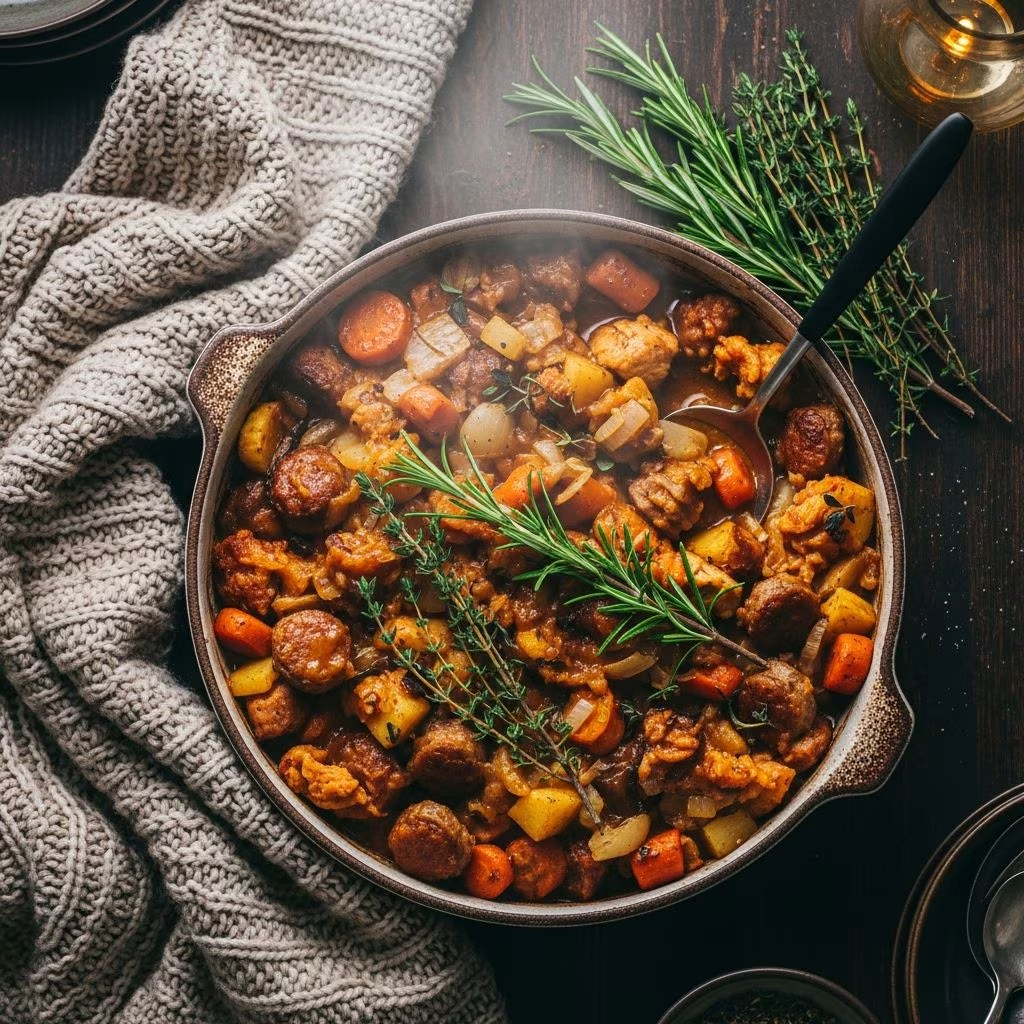
Chorizo and eggs represent perhaps the most iconic preparation. Crumble raw chorizo into a skillet and cook over medium heat, breaking it into smaller pieces as it cooks, until fully browned and fat renders. Add scrambled eggs, stirring gently until cooked through. Serve with warm tortillas, salsa, and fresh cilantro for an authentic Mexican breakfast experience.
Versatile Integration into Main Dishes
Mexican chorizo rice combines cooked chorizo with long-grain rice, creating a flavorful one-dish meal. Cook the sausage, then combine with rice cooked in chicken broth, adding diced tomatoes, corn, onions, and garlic. This dish complements tacos, quesadillas, and burritos perfectly.
Chorizo hash represents another satisfying preparation, combining cooked chorizo with diced potatoes, onions, and bell peppers. This hearty combination works equally well for breakfast or lunch service.
Specialty Dishes
Tinga Poblana—a classic Mexican stew—benefits greatly from chorizo’s contributions. The sausage adds richness and spice to this dish of shredded chicken, tomatoes, and chipotles. Chorizo also elevates traditional huevos rancheros, the iconic Mexican breakfast of fried eggs nestled in red sauce, with its savory depth.
Ingredient Selection and Quality Considerations
| Component | Quality Indicator | Sourcing Recommendation |
|---|---|---|
| Lean Pork | Freshly ground, not pre-packaged | Butcher counter or specialty meat shop |
| Pork Fat | Freshly ground pork belly | Request from butcher if not displayed |
| Whole Spices | Vibrant color, aromatic fragrance | Specialty markets or direct from bulk bins |
| Dried Chiles | Pliable texture, rich color | Mexican markets or specialty retailers |
| Fresh Garlic | Firm bulbs without sprouting | Farmers markets or grocery produce sections |
| Vinegar | Pure apple cider or white vinegar | Standard grocery stores |
Frequently Asked Questions
Can I Substitute Ingredients in the Spice Blend?
While chorizo’s character derives from its specific spice combination, minor substitutions are possible. However, maintaining the balance between warm spices (cinnamon, cloves), aromatic components (oregano, cumin), and chile peppers proves essential. Significant alterations may result in a product that no longer qualifies as authentic Mexican chorizo.
How Long Can Homemade Chorizo Be Stored?
Fresh chorizo mixture lasts approximately three to five days in the refrigerator. Frozen chorizo maintains quality for three to four months when properly wrapped and stored at zero degrees Fahrenheit or below. Cooked chorizo remains fresh for three to four days refrigerated or up to two months frozen.
Is Equipment Beyond Basic Kitchen Tools Necessary?
A sausage stuffer facilitates making link-style chorizo but remains optional. A spice grinder or mortar and pestle significantly improves flavor development compared to pre-ground spices. A blender adequately processes the chile-garlic-vinegar mixture. Most home cooks possess these basic tools already.
What Distinguishes Homemade from Commercial Chorizo?
Homemade chorizo typically contains higher-quality ingredients with greater control over ingredient ratios and freshness. Commercial varieties sometimes include additional preservatives, fillers, or excessive sodium. Homemade versions allow customization of heat levels and spice intensity according to personal preference.
Can Vegetarian or Alternative Protein Versions Be Prepared?
While traditional chorizo centers on pork, creative cooks have developed versions using ground turkey, chicken, or plant-based proteins. However, these variations produce distinctly different products that don’t technically qualify as authentic Mexican chorizo, though they may provide satisfactory alternatives for dietary restrictions.
Mastering the Craft Through Practice and Refinement
Creating authentic Mexican chorizo at home rewards practitioners with unparalleled flavor and quality control. The process, while involving multiple components and steps, remains fundamentally straightforward and accessible to home cooks of varying skill levels. Each batch provides opportunities for refinement—adjusting spice ratios, experimenting with different chile varieties, or modifying fat content to achieve personal preferences.
The satisfaction derived from preparing this cornerstone Mexican ingredient extends beyond mere culinary accomplishment. Homemade chorizo becomes a gateway to deeper appreciation for Mexican cooking traditions, encouraging exploration of complementary recipes and techniques. Whether enjoyed in simple breakfast preparations or as a component in elaborate dishes, chorizo crafted with care, quality ingredients, and authentic techniques elevates every meal it graces.
References
- How to Make Mexican Chorizo (Receta Para Chorizo Mexicano) — Mexico in My Kitchen. Accessed April 2026. https://www.mexicoinmykitchen.com/chorizo-mexicano/
- BEST Mexican Chorizo Recipe – The Daring Gourmet — The Daring Gourmet. Accessed April 2026. https://www.daringgourmet.com/easy-homemade-mexican-chorizo/
- Authentic Homemade Mexican Chorizo — Honest Cooking and Travel. Accessed April 2026. https://honestcooking.com/authentic-homemade-mexican-chorizo/
- Mexican Chorizo Rice — Spicy Southern Kitchen. Accessed April 2026. https://spicysouthernkitchen.com/mexican-chorizo-rice/
- Gran Luchito Mexican Chorizo Recipes — Gran Luchito. Accessed April 2026. https://gran.luchito.com/recipes/mexican-chorizo/