Mango chutney stands as a cornerstone of Indian cuisine, blending the tropical sweetness of ripe mangoes with a symphony of warm spices and tangy vinegar. This versatile condiment elevates everything from simple curries to grilled meats and cheese boards. Whether you’re a novice cook or a seasoned home chef, mastering mango chutney opens doors to endless culinary creativity. In this guide, we’ll explore its origins, essential ingredients, foolproof recipes, customization options, storage techniques, and innovative serving suggestions.
The Allure of Mango Chutney in Global Kitchens
Originating from the Indian subcontinent, chutneys have evolved from simple fruit preserves to sophisticated accompaniments enjoyed worldwide. Mango chutney, in particular, captures the essence of summer with its sticky texture and balanced flavors—sweet from the fruit and sugar, sharp from vinegar, and aromatic from spices like garam masala, ginger, and chili. Unlike store-bought versions loaded with preservatives, homemade chutney allows precise control over sweetness, heat, and chunkiness, ensuring a fresher, more vibrant taste.
Its popularity stems from adaptability. In Indian households, it’s a staple alongside rice and dal, while in Western fusion cooking, it glazes meats or flavors sandwiches. The slow simmering process caramelizes sugars and melds spices, creating a preserve that lasts months when canned properly.
Selecting the Best Ingredients for Superior Flavor
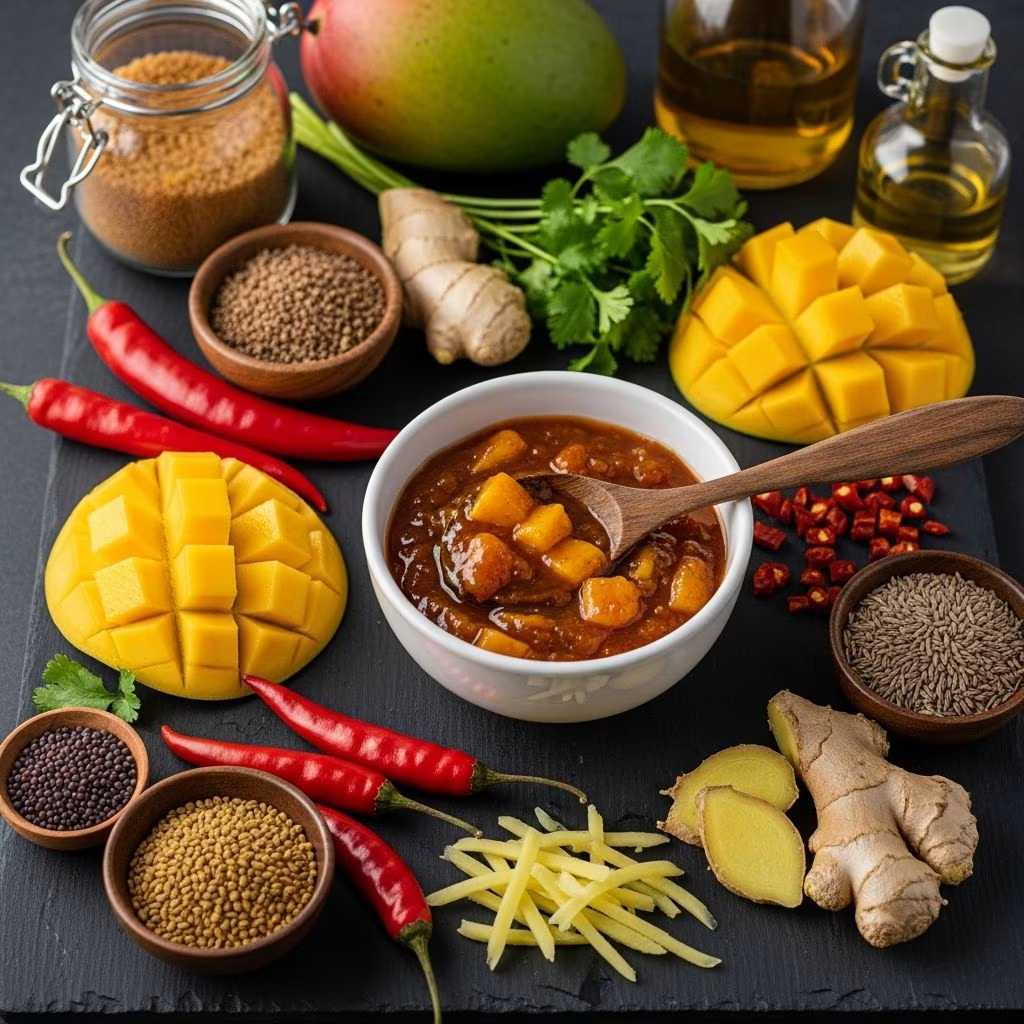
Quality starts with ripe but firm mangoes—look for varieties like Ataulfo or Alphonso that yield juicy, fragrant flesh without being mushy. Greenish mangoes add tartness, ideal for sharper chutneys, while fully ripened ones emphasize sweetness.
Key components include:
- Vinegar: White wine, apple cider, or red wine vinegar provides acidity to balance sweetness and aid preservation. Apple cider adds subtle fruitiness.
- Sweeteners: Dark brown sugar for molasses depth or white sugar for purity; maple syrup or honey offers natural alternatives.
- Aromatics: Fresh ginger, garlic, and diced onions form the base, sautéed to release oils.
- Spices: Garam masala for complexity, or individual blends like cumin, coriander, turmeric, cardamom, cloves, and cinnamon. Mustard seeds and chili flakes introduce pops of heat.
- Add-ins: Golden raisins for chewiness and texture contrast.
Avoid overripe mangoes, as they can make the chutney watery. Fresh spices ensure bold flavors over pre-ground versions that lose potency quickly.
Classic Homemade Mango Chutney Recipe
This foundational recipe yields about 4-5 jars, perfect for gifting or stocking your pantry. Prep time: 20 minutes. Cook time: 1.5-2 hours. Total: ~2 hours.
Ingredients (Makes 4 pints)
| Ingredient | Quantity |
|---|---|
| Ripe mangoes, peeled and diced | 5 large (about 3 kg) |
| Dark brown sugar | 1.5 cups |
| White sugar | 1 cup |
| Apple cider vinegar | 1.25 cups |
| Red onion, finely diced | 1 medium |
| Fresh ginger, grated | 2-inch piece |
| Garlic cloves, minced | 3 |
| Brown mustard seeds | 1 tsp |
| Garam masala | 1/2 tsp |
| Red chili flakes | 1/2 tsp (adjust for heat) |
| Salt | 1 tsp |
Step-by-Step Instructions
- Heat 2 tbsp oil or ghee in a large pot over medium heat. Sauté diced onion, garlic, and ginger for 3-4 minutes until softened and fragrant.
- Add mustard seeds, garam masala, and chili flakes. Stir for 1 minute to bloom the spices.
- Incorporate diced mangoes, sugars, vinegar, and salt. Bring to a boil, then reduce to low simmer.
- Cook uncovered for 1.5-2 hours, stirring occasionally. The mixture will thicken and darken as sugars caramelize.
- Mash larger mango chunks with a potato masher for desired texture—chunky or smooth. Simmer 10 more minutes.
- Cool slightly, then ladle into sterilized jars. Seal and store.
Pro tip: For canning safety, process jars in a boiling water bath for 10 minutes to extend shelf life up to a year.
Quick 25-Minute Mango Chutney Variation
Craving chutney fast? This streamlined version skips long simmering for a fresh, vibrant result using just six core ingredients. Ideal for weeknights.
Ingredients (Serves 8)
- 2 ripe mangoes, diced
- 1/2 red onion, diced
- 2 tsp grated ginger
- 1 garlic clove, minced
- 1/4 cup maple syrup
- 1/4 cup red wine vinegar
- Salt, pepper, optional spices (coriander, cinnamon, chili powder)
Method
- Combine all in a heavy pan over low-medium heat.
- Cook 20-25 minutes, stirring until thickened. Mash or blend for smoothness.
- Cool and refrigerate. Best used within 2 weeks.
This version shines in its simplicity, highlighting mango’s natural sweetness without overpowering spices.
Customizing Your Chutney: Flavors and Textures
Tailor chutney to your palate:
- Spicy Kick: Add fresh chilies or extra flakes.
- Fruity Twist: Mix in raisins, dates, or apples.
- Herbal Note: Fresh cilantro or mint post-cook.
- Smoky Depth: Smoked paprika or roasted garlic.
- Texture Play: Leave chunky for dips or blend silky for glazes.
Experiment with vinegars—balsamic for richness or rice vinegar for subtlety. Reduce sugar for low-sugar versions using stevia.
Storage and Preservation Best Practices
Fresh chutney lasts 2-3 weeks refrigerated. For longer storage:
- Freezing: Portion into ice cube trays; freeze and transfer to bags for up to 6 months.
- Canning: Use water bath method on sterilized jars. Check seals before storing in a cool, dark place.
Signs of spoilage: mold, off odors, or fizzing. Always use clean utensils to avoid contamination.
Creative Ways to Use Mango Chutney Beyond Curry
Mango chutney’s versatility extends far:
- Grilled Meats: Brush on chicken or pork for caramelized glaze.
- Sandwiches: Spread on turkey clubs or veggie wraps.
- Cheese Pairing: Serve with sharp cheddar or brie on crackers.
- Stir-Fries: Add to veggie or shrimp stir-fries for sauce base.
- Dipping Sauce: Thin with yogurt for samosa dip.
- Baking: Swirl into cornbread batter or top naan pizzas.
In fusion recipes, it marinates salmon or flavors burger patties, proving its global appeal.
Nutrition and Health Benefits
Per 2 tbsp serving: ~80 calories, rich in vitamin C from mangoes, antioxidants from spices. Vinegar aids digestion; ginger soothes stomachs. Opt for less sugar to maximize benefits.
Frequently Asked Questions (FAQs)
Can I use frozen mangoes?
Yes, thaw and drain excess liquid first. They work well in cooked chutneys.
Is mango chutney vegan?
Absolutely, as long as you skip ghee and use maple syrup over honey.
How do I fix runny chutney?
Simmer longer or add pectin. For next batch, use firmer mangoes.
What’s the difference between Major Grey’s and standard chutney?
Major Grey’s is milder, sweeter, often with raisins—adapt by reducing chilies.
Can I pressure can it?
Yes, follow USDA guidelines for low-acid foods, though water bath suffices for this recipe.
References
- Homemade Mango Chutney Recipe — Nicky’s Kitchen Sanctuary. 2023-05-12. https://www.kitchensanctuary.com/mango-chutney-recipe/
- Mango Chutney Recipe — Silk Road Recipes. 2022-11-08. https://silkroadrecipes.com/mango-chutney-recipe/
- Indian Mango Chutney — The Daring Gourmet. 2021-06-15. https://www.daringgourmet.com/indian-mango-chutney/
- Easy Mango Chutney — Savory Spin. 2023-02-20. https://savoryspin.com/easy-mango-chutney/
- 5 New Ways to Use Up Mango Chutney — Cottage Delight Blog. 2022-09-10. https://www.cottagedelight.co.uk/blog/5-new-ways-to-use-up-mango-chutney/