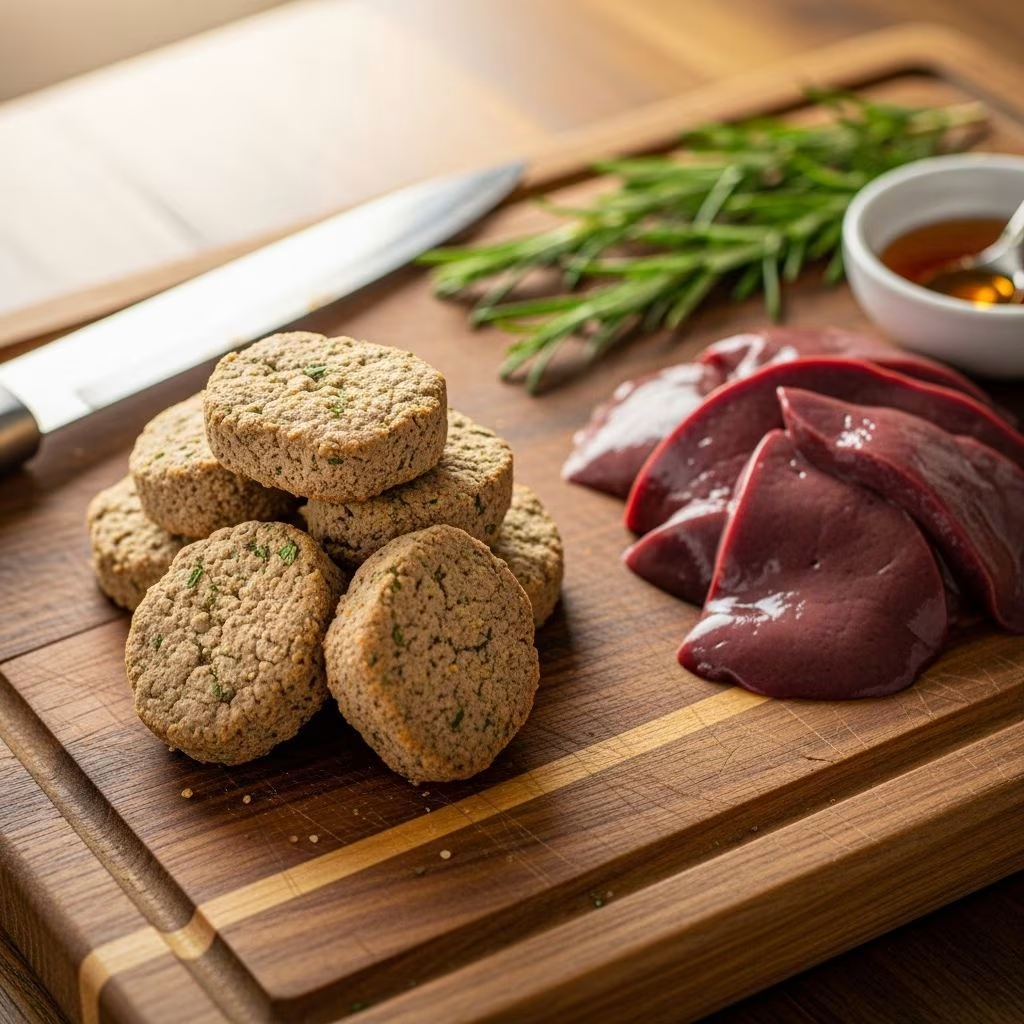
Creating treats for your canine companion doesn’t require expensive commercial products or complex preparation methods. Liver-based treats offer an excellent foundation for homemade dog snacks that are both affordable and nutrient-dense. This guide explores practical approaches to preparing organ meat treats that will have your dog excited at treat time while providing genuine nutritional benefits.
Understanding the Nutritional Value of Liver for Dogs
Liver stands out as a nutritional powerhouse for canine diets. This organ meat delivers substantial protein content, which supports muscle development and maintenance in dogs of all ages and activity levels. Beyond protein, liver provides essential vitamins and minerals that contribute to overall health and wellness.
Iron, vitamin A, and B-complex vitamins are particularly abundant in liver, making these treats valuable supplements to a balanced diet. The vitamin A content supports eye health and vision, while B vitamins assist in energy metabolism and nervous system function. For dogs recovering from illness or requiring nutritional support, liver-based treats offer concentrated nutrition in small portions.
The palatability of liver makes these treats especially effective for training purposes. Dogs typically find liver highly desirable, making treats derived from this ingredient particularly useful for reinforcing positive behaviors during training sessions.
Selecting Quality Liver and Preparation Essentials
The foundation of any excellent homemade dog treat begins with ingredient selection. When sourcing liver, prioritize fresh options from reputable butchers or grocery stores. Both beef and chicken liver work effectively, though some dogs may show preference for one over the other. Experiment with different types to determine what your individual dog enjoys most.
Preparation begins with thorough rinsing under cool water to remove surface contaminants. Using a sharp knife, carefully trim any discolored portions or connective tissue before processing. This step ensures your final treats contain only wholesome, palatable liver material.
Many recipes benefit from using a food processor to achieve the desired consistency. Pulsing liver until it reaches a fine paste-like texture integrates it smoothly with other ingredients, creating treats with consistent quality throughout.
Essential Ingredients for Basic Liver Treat Formulations
Creating liver treats requires only a handful of basic ingredients that serve specific functions in the final product:
- Liver: The primary protein source, typically ranging from 1/2 to 3/4 pound depending on batch size
- Flour base: Whole wheat flour or brown rice flour provides structure and helps bind ingredients
- Binder: Eggs help hold the mixture together and add nutritional value
- Healthy oil: Coconut oil, olive oil, or other canine-friendly options add moisture and essential fatty acids
- Optional additions: Oats, vegetables, and herbs enhance nutrition and create texture variation
The ratio of these ingredients affects the final texture and baking requirements. A mixture with more liver content produces denser, more protein-concentrated treats, while additional flour creates crunchier results.
Step-by-Step Preparation for Baked Liver Treats
The process for creating baked liver treats follows a straightforward progression. Begin by preheating your oven to 325 to 350 degrees Fahrenheit, depending on your specific recipe and desired texture.
In a food processor, finely chop oats if your recipe includes them, then transfer to a mixing bowl and combine with your selected flour. Process the liver until it reaches a fine paste consistency, then add eggs and oil to the food processor, blending until fully incorporated.
Combine the liver mixture with the flour mixture in a large bowl, stirring thoroughly until everything is evenly distributed. The resulting consistency should be workable but not overly dry or excessively wet.
Spread the mixture onto a parchment-lined baking sheet, then bake for 30 to 40 minutes until the surface is firm and lightly browned. Allow the baked sheet to cool completely before cutting into bite-sized squares appropriate for your dog’s size.
Alternative Preparation Methods
While baking is the most common approach, other preparation techniques offer different results and convenience factors.
Dehydration Approach
Simple sliced liver treats represent the minimalist option. Thin-slice fresh liver and arrange on a dehydrator tray, processing for approximately 6 hours until completely dry. These treats require no additional ingredients and provide pure liver nutrition. If a dehydrator isn’t available, low-temperature oven roasting achieves similar results, though monitoring prevents burning.
Two-Ingredient Formula
For maximum simplicity, combine 1/2 cup whole wheat flour with 3/4 cup chicken liver in a food processor until smooth. Distribute the mixture evenly into silicone molds and bake at 350 degrees for 15 minutes. This approach eliminates multiple steps while maintaining nutritional benefits.
Incorporating Complementary Ingredients
Beyond basic formulations, numerous additions enhance nutritional profiles and create variety:
| Ingredient | Benefit | Typical Amount |
|---|---|---|
| Cooked carrots or sweet potato | Added fiber and vitamins | 1 cup per batch |
| Canned pumpkin | Digestive support | 1 cup as carrot substitute |
| Oats | Fiber and sustained energy | 1 cup (optional) |
| Flax seeds | Omega-3 fatty acids | 2 tablespoons |
| Fresh herbs (parsley, thyme) | Antioxidants and palatability | 2 teaspoons |
When adding vegetables, ensure they’re thoroughly cooked and finely processed to integrate seamlessly with the liver mixture. Herbs should be fresh or dried culinary varieties, never ornamental herbs or those toxic to dogs.
Flavor Variations and Customization Options
Creating variety prevents treat monotony and allows you to match treats to your dog’s preferences. Some dogs show particular enthusiasm for specific flavor combinations, making experimentation worthwhile.
A turmeric-enhanced version provides anti-inflammatory properties, adding 1 teaspoon of ground turmeric to your mixture. This golden spice pairs well with liver and offers potential wellness benefits for aging dogs or those with joint concerns.
Vegetable-forward variations substitute a portion of liver with cooked vegetables. A carrot-based formula might include 1 cup of cooked carrots instead of or alongside liver, creating lighter treats suitable for dogs requiring lower-calorie options.
For dogs with sensitive digestion, brown rice flour substituted for wheat flour creates a gentler treat option. Brown rice provides similar structural benefits without potential grain sensitivity concerns.
Baking Guidelines and Temperature Considerations
Successful treat creation depends on understanding how oven temperature affects the final product. Lower temperatures around 325 degrees produce softer, chewier treats with extended baking times. Higher temperatures around 350 degrees create crunchier results in shorter timeframes.
Baking times vary based on mixture thickness and ingredient composition. Thinner spreads bake faster than thicker applications, so adjust your timing accordingly. The treats are finished when the surface is firm and no longer tacky to the touch.
Avoid overbaking, which creates excessively hard treats that may be difficult for some dogs to consume, particularly seniors or dogs with dental concerns. Slightly underbaked treats remain more palatable and easier on teeth.
Storage Methods and Shelf Life
Proper storage extends the usability of your homemade treats while maintaining food safety. Fully cooled treats store well in the refrigerator for up to two weeks in an airtight container. This timeframe assumes proper cooling and prompt storage in sealed containers to prevent moisture loss and contamination.
For longer storage, freeze treats in freezer-safe containers for up to three months. The freezing process preserves nutritional value while preventing spoilage. Many dog owners freeze treats in ice cube trays or small portions for convenient thawing and serving.
Room temperature storage is not recommended for liver-based treats due to the protein content and potential bacterial growth, particularly in warm environments. Always store in cool conditions to ensure your dog’s safety.
Portion Sizing and Serving Recommendations
Determining appropriate treat portions depends on your dog’s size, age, and overall caloric intake. Treats should comprise no more than 10 percent of daily calories, with the remaining 90 percent coming from balanced main meals.
For small dogs, cut treats into 1/2 to 3/4 inch squares, while medium and large dogs can handle 1 to 1.5 inch pieces. Training treats benefit from being smaller, allowing multiple rewards without excessive calorie consumption.
Puppies, senior dogs, and those with health conditions may require portion adjustments. Consult your veterinarian about appropriate treat quantities for dogs with specific dietary needs or medical conditions.
Troubleshooting Common Issues
Sometimes homemade treat preparation presents challenges. If your mixture seems too dry, add water or oil in small increments to improve workability. If the mixture is too wet, incorporate additional flour gradually until reaching the proper consistency.
Treats that spread excessively during baking indicate insufficient flour or too much oil. Conversely, treats that remain too soft after baking may need longer cooking times or slightly higher oven temperatures. Keep notes on your specific oven’s behavior to refine results over time.
If your dog refuses the treats, experiment with different liver types or additional flavoring elements. Some dogs prefer beef liver over chicken liver, or vice versa. Adding small amounts of broth or adjusting texture can increase palatability.
Frequently Asked Questions
Can I use raw liver in these treats?
While some recipes incorporate raw liver blended with other ingredients, baking the mixture thoroughly ensures food safety. Raw or undercooked liver carries potential bacterial risks, making fully cooked treats the safer option for most households.
Are these treats suitable for dogs with allergies?
Liver treats can work for allergic dogs if you use ingredients matching their dietary restrictions. Substituting wheat flour with brown rice flour or using other hypoallergenic bases accommodates various allergies. Always consult your veterinarian about appropriate ingredients for dogs with specific food sensitivities.
How much liver should I include per treat?
Liver should comprise 20 to 40 percent of the final treat mixture by weight. A 1/2 pound of liver typically creates 40 to 50 treats, with each treat containing approximately 1/4 ounce of liver. This provides meaningful nutritional benefit without excessive portions.
Can I make treats for multiple dogs at once?
Recipes easily scale up to accommodate multiple dogs. Double or triple the ingredient quantities, but maintain the same ingredient ratios and baking times. Larger batches may require slightly longer baking, so monitor for proper doneness.
What’s the best way to introduce these treats to my dog?
Begin with small quantities to ensure your dog tolerates the treats well. Most dogs enthusiastically accept liver treats, but introducing new foods gradually prevents digestive upset. Start with one or two treats spaced throughout the day.
Nutritional Considerations and Veterinary Guidance
While liver treats offer excellent nutritional benefits, they should complement rather than replace balanced commercial dog food or veterinarian-prescribed diets. Dogs with specific health conditions may have dietary restrictions requiring veterinary oversight.
Liver contains purines, compounds that may affect dogs prone to certain urinary conditions or gout. Dogs with these conditions should consume liver treats in moderation or avoid them entirely, depending on veterinary recommendations.
Senior dogs, puppies, and those with digestive sensitivities benefit from gradual introduction and smaller portions. Your veterinarian can provide guidance on appropriate treat quantities based on your individual dog’s health status and nutritional needs.
Making the Transition to Homemade Treats
Switching from commercial treats to homemade liver treats offers several advantages. You control all ingredients, eliminating artificial additives and preservatives common in commercial products. Cost-effectiveness improves when purchasing liver in bulk from butchers or stores offering discounted organ meats.
The time investment is minimal compared to the quality benefits. Most recipes require less than 45 minutes from preparation to cooling, yielding treats lasting weeks when properly stored.
Your dog receives treats made with genuine care and whole food ingredients, creating a direct connection between your effort and your pet’s wellbeing. This personal touch adds intangible value beyond the nutritional advantages.
References
- Nutritional Values of Organ Meats for Dogs — American Veterinary Medical Association. https://www.avma.org/resources-tools/pet-owners/petcare
- Homemade Pet Food Safety Guidelines — U.S. Food and Drug Administration. https://www.fda.gov/animal-veterinary/animal-health-literacy/food-safety-your-pets
- Safe Herbs and Spices for Dogs — The Kennel Club. https://www.thekennelclub.org.uk/health/health-hub/safe-food-for-dogs/