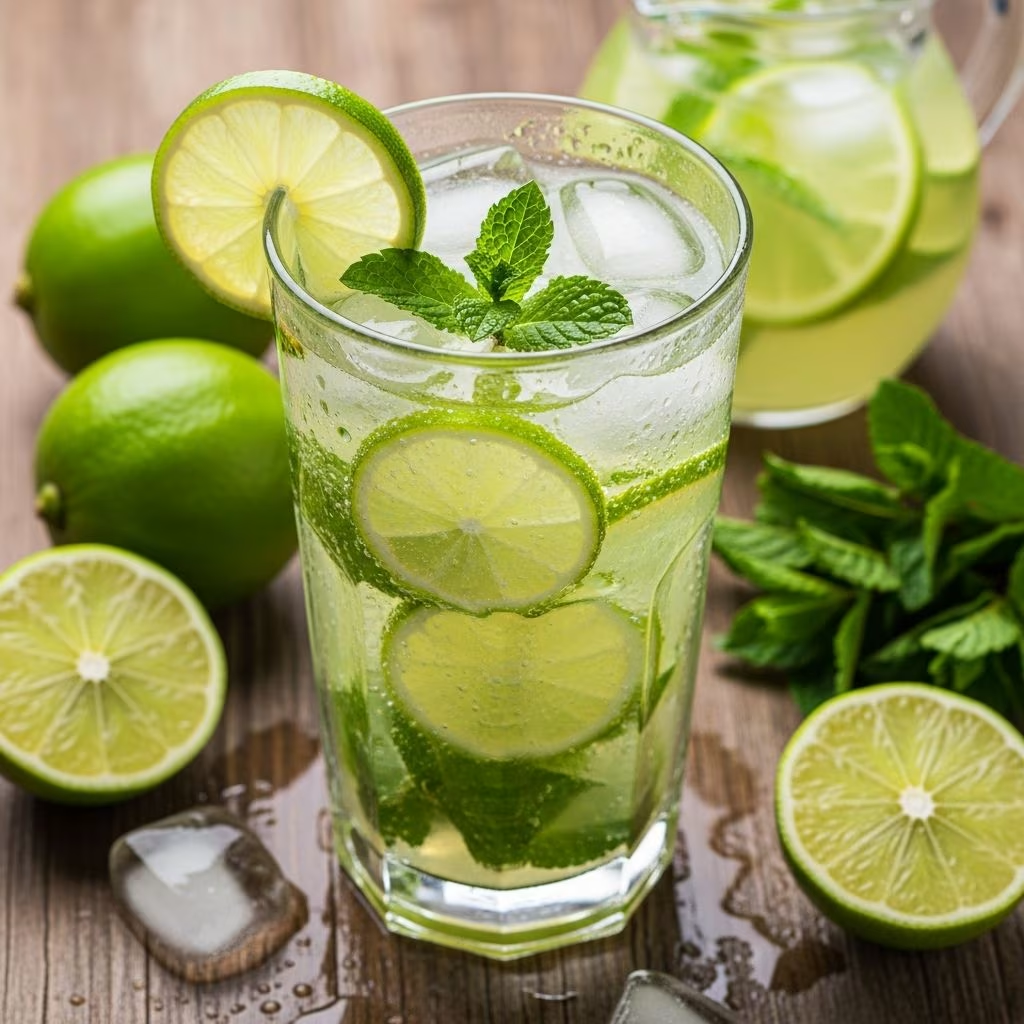
Nothing beats the invigorating taste of a freshly made limeade on a warm day. This timeless citrus drink combines the sharp tang of limes with just the right amount of sweetness, creating a beverage that’s both hydrating and delightful. Whether you’re hosting a backyard barbecue or simply craving something cool and crisp, mastering limeade at home opens up endless possibilities for flavor exploration.
Why Choose Homemade Limeade?
Making limeade from scratch allows you to control every element, from sweetness levels to ingredient freshness. Store-bought versions often contain artificial additives and excessive sugar, but your homemade batch can highlight natural lime essence. Limes are rich in vitamin C, antioxidants, and essential oils that promote digestion and boost immunity, according to nutritional data from the USDA. A single lime provides about 20% of your daily vitamin C needs, making this drink a healthy choice alongside its refreshing qualities.
Essential Ingredients for Perfect Limeade
The beauty of limeade lies in its simplicity. Here’s what you’ll need for a basic batch serving 4-6 people:
- Fresh limes: 8-10 medium limes for optimal juice yield (about 1 cup).
- Granulated sugar or alternative: 1 to 1.5 cups, adjustable to taste. Honey or agave works for natural options.
- Water: 4-6 cups cold water, plus extra for dissolving sugar.
- Ice: Plenty for serving chilled.
- Optional enhancements: Mint leaves, cucumber slices, or sparkling water for fizz.
Select limes that are firm, vibrant green, and slightly soft to the touch for maximum juiciness. Avoid overly hard or wrinkled ones, as they yield less juice.
Step-by-Step Guide to Classic Limeade
- Prepare the simple syrup: In a saucepan, combine 1 cup sugar with 1 cup water. Heat over medium until sugar dissolves completely, stirring occasionally. This prevents graininess in your drink. Cool it down before proceeding.
- Juice the limes: Roll limes on a counter to loosen juices inside. Cut in half and juice using a hand juicer or citrus press. Strain pulp if you prefer clarity.
- Mix the base: In a large pitcher, stir together lime juice, cooled simple syrup, and 4 cups cold water. Taste and adjust—add more water for milder flavor or extra syrup for sweetness.
- Chill and serve: Refrigerate for at least 30 minutes. Serve over ice, garnished with lime wheels or fresh herbs.
This method yields a balanced limeade with about 100-120 calories per serving, depending on sugar used. It’s ready in under 15 minutes of active time.
Creative Variations to Elevate Your Limeade
Once you’ve nailed the classic, experiment with these twists to suit any mood or occasion.
Tropical Limeade
Infuse your limeade with pineapple juice (1 cup) and coconut water (2 cups) instead of plain water. Blend in diced mango for a smoothie-like texture. This version evokes beachside vibes and adds natural sweetness from fruits.
Spicy Jalapeño Limeade
For a kick, muddle 1-2 sliced jalapeños into the simple syrup. Strain after steeping for 10 minutes. The heat pairs surprisingly well with lime’s acidity, popular in Mexican-inspired drinks.
Sparkling Herbal Limeade
Swap still water for sparkling water and add a handful of basil or rosemary. Muddle herbs lightly before mixing. This effervescent option is ideal for brunch or as a cocktail base.
Low-Sugar Keto-Friendly Version
Use stevia or monk fruit sweetener and sparkling water. Incorporate a splash of lemon for complexity. Each serving drops to under 20 calories while retaining bold flavor.
These variations maintain the core limeade profile but introduce new dimensions, ensuring your drink never gets boring.
Pro Tips for Limeade Perfection
- Juicing hacks: Microwave limes for 10-15 seconds to boost juice output by up to 30%.
- Sweetener science: Simple syrup integrates better than loose sugar; experiment with brown sugar for a caramel note.
- Storage: Limeade keeps in the fridge for 2-3 days. Freeze in ice cube trays for long-term use without dilution.
- Scaling up: Double ingredients for parties, but juice limes fresh on the day for best taste.
Nutritional Profile and Health Benefits
Limeade isn’t just tasty—it’s a nutritional powerhouse. A USDA analysis shows fresh lime juice delivers vitamin C (29mg per 100g), potassium, and folate. These support immune function, heart health, and skin vitality. Hydration from the water base aids metabolism, especially when infused with electrolytes like a pinch of sea salt.
| Nutrient | Amount | % Daily Value* |
|---|---|---|
| Calories | 110 | 6% |
| Vitamin C | 15mg | 17% |
| Potassium | 120mg | 3% |
| Total Sugars | 25g | – |
*Based on 2,000 calorie diet. Data approximated from USDA FoodData Central.
Pairing Limeade with Meals and Cocktails
Limeade’s versatility shines in pairings. Serve with grilled seafood or tacos to cut richness. For adults, mix 1 part limeade with 2 parts tequila or rum for margaritas or daiquiris. Non-alcoholic mocktails with ginger beer add spice.
Frequently Asked Questions (FAQs)
- Can I make limeade without sugar?
- Yes! Use natural sweeteners like stevia, erythritol, or fruit juices. Adjust quantities to taste.
- How long does homemade limeade last?
- Up to 3 days in the fridge. Freeze for up to 1 month.
- Key limes vs. Persian limes—which is best?
- Key limes offer floral notes but are smaller; Persian are juicier and easier for large batches.
- Is limeade good for weight loss?
- In moderation, yes—low-calorie versions hydrate and curb sweet cravings with minimal calories.
- Can I use bottled lime juice?
- Fresh is superior for flavor, but bottled works in a pinch. Opt for 100% juice without additives.
Seasonal Twists for Year-Round Enjoyment
Adapt limeade to seasons: Add apple cider in fall for warmth, or freeze into popsicles in summer. During holidays, rim glasses with chili salt for festive flair. These ideas keep the drink relevant all year.
In conclusion, homemade limeade is more than a beverage—it’s a canvas for creativity and health. With fresh ingredients and a few techniques, you’ll craft drinks that impress and refresh. Start with the classic recipe today and let your imagination run wild.
References
- National Nutrient Database for Standard Reference Legacy Release — USDA Agricultural Research Service. 2018-12-01. https://fdc.nal.usda.gov/
- Lime, raw – Nutrition Facts — USDA FoodData Central. 2023-04-15. https://fdc.nal.usda.gov/fdc-app.html#/food-details/169257/nutrients
- Citrus Fruits: Health Benefits and Nutrition — Harvard T.H. Chan School of Public Health. 2024-02-20. https://www.hsph.harvard.edu/nutritionsource/food-features/citrus-fruits/
- Vitamin C — NIH Office of Dietary Supplements. 2024-09-01. https://ods.od.nih.gov/factsheets/VitaminC-HealthProfessional/