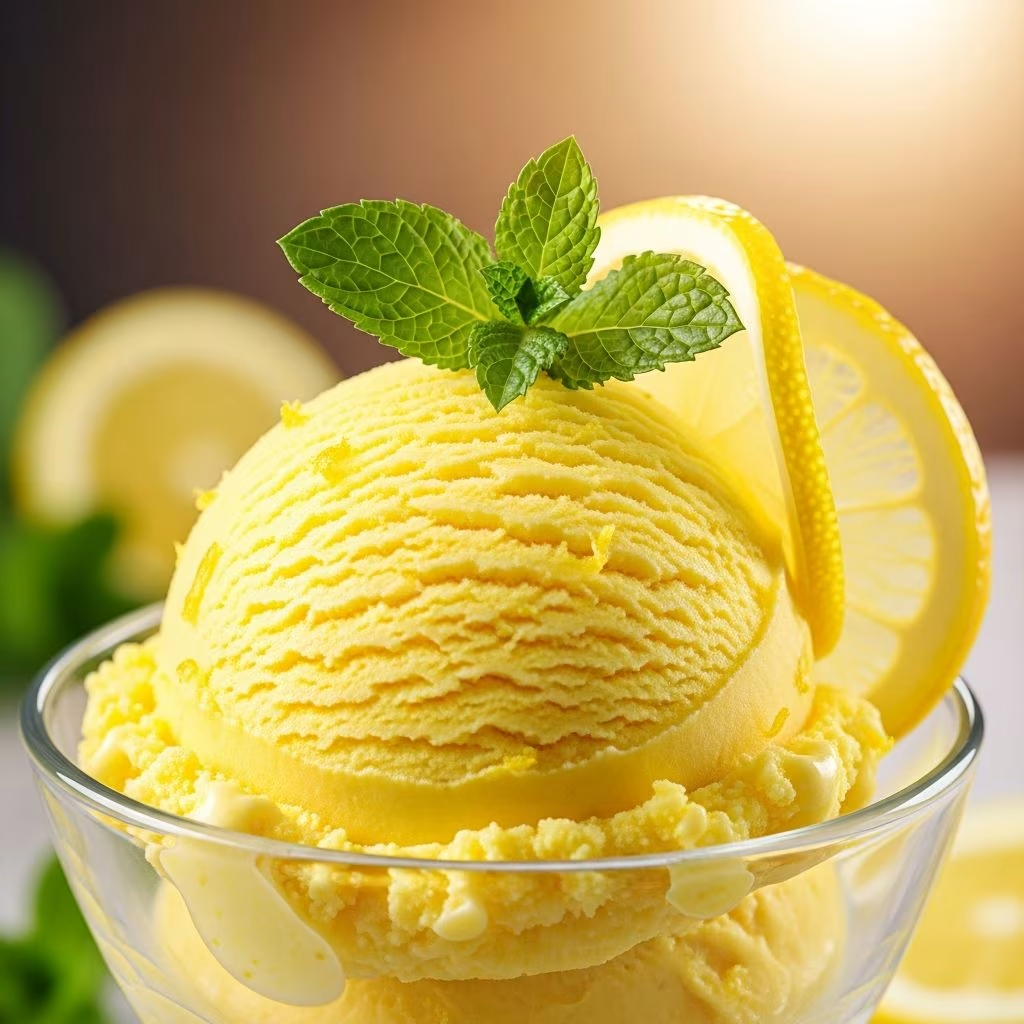
When temperatures rise and cravings for something cool and refreshing strike, few desserts can rival the appeal of homemade lemon ice cream. This elegant frozen treat captures the bright, zesty essence of fresh citrus while delivering a smooth, creamy texture that melts on the tongue. Unlike store-bought versions that often rely on artificial flavoring, homemade lemon ice cream allows you to control the intensity of the lemon taste and the quality of ingredients that go into each spoonful.
Making lemon ice cream at home is more accessible than many home cooks realize. Whether you have an ice cream maker or prefer improvised freezing methods, you can create a dessert that rivals professional gelato shops. The key lies in understanding the fundamental approaches to ice cream preparation and how citrus ingredients interact with dairy components.
Understanding Your Lemon Ice Cream Options
The world of homemade lemon ice cream divides into two primary categories, each with distinct advantages and considerations. Understanding these methods helps you choose the approach that best fits your kitchen equipment, time availability, and flavor preferences.
The traditional approach involves creating a custard base—a cooked mixture of eggs, cream, milk, and sugar that must reach a safe temperature before cooling. This method produces exceptionally creamy results because the egg yolks enrich the base with additional fat and create a luxurious mouthfeel. However, it requires careful attention to temperature control and additional chilling time before churning.
The alternative no-cook method eliminates the heating step entirely. This streamlined approach combines sweetened condensed milk with fresh dairy, lemon juice, and zest, then proceeds directly to freezing. This method significantly reduces preparation time and complexity, making it ideal for those who lack confidence in cooking custards or prefer a quicker process.
Essential Ingredients for Lemon Ice Cream Success
Creating exceptional lemon ice cream requires attention to ingredient selection and proportions. Each component plays a specific role in determining the final texture, flavor intensity, and overall quality of your frozen dessert.
Dairy Foundation
The dairy components form the structural backbone of your ice cream. Whole milk provides the base liquid and contributes some fat content, while heavy whipping cream adds richness and helps achieve that dense, luxurious texture characteristic of premium ice cream. The balance between these two ingredients affects both mouthfeel and freezing behavior. Most recipes rely on a ratio where cream comprises roughly one-third to one-half of the total dairy volume. This proportion prevents the mixture from becoming either too thin or overly heavy.
For custard-based preparations, these dairy components work in concert with egg yolks to create additional richness. For simplified versions, sweetened condensed milk replaces some of the sugar and adds its own creamy consistency, reducing the need for as much heavy cream.
The Lemon Element
Lemon presence in this dessert comes from two distinct sources: freshly squeezed juice and zest. The juice provides the tart flavor and liquid component, while the zest contributes aromatic oils and concentrated lemon essence. Using fresh lemons rather than bottled juice is non-negotiable for achieving authentic flavor. Bottled juice often contains preservatives that can interfere with the texture and introduce off-flavors during freezing.
The quantity of lemon juice is particularly important because it affects not only flavor intensity but also the freezing point of your mixture. Citrus acidity interacts with proteins and fats in unexpected ways, so recipes must account for these chemical interactions when determining final freezing behavior.
Sweetening Agents and Texture Modifiers
Sugar serves multiple functions beyond simply providing sweetness. It lowers the freezing point of the mixture, preventing rock-hard ice formation and maintaining a creamy consistency. It also dissolves into the custard or cream mixture, distributing flavor evenly and contributing to the smooth texture you experience while eating. Some recipes incorporate sweetened condensed milk, which combines sugar, milk solids, and thickening agents in one convenient ingredient.
Salt, though present in tiny quantities, plays a crucial role. A small pinch of salt enhances the perception of lemon flavor while balancing sweetness. This flavor amplification allows you to reduce total sugar content slightly while maintaining satisfying sweetness levels.
Two Approaches to Preparation
The Custard Method
This traditional approach begins by combining egg yolks, sugar, and lemon zest. Gently heating this base over medium heat triggers the chemical transformation that makes custard safe to consume. The goal is to reach 160 degrees Fahrenheit—a temperature that pasteurizes the eggs while activating proteins that create a silky texture.
To prevent scrambling, constant stirring is essential. Many cooks find it helpful to use a candy or instant-read thermometer, checking the temperature frequently as the mixture approaches the target. Once the custard reaches 160 degrees, remove it from heat and immediately whisk in fresh lemon juice and vanilla extract.
After this initial cooling, strain the custard through a fine-mesh sieve to remove any bits of cooked egg white or lemon zest that create texture problems in the final product. Transfer the strained mixture to a covered container and refrigerate for at least eight hours, preferably overnight. This extended chilling allows flavors to meld and the base to reach the proper temperature for efficient churning.
The Simplified No-Cook Method
For home cooks seeking efficiency, the no-cook method eliminates several steps without sacrificing quality. Begin by whisking together whole milk, heavy whipping cream, sugar, and salt in a large bowl. For this method to work effectively, use either granulated sugar that dissolves readily or substitute a portion of the sugar with liquid sweetened condensed milk.
Once the dairy mixture reaches complete uniformity, add fresh lemon juice and lemon zest. Whisk thoroughly to incorporate these ingredients evenly. Cover the bowl and refrigerate for at least 30 minutes and up to 24 hours. This chilling period allows the zest oils to infuse the liquid and helps the mixture reach the optimal temperature for churning.
The Churning Process and Freezing Stages
Whether you’ve chosen the custard or no-cook method, churning transforms your chilled liquid into creamy ice cream by incorporating air and gradually freezing the mixture. If you own an ice cream maker, follow the manufacturer’s specific instructions regarding run time, typically between 20 and 30 minutes. The machine paddle continuously agitates the mixture while the frozen bowl keeps temperatures low, creating the characteristic smooth texture.
For those without an ice cream maker, alternative freezing methods exist. Pour the chilled mixture into a shallow baking dish and place it in the freezer. After approximately 30 minutes, when the edges begin to freeze but the center remains soft, use a fork to stir the mixture vigorously, breaking up ice crystals. Repeat this process every 30 minutes for two to three hours until the entire mixture achieves a creamy frozen consistency. While this method requires more active participation, it successfully produces acceptable results.
After initial churning, transfer the ice cream to an airtight freezer container. At this stage, the texture is soft and scoopable. For firmer ice cream that holds shape better, place the container in the freezer for an additional three to four hours or overnight. Fresh homemade ice cream maintains optimal flavor and texture for approximately two weeks when stored properly in the back of the freezer in an airtight container.
Ingredient Variations and Customization
The basic lemon ice cream formula accommodates numerous variations that expand your creative possibilities. Understanding how modifications affect the final product empowers you to develop personal preferences and seasonal adaptations.
| Variation | Key Changes | Flavor Profile |
|---|---|---|
| Meyer Lemon Twist | Substitute Meyer lemons for regular lemons; reduce sugar slightly | Sweeter, more floral than standard lemon |
| Honey Lemon | Replace 25% of sugar with honey; add 1 teaspoon vanilla bean paste | Smoother sweetness with subtle vanilla undertones |
| Lavender Lemon | Add 1/2 teaspoon dried culinary lavender buds to the custard before cooking | Floral notes complementing bright citrus |
| Poppy Seed Lemon | Fold in 2 tablespoons poppy seeds after churning | Subtle texture variation with nutty notes |
| Lemon Blueberry | Swirl in fresh or lightly cooked blueberries after churning | Tartness balanced by berry sweetness |
Frequently Asked Questions
Can I make lemon ice cream without an ice cream maker?
Yes. Freeze the chilled mixture in a shallow container, stirring vigorously with a fork every 30 minutes for 2-3 hours. The texture will be slightly icier than machine-churned versions but still enjoyable. Some cooks add 1-2 tablespoons of vodka or corn syrup to the base, which lowers the freezing point and creates smoother texture.
Why does my lemon ice cream have an icy texture?
Ice crystal formation typically results from insufficient fat content, inadequate churning, or temperature fluctuations during storage. Ensure you’re using heavy cream, not light cream. Churn for the full recommended time. Store in the back of the freezer in an airtight container away from temperature fluctuations caused by frequent opening.
How much lemon juice should I use?
Typical recipes use between 1/2 cup and 3/4 cup lemon juice per quart of ice cream. Start conservatively—you can always add more juice, but removing it is impossible. The total liquid volume matters too; if juice replaces more than 25% of the dairy volume, churning behavior changes.
Can I use lemon juice concentrate instead of fresh juice?
While possible, fresh-squeezed juice produces superior flavor. Concentrate contains additives and has a different flavor profile. If you must use concentrate, dilute it with water according to package directions and reduce the quantity by roughly 25% compared to fresh juice recipes.
How long does homemade lemon ice cream keep?
Properly stored in an airtight freezer container, homemade lemon ice cream maintains optimal quality for 2-3 weeks. Beyond that timeframe, flavor gradually fades and ice crystal development becomes noticeable. The citrus acidity and dairy fats eventually oxidize, creating slight off-flavors.
Should I freeze the ice cream maker bowl beforehand?
Yes, if your ice cream maker has a freezer bowl component. Most manufacturers recommend freezing it solid for at least 24 hours before use. This ensures the base is cold enough during churning to achieve proper freezing without extending run time excessively.
Serving Suggestions and Pairing Ideas
Lemon ice cream shines as a standalone dessert, particularly during warm months when simplicity appeals to everyone. For more elaborate presentations, consider serving over fresh fruit crisps, berry cobblers, or pound cake. The bright citrus flavor cuts through rich desserts beautifully, providing palate-cleansing contrast.
For a composed dessert, pair small scoops with fresh berries, candied lemon peel, or delicate cookies like madeleines or shortbread. Lemon ice cream also works beautifully as a palate refresher during multi-course meals, served between main courses and heavy desserts.
Storage and Make-Ahead Tips
Homemade ice cream bases can be prepared up to 48 hours in advance. Cover custards or cream mixtures tightly and refrigerate until ready to churn. This advance preparation is particularly helpful when entertaining, as it reduces last-minute kitchen tasks. If you don’t have time to churn immediately, most bases maintain quality in the refrigerator for 2-3 days.
Once churned, transfer ice cream to an airtight container immediately. This prevents surface crystallization and flavor absorption from freezer contents. For best texture and flavor, avoid refreezing melted ice cream—the refreezing process creates large ice crystals that compromise the smooth consistency.
References
- The Perfect Scoop: Updated and Expanded Edition with More Than 100 Recipes for Ice Creams, Sorbets, Granitas, and Frozen Desserts — David Lebovitz. 2010. Penguin Random House.
- Food Safety Guidelines for Time/Temperature Control — U.S. Food and Drug Administration (FDA). 2022. https://www.fda.gov/food/foodborne-pathogens-gluten-other-food-allergens/foodborne-pathogens-natural-toxins-pesticides
- The Science of Ice Cream: Freezing Point Depression and Texture — Harold McGee, On Food and Cooking (Revised). 2004. Scribner Publishing.