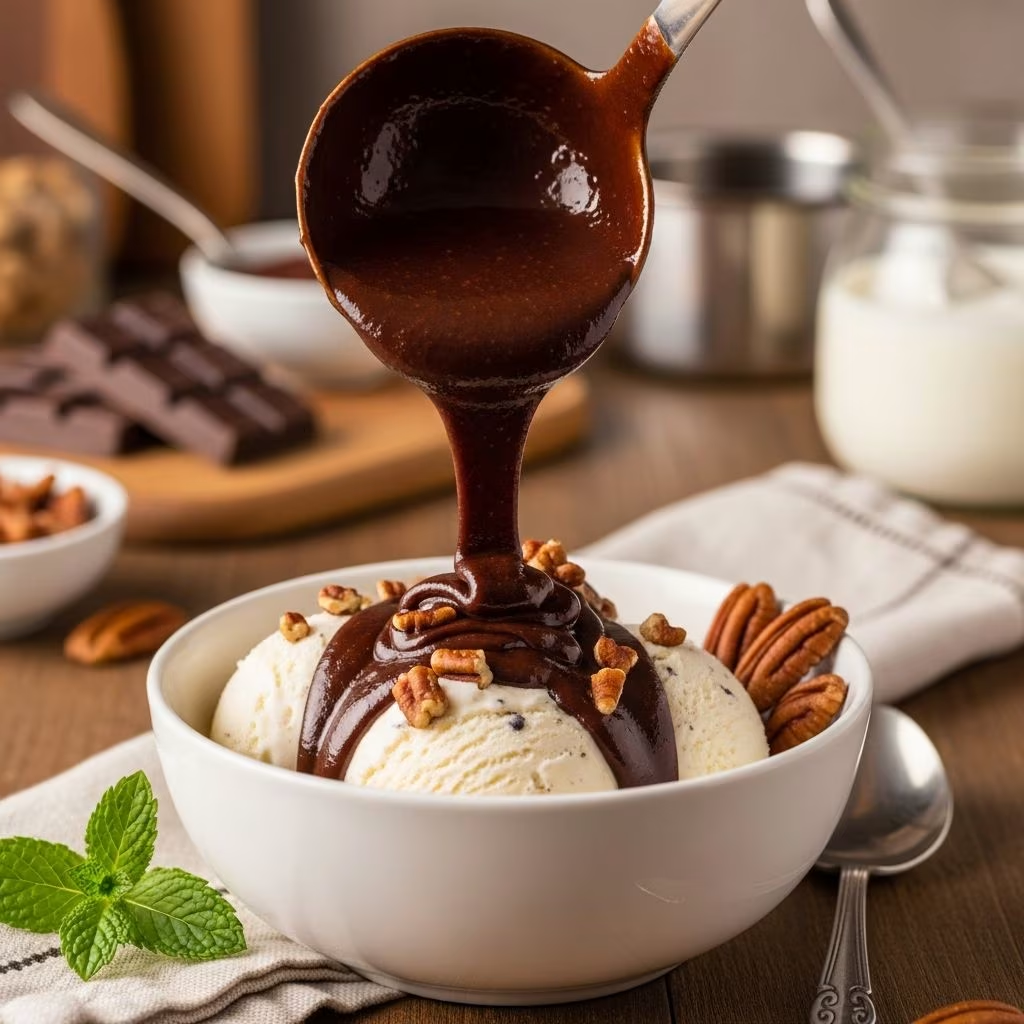
Creating luxurious hot fudge sauce at home might seem intimidating, but the truth is far simpler than most people realize. With just a handful of basic ingredients found in virtually any kitchen, you can produce a silky, decadent chocolate sauce that rivals the finest ice cream parlors and dessert restaurants. The beauty of homemade hot fudge lies not only in its superior taste and texture but also in the satisfaction of crafting something special from scratch.
Understanding Hot Fudge: What Makes It Special
Hot fudge differs fundamentally from standard chocolate sauce. While chocolate sauce relies primarily on cocoa powder or melted chocolate combined with liquid, hot fudge requires a specific technique that transforms basic ingredients into a sauce with remarkable body and richness. The key distinction lies in how the ingredients are combined and the temperature at which they’re cooked, which creates a glossy, smooth texture that clings beautifully to ice cream and desserts.
The appeal of hot fudge extends beyond its flavor profile. The sauce maintains its temperature longer than thinner chocolate sauces, creating that signature sensation of warmth contrasting with cold ice cream. This thermal experience, combined with the deep chocolate flavor, explains why hot fudge has remained a beloved dessert topping for generations.
Essential Ingredients for Your Hot Fudge Arsenal
The foundation of any successful hot fudge recipe rests on understanding your ingredients and their roles in the final product.
Chocolate Selection
Quality chocolate forms the backbone of exceptional hot fudge. You have multiple options depending on your flavor preferences. Semi-sweet chocolate chips offer a balanced sweetness and work reliably in most recipes. Bittersweet chocolate, ranging from 60% to 80% cocoa content, delivers a more sophisticated, complex flavor profile that appeals to those who prefer less sugar and more pronounced chocolate notes. Milk chocolate creates a sweeter, milder sauce, while combining different chocolate varieties allows for customization of the final taste.
Sweetening Components
Beyond chocolate’s inherent sweetness, most hot fudge recipes incorporate additional sweeteners. Granulated sugar provides straightforward sweetness and contributes to the sauce’s body. Light corn syrup adds smoothness and prevents crystallization, creating that signature glossy appearance. Brown sugar can be used optionally to introduce subtle molasses notes that deepen the overall flavor complexity.
Cream and Butter
Heavy cream serves as the liquid foundation that gives hot fudge its characteristic consistency. The fat content in heavy cream prevents the sauce from becoming too thin while contributing richness. Butter enhances the sauce’s silkiness and prevents it from becoming grainy or separating during cooking. Butter also plays a crucial role in achieving that luxurious mouthfeel that distinguishes homemade hot fudge from store-bought alternatives.
Flavor Enhancers
Pure vanilla extract brightens the chocolate flavor and adds depth. Cocoa powder, when included, intensifies chocolate flavor and contributes to a more complex taste profile. A pinch of kosher or sea salt enhances sweetness perception and balances flavors beautifully, though many recipes omit it entirely for those sensitive to salt.
Classic Stovetop Method: Building Your Foundation
The traditional stovetop approach remains the most reliable method for creating restaurant-quality hot fudge. This technique allows precise control over heat and consistency.
Step-by-Step Process
- Combine butter, sugar, and cocoa powder in a medium saucepan over medium heat
- Stir continuously as the butter melts, ensuring all ingredients incorporate smoothly
- Once the mixture begins to bubble at the edges, add heavy cream slowly while stirring
- Maintain a gentle boil for approximately 2-3 minutes, stirring frequently
- Remove from heat and stir in vanilla extract
- Allow the sauce to cool slightly before transferring to storage containers or serving
Temperature Considerations
For those with a candy thermometer, the ideal target temperature ranges between 220-225 degrees Fahrenheit. This temperature creates the perfect consistency—thick enough to coat ice cream without running off, yet fluid enough to drizzle smoothly. If you lack a thermometer, cooking at a gentle boil for the recommended time typically achieves the same result.
Ultra-Quick Methods for Busy Cooks
When time is limited, several abbreviated approaches deliver impressive results without sacrificing quality.
The Three-Ingredient Approach
Sometimes simplicity yields the most satisfying results. Combining just chocolate chips, heavy cream, and butter creates an incredibly decadent sauce in minimal time. Melt the butter and chocolate together over low heat, add the cream, and stir until smooth. This minimalist method works beautifully when you’re using quality chocolate and aren’t concerned about additional flavor dimensions.
Sweetened Condensed Milk Method
For those seeking the ultimate in speed and simplicity, sweetened condensed milk offers a clever shortcut. Combine sweetened condensed milk with chocolate chips, heating over medium heat until the chocolate melts completely. Stir in butter off the heat, and you have finished hot fudge in approximately five minutes. The condensed milk provides both sweetness and consistency, eliminating the need for separate sweetening agents.
Microwave Convenience
When stovetop access isn’t available or you’re preparing sauce for just one or two servings, the microwave delivers results in under one minute. Combine butter, chocolate chips, and cream in a microwave-safe container. Microwave in 10-second intervals, stirring between each burst, until smooth and fully combined. While this method works best for small quantities, it proves invaluable for quick desserts or last-minute entertaining.
Achieving the Perfect Consistency
The difference between mediocre and exceptional hot fudge often comes down to consistency. Too thin, and it fails to coat properly. Too thick, and it becomes difficult to drizzle or distribute evenly.
Adjusting Thickness
If your finished sauce seems too runny, return it to low heat and continue cooking for an additional minute or two to allow more moisture to evaporate. If it’s too thick, whisk in additional heavy cream, one tablespoon at a time, until you achieve your desired consistency. Remember that the sauce thickens further as it cools, so err slightly on the thinner side if serving immediately.
Understanding Texture Development
The boiling process serves an important purpose beyond simply heating the ingredients. As the mixture comes to a boil, the sugars begin to break down, and the overall composition becomes smoother and more cohesive. This chemical transformation is what creates hot fudge’s signature glossy appearance and luscious texture that distinguishes it from simple chocolate sauce.
Storage and Reheating Strategies
Short-Term Storage
Hot fudge stores beautifully in glass containers in the refrigerator for up to two weeks. Transfer the cooled sauce to mason jars or glass containers with tight-fitting lids to maintain freshness and prevent odor absorption.
Reheating Methods
| Method | Time | Best For |
|---|---|---|
| Microwave | 30-second intervals | Small portions, quick heating |
| Double boiler | 5-10 minutes | Large quantities, gentle heating |
| Stovetop | 3-5 minutes | Full jar, direct heat preferred |
Troubleshooting Common Issues
Grainy or Separated Texture
This typically occurs when chocolate has seized or the mixture has overheated. Prevent this by using medium heat, stirring frequently, and never allowing the sauce to reach a rolling boil. If separation occurs, whisk vigorously and add a small amount of cream to help re-incorporate the ingredients.
Excessively Thick Consistency
Overly thick sauce results from cooking too long or using insufficient cream. When reheating stored sauce that has thickened, incorporate additional cream gradually until you reach the desired consistency.
Insufficient Chocolate Flavor
If your finished sauce tastes predominantly sweet rather than chocolatey, increase the cocoa powder in future batches or use a higher percentage chocolate. Dutch-process cocoa powder provides deeper flavor than natural cocoa powder.
Creative Variations and Flavor Combinations
Once you’ve mastered the basic formula, experimentation opens countless possibilities. Adding a tablespoon of espresso powder intensifies chocolate notes, while a dash of cinnamon introduces warmth. Peanut butter swirled into finished sauce creates a sophisticated variation. Almond extract or a pinch of sea salt can personalize the sauce to your specific taste preferences.
Frequently Asked Questions
Can I use cocoa powder instead of chocolate chips?
Absolutely. Many classic recipes rely entirely on cocoa powder combined with butter and sugar. You’ll need to adjust liquid ratios slightly, but the final result remains delicious and authentic.
How far in advance can I make hot fudge sauce?
You can prepare hot fudge up to two weeks before serving. Store it in glass containers in the refrigerator and reheat gently before use.
What’s the difference between hot fudge and chocolate sauce?
Hot fudge typically contains more cocoa powder and sugar relative to liquid, creating a thicker, richer sauce. The cooking process and ingredient ratios distinguish hot fudge from thinner chocolate sauces designed to stay liquid when cold.
Can I freeze hot fudge sauce?
Yes, hot fudge freezes well for up to three months in freezer-safe containers. Thaw overnight in the refrigerator before reheating.
Why is butter necessary in hot fudge?
Butter prevents the sauce from becoming grainy or separating. The fat content ensures a smooth, luxurious texture and helps the sauce coat evenly on ice cream or desserts.
Serving Suggestions and Applications
Hot fudge extends far beyond traditional ice cream sundaes. Drizzle it over brownies for added decadence, use it as a dipping sauce for fresh fruit, or swirl it into cheesecake batter before baking. Pancakes and waffles transform into special-occasion treats with a generous pour of warm hot fudge, and warm brownies paired with hot fudge create an irresistible combination.
Conclusion: Elevating Your Dessert Game
Making hot fudge sauce from scratch represents one of the simplest yet most impactful improvements you can make to your dessert preparation. With minimal ingredients, straightforward techniques, and flexibility for personal preferences, homemade hot fudge offers superior flavor and texture compared to commercial alternatives. Whether you’re preparing an elaborate dessert spread for entertaining or simply satisfying a craving for something special, mastering this fundamental sauce expands your culinary capabilities while delivering consistently impressive results.
References
- Easy Homemade Hot Fudge Recipe — Eat 2 Gather. Accessed April 2026. https://www.eat2gather.net/easy-homemade-hot-fudge-recipe/
- Homemade Hot Fudge Sauce (5 Minutes) — Sally’s Baking Addiction. Accessed April 2026. https://sallysbakingaddiction.com/homemade-hot-fudge-sauce/
- 5-Minute Hot Fudge Sauce — Crazy for Crust. Accessed April 2026. https://www.crazyforcrust.com/5-minute-hot-fudge-sauce/
- 5-Minute Hot Fudge Sauce: Three Flavors — Mel’s Kitchen Cafe. Accessed April 2026. https://www.melskitchencafe.com/5-minute-hot-fudge-sauce/
- 3-Ingredient Hot Fudge Sauce — Alyssa Ponticello. Accessed April 2026. https://alyssaponticello.com/blog/3-ingredient-hot-fudge-recipe
- Easy Hot Fudge Sauce — Our Best Bites. Accessed April 2026. https://ourbestbites.com/hot-fudge-sauce-and-fondue/