There’s something universally comforting about a steaming mug of hot cocoa on a chilly day. Unlike instant mixes that often leave a chalky residue, homemade hot cocoa offers a smooth, rich chocolate experience that begins with quality ingredients and proper technique. This guide walks you through everything needed to master this beloved winter beverage.
Understanding Your Base Ingredients
The foundation of exceptional hot cocoa starts with selecting the right components. Each ingredient plays a specific role in creating the final beverage’s texture, flavor, and mouthfeel.
Unsweetened Cocoa Powder: The Heart of Your Drink
Unsweetened cocoa powder serves as the primary chocolate flavoring agent. This ingredient contains no added sugars, allowing you to control sweetness levels while preserving authentic chocolate notes. When shopping, avoid Dutch-process cocoa if you prefer a more traditional, slightly acidic chocolate taste; natural cocoa powder provides this characteristic flavor. The cocoa powder must be whisked thoroughly with a liquid component to prevent lumps from forming in your finished beverage.
Sweetening Components and Ratios
Granulated sugar remains the standard sweetener, though alternatives like honey or maple syrup work equally well. The typical proportion balances richness without overwhelming the chocolate flavor. When using plant-based milks that come pre-sweetened, reduce the added sugar by approximately half to avoid excessive sweetness. For those preferring less sugar, the basic recipe accommodates customization without compromising quality.
Water and Milk Selection
Water serves a crucial function in creating a smooth cocoa base before milk addition. Hot water dissolves both cocoa powder and sugar evenly, preventing clumping. Whole milk or two-percent milk provides the creamiest results, though any milk variety works—dairy, almond, oat, or soy milk all produce satisfactory beverages. The milk proportion determines the final drink’s richness and body.
Flavor Enhancers
Salt in small quantities amplifies chocolate notes without contributing saltiness. Vanilla extract adds subtle complexity that rounds out the cocoa flavor. Adding vanilla after heating prevents its delicate flavors from dissipating during cooking.
Essential Equipment and Setup
Preparing your workspace and gathering tools ensures a smooth cooking process:
- Medium saucepan with adequate capacity for stirring
- Whisk or sturdy spoon for consistent mixing
- Measuring cups and spoons for accuracy
- Mugs for serving
- Optional: immersion blender for extra-smooth texture
Step-by-Step Preparation Method
Creating the Chocolate Base
Begin by combining unsweetened cocoa powder, granulated sugar, salt, and hot water in your saucepan over medium heat. The hot water is essential—it allows the cocoa powder to dissolve evenly rather than clumping into hard pellets. Stir this mixture constantly until completely smooth and homogeneous. This base mixture should have a syrup-like consistency before milk addition.
Incorporating the Milk
Once your chocolate base achieves a smooth consistency, slowly add milk while continuing to stir. This gradual addition prevents temperature shock that might cause separation or uneven texture. Keep the heat at medium, watching for steam to rise from the surface. Never allow the beverage to reach a rolling boil, as overheating can damage milk proteins and create an unpleasant burnt flavor.
Finalizing Flavor Profile
Remove the saucepan from heat before adding vanilla extract. This timing is critical—vanilla’s aromatic compounds volatilize at high temperatures, causing flavor loss. Stir the vanilla through the entire mixture, ensuring even distribution. Pour immediately into waiting mugs to maintain optimal temperature.
Serving Suggestions and Enhancements
Classic Toppings
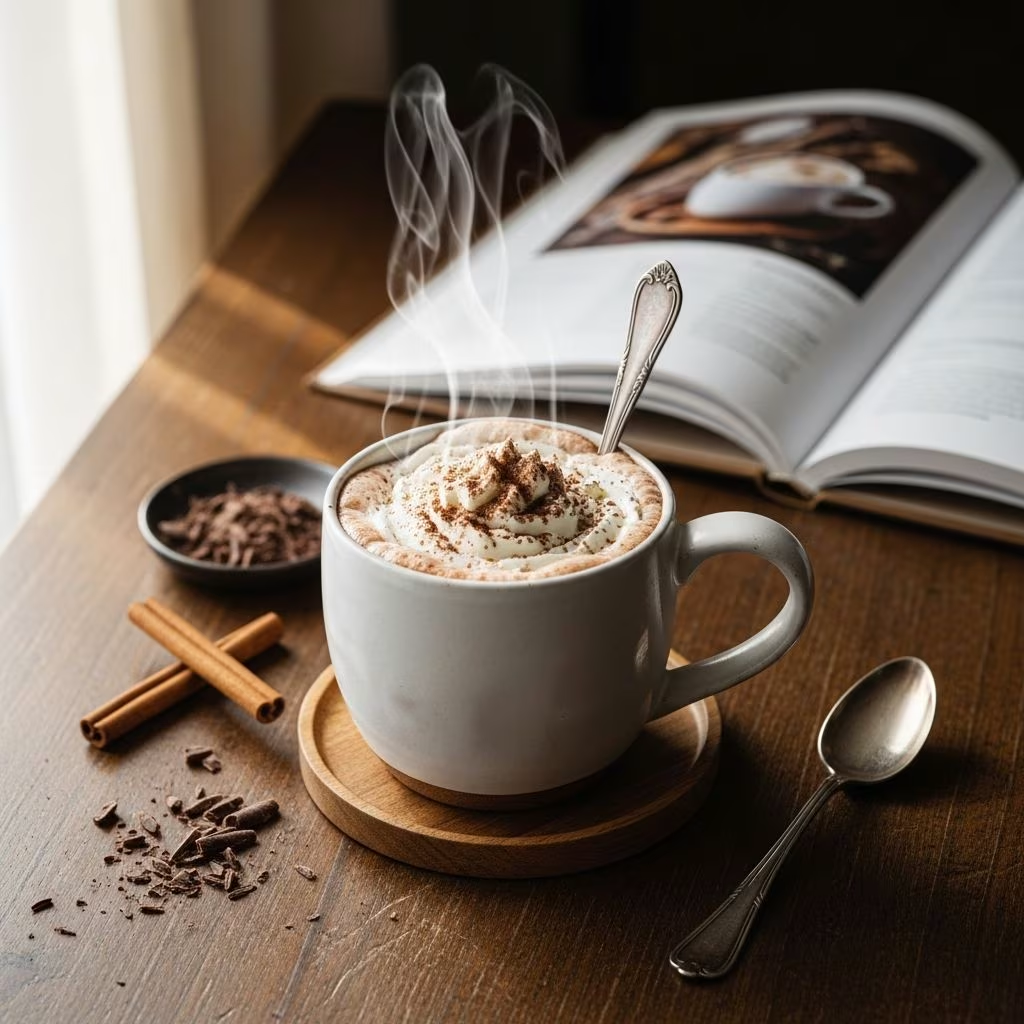
Marshmallows remain the traditional topping choice, adding sweetness and visual appeal. Whipped cream provides a luxurious texture contrast. For those seeking sophistication, a light dusting of cocoa powder or chocolate shavings adds visual interest and intensified chocolate notes.
Flavor Variations
The basic recipe accommodates numerous creative additions. Cinnamon introduces warmth and spice—add one-quarter to one-half teaspoon to the finished beverage. Mint extract or crushed peppermint candy creates a refreshing variation perfect for holiday celebrations. Instant coffee powder transforms the drink into mocha-style hot cocoa, adding depth and sophistication. Experiment with these variations to discover personal preferences.
Single-Serving Preparation
Not everyone entertains regularly, and many prefer making hot cocoa for one. Scale the ingredients proportionally: combine two teaspoons cocoa powder and two tablespoons sugar in a mug. Heat one and one-quarter cups milk in the microwave or on the stovetop until hot but not boiling. Pour half the heated milk over the cocoa mixture and whisk vigorously to dissolve the powder. Add one-quarter teaspoon vanilla and the remaining milk, stirring until smooth and creamy.
Advanced Techniques for Superior Results
Creating a Dry Mix for Quick Preparation
For expedited mornings, prepare a homemade cocoa mix in advance. Whisk together unsweetened cocoa powder, powdered sugar, light brown sugar, and sea salt until completely combined with no lumps remaining. Store this mixture in an airtight container in a cool, dry location for up to several months. To prepare hot cocoa, heat milk until steaming and whisk in one-quarter cup of dry mix per cup of milk, stirring until fully dissolved.
Incorporating Chocolate for Enhanced Richness
For particularly luxurious hot cocoa, combine cocoa powder with melted chocolate chips or finely chopped chocolate bars. Add cocoa powder and sugar to milk, heating until warm, then add chocolate pieces and whisk constantly until completely melted and integrated. This method creates an exceptionally smooth, rich beverage with sophisticated mouthfeel and deeper chocolate complexity.
Using an Immersion Blender
For ultra-smooth texture and enhanced emulsification, use an immersion blender after combining all ingredients. Brief blending incorporates air and ensures chocolate particles distribute evenly throughout the liquid, creating a silky consistency superior to hand-whisking alone.
Quality Ingredients Make a Difference
The distinction between ordinary and exceptional homemade hot cocoa largely depends on ingredient selection. Unsweetened cocoa powder from reputable manufacturers provides superior flavor compared to generic brands. Whole milk or two-percent milk creates creamier results than lower-fat varieties. Pure vanilla extract outperforms imitation versions, providing authentic vanilla aromatics rather than synthetic flavoring compounds.
Common Mistakes to Avoid
Allowing the Beverage to Boil
Boiling milk damages protein structures and creates an unpleasant burnt flavor. Maintain medium heat and watch for steam—when visible, reduce heat or remove from the burner.
Adding Vanilla During Heating
Vanilla’s delicate flavors dissipate when exposed to high heat. Always add vanilla after removing the mixture from direct heat.
Insufficient Mixing of Cocoa Powder
Inadequately stirred cocoa powder remains suspended as gritty particles rather than dissolving completely. Ensure thorough whisking during the initial mixing phase with hot water.
Using Sweetened Cocoa Products
Sweetened cocoa mixes and chocolate powders contain added sugars and flavorings that prevent customization and often produce inferior flavor compared to recipes built on unsweetened cocoa powder.
Storage and Make-Ahead Strategies
Homemade hot cocoa is best consumed immediately after preparation for optimal temperature and texture. However, the dry mix prepared in advance stores indefinitely in sealed containers. Leftover prepared hot cocoa can be refrigerated for up to two days and reheated gently over low heat while stirring frequently. Avoid using a microwave for reheating, as uneven heating can create hot spots and unpleasant curdling.
Nutritional Considerations
Homemade hot cocoa offers better nutritional transparency than instant mixes, which often contain additives and preservatives. Cocoa powder itself contains beneficial compounds including antioxidants and minerals. The beverage’s nutritional profile depends primarily on milk selection and sugar quantity. Those seeking reduced-calorie versions can use lower-fat milk varieties or reduce added sugar slightly while maintaining acceptable flavor balance.
Frequently Asked Questions
Can I make hot cocoa with milk powder instead of liquid milk?
Yes. Combine cocoa powder, sugar, salt, and milk powder, then whisk in hot water. This method works well for camping or travel situations where fresh milk isn’t available. The texture differs slightly from liquid milk preparations but remains satisfactory.
What’s the difference between hot cocoa and hot chocolate?
Hot cocoa emphasizes cocoa powder as the primary chocolate source, while hot chocolate typically contains melted chocolate or chocolate chips. Both are delicious; the choice depends on personal preference and desired flavor intensity.
How can I make this recipe dairy-free?
Substitute any non-dairy milk—oat, almond, soy, or coconut milk all work well. If using sweetened plant-based milk, reduce added sugar by half. The preparation method remains identical.
Can I prepare hot cocoa in large batches?
Yes. Scale the ingredients proportionally and prepare in a larger pot, maintaining the same cooking techniques. Keep the beverage warm in a slow cooker on the lowest setting for gatherings or parties.
Does the brand of cocoa powder significantly affect the final product?
Yes. Quality cocoa powder from established brands produces noticeably superior flavor compared to generic supermarket varieties. The investment in better cocoa powder pays dividends in beverage quality.
Conclusion
Mastering homestyle hot cocoa transforms a simple recipe into a genuine comfort beverage that rivals any café offering. By understanding ingredient roles, following proper technique, and respecting timing—particularly vanilla addition—anyone can create hot cocoa that satisfies and delights. Whether preparing a single mug on a quiet morning or large batches for gatherings, these methods and guidelines ensure consistently excellent results that justify the minimal additional effort compared to instant mixes.
References
- Easy Homemade Hot Cocoa Recipe with Cocoa Powder (Stovetop) — Laura Fuentes. 2024. https://www.laurafuentes.com/how-to-make-homemade-hot-cocoa/
- The Best Hot Chocolate Ever (2 Ways) — Joshua Weissman. 2024. https://www.joshuaweissman.com/recipes/the-best-hot-chocolate-ever-recipe-2-ways
- HERSHEY’S Perfectly Chocolate Hot Cocoa Recipe — The Hershey Company. 2024. https://www.hersheyland.com/recipes/hersheys-perfectly-chocolate-hot-cocoa.html
- Homemade Hot Chocolate — Celebrating Sweets. 2024. https://celebratingsweets.com/homemade-hot-chocolate/