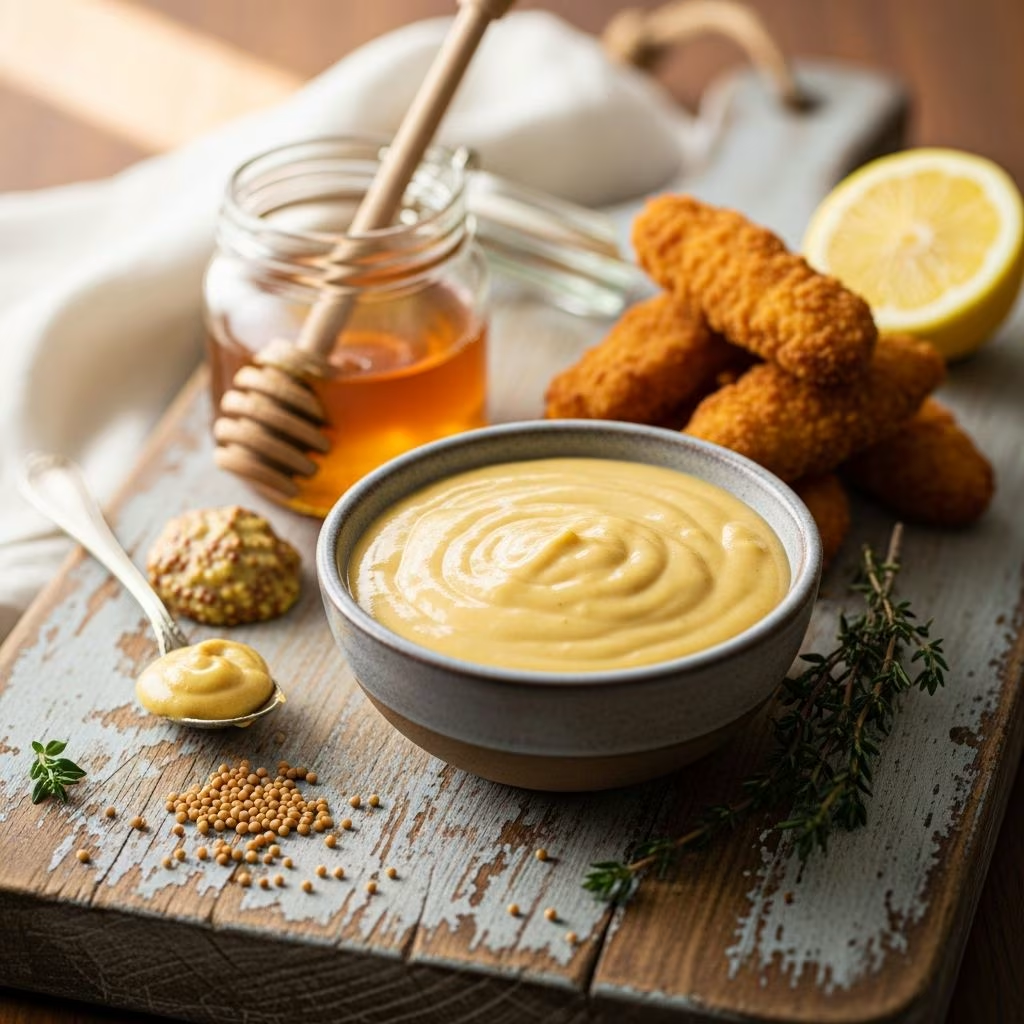
Creating condiments from scratch opens up a world of culinary possibilities, and one of the most versatile and beloved options is the honey mustard dipping sauce. This delightful combination of sweet, tangy, and creamy flavors has become a staple in kitchens across the globe, offering a simple yet elegant accompaniment to countless dishes. Unlike store-bought versions that often contain preservatives and artificial additives, homemade preparations allow you to control every ingredient and customize the flavor profile to suit your preferences.
The beauty of this particular sauce lies in its simplicity. Whether you’re preparing a quick weeknight dinner or hosting an impressive gathering, this recipe transforms basic pantry staples into something remarkable in under five minutes. Understanding the fundamentals of how these components work together will elevate your cooking and give you confidence to experiment with variations.
Understanding the Core Components
The foundation of any quality honey mustard sauce rests on understanding its key ingredients and their individual roles. Each component contributes specific characteristics that, when combined thoughtfully, create a harmonious and balanced condiment.
The Sweet Element: Honey’s Essential Role
Honey serves as the sweetening agent and namesake of this sauce, providing more than just sweetness. Natural honey contributes subtle floral notes and a smooth viscosity that distinguishes it from recipes using refined sugar. When selecting honey for your sauce, consider that different varieties offer varying degrees of intensity. Lighter honeys like clover or acacia provide a more delicate sweetness, while darker varieties such as buckwheat bring deeper, more robust flavors. A practical tip from experienced cooks suggests adding honey gradually, allowing you to taste as you progress and achieve your ideal sweetness level, since honey intensity can vary significantly between different brands and sources.
The Tangy Foundation: Mustard Selection
Mustard provides the sauce’s distinctive tang and characteristic bite. The choice between Dijon mustard, yellow mustard, or a combination of both dramatically influences the final flavor profile. Dijon mustard, with its refined and sophisticated taste, brings a smooth, slightly spicy undertone, while traditional yellow mustard offers a brighter, more straightforward mustard flavor. Many cooks find that blending both varieties creates optimal depth and complexity, offering the best of both worlds. The interplay between mustard’s sharpness and honey’s sweetness creates the signature tension that makes this sauce so appealing.
The Creamy Base: Selecting Your Fat Component
Mayonnaise traditionally serves as the creamy base, contributing richness and helping to emulsify the other ingredients into a smooth, cohesive sauce. For those seeking lighter alternatives, Greek yogurt offers a protein-rich substitute that reduces calories while maintaining appealing creaminess. The fat component is crucial because it carries flavor molecules and creates the pleasant mouthfeel that makes the sauce enjoyable rather than merely functional. Whether you choose traditional mayonnaise or a healthier alternative depends on your dietary preferences and intended use.
Flavor Enhancers: Acid and Aromatics
Apple cider vinegar or fresh lemon juice provides essential acidity that balances sweetness and prevents the sauce from becoming cloying. This acidic element also acts as a natural preservative and helps achieve the proper consistency for dipping and drizzling. Paprika, garlic powder, and fresh herbs like parsley add layers of complexity, introducing subtle warmth and savory notes that round out the overall flavor profile. These supporting players deserve attention because they’re responsible for transforming a simple sweet-and-tangy combination into something genuinely sophisticated.
Ingredient Variations and Substitutions
The versatility of honey mustard sauce becomes apparent when you consider the numerous ways to adapt the basic recipe to match your needs and preferences.
- For a lighter version: Replace mayonnaise with Greek yogurt or use a combination of both to reduce overall fat content while maintaining creaminess and nutritional value.
- For enhanced tanginess: Increase the proportion of vinegar or lemon juice, or experiment with white wine vinegar for a slightly different acidic character.
- For deeper mustard flavor: Use exclusively Dijon or add whole grain mustard to incorporate texture and increased intensity.
- For herb-forward versions: Increase fresh parsley or add fresh dill, tarragon, or chives to create variations suited to specific dishes.
- For additional complexity: Incorporate minced garlic instead of garlic powder, or add a pinch of cayenne pepper for subtle heat.
Step-by-Step Preparation Method
Creating homemade honey mustard sauce requires minimal technique but benefits from a thoughtful approach. Begin by gathering all ingredients, as mise en place—having everything prepared before you begin—ensures smooth execution and prevents omissions.
Combine your base component (mayonnaise or Greek yogurt) with mustard in a small to medium bowl. The bowl’s size matters more than you might expect; using a vessel appropriately sized for your volume allows for more effective whisking. Add honey gradually, whisking thoroughly after each addition. This incremental approach lets you assess sweetness levels before you’ve added the full amount, preventing an overly sweet result.
Incorporate your chosen acid—whether vinegar or lemon juice—whisking continuously to distribute evenly. Finally, add paprika, salt, pepper, and any additional seasonings you’ve selected, whisking vigorously until the mixture reaches a completely smooth, uniform consistency. The entire process typically takes between two and five minutes, depending on your whisking vigor and ingredient temperature.
Storage and Shelf Life Considerations
Homemade honey mustard sauce benefits from refrigeration, where it keeps safely for approximately one to two weeks. The mayonnaise or yogurt base requires cool temperatures to maintain food safety, and the sauce actually improves over this period as flavors meld and develop. Store your sauce in a clean glass jar or airtight container, keeping it prominently visible in your refrigerator as a reminder of its presence and potential uses.
The sauce may thicken slightly as it chills due to fat solidification; brief whisking or stirring before serving restores its original consistency. If your sauce becomes too thick, you can thin it with additional vinegar, lemon juice, or even a touch of water, whisking thoroughly to redistribute ingredients evenly.
Culinary Applications Beyond Simple Dipping
While this sauce certainly excels as a dipping vehicle for chicken tenders and fresh vegetables, its applications extend far beyond these traditional uses. Consider it as a sandwich spread for adding flavor and moisture to poultry or vegetable-based wraps. The sauce functions beautifully as a salad dressing when thinned slightly with additional acid or a touch of water, coating greens while adding protein and flavor complexity.
For grilling enthusiasts, honey mustard sauce serves as an excellent marinade base for chicken, pork, or seafood. Its balanced sweetness caramelizes beautifully under heat while its acids help tenderize proteins. The sauce also works wonderfully as a glaze for roasted vegetables or a finishing drizzle for grain bowls, adding visual appeal and flavor dimension to otherwise simple preparations.
Comparing Different Recipe Approaches
| Recipe Variation | Main Base | Key Characteristics | Best For |
|---|---|---|---|
| Traditional Mayo-Based | Mayonnaise | Rich, creamy, indulgent | Dipping fried foods, sandwiches |
| Light Greek Yogurt | Greek Yogurt | Tangy, protein-rich, lower fat | Health-conscious meals, salads |
| Dual Mustard | Mayo or Yogurt | Complex mustard flavor, balanced | Sophisticated applications, marinating |
| Herbaceous | Mayo or Yogurt | Fresh, garden-forward, bright | Vegetable dipping, grain bowls |
Frequently Asked Questions About Honey Mustard Sauce
Can I use this sauce for meal prep?
Absolutely. The sauce maintains quality for up to two weeks when properly stored in the refrigerator. Consider portioning it into small containers for convenient grab-and-go access throughout your week. The flavors actually deepen slightly as the sauce sits, making it an excellent candidate for advance preparation.
What happens if my sauce separates?
Separation occasionally occurs if ingredients are at significantly different temperatures. Simply whisk vigorously for a minute or two to re-emulsify the ingredients. If this doesn’t resolve the issue, transfer the mixture to a blender and pulse briefly, or whisk in an additional teaspoon of mayonnaise to help stabilize the emulsion.
Is this sauce gluten-free?
Most ingredients in basic honey mustard sauce are naturally gluten-free, but verification matters. Some prepared mustards contain gluten-containing additives, so always check labels if you’re preparing this for individuals with gluten sensitivities or celiac disease. Choosing reputable brands that specifically certify gluten-free status ensures safety.
Can I make this sauce without honey?
While honey defines this sauce, other sweeteners like agave nectar, maple syrup, or even finely minced pineapple can substitute if you’re avoiding honey. Each alternative brings its own flavor character, so results will differ somewhat from the traditional version. Adjust quantities gradually to achieve your preferred sweetness level.
How do I adjust spiciness levels?
Increase Dijon mustard for more pronounced tang and subtle heat, or add cayenne pepper gradually for direct spiciness. Conversely, increase honey and mayonnaise proportions while decreasing mustard if you prefer a milder version suitable for sensitive palates.
Elevating Your Sauce Game
Mastering basic honey mustard sauce opens doors to creative experimentation and personalization. Consider what resonates with your palate and household preferences. Do you favor pronounced mustard character? Emphasize quality Dijon and use full-strength preparations. Prefer subtler profiles? Lean toward lighter honey varieties and reduce acid components. Your kitchen is your laboratory for developing a sauce version that feels distinctly yours while maintaining the essential balance of sweet, tangy, and creamy that makes this condiment so universally appealing.
The confidence gained from successfully preparing this simple sauce often inspires broader culinary exploration. Once you understand how these basic components interact, you’re equipped to develop countless variations and applications, transforming your approach to everyday cooking and special occasion preparation alike.
References
- Food Safety and Inspection Service (FSIS) – Safe Food Storage Guidelines — United States Department of Agriculture. 2024. https://www.fsis.usda.gov/food-safety/safe-food-handling-and-preparation/food-safety-basics/safe-food-storage
- Honey: Nutritional Composition and Health Benefits — National Honey Board. 2023. https://www.honey.com
- Mustard Seeds and Prepared Mustard: Culinary Uses and Flavor Profiles — Spice Information Resource. 2024. https://www.thespruceeats.com
- Emulsification in Culinary Applications — Serious Eats. 2023. https://www.seriouseats.com
- Greek Yogurt Nutritional Profile and Cooking Applications — Academy of Nutrition and Dietetics. 2024. https://www.eatright.org