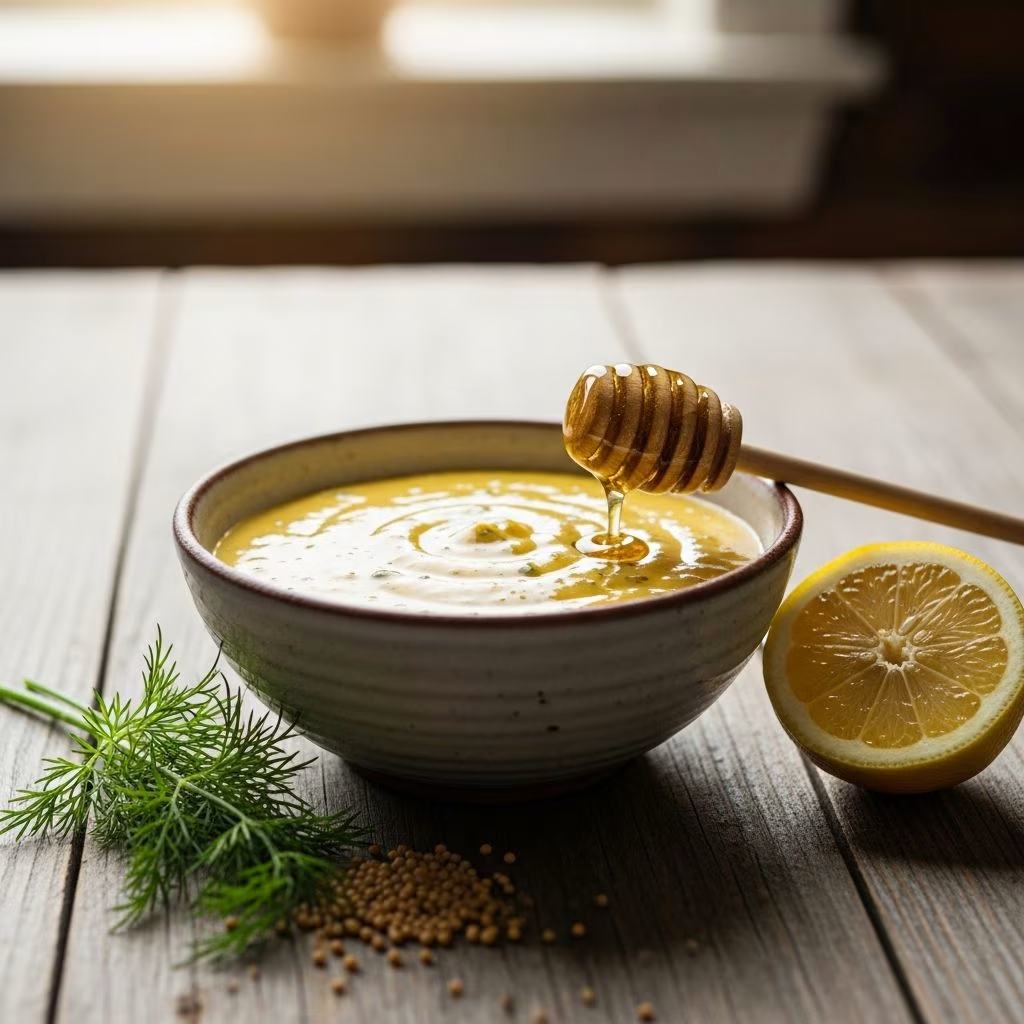
Creating your own salad dressing at home eliminates the need for store-bought bottles filled with preservatives and excessive sodium. A well-crafted honey mustard dressing strikes the perfect balance between sweet and tangy, offering a versatile condiment that elevates simple salads into memorable meals. This classic combination requires just a handful of pantry staples and takes mere minutes to prepare.
Understanding the Core Components
The foundation of an exceptional honey mustard dressing rests on four essential ingredients that work in harmony. Each component contributes distinct characteristics to the final product, creating depth of flavor and the desired texture.
The Role of Dijon Mustard
Dijon mustard serves as the backbone of this dressing, providing the characteristic tangy bite that distinguishes honey mustard from other vinaigrettes. Unlike yellow mustard, which tends toward a one-dimensional heat, Dijon mustard delivers a sophisticated, refined flavor profile with a naturally creamy texture. The smooth consistency of high-quality Dijon helps emulsify the dressing, creating a luxurious mouthfeel without requiring mayonnaise or eggs. This ingredient also contains natural emulsifiers that help bind the oil and vinegar together more effectively than other mustard varieties.
Honey’s Sweet Contribution
Honey introduces sweetness that counterbalances the mustard’s acidity and sharpness. Beyond its flavor, honey acts as a natural sweetener with subtle floral notes that add complexity to the dressing. The viscosity of honey also contributes to the overall body of the dressing, helping to create a thicker, more luxurious consistency. When selecting honey for this purpose, any variety works well, though lighter honeys allow other flavors to shine more prominently than darker varieties.
Vinegar’s Acidic Element
Apple cider vinegar stands as the preferred choice for most honey mustard dressing recipes, though other varieties offer interesting alternatives. The acidity in vinegar brightens the overall flavor profile and helps the dressing adhere to salad leaves more effectively. Beyond taste, the acidic component aids in preserving the dressing when stored in the refrigerator, extending its shelf life considerably. Some recipes incorporate rice vinegar for a milder taste or combine vinegar with fresh lemon juice for added complexity.
Olive Oil’s Luxurious Base
Extra-virgin olive oil provides the fat necessary to carry flavors and create a satisfying texture. The oil emulsifies with the acidic components to produce a creamy dressing without relying on mayonnaise. Mild-flavored oils work best to avoid overpowering the delicate balance between mustard and honey. The process of slowly incorporating oil while whisking continuously ensures proper emulsification, resulting in a smooth, cohesive dressing rather than a separated mixture.
The Mathematical Simplicity of Ratios
One of the most elegant aspects of honey mustard dressing is its mathematical precision. The most basic formula follows a 1:1:1:1 ratio—equal parts honey, Dijon mustard, vinegar, and oil. This straightforward approach eliminates guesswork and allows for easy scaling depending on how much dressing you need to prepare.
| Dressing Type | Ratio | Best Use |
|---|---|---|
| Basic Honey Mustard | 1:1 (Honey : Mustard) | Simple dipping sauce |
| Salad Dressing | 1:1:1:1 (Honey : Mustard : Vinegar : Oil) | Versatile salads and vegetables |
| Creamy Sauce | 1:1:1 (Honey : Mustard : Mayo) | Chicken tenders and appetizers |
This ratio-based approach means that whether you’re preparing a single-serving salad dressing or a large batch to store in the refrigerator, the fundamental proportions remain consistent and reliable.
Step-by-Step Preparation Method
The Whisking Technique
Begin by combining your mustard, honey, vinegar, and optional garlic in a small bowl. Whisk these ingredients together thoroughly until they form a cohesive mixture. The initial whisking phase is crucial, as it allows the honey to dissolve completely and distributes the mustard evenly throughout the base.
Once the base ingredients are well combined, add your olive oil very gradually—not all at once. Pour the oil in a thin stream while continuing to whisk vigorously. This slow incorporation and constant agitation prevents the oil from separating and encourages proper emulsification. The continuous whisking motion breaks the oil into tiny droplets that remain suspended throughout the other ingredients, creating the characteristic creamy texture.
The Jar Shaking Alternative
For those who prefer minimal cleanup or lack whisking tools, a sealed mason jar offers an equally effective preparation method. Simply add all ingredients to the jar, seal the lid tightly, and shake vigorously for approximately one minute. The vigorous shaking creates the same emulsifying action as whisking, resulting in a smooth, well-combined dressing. This method proves particularly convenient for those with limited kitchen equipment or who prepare dressing frequently.
Achieving the Ideal Texture
The finished dressing should appear smooth and creamy, with no visible oil separation. If your dressing appears too thin, you’ve likely added excessive oil or vinegar. Conversely, if the dressing seems too thick, additional vinegar or a small amount of water can restore the desired consistency. The ideal texture should coat salad leaves evenly without pooling at the bottom of the bowl.
Flavor Enhancement Through Customization
Garlic Integration
Adding a single minced or grated garlic clove introduces savory depth that complements both the mustard and honey. The raw garlic provides a subtle pungent note that makes the dressing feel more sophisticated. For those preferring milder garlic flavor, reducing to half a clove or using garlic powder in smaller quantities offers a gentler approach.
Heat and Spice Variations
Those seeking additional complexity can incorporate a pinch of cayenne pepper for subtle heat or add a touch of paprika for smokiness. Whole grain mustard substituted for part of the Dijon provides texture and a slightly different flavor profile. Experimenting with these additions allows you to tailor the dressing to your personal preferences and dietary requirements.
Creamy Alternatives
Substituting mayonnaise or Greek yogurt for all or part of the olive oil creates a thicker, creamier dressing suitable for coleslaw, potato salad, or as a dipping sauce for chicken fingers. This variation maintains the honey-mustard flavor profile while shifting the textural experience.
Storage and Shelf Life Considerations
Properly stored honey mustard dressing maintains quality in the refrigerator for up to two weeks when kept in an airtight container. The dressing may separate slightly during cold storage, with oil rising toward the surface. This separation presents no quality concern—a vigorous shake of the container before use fully reintegrates the components. Glass jars with secure lids provide excellent storage vessels, protecting the dressing from light exposure and contamination while allowing easy visibility of the contents.
For extended storage beyond two weeks, freezing becomes an option, though the dressing’s texture may change slightly upon thawing. Most home cooks find that preparing fresh batches weekly better preserves optimal flavor and texture than relying on frozen stores.
Culinary Applications Beyond Salads
Protein Accompaniments
This versatile dressing transcends salad applications, serving equally well as a marinade or glaze for chicken, pork, or salmon. The honey mustard combination caramelizes beautifully during cooking, creating a flavorful crust. As a dipping sauce for chicken tenders, pork schnitzel, or vegetable crudités, it elevates simple appetizers into crowd-pleasing fare.
Vegetable Integration
Roasted or grilled vegetables benefit tremendously from honey mustard dressing. Brussels sprouts, root vegetables, and green beans all pair particularly well with this flavor profile. The dressing can be tossed with warm vegetables to allow absorption of flavors or served alongside cooled vegetables for dipping.
Sandwich and Wrap Applications
Replacing traditional mayonnaise with honey mustard dressing in sandwiches and wraps provides a lighter alternative with superior flavor. The dressing works especially well in combinations featuring grilled chicken, crispy bacon, fresh greens, and sharp cheeses.
Frequently Asked Questions
What happens if my dressing separates?
Separation is entirely normal and does not indicate failure. Simply shake the jar vigorously before use. For a more permanent solution, add a tablespoon of water and whisk thoroughly, which increases the total volume and helps stabilize the emulsion.
Can I use different types of mustard?
While Dijon mustard produces the smoothest, creamiest results, whole grain mustard offers textural interest and a slightly different flavor profile. Yellow mustard tends toward a single-note heat that doesn’t balance as well with honey. Stone-ground mustard creates a grainier texture but works acceptable in casual applications.
Is this dressing suitable for special diets?
The basic recipe naturally aligns with vegetarian, vegan (when excluding honey), gluten-free, and dairy-free diets. Those following keto may prefer versions substituting honey with a sugar substitute, though this alters the flavor profile significantly.
How far in advance can I prepare this dressing?
You can prepare honey mustard dressing up to two weeks in advance, making it ideal for meal preparation. Store in an airtight container in the refrigerator, shaking before each use.
Conclusion
Mastering the technique of preparing homemade honey mustard dressing opens culinary possibilities far beyond what store-bought versions offer. The simplicity of ingredients combined with reliable flavor results makes this dressing an invaluable addition to your cooking repertoire. Whether drizzling over fresh greens, marinating proteins, or using as a dipping sauce, this classic combination delivers consistent, delicious results that justify the minimal time investment required for preparation.
References
- Honey-Mustard Salad Dressing Recipe — The Modern Proper. Accessed April 2026. https://themodernproper.com/honey-mustard-dressing
- Honey Mustard Dressing — Gimme Some Oven. Accessed April 2026. https://www.gimmesomeoven.com/honey-mustard-dressing/
- Best Honey Mustard Dressing Recipe — Beaming Baker. Accessed April 2026. https://beamingbaker.com/honey-mustard-dressing/
- Honey Mustard Dressing Recipe — Love and Lemons. Accessed April 2026. https://www.loveandlemons.com/honey-mustard-dressing-recipe/
- Honey Mustard Dressing — RecipeTin Eats. Accessed April 2026. https://www.recipetineats.com/honey-mustard-dressing/