Garam masala stands as a cornerstone of Indian culinary tradition, delivering a symphony of warm, aromatic notes to countless dishes. This versatile spice mix, translating to “hot spices,” elevates everything from creamy curries to simple vegetable sautés. Crafting it at home ensures freshness and control over flavors, far surpassing store-bought versions.
Origins and Cultural Importance
Garam masala emerged from the rich tapestry of Indian and Pakistani kitchens, where it serves as a finishing touch rather than a base seasoning. Its development traces back centuries, influenced by trade routes that brought exotic spices like cinnamon and cloves to the subcontinent. Regional variations abound: northern blends lean earthier with cumin and coriander, while southern versions might incorporate more fennel for subtle sweetness.
In daily cooking, it imparts depth without overpowering, balancing heat from chilies with cooling cardamom. Families pass down recipes, tweaking ratios to suit local tastes or availability, making it a living tradition.
Core Ingredients Breakdown
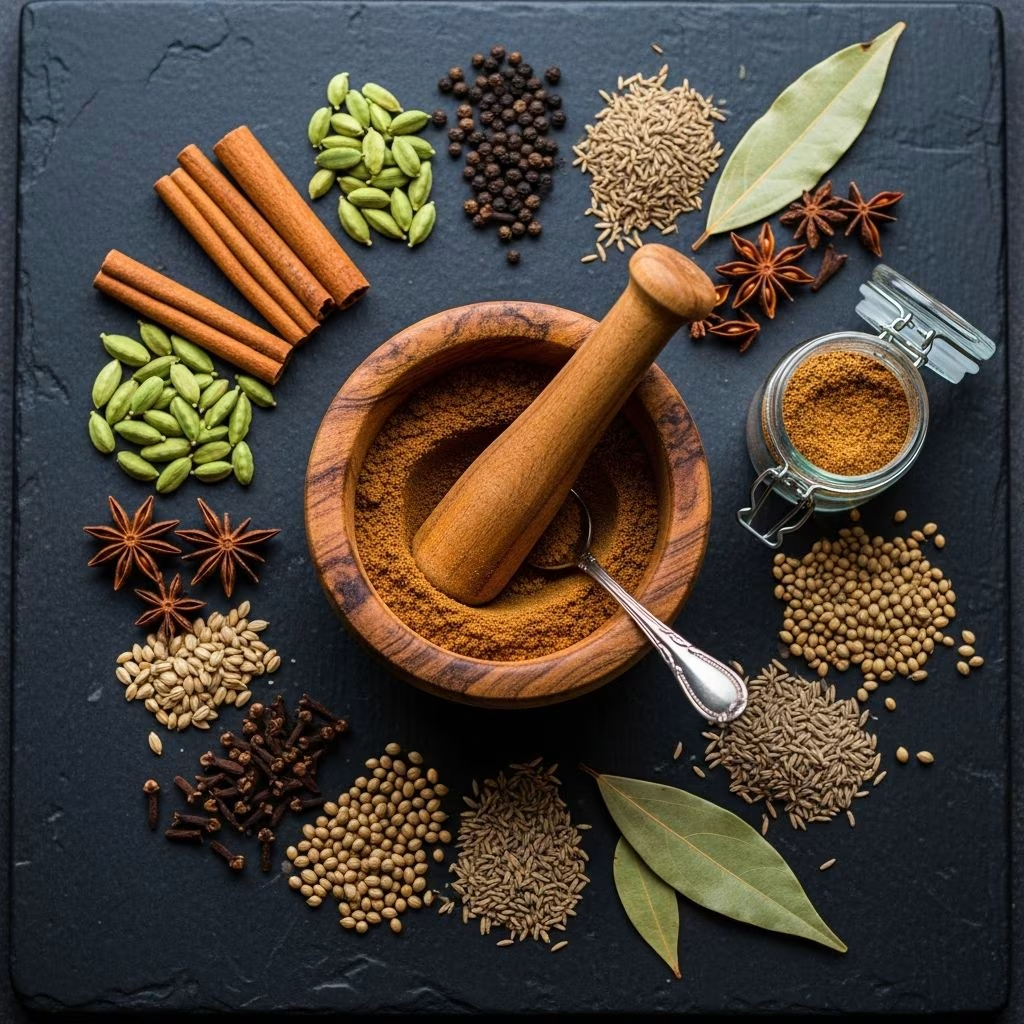
Building a superior garam masala starts with selecting high-quality whole spices. Toasting unlocks essential oils, intensifying aromas. Here’s a curated list of staples:
- Cumin seeds: Provide an earthy backbone, grounding the blend’s warmth.
- Coriander seeds: Add citrusy brightness and mild sweetness.
- Black peppercorns: Deliver sharp heat, distinguishing homemade from milder commercial mixes.
- Cloves: Contribute pungent, sweet notes in small quantities.
- Black cardamom pods: Offer smoky depth; green cardamom adds floral hints.
- Cinnamon sticks: Infuse woody sweetness; Ceylon variety is milder and preferred.
- Bay leaves: Enhance complexity when toasted and ground.
Optional additions like fennel seeds, star anise, mace, or nutmeg allow personalization. For instance, black cumin seeds can replace standard cumin for a nuttier profile.
| Spice | Role | Quantity (for 1/2 cup batch) |
|---|---|---|
| Cumin Seeds | Earthy base | 2 tbsp |
| Coriander Seeds | Citrus notes | 2 tbsp |
| Black Peppercorns | Heat | 1 tbsp |
| Cloves | Pungency | 3/4 tsp |
| Black Cardamom | Smoky | 2 pods |
| Cinnamon | Sweetness | 2-inch stick |
Step-by-Step Recipe for Authentic Blend
Prepare this 20-minute recipe for a small jar’s worth, scalable as needed. Use a spice grinder or coffee mill dedicated to spices.
- Gather and measure: Collect whole spices as per the table above. Break cinnamon and bay leaves into smaller pieces for even toasting.
- Toast gently: In a dry skillet over medium heat, add spices in batches. Stir constantly for 2-4 minutes until fragrant and lightly browned. Avoid burning to prevent bitterness.
- Cool completely: Spread on a plate to halt cooking and preserve volatile oils.
- Grind finely: Process in a grinder until powdery. Sieve to remove coarse bits, re-toasting and grinding remnants if needed.
- Store properly: Transfer to an airtight glass jar, kept in a cool, dark place. Freshness lasts 3-6 months; freeze for longer.
This method yields a potent mix ready for immediate use.
Perfect Storage and Shelf Life Tips
Freshness is key—ground spices lose potency quickly. Opt for opaque jars to block light. Label with creation date. Signs of decline include faded aroma or clumping from moisture. Revive by toasting lightly before use. Whole spices extend life up to a year when stored similarly.
Versatile Applications in Everyday Cooking
Garam masala shines in diverse recipes, added toward the end to preserve nuance.
- Curries: Stir into chickpea or eggplant bases with tomatoes, coconut milk, onions, garlic, and ginger for creamy depth.
- Rice dishes: Sprinkle over biryanis or pilafs with veggies and nuts.
- Vegetable sides: Season roasted cauliflower, potatoes, or greens.
- Proteins: Rub on chicken or tofu before grilling; finish creamy lemon-butter sauces.
- Lentils and dals: Enhance palak dal or simple mung bean stews.
Start with 1/2 tsp per serving, adjusting to taste. It pairs with turmeric, cumin, and chili for layered profiles.
Recipe Ideas Featuring Your Blend
Chickpea Curry Delight
Sauté onions, garlic, ginger; bloom 1 tsp garam masala with turmeric and cumin. Add chickpeas, tomatoes, coconut milk; simmer 30 minutes. Serve with naan.
Lemon Butter Chicken
Crisp garam masala-dusted chicken thighs; deglaze with lemon juice, butter, cream. Ready in 25 minutes.
Tofu Tikka Masala
Marinate tofu in yogurt and spices including garam masala; simmer in tomato gravy.
Customizing for Regional Tastes
Adapt based on palate:
- Punjabi style: Heavy on cloves and cardamom.
- South Indian: Add curry leaves, less pepper.
- Mughlai: Nutmeg and mace for richness.
- Vegan-friendly: All plant-based inherently.
Experiment cautiously, tasting as you go.
Frequently Asked Questions
What does garam masala taste like?
It offers a warm, complex profile blending peppery heat, sweet cinnamon, and floral cardamom—far richer than any single spice.
Can I use ground spices instead of whole?
Yes, but toasting whole ones yields superior flavor. If grinding pre-ground, mix and use immediately.
Is garam masala spicy?
Mildly warming from pepper, not chili-hot. Adjust with flakes for fire.
How much to use in recipes?
1/4-1 tsp per pound of protein or veggies; finish dishes with it.
Substitutes if missing a spice?
Approximate with curry powder, but it lacks authenticity. Prioritize cumin-pepper-cardamom trio.
Health Benefits and Nutritional Notes
Spices in garam masala boast antioxidants: cumin aids digestion, cinnamon stabilizes blood sugar, cloves fight inflammation. Use moderately as a flavor enhancer, not medicine. Whole spices retain more nutrients than pre-ground.
Common Mistakes to Avoid
- Over-toasting: Leads to bitterness.
- Poor grinding: Results in gritty texture.
- Excess early in cooking: Burns off aromas.
- Moist storage: Causes clumping and mold.
Master these for pro-level results.
Pairing with Other Indian Spice Blends
Combine with:
- Chaat masala: For tangy snacks.
- Tandoori masala: Grilled meats.
- Pav bhaji masala: Street food mashes.
This elevates fusion experiments.
References
- Authentic 20-Minute Garam Masala Recipe — Tea for Turmeric. 2023-05-15. https://www.teaforturmeric.com/garam-masala-recipe/
- Garam Masala Curry Recipe with Chickpeas — Sunglow Kitchen. 2024-02-10. https://www.sunglowkitchen.com/garam-masala-curry-recipe/
- Homemade Garam Masala Spice — Feasting at Home. 2023-11-20. https://www.feastingathome.com/garam-masala-recipe/
- 20 Fantastic Recipes with Garam Masala — Holy Cow Vegan. 2024-01-05. https://holycowvegan.net/recipes-with-garam-masala/