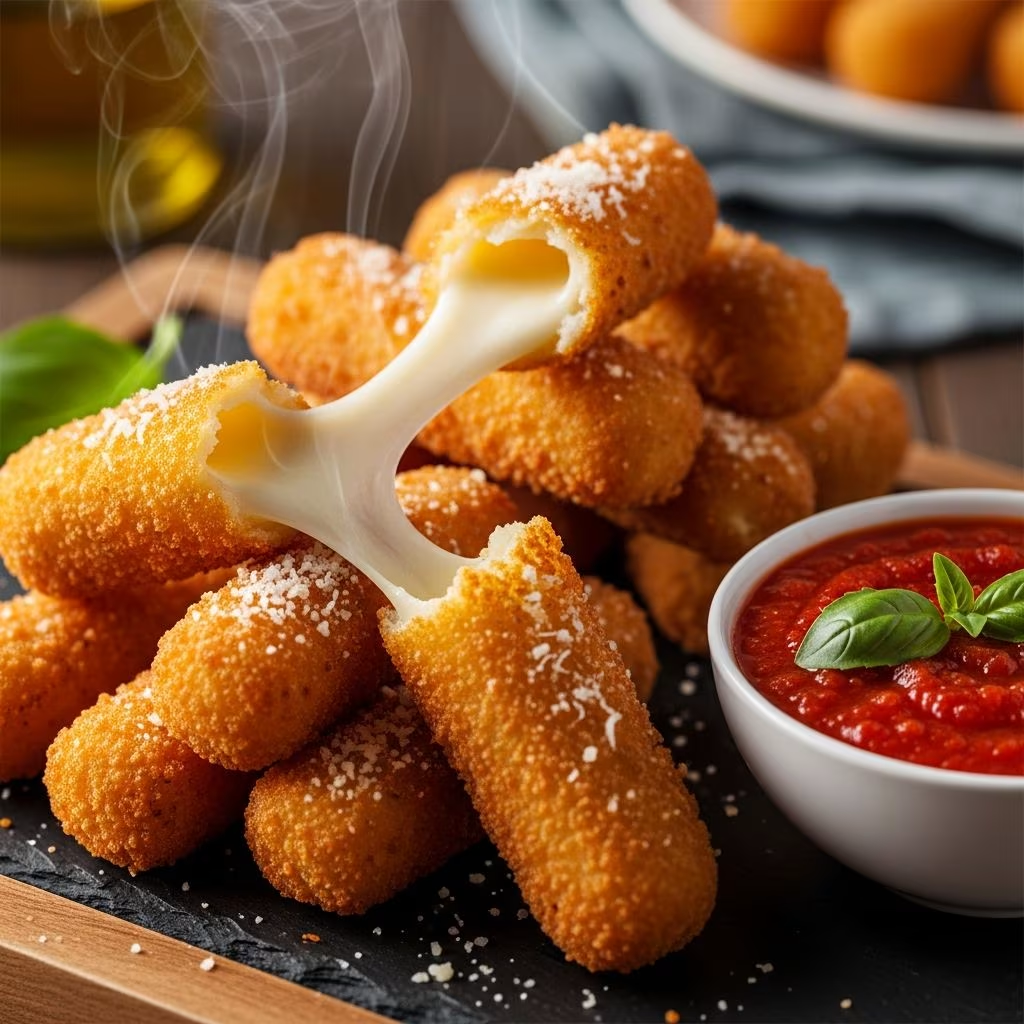
Fried mozzarella cheese sticks have become a beloved appetizer staple across restaurants and casual dining establishments worldwide. Their appeal lies in the delightful contrast between a crispy, golden exterior and a warm, stretchy mozzarella center. While many people associate these delectable bites with takeout menus, creating them at home is entirely achievable with the right approach, quality ingredients, and proper technique. This comprehensive guide will walk you through every aspect of preparing stunning homemade mozzarella cheese sticks that rival their commercial counterparts.
Understanding the Fundamentals of Mozzarella Cheese Stick Preparation
The foundation of exceptional mozzarella cheese sticks begins with understanding the basic principles that make them successful. The primary challenge when frying cheese is managing the contrast between the exterior coating and the interior filling. The coating must become crispy and golden while the cheese inside heats through without completely exploding out of its breading jacket. This balance requires strategic planning and adherence to specific preparation methods that have been proven effective by countless home cooks and professional kitchens.
The process involves three essential components: the cheese itself, the protective coating system, and the cooking temperature. Each element plays a crucial role in determining whether your final product achieves the desired texture and appearance. Understanding how these components interact will significantly improve your success rate and allow you to troubleshoot any issues that may arise during preparation.
Selecting and Preparing Your Cheese
The type of cheese you select serves as the foundation for your entire dish. String cheese offers convenience and is readily available in most grocery stores, eliminating the need for cutting and measuring. However, you can also purchase whole milk mozzarella blocks and cut them into sticks approximately the size of traditional string cheese. When cutting from a block, aim for pieces roughly half an inch thick and three to four inches long to match the proportion and cooking characteristics of commercial string cheese.
Before coating your cheese, ensure that the sticks are cold and prepared properly. Some recipes recommend cutting the string cheese in half crosswise to create shorter pieces that are easier to handle and cook more quickly. This approach also reduces the likelihood of the cheese leaking excessively from the breading during frying. Whether you use full-length or halved sticks depends on personal preference and how you want to present and serve the final product.
Building Your Breading System
The coating that surrounds your mozzarella performs multiple functions: it insulates the cheese during frying, creates the desired crispy texture, adds flavor, and provides visual appeal. A successful breading system consists of three distinct layers, each serving a specific purpose.
The Flour Layer: This initial coating serves as an adhesive layer that helps subsequent coatings adhere to the cheese. Combine all-purpose flour with seasonings such as salt, black pepper, and Italian seasoning. The flour should be spread in a shallow dish or bowl for easy dredging. Some recipes incorporate paprika or seasoned salt into the flour mixture for additional flavor development.
The Egg Wash: Beat eggs together with a small amount of milk or water to create a binding liquid. This mixture must thoroughly coat each cheese stick, ensuring that the breadcrumb layer adheres properly during cooking. The egg wash is essential for creating a cohesive breading structure that remains intact during frying.
The Breadcrumb Coating: Panko breadcrumbs are the preferred choice for most recipes because they create an exceptionally crispy exterior with an appealing texture. Standard Italian breadcrumbs can serve as an alternative if panko is unavailable. Many recipes combine different types of breadcrumbs or add dried herbs such as Italian seasoning, oregano, and parsley directly into the breadcrumb mixture for enhanced flavor. Some creative variations include adding garlic powder, red pepper flakes, or grated Pecorino Romano cheese to the breadcrumb component.
The Multi-Layer Coating Technique
Professional results require a double-coating approach that provides superior crispness and structural integrity. Begin by placing your prepared flour mixture in one shallow bowl or resealable bag. Put your egg wash in another bowl, and your seasoned breadcrumbs in a third bowl or bag. Working with a few cheese sticks at a time, follow this sequence:
- Dip the cheese stick into the flour mixture and coat completely, shaking off any excess
- Transfer immediately to the egg wash, ensuring complete coverage on all sides
- Move the stick into the breadcrumb mixture and coat thoroughly, pressing gently to help the coating adhere
- Return the stick to the egg wash for a second dip, creating an additional layer of moisture to bond the final breadcrumb coating
- Finish with a second pass through the breadcrumbs, ensuring complete and generous coverage, particularly at the ends where cheese might otherwise leak out
This double-coating technique creates the thick, protective barrier necessary for maintaining the integrity of the cheese during frying while producing the restaurant-quality crispy exterior that makes these appetizers so appealing.
The Critical Freezing Step
After completing the coating process, arrange all breaded cheese sticks on a baking sheet lined with parchment paper or a wire rack. This step is absolutely crucial for success and cannot be skipped or minimized. Place the entire baking sheet in the freezer for a minimum of twenty to thirty minutes, though many experienced cooks recommend freezing for one hour or even longer. If you plan to freeze the sticks beyond one hour, transfer them to an airtight container to prevent freezer burn and maintain quality.
The freezing step serves multiple critical functions. First, it solidifies the cheese completely, preventing it from leaking out during the brief cooking time. Second, it allows the breading coating to set properly, ensuring it maintains its structural integrity when exposed to hot oil. Third, the frozen center requires longer cooking time in the oil, which allows the exterior to achieve that perfect golden-brown color and crispy texture before the cheese inside becomes overly hot and starts escaping through the breading. This timing coordination is essential for achieving the ideal mozzarella stick texture.
Oil Selection and Temperature Management
The oil you choose for frying significantly impacts the final flavor and texture of your mozzarella sticks. Vegetable oil, canola oil, and peanut oil are all suitable choices that provide neutral flavors and appropriate smoke points for deep frying. Avoid oils with strong flavors that might overpower the delicate cheese and breading combination. You will need at least two to three quarts of oil depending on the depth of your cooking vessel.
Temperature control is perhaps the most critical factor in achieving consistent results. Heat your oil to between three hundred fifty and three hundred seventy-five degrees Fahrenheit. This temperature range is cool enough to allow the breading to become golden and crispy without burning, while hot enough to cook the interior cheese in approximately thirty to ninety seconds depending on the size of your cheese sticks. Using a reliable cooking thermometer removes guesswork and ensures optimal results.
The Frying Process and Timing
Working in small batches to prevent temperature drops, carefully place a few frozen cheese sticks into the hot oil. The cheese sticks should sink initially and then begin to float as they cook. Gently move them around using tongs or a skimmer to ensure even cooking on all sides. The actual cooking time ranges from thirty seconds for thin pieces to nearly five minutes if you are frying thick, full-length sticks.
The visual cue indicating readiness is when the breading turns a deep golden brown on all sides. However, timing is just as important as appearance. If you notice cheese beginning to ooze from the breading, this indicates the sticks are approaching perfection and should be removed immediately. Overcooking will cause excessive cheese leakage and waste your carefully prepared ingredients.
As each batch finishes cooking, carefully remove the sticks from the oil using a skimmer or slotted spoon. Allow them to drain on a paper towel-lined plate or tray for one to two minutes. This resting period allows excess oil to drain away while the exterior remains crispy.
Seasoning and Finishing Touches
While your mozzarella sticks are still warm from frying, consider adding finishing touches that enhance their appeal and flavor. A light sprinkle of freshly cracked black pepper or grated Pecorino Romano cheese adds sophistication and extra flavor dimension. Some variations incorporate a dusting of garlic powder or Italian seasoning blend. These finishing touches should be applied immediately while the residual heat and any remaining oil help them adhere to the breading surface.
Alternative Cooking Methods
While traditional deep frying produces the most authentic results, several alternative cooking methods can accommodate different dietary preferences and kitchen equipment.
Air Fryer Method: For those with air fryer equipment, prepare your cheese sticks following the same coating and freezing process. Once frozen, place the sticks in the air fryer basket without overlapping. Lightly spray them with cooking spray and set the temperature to approximately three hundred ninety degrees Fahrenheit. Cook for six to eight minutes until the exterior becomes golden and crispy. The results closely approximate traditional frying with significantly less oil.
Baking Alternative: For a lower-fat option, place coated and frozen cheese sticks on a parchment-lined baking sheet. Spray lightly with cooking oil and bake at four hundred twenty-five degrees Fahrenheit for approximately eight to ten minutes until the exterior turns golden. While the texture differs slightly from fried versions, this method produces acceptable results for those seeking reduced fat content.
Serving Suggestions and Accompaniments
Fried mozzarella cheese sticks pair beautifully with complementary dipping sauces and accompaniments. Marinara sauce represents the classic pairing, with its acidity balancing the richness of the fried cheese. Ranch dressing provides a cool, creamy contrast. Garlic aioli, sriracha mayo, or spicy mustard offer creative variations that elevate the experience. Serve your freshly prepared mozzarella sticks immediately while the contrast between the warm, melted interior and crispy exterior remains at its peak.
Storage and Make-Ahead Guidance
Coated and frozen mozzarella sticks can be stored in the freezer for several weeks if kept in airtight containers. This convenient make-ahead quality makes them perfect for entertaining or quick appetizers. Simply remove the desired quantity from the freezer and fry according to the standard procedure without thawing. Fully cooked mozzarella sticks are best consumed immediately but can be briefly reheated in a three hundred fifty-degree oven for approximately five minutes if necessary, though the texture will not precisely match freshly fried versions.
Troubleshooting Common Issues
Cheese Leaks Excessively: This typically indicates insufficient freezing time or overly high oil temperature. Ensure adequate freezing and monitor oil temperature with a thermometer.
Breading Separates from Cheese: Double-coating and proper egg wash application prevent this issue. Ensure thorough coating coverage and adequate freezing time.
Exterior Burns While Interior Remains Cold: Lower your oil temperature by twenty-five degrees and increase cooking time slightly.
Final Product Is Soggy: Allow adequate draining time on paper towels and serve immediately after cooking.
Frequently Asked Questions
Can I use fresh mozzarella instead of string cheese?
Fresh mozzarella contains higher moisture content and is more prone to leaking. For best results, stick with whole milk mozzarella blocks or traditional string cheese designed for this preparation method.
How far in advance can I prepare breaded mozzarella sticks?
Breaded sticks can be frozen for up to three weeks in an airtight container. This convenient feature makes them excellent for advance preparation and entertaining.
What is the ideal oil temperature for frying?
Three hundred fifty to three hundred seventy-five degrees Fahrenheit produces optimal results. Use a cooking thermometer for accuracy.
Why is the freezing step so important?
Freezing prevents cheese from leaking during frying, allows the breading to set properly, and coordinates cooking times between the exterior and interior.
Can I reuse the frying oil?
Oil can be reused if properly strained and stored. Allow the oil to cool completely, strain through a fine-mesh strainer, and store in a cool, dark location.
Conclusion
Creating exceptional fried mozzarella cheese sticks at home requires attention to detail and adherence to proven techniques. By selecting quality cheese, preparing a protective breading system, executing the double-coating method, respecting the freezing step, and monitoring oil temperature carefully, you can consistently produce appetizers that rival or exceed restaurant versions. These golden, crispy bites with warm, melted centers will impress family and guests while providing the satisfaction of homemade preparation. Whether you prepare them for casual snacking, entertaining, or special occasions, these versatile appetizers offer reliable deliciousness every single time.
References
- Panko Breadcrumb Characteristics and Deep-Frying Applications — Food Science Institute, University of Minnesota. 2024-03-15. https://www.umn.edu/food-science
- Optimal Oil Temperatures for Deep-Frying Foods — USDA Food Safety and Inspection Service. 2023-08-22. https://www.fsis.usda.gov/food-safety
- Mozzarella Cheese Properties and Melting Behavior — International Journal of Culinary Science. 2024-01-10. https://www.culinaryscience.org
- Egg Wash Applications in Breaded Food Products — Journal of Food Preparation and Handling. 2023-11-05. https://www.foodpreparation.edu/research
- Double-Coating Techniques for Maximum Crispness — Professional Culinary Arts Academy. 2024-02-18. https://www.culinaryarts.edu/techniques