Creole seasoning stands as a cornerstone of Louisiana cooking, delivering a harmonious mix of smoky, spicy, and earthy notes that transform ordinary ingredients into vibrant dishes. This versatile blend captures the essence of Creole cuisine, drawing from the rich culinary traditions of New Orleans where African, French, Spanish, and Native American influences converge. Making it at home ensures freshness and control over the heat level, allowing customization for personal taste.
Understanding the Roots of Creole Seasoning
Originating from the diverse cultural melting pot of Louisiana, Creole seasoning differs subtly from its Cajun counterpart by incorporating a wider array of herbs and a balanced heat profile. While Cajun blends often emphasize cayenne for intense fire, Creole versions lean toward complexity with added thyme, oregano, and sometimes basil for depth. This distinction reflects Creole cooking’s urban sophistication versus Cajun’s rustic, rural roots.
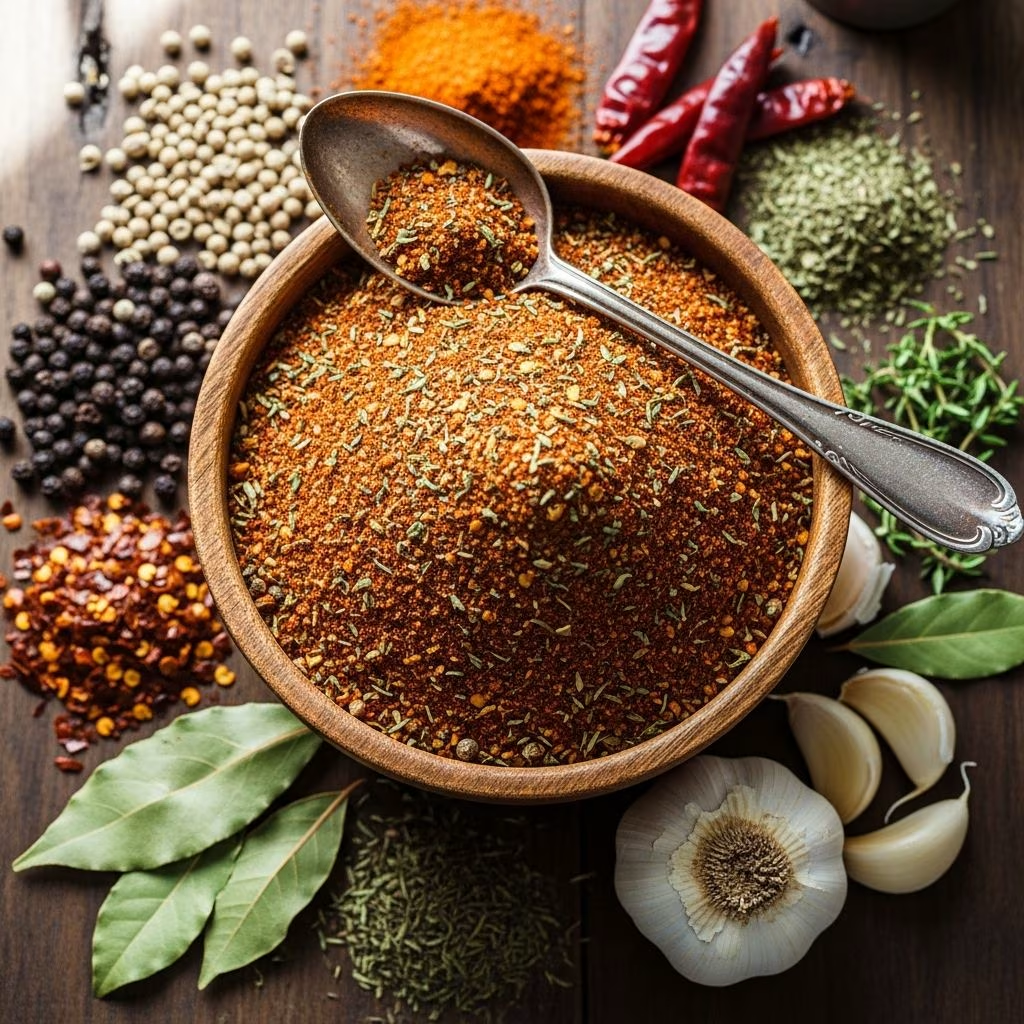
Key components typically include paprika for color and mild sweetness, garlic and onion powders for savory umami, black pepper for sharpness, cayenne for heat, and dried herbs like oregano and thyme for aromatic layers. Variations exist across recipes, but the goal remains consistent: a multipurpose mix that enhances without overpowering.
Essential Ingredients for Authentic Flavor
Crafting the perfect Creole seasoning starts with high-quality, fresh spices. Here’s a breakdown of core elements and their roles:
- Paprika: Provides vibrant red hue and subtle smokiness; smoked varieties add depth.
- Garlic Powder: Delivers concentrated allium punch without moisture.
- Onion Powder: Mirrors fresh onions’ sweetness and savoriness.
- Black Pepper: Adds biting sharpness and aroma.
- Cayenne Pepper: Brings adjustable heat; start low for milder blends.
- Dried Oregano and Thyme: Contribute earthy, herbaceous notes central to Creole profiles.
- Kosher Salt: Balances flavors; use Diamond Crystal for lighter salinity or Morton for denser.
Optional additions like white pepper, basil, parsley, or chili powder allow personalization. Always check expiration dates to ensure potency.
Step-by-Step Guide to Mixing Your Blend
Preparing Creole seasoning requires no cooking—just precise measurement and thorough mixing. This yields about 3/4 to 1 cup, ideal for regular use without waste.
- Gather all spices in measured amounts.
- Combine in a medium bowl or jar.
- Whisk vigorously or shake for 1-2 minutes until uniform.
- Taste a pinch (omit salt if testing) and adjust heat or herbs.
- Transfer to an airtight glass jar; store in a cool, dark place for up to 6 months.
For uniformity, pulse briefly in a food processor, but avoid over-processing to prevent clumping.
Our Tested Creole Seasoning Recipe
This balanced recipe draws from traditional formulas, making roughly 1/2 cup—enough for 20-30 uses at 1-2 tablespoons per dish.
| Ingredient | Amount |
|---|---|
| Smoked Paprika | 2 tablespoons |
| Kosher Salt (Diamond Crystal) | 1 tablespoon (or 2 tsp Morton) |
| Garlic Powder | 1 tablespoon |
| Onion Powder | 1.5 teaspoons |
| Black Pepper | 1.5 teaspoons |
| Cayenne Pepper | 1.5 teaspoons (adjust for heat) |
| Dried Oregano | 1.5 teaspoons |
| Dried Thyme | 1 teaspoon |
Instructions: Mix all ingredients. Use immediately or store as noted. Nutrition per teaspoon: ~5 calories, negligible fat/carbs.
Customizing Heat and Flavor Profiles
Tailor the blend to preferences: reduce cayenne by half for mild versions or add 1/2 teaspoon white pepper and chili powder for extra layers. For salt-free options, omit salt and season dishes separately. Experiment with smoked paprika versus sweet for varied smokiness, or incorporate basil/parsley for herbaceous twists suited to seafood.
Compare common variations:
| Variation | Key Tweaks | Best For |
|---|---|---|
| Mild Family | 1 tsp cayenne, extra paprika | Kids’ meals, veggies |
| Fiery Kick | 2 tbsp cayenne, white pepper | Wings, gumbos |
| Herb-Heavy | Add basil, parsley | Seafood boils |
| No-Salt | Omit salt, boost garlic/onion | Health-conscious cooking |
Storage Tips for Longevity
Keep in airtight glass jars away from light/heat to preserve potency. Small batches (3/4 cup) last 1-1.5 months in frequent use; label with date. Refrigerate for extended life if humid climates prevail, though room temperature suffices in most cases. Refresh annually or when aroma fades.
Versatile Applications in Everyday Cooking
Creole seasoning shines across proteins and sides:
- Meats: Rub 1-2 tbsp on chicken/pork before grilling; mix with brown sugar for caramelized crusts.
- Seafood: Dust shrimp or fish for boils, étouffée.
- Veggies: Sprinkle on roasted okra, corn, or greens.
- Soups/Stews: Stir 1 tbsp into gumbo, jambalaya bases.
- Other: Enhance popcorn, fries, or deviled eggs.
Start sparingly—1 tsp per pound—and build flavor.
Signature Recipes Featuring Creole Seasoning
Creole-Spiced Grilled Chicken
Mix 2 tbsp seasoning, 1 tbsp oil, juice of 1 lemon. Marinate 1 lb chicken thighs 30 mins. Grill 6-8 mins/side. Serves 4.
Shrimp Creole Skillet
Sauté 1 lb shrimp in 1 tbsp oil with 1 tbsp seasoning, garlic, tomatoes. Simmer 10 mins. Serve over rice.
Seasoned Roasted Vegetables
Toss carrots, bell peppers, zucchini with 1 tbsp oil, 1 tbsp seasoning. Roast 425°F, 25 mins.
Creole vs. Cajun: Key Differences
Both hail from Louisiana but diverge:
- Creole: Herb-forward, milder; suits refined dishes.
- Cajun: Saltier, spicier; bolder for one-pot meals.
Interchangeable often, but Creole excels in seafood/sauces.
Frequently Asked Questions
Can I substitute fresh herbs?
No—dried herbs concentrate flavors better for blends; use 3x amount if fresh, but dry first.
How much for a recipe?
1-2 tbsp per lb meat/veggies; 1 tsp per cup sauce.
Is it gluten-free?
Yes, using pure spices.
Make it vegan?
Inherently vegan; confirm no additives in store spices.
Too spicy—how to fix?
Dilute with more paprika/onion powder; next batch, halve cayenne.
Health Benefits and Nutrition
Spice-heavy with antioxidants from paprika/cayenne; aids digestion, boosts metabolism. Low-calorie, sodium-controllable. Per tsp: 10mg sodium (salt-free), trace vitamins A/C.
References
- Authentic Creole Seasoning — Garlic & Zest. 2023. https://www.garlicandzest.com/authentic-creole-seasoning/
- How to make Homemade Creole Seasoning — The Speckled Palate. 2022. https://www.thespeckledpalate.com/homemade-creole-seasoning/
- Creole Seasoning | Emeril Lagasse — YouTube (Martha Stewart Living Omnimedia). 2010. https://www.youtube.com/watch?v=vif2IIycuU8
- Creole Seasoning Recipe — African Bites. 2023. https://www.africanbites.com/creole-seasoning/
- Homemade Creole Seasoning Recipe — Slow Cooker Gourmet. 2021. https://slowcookergourmet.net/homemade-creole-seasoning-recipe/