Creating barbecue sauce at home opens up a world of flavor possibilities, and combining the sweetness of cola with spicy elements produces a remarkably versatile condiment. This approach to sauce-making transforms simple pantry staples into something extraordinary. The carbonation in cola breaks down during the cooking process, leaving behind a concentrated sweetness and subtle caramel notes that complement grilled proteins beautifully.
Understanding the Foundation of Cola-Based Sauces
The marriage of cola and barbecue sauce represents a fascinating evolution in American cooking traditions. Cola brings more than just sweetness to the table—it contributes complexity through its blend of vanilla, spice, and citrus undertones. When reduced during cooking, these flavors intensify rather than disappear, creating a sauce with surprising depth.
The key to success lies in using regular cola rather than diet versions. Diet formulations lack the syrup content necessary for proper reduction and thickening, resulting in a sauce that remains too thin regardless of cooking time. Full-sugar cola provides the body and richness that gives the final product its signature character.
Essential Ingredients and Their Roles
A successful cola barbecue sauce requires understanding how each component contributes to the final result. The base typically combines ketchup with cola, creating an immediate flavor foundation. Ketchup contributes tomato solids, natural acidity, and umami depth that complements the cola’s sweetness.
Acidic elements like apple cider vinegar or distilled white vinegar balance the sweetness and enhance preservation. Vinegar also brightens flavors and adds complexity that prevents the sauce from tasting one-dimensional. Most recipes employ between one-quarter and one-half cup of vinegar per cup of cola.
Sweetening elements beyond the cola itself—such as brown sugar, honey, or molasses—allow you to calibrate the overall flavor profile. Brown sugar dissolves easily and adds molasses notes, while molasses itself contributes a deeper, more complex sweetness. Honey offers floral undertones and additional moisture.
Aromatic vegetables form the flavor backbone. Minced garlic and finely diced onions should be gently sautéed in oil before adding other ingredients to soften them and mellow their raw bite. This step prevents harsh vegetable flavors and ensures even distribution throughout the sauce.
Heat sources vary based on preference and available ingredients. Sriracha sauce provides consistent, moderate heat with vinegar undertones. Habanero peppers deliver significant spice with fruity notes. Jalapeños offer milder heat and vegetal character. Some recipes incorporate hot sauce, allowing easy adjustment of final spice levels.
Building Flavor Through Spice Selection
The spicy component transforms cola sauce from a standard condiment into something memorable. Different heat sources impart distinct flavor characteristics beyond mere capsaicin intensity.
Fresh peppers like habaneros introduce fruity complexity alongside heat. Seeding these peppers reduces intensity while retaining flavor. For milder applications, adding just a portion of seeds creates adjustable heat levels.
Prepared chili sauces offer convenience with consistent heat levels. Sriracha brings vinegar and garlic notes that integrate seamlessly into cola-based formulations.
Worcestershire sauce contributes subtle spice along with umami depth and fermented complexity. This ingredient adds a savory dimension that enhances meat applications.
Dry spices like smoked paprika, black pepper, and thyme add layers without introducing moisture. Paprika contributes gentle heat and smoky character that complements grilled meats perfectly.
Preparation Techniques and Cooking Methods
The cooking process fundamentally affects the final sauce quality. Starting with sautéed aromatics creates a flavorful base before liquid ingredients are added. This foundational step ensures garlic and onion flavors distribute evenly rather than remaining concentrated in small chunks.
After combining all ingredients, bringing the mixture to a boil activates flavors and begins the reduction process. A rolling boil for ten minutes intensifies taste while evaporating excess moisture. This step should not be skipped, as it transforms raw-tasting ingredients into a cohesive sauce.
Reducing heat to low for an extended simmer—typically thirty minutes to one hour—allows flavors to meld and the sauce to thicken naturally. Stirring occasionally prevents sticking and ensures even cooking. The sauce will continue thickening as it cools, so achieving the perfect consistency requires removing it from heat while slightly thinner than desired.
For sauce variations incorporating tomato paste, adding this ingredient after the initial boil prevents burning and allows it to incorporate evenly. Whisking it in gradually ensures smooth integration without lumps.
Texture and Consistency Considerations
The ideal barbecue sauce consistency strikes a balance between spreadable and pourable. Most recipes target a thickness slightly less viscous than ketchup, allowing the sauce to cling to proteins without sliding off during cooking.
If your sauce turns out too thin after cooking, gentle simmering on low heat continues the reduction process. Conversely, sauce that becomes too thick can be adjusted by stirring in small amounts of cola or vinegar to reach desired consistency.
For applications requiring a smoother texture, blending the cooled sauce produces a uniform consistency. This technique works particularly well when whole or chunky vegetables have been incorporated. Allow the sauce to cool slightly before blending to avoid burns from escaping steam.
Ingredient Comparison and Variations
| Recipe Variation | Primary Sweetener | Heat Source | Unique Ingredient |
|---|---|---|---|
| Classic Simple Style | Brown Sugar | Sriracha | Soy Sauce |
| Habanero Forward | Molasses | Fresh Habanero | Tomato Paste |
| Tangy Variation | Minimal | Hot Sauce | Dill Pickle Juice |
| Savory Focused | Moderate | Black Pepper | Worcestershire Sauce |
Storage and Preservation Methods
Properly stored cola barbecue sauce maintains quality for extended periods. Refrigeration in sealed containers keeps sauce fresh for approximately two weeks, making it suitable for regular use during grilling season.
For longer storage, proper canning techniques following established guidelines from reputable sources like the USDA or mason jar manufacturers ensure safety and longevity through summer months and beyond. The high vinegar and sugar content supports preservation, but sterile containers and correct processing methods remain essential.
Freezing represents an alternative preservation method for those preferring not to can. Sauce frozen in ice cube trays offers convenient portioning for future use. Thawed sauce maintains quality for several weeks when kept refrigerated.
Application and Serving Suggestions
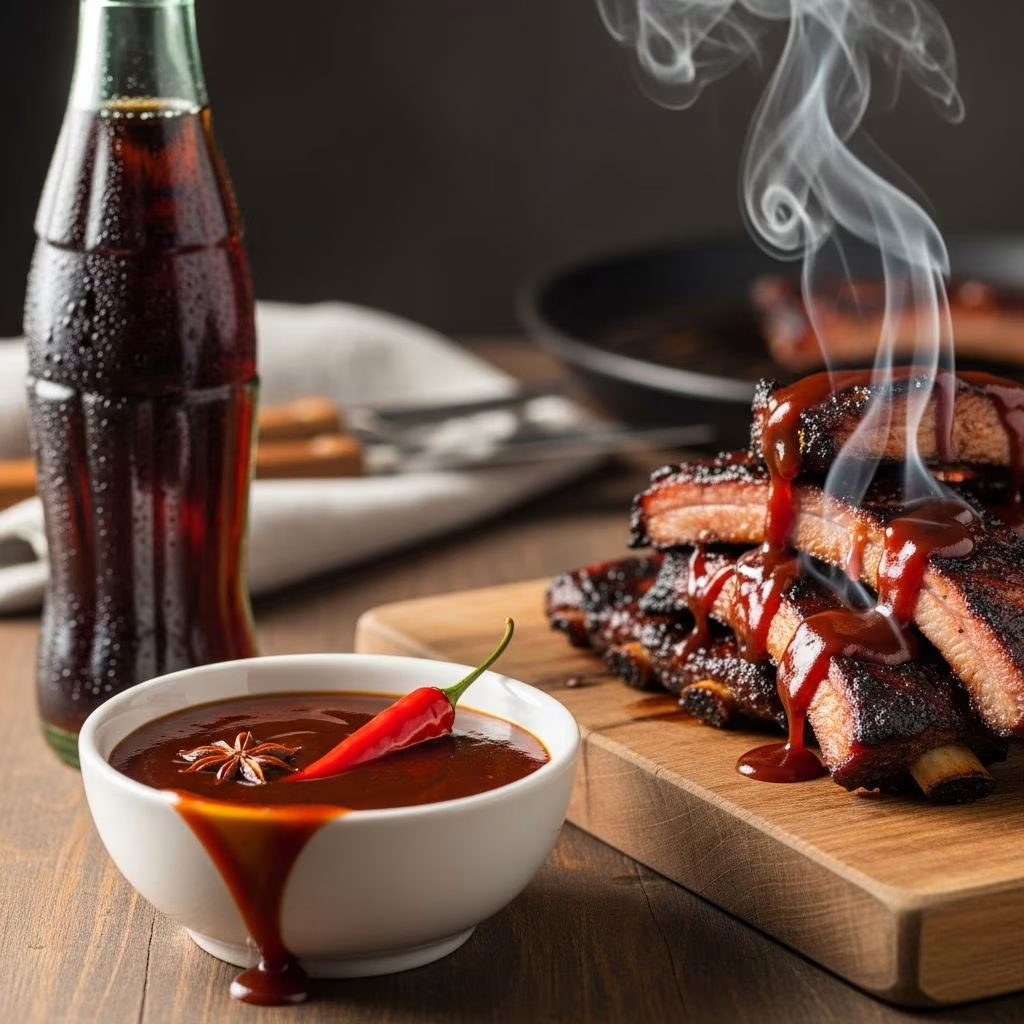
Cola barbecue sauce performs excellently across diverse applications. As a glaze brushed onto ribs, chicken, or pork during the final cooking stages, it caramelizes beautifully and adds glossy visual appeal. The sauce’s spice elements complement rich proteins without overwhelming delicate flavors.
For pulled pork and brisket, stirring sauce directly into shredded meat distributes flavor throughout, creating cohesive textured results. For burgers and sausages, spreading sauce on buns or using it as a topping adds moisture and flavor dimension.
Beyond grilling applications, this sauce serves as a dipping condiment for appetizers, a ingredient in braised dishes, and a component in marinades. The balance of sweet, spicy, and tangy elements makes it versatile enough for experimentation.
Customization and Flavor Adjustments
Beginning cooks often worry about achieving perfect flavor balance. The beauty of homemade sauce lies in the ability to adjust elements to personal preference.
If your sauce tastes too sweet, additional vinegar gradually added during cooking increases acidity and balances sweetness. If it lacks spice, hot sauce or fresh peppers can be incorporated even after initial cooking.
For those preferring smokier character, smoked paprika increases in small increments until desired intensity emerges. Garlic powder, onion powder, and other dry seasonings can be whisked in after cooking without requiring further reduction time.
Worcestershire sauce, soy sauce, or tamari provide umami depth when the sauce tastes flat or one-dimensional. Start with small amounts, as these ingredients carry strong flavors.
Frequently Asked Questions
Can I use diet cola in this sauce?
Diet cola is not recommended for barbecue sauce. The lack of sugar content prevents proper reduction and thickening, resulting in thin, watery sauce regardless of cooking time. Regular cola provides the syrup necessary for body and the caramel notes that make the sauce distinctive.
How long does homemade cola barbecue sauce last?
Refrigerated in sealed containers, properly made cola barbecue sauce remains fresh for approximately two weeks. For longer storage, follow proper canning procedures according to USDA guidelines, or freeze portions in ice cube trays for convenient future use.
What type of cola works best?
Traditional cola varieties work well, though experimenting with different brands reveals subtle flavor variations. Avoid specialty or flavored colas that might introduce competing tastes. Standard cola provides the vanilla and spice notes that complement barbecue applications.
Can I reduce the spice level?
Yes, absolutely. Reduce fresh pepper quantities, omit hot sauce, or use mild salsa instead of sriracha. Alternatively, remove habanero seeds before dicing to decrease heat while retaining flavor. You can always add more heat gradually, but removing it is impossible once incorporated.
Should I blend the sauce for smoothness?
Blending is optional and depends on preference. For a rustic texture with vegetable pieces, skip blending. For silky consistency, blend after the sauce cools slightly. Cover the blender hole with a kitchen towel to prevent steam burns.
What proteins work best with this sauce?
Cola barbecue sauce complements pork, chicken, and beef excellently. The spice and sweetness balance particularly well with ribs, pulled pork, burgers, and sausages. Experiment with different proteins to discover personal preferences.
Conclusion and Final Thoughts
Crafting homemade cola barbecue sauce represents an achievable way to elevate grilling experiences. The combination of cola’s subtle complexity with customizable spice elements creates a condiment that stands apart from commercial alternatives. Through understanding ingredient roles, mastering basic cooking techniques, and confidently adjusting flavors to personal preference, anyone can produce restaurant-quality sauce at home. Whether preparing for casual weeknight grilling or special occasions, this versatile sauce deserves a place in your regular cooking rotation.
References
- Coca-Cola Barbecue Sauce Guide — Rock Recipes. Accessed 2026. https://www.rockrecipes.com/coca-cola-barbecue-sauce/
- Coca-Cola Habanero BBQ Sauce Recipe — Simply Scratch. Accessed 2026. https://www.simplyscratch.com/coca-cola-habanero-bbq-sauce/
- Proper Food Preservation and Canning Guidelines — United States Department of Agriculture Food Safety Division. https://www.fsis.usda.gov/