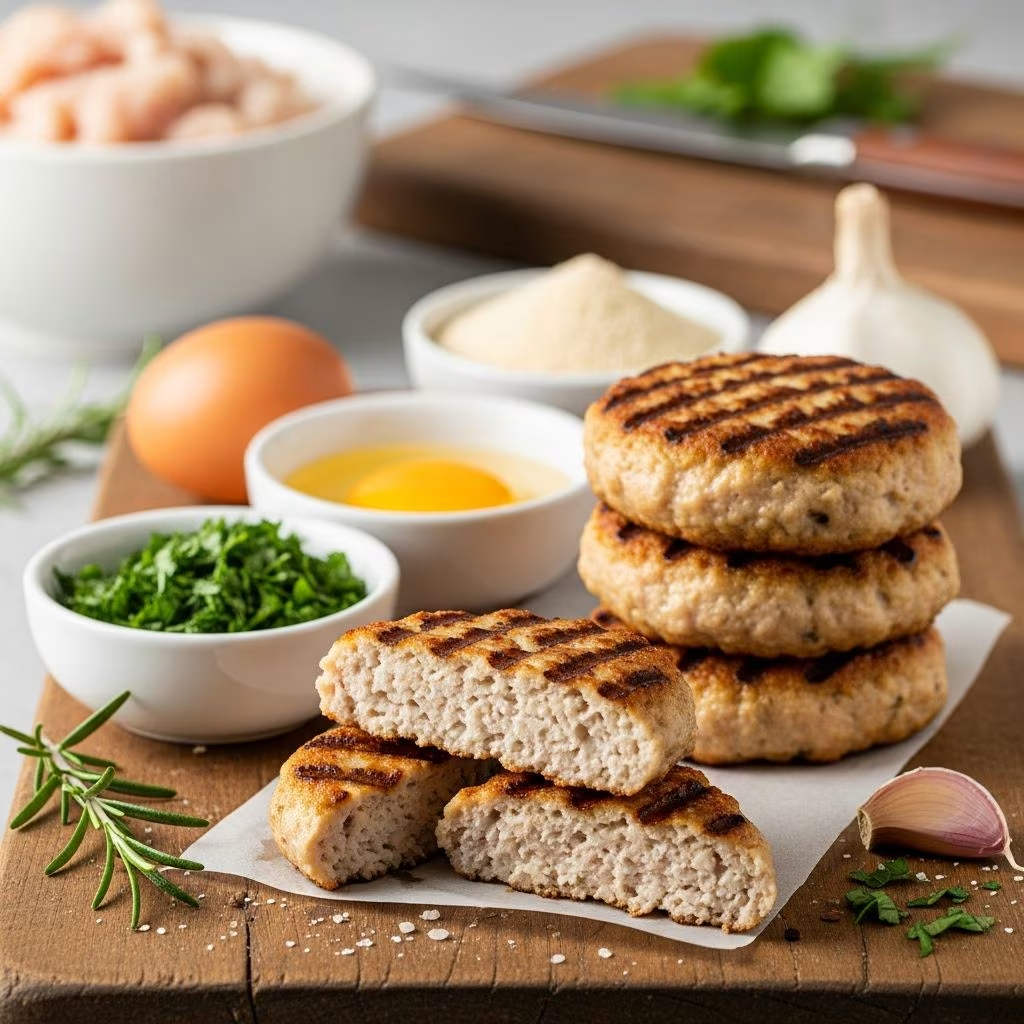
Chicken patties represent a versatile and satisfying protein option that bridges the gap between comfort food and nutritious eating. Whether you're looking for a quick weeknight dinner solution, a make-ahead lunch component, or an impressive appetizer for entertaining, homemade chicken patties deliver on flavor, texture, and convenience. Unlike their frozen counterparts, freshly prepared patties allow you to control ingredients, customize seasonings, and achieve a superior taste and texture that resonates with family members of all ages.
The beauty of crafting chicken patties at home lies in their adaptability. You can prepare them using ground chicken for a lighter base or utilize leftover shredded poultry from previous meals. Each approach produces distinct textural qualities and flavor profiles, enabling you to experiment and discover your preferred preparation method.
Understanding the Foundation: Essential Ingredients
The foundation of exceptional chicken patties begins with selecting quality ingredients that work harmoniously together. Ground chicken serves as the primary protein component, providing a lean base that accepts flavoring elements beautifully. When choosing ground chicken, opt for varieties with a slight fat content—pure white meat can result in overly dry patties, while a blend incorporating some dark meat maintains moisture and juiciness throughout the cooking process.
Binding agents play a crucial role in holding the mixture together during formation and cooking. Eggs act as the primary binder, creating a matrix that encapsulates the chicken and aromatics. Breadcrumbs contribute additional structural support while simultaneously enhancing the coating's crispness when the patties make contact with heat. Many recipes incorporate panko breadcrumbs specifically, as their larger granule size creates a more pronounced textural contrast between the crunchy exterior and tender interior.
Moisture-promoting ingredients deserve special attention, as chicken's inherent leanness can sometimes produce dense results. Mayonnaise contributes fat and emulsifying properties that keep patties tender and flavorful. Greek yogurt serves as an alternative for those seeking lighter options while maintaining that crucial moisture content.
Flavor Components That Elevate Your Patties
- Aromatics: Minced onions, fresh scallions, and grated garlic infuse depth and complexity into each bite
- Fresh Herbs: Parsley, Italian seasoning, and basil brighten the overall flavor profile with herbal freshness
- Cheese Elements: Parmesan, cheddar, or mozzarella add umami richness and create pockets of melted flavor
- Spice Blends: Combinations of salt, pepper, paprika, and specialty seasonings like Creole or za'atar create distinctive flavor signatures
- Citrus Notes: Lemon zest introduces brightness that prevents the patties from tasting heavy
The Preparation Process: Step-by-Step Methodology
Building Your Chicken Mixture Foundation
Begin by assembling all ingredients in a spacious mixing bowl, which allows for thorough combination without crowding. Combine your ground chicken with the chosen binding agents first—typically eggs whisked until uniform. This approach ensures the binding matrix distributes evenly throughout the protein.
Next, introduce your aromatics and flavor components. Gently fold rather than aggressively mix to preserve the chicken's natural texture. Overmixing develops gluten strands in breadcrumbs and can result in dense, compact patties. The goal is homogeneous distribution while maintaining a light, loosely combined state.
Once seasoning components are incorporated, add your binding breadcrumbs and cheese elements. Again, exercise restraint in mixing intensity. The mixture should hold together when pressed but shouldn't appear pasty or compressed.
Shaping and Coating Techniques
Portion your mixture using a standard ice cream scoop or by hand, creating uniform pieces that will cook consistently. For consistency, aim for patties approximately three-eighths to one inch thick—thinner versions cook quickly but may dry out, while thicker patties require longer cooking that can develop a tough exterior.
Place a shallow bowl of additional breadcrumbs nearby. Working with one portion at a time, gently press the mixture into a patty shape, then roll or coat thoroughly with breadcrumbs, pressing gently so they adhere to the surface. This double-breading technique—incorporating crumbs into the mixture and coating the exterior—creates the signature crispy texture that distinguishes homemade patties from store-bought alternatives.
Pre-Cooking Preparation
Transfer shaped patties onto a parchment-lined plate or cutting board. If time permits, refrigerate for at least thirty minutes. This resting period allows the coating to set and helps the internal ingredients meld, resulting in more structurally sound patties that maintain their shape during cooking.
Cooking Methods and Temperature Control
| Cooking Method | Temperature | Duration | Best For |
|---|---|---|---|
| Pan-Frying | Medium to Medium-High Heat | 4-6 Minutes Per Side | Optimal Crispness and Crust Development |
| Shallow Frying | 350-375°F Oil Temperature | 3-5 Minutes Per Side | Deep Golden Color and Quick Cooking |
| Oven Baking | 400°F | 15-20 Minutes | Hands-Off Preparation and Reduced Oil |
| Air Frying | 375°F | 10-12 Minutes | Quick Cooking with Minimal Oil |
Achieving the Perfect Crust
The pan-frying method remains the gold standard for home cooks seeking maximum crispness. Heat a skillet with oil—vegetable, olive, or a combination—over medium-high heat. The oil should shimmer but not smoke; excessive temperature burns the coating before the interior cooks through, while insufficient heat produces greasy results.
Place patties carefully into the hot oil without crowding the pan. Overcrowding reduces oil temperature and creates steam rather than the dry heat necessary for crust formation. Work in batches if needed. Resist the urge to move patties around; allow them to develop an undisturbed golden crust, typically requiring three to four minutes. Only then should you flip, cooking the reverse side until it matches the first side’s coloration.
Transfer cooked patties to a paper towel-lined plate, which absorbs excess oil while the residual heat continues gentle interior cooking. This resting period also allows carryover cooking to bring the center to optimal temperature.
Storage and Make-Ahead Strategies
Chicken patties prove remarkably convenient for advance preparation. Uncooked, shaped patties maintain quality in the refrigerator for up to two days when stored on parchment-lined containers. When ready to cook, no thawing is necessary—simply extend cooking time slightly to account for the cold start.
For longer storage, freeze shaped patties individually on a baking sheet, then transfer to freezer bags where they keep successfully for up to three months. Frozen patties can transition directly to the skillet or oven with minimal time adjustment.
Cooked patties also freeze beautifully. Cool completely, arrange on a baking sheet, freeze until solid, then package in airtight containers or freezer bags. Reheat gently in a three-hundred-fifty-degree oven for approximately ten minutes, or briefly in a skillet over medium heat to restore crispness.
Creative Serving Suggestions and Pairings
The versatility of chicken patties extends far beyond simple dinner plates. Consider these serving approaches to maximize their appeal across various occasions:
- Sandwich Applications: Layer onto toasted buns with lettuce, tomato, and your preferred sauce for sophisticated homemade chicken sandwiches
- Breakfast Integration: Serve alongside eggs and toast for protein-rich morning meals
- Salad Toppers: Slice cooked patties and arrange over mixed greens with vinaigrette for composed salads
- Appetizer Presentations: Serve bite-sized patties with various dipping sauces for entertaining
- Grain Bowls: Accompany brown rice, quinoa, or farro with fresh vegetables and patties for balanced meals
- Dipping Creations: Pair with marinara sauce for Italian-inspired applications or tzatziki for Mediterranean flavors
Troubleshooting Common Challenges
Even experienced home cooks encounter occasional difficulties when preparing chicken patties. Understanding solutions to common problems ensures consistent success.
Patties Falling Apart During Cooking: This typically indicates insufficient binding. Ensure eggs are properly beaten and well-distributed throughout the mixture. Consider increasing breadcrumb quantity slightly or refrigerating the shaped patties longer before cooking, allowing the binding matrix to set completely.
Dry or Dense Interior: Lean ground chicken without adequate moisture-promoting ingredients produces this result. Incorporate more mayonnaise or Greek yogurt, or select ground chicken with higher fat content. Avoid overcooking by monitoring internal temperature—one hundred sixty-five degrees Fahrenheit represents the safe endpoint.
Soggy Rather Than Crispy Exterior: Insufficient oil temperature or overcrowded pan conditions create steam rather than the dry heat necessary for crust formation. Ensure oil is properly heated before adding patties and maintain adequate spacing between them.
Nutritional Considerations and Lighter Adaptations
Ground chicken offers a lean protein alternative to beef or pork, providing approximately twenty-six grams of protein per three-ounce serving. The nutritional profile becomes even more favorable when using ground white meat exclusively and reducing added fats.
For lighter preparations, consider these modifications: substitute Greek yogurt for mayonnaise in a one-to-one ratio, reduce cheese quantity or select lower-fat varieties, and opt for almond flour or crushed nuts instead of traditional breadcrumbs for novel texture while reducing carbohydrate content. Air-frying or oven-baking methods also reduce overall fat intake compared to traditional pan-frying.
Frequently Asked Questions
Can I use rotisserie chicken instead of ground chicken?
Absolutely. Shredded rotisserie chicken creates delicious patties with excellent flavor from the seasoning applied during commercial roasting. Use approximately two cups of shredded meat for recipes calling for one pound of ground chicken. The preparation process remains identical.
What’s the best oil for frying chicken patties?
Neutral-flavored oils with high smoke points work best—vegetable oil, canola oil, or refined coconut oil all perform excellently. Extra virgin olive oil can work but has a lower smoke point; reserve it for drizzling or lower-temperature applications.
How do I know when patties are fully cooked?
Use an instant-read thermometer to confirm the internal temperature reaches one hundred sixty-five degrees Fahrenheit. Alternatively, slice into the thickest part; the interior should show no pink and juices should run clear.
Can I bake these instead of frying?
Yes, baking works well. Arrange patties on a parchment-lined baking sheet and bake at four hundred degrees for fifteen to twenty minutes. While they won’t achieve the same level of crust crispness as pan-fried versions, baking offers convenience and reduced oil usage.
Do I need to bread the patties?
Breading is optional but highly recommended. It creates the signature crispy texture and helps protect the delicate interior from drying out during cooking. If you prefer unbreaded versions, ensure adequate binding agents are present to maintain structural integrity.
References
- Safe Cooking Temperatures and Foodborne Illness Prevention — United States Department of Agriculture Food Safety and Inspection Service. https://www.fsis.usda.gov/food-safety/safe-food-handling-and-preparation/meat/safe-temperature-chart
- Ground Poultry: Selection and Storage — United States Food and Drug Administration Center for Food Safety and Applied Nutrition. https://www.fda.gov/food/consumers/safe-food-handling
- Nutritional Content of Poultry Products — United States Department of Agriculture National Nutrient Database for Standard Reference. https://fdc.nal.usda.gov/