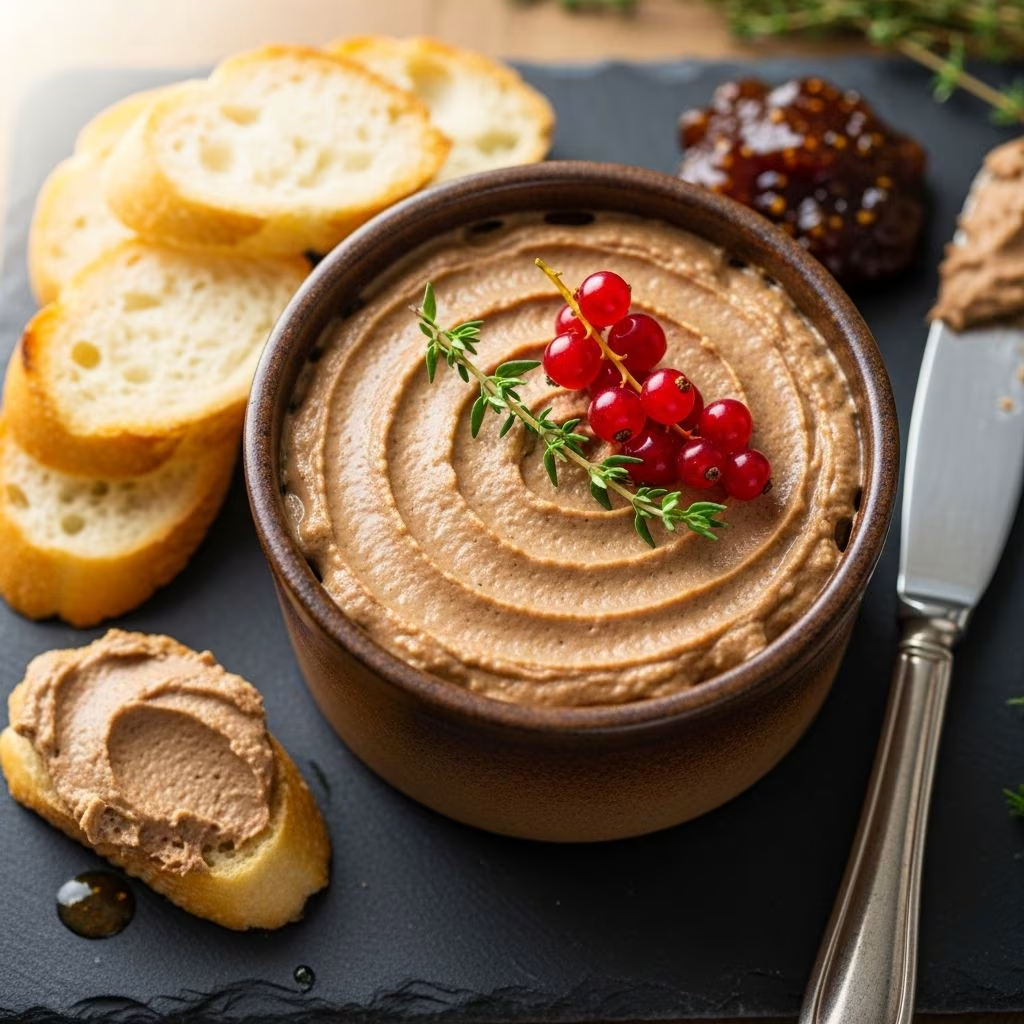
Chicken liver pâté stands as a timeless delicacy, blending rich flavors and velvety texture into an appetizer that impresses at any gathering. This versatile spread traces its roots to French cuisine, where it’s prized for its affordability and depth of taste. With fresh livers, aromatic seasonings, and a touch of spirits, you can craft this luxurious treat in your own kitchen, far surpassing store-bought versions.
Why Choose Chicken Liver Pâté?
Opting for homemade pâté offers control over quality and ingredients, allowing customization to suit dietary preferences or flavor profiles. Nutritionally, chicken livers provide a powerhouse of iron, vitamin A, and B vitamins, making pâté not just indulgent but beneficial in moderation. Its smooth consistency makes it ideal for spreading on toast, crackers, or fresh baguette slices, transforming simple snacks into elegant hors d’oeuvres.
- Cost-effective: Uses inexpensive ingredients for high-end results.
- Customizable: Adjust spices, herbs, or alcohol for unique twists.
- Make-ahead friendly: Improves in flavor after a day or two in the fridge.
Essential Ingredients for Authentic Flavor
The foundation of exceptional pâté lies in premium components. Start with high-quality, free-range chicken livers for the best texture and taste—they should be firm, rosy, and free from bitterness. Butter provides creaminess, while onions, garlic, and herbs build savory depth. A splash of brandy or cognac adds sophistication and helps preserve the mixture.
| Ingredient | Quantity | Purpose |
|---|---|---|
| Chicken livers | 250g (about 9 oz) | Main protein base, rich and smooth when processed |
| Unsalted butter | 125g (½ cup), plus extra for topping | Creaminess and binding |
| Onion, finely chopped | 1 large | Sweetness and aroma |
| Garlic cloves, crushed | 1-2 | Pungent depth |
| Bay leaves | 2 | Subtle earthy notes |
| Fresh thyme | 1 sprig (leaves only) | Floral herbaceous lift |
| Brandy or cognac | 20-40ml (1-2 tbsp) | Caramelized complexity and preservation |
| Salt and white pepper | To taste | Seasoning balance |
Pro tip: Use white pepper to avoid dark specks in the final smooth paste.
Step-by-Step Preparation Guide
Creating pâté involves sautéing, blending, and chilling for optimal results. Patience during cooking prevents graininess, ensuring a luxurious mouthfeel.
- Prep the livers: Rinse livers under cold water, pat dry, and remove any sinew or green bits for purity of flavor.
- Sauté aromatics: Melt half the butter in a skillet over medium heat. Add chopped onion and cook until translucent, about 5 minutes. Stir in garlic, bay leaves, and thyme, cooking for 1-2 minutes until fragrant.
- Cook the livers: Add livers to the pan, seasoning lightly with salt and pepper. Sauté for 3-5 minutes until just cooked through— they should be pink inside to avoid toughness.
- Deglaze: Pour in brandy, scraping up browned bits. Simmer until liquid reduces by half, about 2 minutes. Remove from heat and cool slightly. Discard bay leaves.
- Blend smoothly: Transfer mixture to a food processor with remaining butter. Process for 3-5 minutes until silky. Taste and adjust seasoning.
- Chill and set: Spoon into ramekins or a terrine. Melt extra butter and pour over top for a seal. Refrigerate for at least 4 hours, ideally overnight.
Yield: About 2 cups, serving 8-10 as an appetizer.
Variations to Suit Every Palate
While classic chicken liver pâté shines on its own, experimentation yields exciting results. For a beef version, substitute beef liver and pair with red wine for heartier notes. Country-style pâté skips the food processor for a coarser texture, mixing ground pork, livers, and pistachios before baking like a terrine.
- Vegetarian alternative: Use mushrooms and walnuts blended with cream cheese for an earthy mock pâté.
- Spicy kick: Incorporate chili flakes or green peppercorns during sautéing.
- Herbed upgrade: Add sage or rosemary for Mediterranean flair.
For stuffed applications, cube firm pâté and fill mushrooms or hollowed tomatoes, then bake briefly for warm bites.
Perfect Pairings and Serving Suggestions
Elevate pâté with thoughtful accompaniments that contrast its richness. Crisp Melba toast, made by thinly slicing and baking baguette, provides crunch. Fresh pickles, mustard, and fruit preserves cut through the fat, while a green salad balances the plate.
| Pairing | Why It Works |
|---|---|
| Cornichons or pickles | Tangy acidity refreshes the palate |
| Fig jam or chutney | Sweetness complements savoriness |
| Crudités (celery, radishes) | Crisp texture contrast |
| Dry white wine (Sauvignon Blanc) | Herbal notes enhance herbs in pâté |
| Rustic bread or crackers | Neutral base for spreading |
Serve at room temperature for peak flavor release.
Storage, Freezing, and Shelf Life
Pâté’s sealed butter top extends freshness up to a week in the fridge. For longer storage, portion into airtight containers and freeze for up to 3 months. Thaw overnight in the fridge before serving. Always check for off odors or mold before consuming.
- Fridge: 5-7 days covered.
- Freezer: 2-3 months; avoid refreezing.
- Thawing tip: Place in fridge 24 hours ahead.
Common Mistakes and Pro Tips
Avoid overcooking livers, which leads to a metallic taste—instead, err on the side of underdone for tenderness. Blend thoroughly for silkiness; a splash of cream can help if needed. Use room-temperature butter for easier incorporation.
- Choose livers from trusted sources to minimize bitterness.
- Work quickly after cooking to preserve heat for blending.
- Experiment with alcohol: port for sweetness, sherry for nuttiness.
Nutritional Insights and Health Considerations
A 2-tablespoon serving delivers approximately 150 calories, 12g fat, 8g protein, and significant nutrients like 100% daily vitamin A and ample folate. Those with gout should limit intake due to purines, but it’s a nutrient-dense option overall.
FAQs
Can I make pâté without alcohol?
Yes, substitute with chicken stock or apple juice for deglazing, though it alters the traditional depth.
Why is my pâté grainy?
Overcooked livers or insufficient blending—ensure livers are barely cooked and process for several minutes.
Is chicken liver pâté safe for pregnant women?
Cooked thoroughly, yes, but consult a doctor due to high vitamin A content.
How do I know when livers are done?
They firm up and lose bright pinkness inside; slice one to check.
Can I bake pâté like a terrine?
Absolutely—for country-style, mix with ground meat, pack into a loaf pan, and bake in a water bath at 350°F for 1 hour.
References
- The Best Ever Chicken Liver Pate recipe — Drizzle and Dip. 2014-12-15. https://drizzleanddip.com/2014/12/15/the-best-ever-chicken-liver-pate/
- Three Pâtés to Satisfy Every Palate — Nourishing Joy. N/A. https://nourishingjoy.com/three-pates-to-satisfy-every-palate/
- Pâté recipes — BBC Good Food. N/A. https://www.bbcgoodfood.com/recipes/collection/pate-recipes