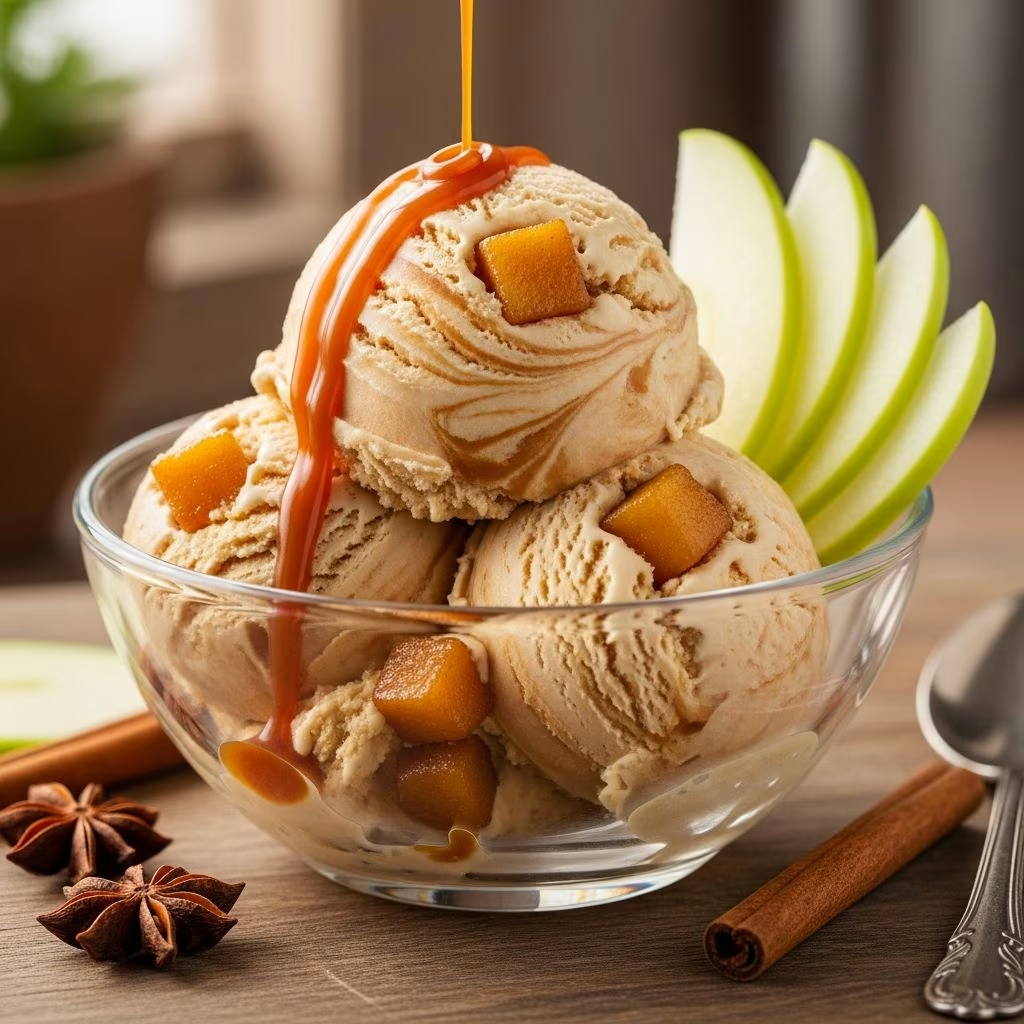
Creating caramel apple ice cream from scratch represents an exciting opportunity to combine seasonal flavors into a sophisticated frozen dessert. This culinary venture brings together the natural sweetness of apples, the rich complexity of caramel, and the smooth texture of premium ice cream. Whether you’re preparing for a special gathering or simply indulging in a homemade treat, understanding the fundamentals of ice cream making transforms the experience from intimidating to enjoyable.
Understanding the Foundation: Core Components
Every successful caramel apple ice cream begins with understanding its essential building blocks. The base of ice cream consists of three primary elements: dairy, sugar, and stabilizers. Heavy cream provides the fat content necessary for a luxurious mouthfeel, while whole milk contributes water content and flavor complexity. The combination of these two dairy products creates the ideal balance for texture development.
Sugar serves multiple purposes beyond sweetening. It lowers the freezing point of the mixture, which prevents the ice cream from becoming rock solid in the freezer. This phenomenon, known as freezing point depression, is crucial for maintaining a scoopable consistency. Additionally, sugar plays a role in texture by affecting ice crystal formation during the churning process.
Egg yolks function as both an emulsifier and a thickening agent. The lecithin naturally present in egg yolks helps bind fat and water molecules together, creating a smooth, cohesive texture. This process, called emulsification, prevents the separation of cream and milk that would otherwise result in grainy ice cream.
Ingredient Selection and Preparation
Choosing Quality Dairy Products
The quality of your ice cream depends significantly on your choice of dairy ingredients. Whole milk should contain at least 3.25 percent fat content, while heavy cream should have a minimum of 36 percent fat content. These percentages directly influence the richness and mouthfeel of your final product.
Temperature control matters immensely when working with dairy products. All ingredients should be cold before combining, as this facilitates proper emulsification and helps achieve the correct consistency during churning. Many experienced ice cream makers refrigerate their bowls and equipment beforehand to maintain optimal temperatures throughout the process.
Apple Components and Caramel Integration
Apple butter represents a concentrated form of cooked apples, offering intense flavor without excess moisture. This ingredient blend seamlessly with the custard base, distributing apple flavor evenly throughout the ice cream. When incorporating apple butter, ensure it reaches room temperature before blending with the cold custard to facilitate smooth integration.
Salted caramel sauce provides textural contrast and concentrated sweetness. The salt element enhances caramel’s complex flavor profile while creating an appealing taste sensation. Preparing caramel sauce in advance allows flavors to develop fully and ensures proper cooling before swirling into the ice cream during the churning process.
Two Primary Preparation Methods
The Traditional Custard Approach
The custard-based method produces ice cream with superior creaminess and sophisticated texture. This technique involves creating a cooked custard base before freezing, which requires attention to temperature and technique.
Begin by combining heavy cream and vanilla in a large bowl with a mesh strainer positioned on top. In a separate medium saucepan, heat the remaining heavy cream with whole milk and both granulated and brown sugar over medium heat. Stir continuously until the mixture reaches a steaming point—approximately 170°F—without boiling.
Slowly introduce the hot liquid to beaten egg yolks in small increments while whisking continuously. This tempering process gradually raises the egg temperature, preventing scrambling while cooking the yolks to a safe temperature. Once the mixture is combined, return it to the saucepan and continue cooking until the custard coats the back of a wooden spoon or spatula—typically 2-3 minutes additional cooking time.
Pour the finished custard through the mesh strainer into the reserved heavy cream, removing any coagulated egg proteins. Allow the mixture to cool over an ice bath, stirring occasionally, until it reaches room temperature. This cooling process typically requires 20-30 minutes and is essential for food safety and proper ice cream texture.
The No-Churn Alternative
For those without ice cream makers or seeking simplified preparation, the no-churn method delivers impressive results with minimal equipment. This approach relies on whipped cream and sweetened condensed milk to achieve creamy texture without mechanical churning.
Whip heavy whipping cream in a stand mixer until stiff peaks form—the cream should hold its shape without collapsing. Carefully fold in sweetened condensed milk, ensuring the mixture remains light and airy. The condensation in sweetened condensed milk provides natural thickening agents that contribute to the final texture.
Layer the no-churn mixture strategically in a loaf pan or freezer-safe container with apple filling components and caramel sauce. The layering technique creates visual appeal and ensures every spoonful contains balanced flavors. Freeze for at least 8 hours or overnight, allowing adequate time for proper hardening.
Assembly and Churning Procedures
Preparing for Mechanical Churning
If using the traditional custard method, blend the cooled custard with apple butter using a high-powered blender until completely smooth. Transfer this mixture to a freezer-safe container and refrigerate until thoroughly chilled—ideally overnight. Cold mixture churns more efficiently and produces superior texture.
Follow your ice cream maker manufacturer’s instructions for churning time and temperature. Most machines require 20-25 minutes of churning to achieve proper consistency. During the final minutes, introduce swirls of salted caramel sauce by drizzling slowly while the machine operates. Gentle swirling preserves the sauce’s distinct flavor pockets rather than completely incorporating it.
Layering Strategies for No-Churn Method
Successful layering begins with spreading approximately one-third of the ice cream base into your prepared container. Drizzle caramel sauce generously over this layer, then distribute half of the chopped apple filling across the surface. Add another third of the ice cream mixture, top with remaining apple pieces, and finish with the final ice cream layer.
Allow the assembled ice cream to freeze undisturbed for at least 8 hours. This extended freezing time enables proper hardening and flavor melding. Some recipes benefit from 24-hour freezing, which intensifies flavors and creates optimal scooping consistency.
Flavor Enhancement Techniques
Spice Integration
Ground cinnamon and nutmeg complement apple flavors beautifully, adding warmth and complexity to the finished ice cream. For whole-custard methods, incorporate these spices during the heating stage, allowing flavors to infuse gradually. Start with modest quantities—typically one-half teaspoon of cinnamon and one-quarter teaspoon of nutmeg—adjusting to personal preference after tasting.
Textural Elements
Graham cracker streusel provides pleasing textural contrast to smooth ice cream. Create streusel by combining crushed graham crackers with melted butter and a small amount of sugar, then toast until fragrant. Layer thin streusel sections between ice cream components to create pockets of crunchiness throughout the frozen dessert.
Toasted walnuts or pecans contribute nutty depth and crunchy texture. Incorporate these elements immediately before final freezing to prevent excessive softening. Their oil content and roasted flavor complement caramel beautifully without overwhelming the delicate apple notes.
Storage and Serving Guidance
Proper Freezer Storage
Transfer churned ice cream to an airtight freezer-safe container immediately after processing. Proper storage prevents freezer burn and maintains texture quality for several weeks. If storing for extended periods beyond two weeks, press plastic wrap directly against the ice cream surface before sealing the container. This barrier minimizes ice crystal formation that compromises texture.
Serving Suggestions
Allow ice cream to sit at room temperature for 5-10 minutes before scooping to achieve optimal texture for serving. A warm ice cream scoop dipped in hot water creates cleaner scoops and more attractive plating. Serve with additional salted caramel sauce drizzled over top, garnished with whipped cream and a sprinkle of sea salt to emphasize caramel’s complexity.
Troubleshooting Common Issues
| Problem | Cause | Solution |
|---|---|---|
| Grainy Texture | Improper egg tempering or insufficient emulsification | Ensure slow, gradual addition of hot liquid to eggs; mix thoroughly with stand mixer |
| Overly Soft Consistency | Insufficient churning or inadequate freezing time | Extend churning duration and allow minimum 8-hour freezing before serving |
| Separated or Curdled Base | Overheating during custard preparation | Monitor temperature carefully; never exceed 185°F; cool immediately |
| Crystalline or Icy Texture | Excessive sugar or prolonged storage | Verify sugar measurements; consume within two weeks; remold briefly before serving |
Frequently Asked Questions
Can I Make This Vegan?
Yes, vegan versions utilize vegan heavy whipping cream and sweetened condensed oat milk as dairy substitutes. Follow the no-churn method, substituting traditional dairy with plant-based alternatives in equivalent volumes. Ensure your caramel sauce contains no animal products. The result delivers comparable creaminess and flavor to traditional ice cream.
What If I Don’t Own an Ice Cream Maker?
The no-churn method eliminates the need for specialized equipment. Results are excellent for home preparation, though texture differs slightly from mechanically churned versions. The no-churn approach takes slightly longer due to extended freezing requirements but demands minimal active preparation time.
How Long Does Homemade Ice Cream Keep?
Properly stored ice cream maintains quality for 2-4 weeks in a standard freezer at 0°F. Airtight containers with minimal air exposure prevent freezer burn and texture degradation. Beyond four weeks, ice crystals gradually increase, affecting texture quality.
Can I Prepare Components in Advance?
Absolutely. Prepare salted caramel sauce several days ahead and refrigerate in an airtight container. Custard base can be prepared 24 hours before churning. Apple butter mixes in directly from the refrigerator. This advance preparation reduces last-minute stress and improves time management.
What Apple Varieties Work Best?
Honeycrisp, Granny Smith, and Gala apples offer excellent flavor profiles. Granny Smith varieties provide tartness that balances caramel’s sweetness, while Honeycrisp apples deliver natural sweetness and texture. Avoid mealy varieties like Red Delicious, which produce undesirable consistency in the finished product.
Seasonal Variations and Creative Additions
Customize this foundational recipe by incorporating complementary flavors. Bourbon or whiskey adds sophistication to the caramel element for adult-oriented versions. Brown butter replaces regular butter in the custard base for nutty complexity. Maple syrup substitutes partially for granulated sugar, introducing autumnal depth.
For holiday celebrations, incorporate spiced cake crumbles or cookie pieces. Swirl in dulce de leche for Latin-inspired variation. Layer with salted pretzel pieces for sweet-and-salty contrast. These modifications demonstrate ice cream’s versatility while maintaining the foundational caramel-apple flavor profile.
References
- The Science of Cooking: Understanding Freezing Point Depression in Ice Cream — University of California, Davis Department of Food Science and Technology. 2024. https://foodscience.ucdavis.edu
- Egg Safety Guidelines for Custard-Based Desserts — U.S. Food and Drug Administration. 2024. https://www.fda.gov/food/foodborneillnesscontaminants
- Emulsification in Culinary Applications: Lecithin and Egg Yolks — American Culinary Federation Research Institute. 2023. https://www.acfchefs.org
- Dairy Ingredient Standards and Quality Metrics — U.S. Department of Agriculture, Dairy Division. 2025. https://www.usda.gov/agriculture
- Freezer Storage Best Practices for Frozen Desserts — National Center for Home Food Preservation. 2024. https://nchfp.uga.edu