Cajun spice blend captures the essence of Louisiana’s vibrant culinary heritage, delivering a symphony of smoky, spicy, and earthy notes in every pinch. This versatile seasoning transforms ordinary ingredients into dishes bursting with bold Southern character, whether rubbed on proteins, stirred into sauces, or sprinkled over vegetables.
Origins and Essence of Cajun Seasoning
Rooted in the resilient traditions of Acadian exiles who settled in Louisiana, Cajun seasoning evolved from simple pantry staples into a cornerstone of regional cooking. It embodies the “holy trinity” of onions, bell peppers, and celery through clever spice combinations that mimic those fresh flavors in dried form. Unlike milder blends, authentic Cajun mixes prioritize heat from peppers alongside aromatic herbs and alliums for depth.
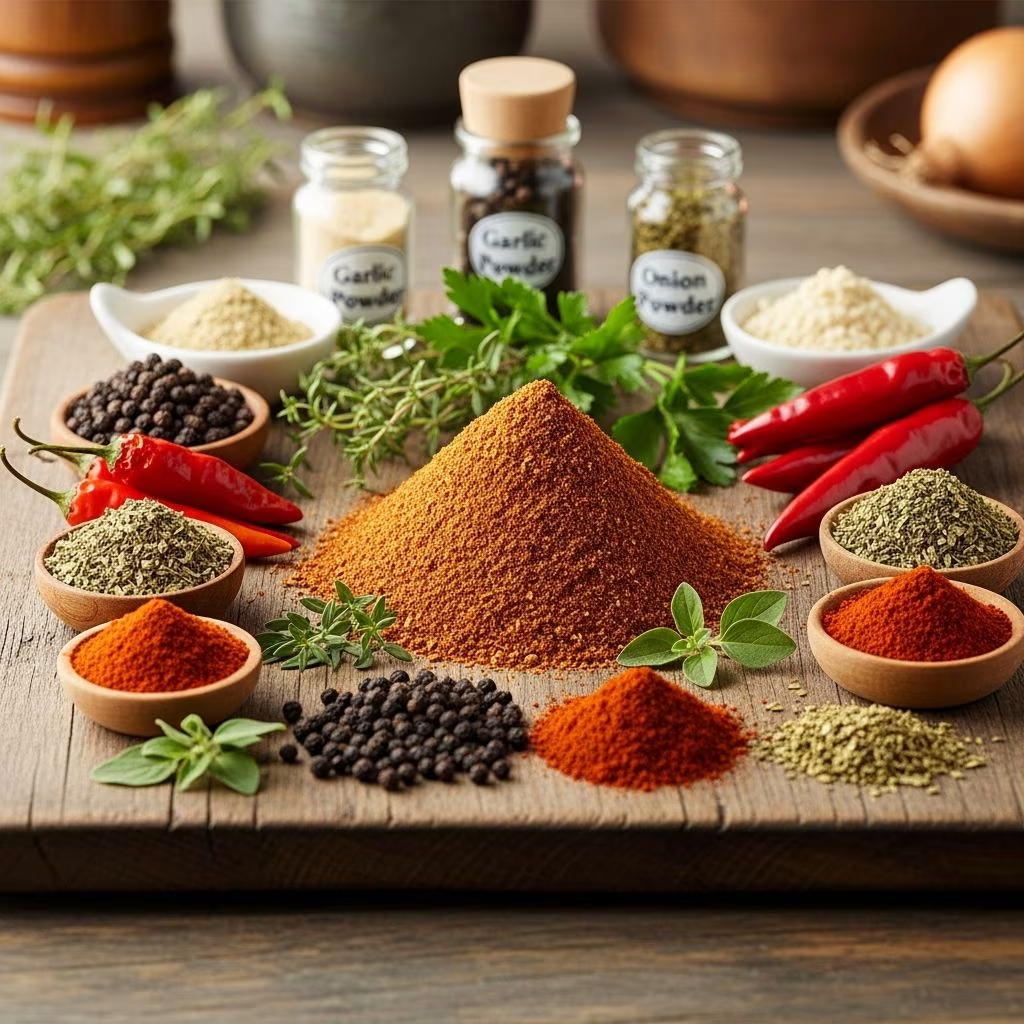
The hallmark of this seasoning is its balance: paprika provides color and mild sweetness, cayenne delivers fiery kick, garlic and onion powders add savory backbone, and herbs like thyme and oregano contribute herbal complexity. This fusion creates a seasoning that’s not just hot but harmoniously layered, perfect for everything from backyard barbecues to weeknight dinners.
Core Ingredients Breakdown
Building a superior Cajun spice starts with understanding each component’s role. Here’s a detailed look at the staples:
- Paprika: The colorful base, often smoked for extra depth or sweet for balance. It lends mild earthiness without overwhelming heat.
- Cayenne Pepper: The heat source, adjustable for spice tolerance. Finely ground for even distribution.
- Garlic and Onion Powders: Essential for umami and subtle sweetness, evoking the holy trinity’s savoriness.
- Black Pepper: Adds sharp, citrusy bite; white pepper offers floral subtlety in some recipes.
- Dried Thyme and Oregano: Herbal anchors that provide bitterness and aroma, rounding out the bold spices.
- Salt: Kosher or sea salt enhances flavors; omit for low-sodium versions.
Optional additions like red pepper flakes amplify texture and crunch, while celery seed nods to traditional Cajun mirepoix.
Classic Homemade Cajun Spice Recipe
Whip up a batch yielding about 1/2 cup, scalable as needed. This balanced formula suits most palates and stores well for months.
| Ingredient | Amount | Purpose |
|---|---|---|
| Paprika (smoked preferred) | 2 tablespoons | Base color and smokiness |
| Garlic Powder | 2 tablespoons | Savory depth |
| Onion Powder | 1 tablespoon | Sweet allium notes |
| Cayenne Pepper | 1 tablespoon | Primary heat |
| Dried Thyme | 1 tablespoon | Earthy herb balance |
| Dried Oregano | 1 tablespoon | Aromatic complexity |
| Black Pepper (freshly ground) | 1 tablespoon | Sharp pungency |
| Kosher Salt | 1.5 tablespoons | Flavor enhancer |
Preparation Steps:
- Gather all spices in a medium bowl.
- Whisk vigorously for 1-2 minutes to ensure even distribution, breaking up clumps.
- Transfer to an airtight glass jar using a funnel; shake daily for the first week to meld flavors.
- Label with date; ready to use immediately but best after 24 hours.
Customizing Your Blend for Every Taste
Personalization elevates this seasoning from good to unforgettable. Tailor heat by dialing cayenne from 1/2 tablespoon (mild) to 2 tablespoons (inferno). For smokier profiles, double smoked paprika or add a teaspoon of chipotle powder.
Health-conscious cooks can craft salt-free versions by excluding salt and adjusting herbs upward. Vegan adaptations shine with celery seed for that trinity illusion without animal products. Families with varied spice preferences benefit from divided batches: one mild for kids, one fiery for adults.
- Mild Version: Halve cayenne, boost paprika.
- Extra Smoky: 1 tablespoon smoked paprika + 1 teaspoon liquid smoke (dried).
- Low-Sodium: Omit salt, use celery salt sparingly if desired.
Storage and Shelf Life Mastery
Proper storage preserves potency. Airtight glass jars in a cool, dark cupboard maintain freshness for 6-12 months. Avoid clear containers to shield from light degradation. Freezing in small portions extends life up to 2 years.
Signs of spoilage include clumping, faded color, or muted aroma—discard if present. Refresh old blends by adding fresh spices proportionally. Pro tip: Grind whole spices for superior flavor, but pre-ground works for convenience.
Versatile Applications Across Dishes
Cajun spice’s adaptability makes it a kitchen MVP. Dry-rub 1-2 tablespoons per pound on chicken, ribs, or shrimp before grilling for caramelized crusts. Toss roasted potatoes or corn with olive oil and 1 teaspoon per serving for addictive crunch.
Incorporate into wet marinades: mix 2 tablespoons with buttermilk for fried chicken tenders. Stir into butter for compound spreads on corn or seafood boils. It shines in gumbo bases, jambalaya rice, or black-eyed peas for authentic flair.
Quick Recipe Ideas:
- Cajun Blackened Fish: Coat tilapia in 1 tablespoon blend, sear in hot cast iron with butter.
- Spicy Veggie Stir-Fry: Sauté zucchini, bell peppers, and onions with 2 teaspoons spice.
- Creamy Pasta Sauce: Bloom 1 tablespoon in oil, add cream and shrimp for decadence.
Pairing with Sides and Beverages
Balance bold spices with cooling contrasts. Creamy coleslaw, cornbread, or potato salad temper heat. Acidic elements like pickled okra or vinegar-based greens cut richness.
Beverages: Iced tea with lemon, light lagers, or watermelon agua fresca refresh the palate. For cocktails, rim glasses with the blend for a spicy margarita twist.
Health Benefits and Nutritional Notes
Beyond flavor, Cajun spices pack antioxidants from paprika and peppers, supporting inflammation reduction. Garlic powder aids immunity, while herbs provide digestive benefits. Low-calorie and sodium-controllable, it’s ideal for mindful eating. Use sparingly if watching salt intake.
Frequently Asked Questions
What makes Cajun seasoning different from Creole?
Cajun leans spicier and rustier with more cayenne; Creole is milder, often including celery salt for elegance.
Can I substitute fresh herbs?
Fresh herbs alter texture; use dried for shelf stability. Triple fresh amounts if substituting in immediate-use recipes.
How much to use per dish?
Start with 1 teaspoon per pound of protein or pint of sauce; adjust to taste.
Is it gluten-free?
Yes, when using pure spices without additives. Check labels for cross-contamination.
Best grind for rubs vs. sauces?
Coarse for rubs to stick; fine for smooth sauces.
Troubleshooting Common Issues
If too salty, dilute with more paprika next batch. Overly hot? Counter with dairy in dishes. Clumps form from moisture—add rice grains to jars as desiccants.
Experiment iteratively: log ratios for favorites. Share jars as gifts with recipe cards for instant popularity.
References
- Homemade Cajun Seasoning Recipe — Mom On Timeout. 2023-05-15. https://www.momontimeout.com/cajun-spice-mix-recipe/
- Cajun Seasoning Mix Recipe (Smoky Homemade Blend) — From Valerie’s Kitchen. 2022-08-10. https://www.fromvalerieskitchen.com/kickin-cajun-seasoning-mix/
- Homemade Cajun Seasoning Mix (Without Salt) — Pass Me Some Tasty. 2024-01-22. https://www.passmesometasty.com/cajun-seasoning/
- Homemade Cajun Spice Mix [out of necessity!] — Cooking by the Book. 2021-11-03. https://cookingbythebook.com/recipes/homemade-cajun-spice-mix-necessity/
- Cajun Spice Seasoning — The Vegan 8. 2023-07-18. https://thevegan8.com/cajun-spice-seasoning/
- Cajun Seasoning — Gimme Some Oven. 2022-06-30. https://www.gimmesomeoven.com/cajun-seasoning/
- Homemade Cajun Seasoning — Lauren from Scratch. 2024-03-12. https://laurenfromscratch.com/homemade-cajun-seasoning-recipe/