Creating a reliable gluten-free flour blend from scratch opens up a world of baking possibilities for those avoiding gluten. One of the most effective approaches centers on brown rice flour as the primary ingredient, combined with strategic additions of starches and binding agents. This comprehensive guide explores how to develop and utilize a homemade brown rice flour blend that delivers consistent results across various baking applications.
Understanding Brown Rice Flour as a Foundation
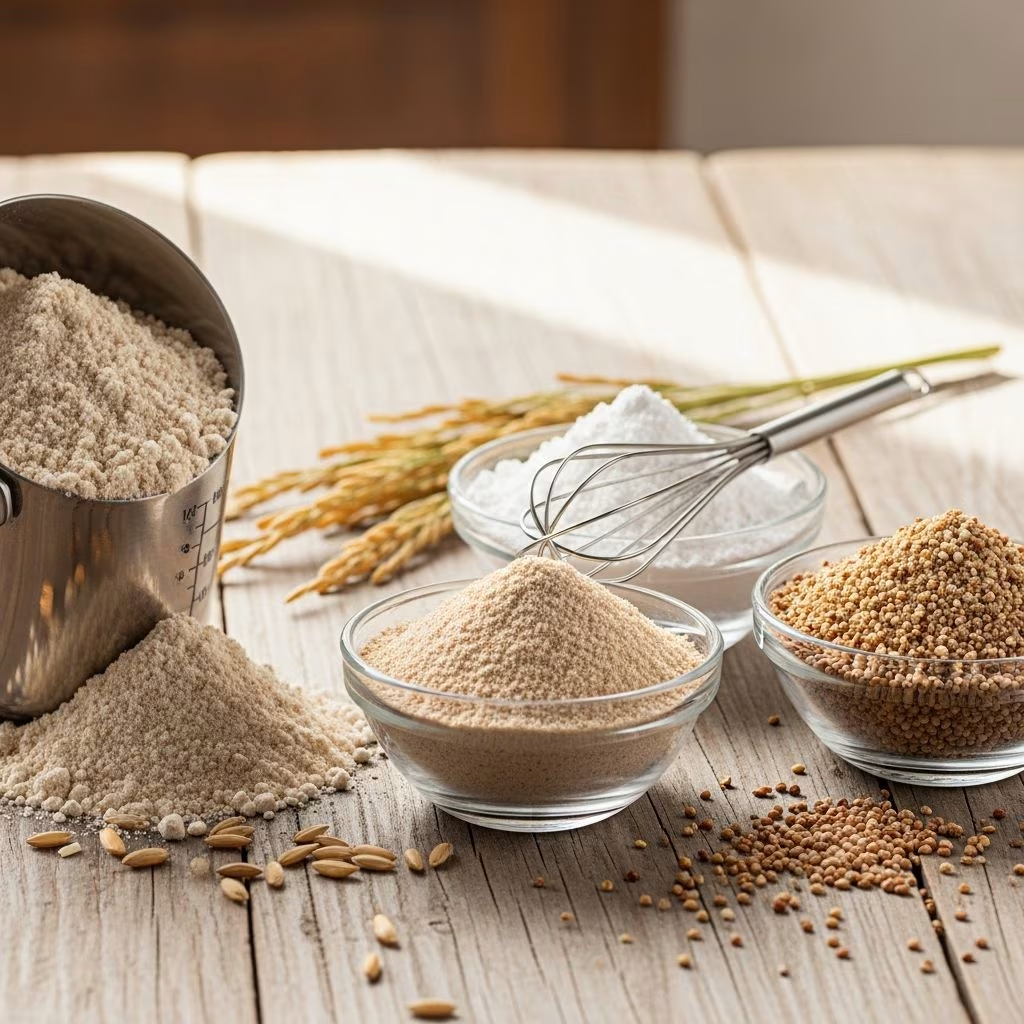
Brown rice flour serves as an excellent base for gluten-free flour blends due to its neutral flavor profile and nutritional properties. Unlike white rice flour, brown rice retains the bran layer, which contributes a subtly nuttier taste and slightly denser texture to finished baked goods. When sourcing brown rice flour for your blend, select finely ground or superfine varieties to minimize grittiness that can negatively impact the mouthfeel of cakes, cookies, and other delicate baked items.
The key advantage of using brown rice flour as your foundation is its versatility across different recipe types. From dense brownies to delicate sponge cakes, this ingredient provides structural stability while maintaining a relatively neutral taste that won’t overpower other flavors in your recipes.
Essential Components of an Effective Blend
A successful gluten-free flour blend requires more than just one ingredient. The formula typically combines brown rice flour with complementary starches and binding agents that work together to replicate the functionality of wheat flour.
Starch Components
Starches play a crucial role in gluten-free baking by providing lightness and structure. Three primary starches commonly used alongside brown rice flour are:
- Tapioca flour (starch): This ingredient creates a chewy texture and helps bind ingredients together. It also contributes to browning and creates a softer crumb structure in finished baked goods.
- Arrowroot powder (starch): Known for its fine texture and neutral flavor, arrowroot helps reduce grittiness in the final blend. It contributes to a lighter, more delicate crumb and is often favored in recipes requiring a refined texture.
- Potato starch: This ingredient adds moisture retention and helps create a tender crumb. It should always be potato starch rather than potato flour, as the latter contains protein and fiber that can alter the blend’s performance.
Binding Agents
Without gluten’s natural binding properties, gluten-free flour blends often require xanthan gum to provide cohesion and elasticity to baked goods. This ingredient helps prevent crumbling and improves the structure of cakes, muffins, and cookies. Typically, one to two teaspoons of xanthan gum per blend suffices, though some recipes may require less depending on other ingredients used.
Basic Brown Rice Flour Blend Recipe
The foundational blend combines four essential components in carefully measured proportions:
| Ingredient | Volume Measurement | Weight Measurement | Purpose |
|---|---|---|---|
| Brown Rice Flour | 4 cups | 520g | Primary flour base providing structure and nutrition |
| Tapioca Flour | ⅔ cup | 84g | Creates texture and aids binding |
| Arrowroot Powder | 1 cup | 120g | Reduces grittiness and improves refinement |
| Xanthan Gum | 2 teaspoons | 7g | Binds ingredients and improves elasticity |
Step-by-Step Instructions
- Gather all four ingredients and assemble them in a clean, dry workspace.
- Use a food scale for the most accurate measurements, as volume measurements can vary based on how densely ingredients are packed.
- Pour the brown rice flour into a large mixing bowl.
- Add the tapioca flour, arrowroot powder, and xanthan gum to the bowl.
- Whisk the ingredients thoroughly until completely combined, ensuring the xanthan gum is evenly distributed throughout the blend.
- Transfer the finished blend to an airtight container suitable for long-term storage.
- Refer to individual ingredient expiration dates to determine the blend’s maximum shelf life.
Alternative Blend Formulations
While the basic blend provides excellent results, bakers may explore variations incorporating additional whole grains and alternative starches for different applications.
Whole-Grain Option
For bakers seeking increased nutritional content and depth of flavor, a whole-grain blend incorporates additional gluten-free grains alongside brown rice flour. This formulation combines 275 grams amaranth flour, 275 grams brown rice flour, 150 grams oat flour, and 300 grams arrowroot powder. Yielding approximately 1,000 grams total, this blend works particularly well for quick breads, muffins, brownies, biscuits, and cookies. For yeast-based breads, additional chia seeds or flax meal should be incorporated to support proper rising and structure.
Diverse Grain Approach
Another alternative combines different gluten-free grains to create a more complex flavor profile. This blend features 140 grams superfine brown rice flour, 120 grams superfine white rice flour, 160 grams potato starch, 70 grams sorghum flour, 80 grams tapioca starch, and 8 grams xanthan gum. This combination leverages the structural properties of brown rice, the lightness of white rice flour, and the nutritional contributions of sorghum.
Measuring and Substitution Guidelines
Understanding proper substitution ratios ensures successful results when converting traditional recipes. Most homemade gluten-free flour blends can substitute regular flour at a ratio of approximately 140 grams of blend per cup of conventional flour in your recipe. This measurement system provides consistency across different baking projects and helps maintain proper ingredient proportions.
Weight-based measurements using a food scale provide superior accuracy compared to volume measurements. The slight density variations in different flour brands and how ingredients settle in measuring cups can lead to inconsistent results when using cups and tablespoons exclusively.
Storage and Shelf Life Considerations
Proper storage ensures your homemade blend remains fresh and functional for extended periods. Store the finished blend in an airtight container positioned in a cool, dry location away from direct sunlight and moisture sources. Under these conditions, the blend typically maintains its quality for up to three months, though this may vary based on the individual freshness dates of component ingredients.
Monitor the expiration dates of each individual flour and starch before combining them into your blend. The overall shelf life of your finished blend corresponds to the earliest expiration date among the component ingredients, so organize your stored ingredients accordingly.
Baking Applications and Results
A well-formulated brown rice flour blend works effectively across numerous baking applications. The balanced proportions of starches and binding agents support successful outcomes for cookies, cakes, muffins, brownies, biscuits, and various quick breads. The blend’s neutral flavor profile allows other recipe ingredients to shine without competing taste notes.
Results generally yield tender crumbs with minimal grittiness when superfine brown rice flour is used. The combination of tapioca flour and arrowroot powder creates appropriate texture and chewiness levels, while xanthan gum ensures structural integrity and prevents excessive crumbling.
Ingredient Quality and Selection Tips
The quality of finished baked goods depends significantly on the quality of individual blend components. When purchasing brown rice flour, select varieties labeled “superfine” or “extra finely ground” to minimize gritty textures in your final products. Regular or standard brown rice flour may contain larger particles that create an undesirable mouthfeel in delicate baked items.
For arrowroot powder and tapioca flour, organic varieties from reputable suppliers often provide consistent performance and quality. Verify that you’re purchasing potato starch rather than potato flour, as these are distinct ingredients with different functional properties in baking applications.
Xanthan gum sourcing should prioritize brands known for consistent quality and purity. Some individuals may experience digestive sensitivity to xanthan gum, so understanding your personal tolerance before committing to a large batch is advisable.
Frequently Asked Questions
Can I use white rice flour instead of brown rice flour?
White rice flour can generally substitute for brown rice flour in most recipes. White rice flour typically results in a lighter, milder flavor compared to brown rice flour’s subtly nuttier profile. Both varieties are gluten-free and functionally similar, though the final baked goods may have slightly different flavor characteristics depending on the specific recipe.
How long does a homemade blend typically last?
Most homemade brown rice flour blends remain fresh for up to three months when stored in an airtight container in a cool, dry location. The blend’s actual shelf life depends on the individual expiration dates of component ingredients, so the earliest expiration date determines the overall freshness window.
What if I don’t have xanthan gum available?
While xanthan gum provides optimal binding properties, some bakers have experimented with alternatives such as chia seeds or flax meal. These substitutes work better in certain applications than others, and results may vary from recipes using xanthan gum. For best results, using xanthan gum as formulated provides the most consistent outcomes.
Can I make a large batch in advance?
Creating larger batches and storing them in airtight containers in cool, dry conditions is practical and convenient. Many bakers find this approach helpful for always having a ready-to-use blend available for spontaneous baking projects. Simply multiply the basic recipe proportions by your desired multiplier to scale the batch appropriately.
Is this blend suitable for yeast breads?
The basic blend works adequately for quick breads and non-yeast baked goods. For yeast-based breads requiring more complex structure and rise characteristics, supplementing the blend with additional binding agents such as chia seeds or flax meal improves results significantly.
Maximizing Success in Gluten-Free Baking
Creating a reliable gluten-free flour blend represents a significant step toward confident baking without gluten-containing ingredients. By understanding each component’s role and maintaining consistent measurements, bakers can achieve results comparable to traditional wheat-based recipes. The investment in quality ingredients and careful attention to proportions pays dividends through consistent, delicious baked goods that satisfy both dietary requirements and culinary expectations.
References
- Homemade Gluten Free Flour Blend — Mom Loves Baking. 2023. https://www.momlovesbaking.com/my-favorite-homemade-gluten-free-flour-blend/
- Homemade Gluten-Free Whole Grain Flour Blend (Brown Rice, Oat and Amaranth) — Grain Mill Wagon. 2023. https://www.grainmillwagon.com/homemade-gluten-free-whole-grain-flour-blend-brown-rice-oat-and-amaranth/
- Easy Gluten-free Flour Mix Recipe: Substitute 1:1 in Baking — Kibitz Spot. 2023. https://www.kibitzspot.com/gluten-free-flour-mix-recipe/
- Gluten Free Flour Blends (3 Recipes) — Gluten Free Alchemist. 2023. https://www.glutenfreealchemist.com/gluten-free-flour-blends-gluten-free-alchemist/
- Homemade Gluten Free Flour Blend — The Gluten Free Austrian. 2023. https://theglutenfreeaustrian.com/dyi-gluten-free-flour-blend/