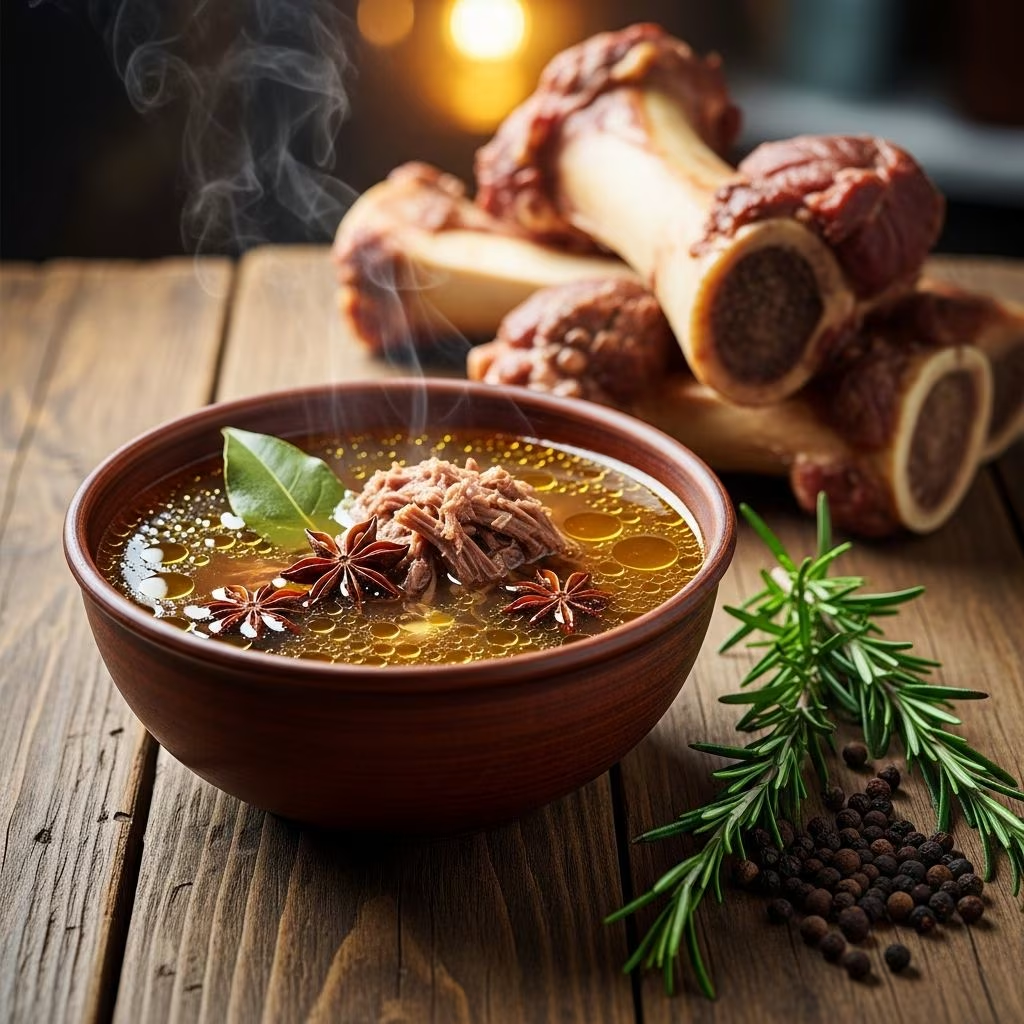
Beef bone broth stands as a cornerstone of nourishing homemade cooking, delivering deep flavors and essential nutrients extracted from quality bones through patient simmering. This guide walks you through creating your own batch, adaptable for stovetop or slow cooker, yielding a versatile base for meals or standalone sipping.
Why Prepare Beef Bone Broth at Home
Making bone broth from scratch surpasses store-bought versions in taste, quality control, and cost-effectiveness. It harnesses the natural goodness of beef bones, pulling out collagen, minerals, and amino acids that support joint health, gut function, and overall vitality. Home preparation lets you select grass-fed bones for superior nutrition and avoid preservatives found in commercial products.
The process transforms humble ingredients into a gelatinous elixir, prized in traditional diets worldwide. Whether boosting immunity during cold seasons or enhancing everyday soups, this broth elevates culinary creations while providing a comforting ritual of slow cooking.
Selecting the Best Bones for Superior Broth
Quality bones form the foundation of exceptional broth. Opt for a mix including knuckles, marrow bones, oxtail, shanks, and short ribs, ideally from grass-fed sources to maximize omega-3s and antioxidants. These cuts offer ample connective tissue, yielding the signature jiggle upon cooling.
- Knuckles and joints: Rich in cartilage for natural gelatin.
- Marrow bones: Add creamy fat and umami depth.
- Oxtail or shanks: Provide meaty richness during long cooks.
- Feet or necks: Boost collagen content significantly.
Aim for 4-10 pounds depending on pot size, ensuring variety prevents one-note flavor. Source from local butchers or farms for freshest options, freezing extras for future batches.
Essential Ingredients and Their Roles
Beyond bones, a thoughtful selection of vegetables, acids, and aromatics builds complexity. Here’s a breakdown:
| Ingredient | Quantity (for 4-6 quarts) | Purpose |
|---|---|---|
| Beef bones (mixed) | 5-7 lbs | Core structure, collagen, minerals |
| Onions, quartered | 2 large | Sweetness, aroma base |
| Carrots, chunked | 3-4 | Natural sweetness, balance |
| Celery stalks | 3-4 | Freshness, subtle earthiness |
| Garlic bulb, halved | 1 | Depth, antimicrobial properties |
| Apple cider vinegar (raw) | 1/4 cup | Mineral extraction aid |
| Bay leaves, peppercorns | 3-4 each | Herbal notes, spice |
| Fresh ginger/turmeric (optional) | 2-4 inches | Anti-inflammatory boost |
| Water (filtered) | To cover by 2 inches | Extraction medium |
These components synergize: vinegar’s acidity leaches calcium and magnesium from bones, while veggies impart nuanced flavors without overpowering the beefy essence.
Preparation Techniques: Roasting and Blanching
Two key prep steps elevate your broth: roasting for flavor and blanching for clarity.
Roasting Bones and Veggies
Preheat oven to 400-450°F. Spread bones and rough-chopped veggies on sheet pans. Roast 30-45 minutes, turning midway, until golden and caramelized. This Maillard reaction develops savory depth, distinguishing homemade from bland stocks. Marrow can be scooped post-roast for a treat on toast.
Blanching for Purity
For clearer broth, cover raw bones with cold water, boil 10-15 minutes, then drain and rinse under cool water. This removes blood and impurities, reducing scum during simmering—especially vital for beef.
Combine methods: blanch first, then roast, for pristine yet flavorful results.
Step-by-Step Cooking Guide
With prepped ingredients, choose your method for flexibility.
Stovetop Method
- Place roasted bones and veggies in a large stockpot. Add vinegar; let sit 30-60 minutes off-heat to initiate mineral draw.
- Cover with water by 2-3 inches. Bring to boil over high heat, skim foam.
- Reduce to bare simmer (tiny bubbles). Cover partially; cook 12-24 hours for large bones, 6-12 for small. Add water as needed.
Slow Cooker Method
- Layer ingredients in a 6-8 quart cooker. Add vinegar soak time.
- Fill with water, set to low for 24-48 hours. Minimal skimming required.
Longer simmers yield richer gelatin; monitor for evaporation.
Straining, Cooling, and Storage
Post-cook, let cool slightly. Strain through fine mesh or cheesecloth into jars, discarding solids (compost veggies, gnaw bones if meaty). Cool fully in fridge; fat hardens atop—skim for lean broth or stir in for richness.
- Fridge: 5 days.
- Freezer: 6 months in portions (ice cube trays for convenience).
Label with date; freeze flat in bags to save space.
Nutritional Advantages of Beef Bone Broth
Simmering extracts collagen into gelatin, aiding digestion and skin elasticity. Minerals like magnesium support bones; glycine promotes sleep. Grass-fed bones enhance with CLA and vitamins. Sip daily or use in recipes for subtle wellness integration.
Creative Uses in Daily Cooking
Versatile beyond sipping:
- Soups/stews: Base for pho, ramen, or chili.
- Sauces: Risotto, gravies, reductions.
- Health tonics: With lemon, herbs for immunity.
- Baking: Sub for water in breads for tenderness.
Troubleshooting Common Challenges
| Issue | Solution |
|---|---|
| Cloudy broth | Blanch bones; skim diligently |
| Weak flavor | Roast thoroughly; extend simmer |
| No gelatin | Use more joints/feet; add vinegar |
| Too fatty | Chill and remove cap; use leaner bones |
Variations for Flavor Twists
- Asian-inspired: Ginger, star anise, cinnamon.
- Herbaceous: Thyme, parsley, rosemary.
- Umami bomb: Mushrooms, kombu, red wine instead of vinegar.
- Spicy: Chili flakes, turmeric for warmth.
Essential Tips for Broth Mastery
- Use filtered water to avoid off-tastes.
- Never stir vigorously post-boil to preserve clarity.
- Test doneness: Broth should gel when chilled.
- Scale up for big batches; pressure cookers cut time to 2-3 hours.
- Save bones for a second shorter boil for milder stock.
Frequently Asked Questions
Can I make bone broth without vinegar?
Yes, but vinegar maximizes mineral extraction. Lemon juice works as a substitute.
How long does homemade broth last?
Refrigerated: 5 days. Frozen: up to 6 months. Boil to refresh if needed.
Is roasting necessary?
No, but it intensifies flavor dramatically.
Chicken vs. beef bones—which is better?
Beef offers deeper taste and more gelatin; chicken is lighter.
Can I use a pressure cooker?
Absolutely—high pressure for 2-3 hours yields quick results.
References
- Easy Nourishing Beef Bone Broth Recipe (slow Cooker & Stovetop) — goodfoodbaddie.com. 2025-09-16. https://goodfoodbaddie.com/easy-beef-bone-broth-recipe/
- Nourishing Beef Bone Broth — raisinggenerationnourished.com. 2014-02-01. https://www.raisinggenerationnourished.com/2014/02/nourishing-beef-bone-broth/
- Bone Broth Recipe (How to Make Bone Broth) — theforkedspoon.com. N/A. https://theforkedspoon.com/bone-broth-recipe/
- Homemade Beef Bone Broth Recipe (Stove or Slow Cooker) — nourishedkitchen.com. N/A. https://nourishedkitchen.com/beef-bone-broth-recipe/
- How to Make Gut Healing Bone Broth with Organic Beef Bones — alderspring.com. N/A. https://www.alderspring.com/meathacker/make-grassfed-organic-beef-broth/