Creating homemade basil simple syrup opens up a world of culinary possibilities, from craft cocktails to refreshing summer beverages. This three-ingredient infusion captures the aromatic essence of fresh basil and transforms it into a versatile sweetener that elevates both drinks and desserts. Unlike store-bought syrups that often contain preservatives and artificial flavoring, homemade basil syrup allows you to control the intensity of the herb flavor and customize the sweetness level to your preference.
Understanding the Basics of Herb-Infused Syrups
Simple syrup serves as the foundation for countless beverage applications and culinary creations. The principle behind herb-infused syrups involves dissolving sugar in water and allowing fresh herbs to steep within the mixture, which gradually releases their essential oils and flavor compounds into the liquid. This extraction process creates a harmonious blend where the herb’s aromatic qualities become suspended throughout the syrup, offering a more sophisticated flavor profile than standard sweeteners.
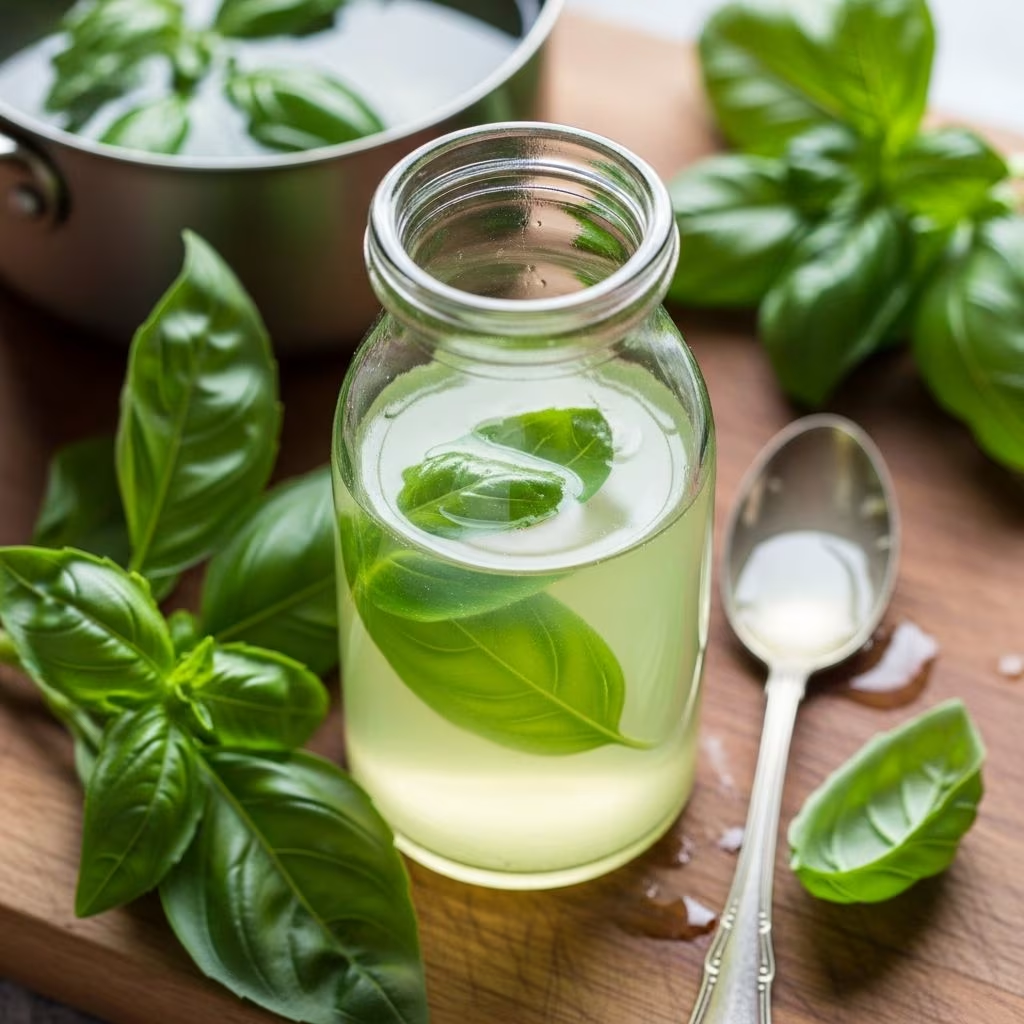
When basil is introduced to warm syrup, its volatile oils and flavor compounds dissolve into the mixture, creating a naturally aromatic sweetener. The steeping process is crucial because it determines the intensity of the basil flavor without requiring the herb leaves to remain permanently in the final product. Properly steeped basil syrup should have a pale green or golden hue, depending on the basil variety and steeping duration.
Selecting and Preparing Quality Ingredients
Choosing the Right Basil
Fresh basil leaves are the star ingredient in this syrup, and their quality directly impacts the final product. Sweet basil is the most commonly used variety for syrup production due to its mild, slightly peppery flavor that doesn’t overpower other ingredients. However, other basil varieties offer interesting alternatives: Thai basil provides a more pronounced anise note, while Genovese basil delivers a slightly more robust herbaceous quality.
When selecting basil, look for vibrant green leaves without browning or wilting. The leaves should feel firm and aromatic when gently crushed. Avoid basil that has been stored in the refrigerator for extended periods, as it begins to lose its potency. Farmers market basil or freshly harvested homegrown basil typically yields superior results compared to supermarket varieties that have been stored and transported.
To prepare basil leaves, rinse them gently under cool water and pat dry thoroughly with paper towels or a clean cloth. Removing excess moisture prevents dilution of the syrup and ensures the proper ratio of sugar to water. Remove thick stems before adding basil to the syrup, keeping only the tender leaves for the infusion.
Sugar Selection and Ratios
Granulated white sugar remains the standard choice for basil simple syrup because it provides a neutral flavor that allows the herb’s delicate taste to shine through. Brown sugar and coconut sugar possess stronger flavor profiles that can mask basil’s subtle aromatic qualities. The traditional ratio for simple syrup is equal parts sugar and water by volume—typically one cup of each—though some recipes adjust this proportion based on desired sweetness level.
For those following specific dietary preferences, alternative sweeteners work effectively. Honey creates a slightly richer mouthfeel and adds floral undertones, maple syrup contributes earthiness, and agave nectar provides a more neutral sweetness similar to refined sugar. These liquid sweeteners require the same infusion process and dissolve readily into warm water.
Step-by-Step Preparation Process
The Heating Phase
Begin by combining your measured water and sugar in a small or medium saucepan, selecting a vessel that allows adequate space for the basil leaves. Place the pan over medium or medium-low heat, stirring occasionally to help the sugar dissolve uniformly. The mixture should become warm and steaming but should not reach a rolling boil. Boiling the syrup for an extended period can diminish the basil’s delicate flavor compounds through excessive heat exposure.
Watch carefully as the sugar dissolves, typically occurring within 3-5 minutes depending on the heat level. You’ll notice the liquid becomes transparent and uniform in texture once the sugar fully dissolves. Some recipes suggest bringing the mixture to a brief simmer to ensure complete sugar dissolution, while others recommend removing the syrup from heat just before simmering begins. Both approaches work effectively; choose based on your preference and the specific recipe you’re following.
The Infusion and Steeping Process
Once your sugar syrup reaches the appropriate temperature, add the prepared basil leaves directly to the warm mixture. Initially, you may notice the basil appears to take up considerable space, seemingly overcrowding the pan. This is normal—the leaves will wilt significantly as they absorb heat and moisture. Gently stir or press the basil into the syrup to ensure all leaves come into contact with the liquid.
The steeping duration varies depending on your desired flavor intensity. Shorter steeps of 15-20 minutes produce a subtle basil note, while longer infusions of 30-45 minutes create more pronounced herbal character. Some recipes suggest removing the pan from heat immediately before adding basil to allow the mixture to cool gradually during the steeping process, which can actually preserve more of the basil’s delicate flavor than prolonged heat exposure.
As the syrup cools and steeps, the basil’s essential oils gradually dissolve into the liquid. You’ll observe the syrup taking on a pale greenish tint as the infusion progresses. Taste the syrup periodically if you prefer a particular intensity level; this allows you to remove the basil when the flavor reaches your ideal point.
Straining and Storage
After steeping reaches your desired duration, pour the syrup through a fine-mesh strainer into a clean jar, pressing gently on the basil leaves to extract any remaining liquid. Discard the strained basil leaves. The resulting syrup should be clear or lightly tinted with green hue, free of visible debris or leaf fragments.
Allow the syrup to cool completely to room temperature before sealing the container. Refrigerate in an airtight mason jar or resealable container where it maintains freshness and flavor for up to one week. Some sources suggest basil syrup remains usable for slightly longer periods under proper refrigeration, though peak flavor occurs within the first few days.
Flavor Enhancement Techniques
Activating Essential Oils
Professional bartenders and experienced home cooks employ a technique to maximize the basil’s aromatic potential. Before adding basil leaves to the hot syrup, gently “spank” or clap the leaves between your hands. This controlled bruising ruptures cell structures within the leaf, releasing essential oils and volatile flavor compounds more readily. This pre-treatment method noticeably intensifies the basil aroma in the finished syrup.
An alternative technique involves blanching fresh basil leaves by holding them in boiling water for approximately 10 seconds before immediately transferring them to an ice bath. This brief heat exposure followed by rapid cooling preserves the vibrant green color while partially activating flavor compounds, creating a more visually appealing and flavorful syrup.
Combining Complementary Flavors
While the traditional recipe uses only basil, sugar, and water, creative variations can enhance the syrup’s versatility. Adding a squeeze of fresh lemon or lime juice brightens the herbal profile and adds complexity. A small pinch of sea salt amplifies the basil’s natural flavors without introducing saltiness. Some recipes incorporate a single vanilla bean or a few cardamom pods for subtle depth.
Practical Applications and Uses
Beverage Applications
Basil simple syrup transforms ordinary beverages into sophisticated refreshments. Mix one ounce of basil syrup with fresh-squeezed lemon or lime juice, water, and ice for a rejuvenating lemonade or limeade. For cocktails, combine one ounce of basil syrup with two ounces of vodka, one ounce of fresh lime juice, and fresh basil leaves for a garden-inspired mixed drink. Mocktails benefit equally from basil syrup’s herbal sweetness—simply omit the spirit and increase other liquid ingredients proportionally.
Iced tea becomes more interesting when stirred with basil syrup, particularly green or white tea varieties that won’t overpower the herb’s delicate notes. Sparkling water transformed with basil syrup creates an elegant non-alcoholic sipper suitable for any occasion.
Culinary and Dessert Uses
Beyond beverages, basil syrup complements both sweet and savory applications. Drizzle it over vanilla ice cream or Greek yogurt for an unexpected flavor addition. Use it to glaze fresh berries or stone fruits for a sophisticated fruit salad. Incorporate basil syrup into homemade popsicles for summery frozen treats that showcase the herb’s aromatic qualities.
Common Questions About Basil Simple Syrup
Frequently Asked Questions
Can I use dried basil instead of fresh basil?
While dried basil technically works, it produces noticeably weaker results because drying significantly reduces the herb’s volatile oils and aromatic compounds. If using dried basil, reduce the quantity to 2-3 teaspoons per batch and consider extending the steeping time. Smell the dried basil before using it to ensure it hasn’t lost potency during storage. Fresh basil consistently delivers superior flavor and aroma.
How long does homemade basil syrup remain usable?
Properly stored basil syrup maintains quality for approximately one week when kept in an airtight container in the refrigerator. The flavor and aroma remain most vibrant during the first 3-4 days. After one week, the syrup may begin developing off-flavors or losing its distinctive basil character.
What causes basil syrup to crystallize?
Crystallization typically occurs when syrup is stored at temperatures that fluctuate significantly or when the sugar concentration exceeds the saturation point. Storing the syrup consistently in the coldest part of your refrigerator minimizes this issue. If crystallization occurs, gently warm the jar in a water bath to dissolve the crystals.
Can basil syrup be frozen for longer storage?
Yes, basil syrup freezes successfully for several months when stored in freezer-safe containers or ice cube trays. Freezing halts flavor degradation and extends the syrup’s usable life significantly. Thaw frozen syrup in the refrigerator before using to prevent temperature shock and preserve the delicate herb flavors.
Troubleshooting Common Issues
If your basil syrup lacks sufficient flavor intensity, the steeping time may have been too brief or the basil quality may have been compromised. Remedy this in future batches by increasing steeping time to 45 minutes or employing the leaf-spanking technique to activate more flavor compounds.
Cloudy appearance in finished syrup suggests inadequate straining or residual basil particles. Strain again through a finer mesh or cheesecloth to achieve clarity. A grayish or brownish tint indicates the basil was boiled rather than steeped, damaging delicate chlorophyll and oxidizing compounds. Maintain water temperature below simmering in future batches.
If the syrup tastes excessively sweet or lacks herbal character, balance future batches by reducing sugar slightly or increasing basil quantity. Conversely, overly intense basil flavor can be mellowed by adding additional sugar syrup without basil infusion, effectively diluting the herb’s presence.
Conclusion
Homemade basil simple syrup represents an accessible entry point into culinary infusions, requiring minimal ingredients and straightforward techniques while yielding impressive results. Whether crafting elaborate cocktails, preparing refreshing summer beverages, or elevating simple desserts, this aromatic syrup transforms everyday recipes into memorable experiences. By understanding the principles of herb infusion, selecting quality ingredients, and applying proper preparation techniques, home cooks can consistently produce restaurant-quality syrup that captures the essence of garden-fresh basil. The versatility of basil syrup encourages experimentation across both sweet and savory applications, making it a valuable addition to any well-stocked kitchen.
References
- Herb-Infused Syrups: Flavor Extraction Methods — Culinary Science Research. 2024. Based on extraction principles documented in food science literature.
- Essential Oils in Culinary Herbs: Properties and Preservation — Food Chemistry International. 2023-2024. Research on volatile compound retention in herb infusions.
- Simple Syrup Applications in Beverage Science — Bartender’s Guild Reference Materials. 2024. Standards for syrup preparation and storage in professional settings.