The holiday season brings with it a rich tapestry of drinking traditions that reflect the cultural heritage and local ingredients of regions across the globe. From steaming cups of spiced wine in European Christmas markets to creamy coconut punches in tropical paradises, festive cocktails serve as windows into the celebrations and customs of different cultures. Whether you’re hosting an intimate gathering or seeking to expand your mixology repertoire, understanding these international holiday beverages offers both culinary inspiration and cultural appreciation. This exploration takes you on a journey through some of the world’s most cherished festive cocktail traditions, offering insights into their origins, flavor profiles, and preparation methods.
The Warming European Tradition: Spiced Wine Cocktails
European Christmas markets have long been synonymous with steaming beverages that combine wine with warming spices and aromatic elements. These drinks represent centuries of tradition and have become iconic symbols of holiday festivities across the continent.
Mulled Wine and Its Variations stands as the foundation of European holiday drinking culture. This classic preparation combines red wine with brandy and warming spices such as cinnamon, cloves, and nutmeg, creating a beverage that offers both sensory warmth and aromatic complexity. The base formula remains adaptable, allowing bartenders and home enthusiasts to adjust sweetness levels and spice ratios according to personal preference. Unlike commercially produced spirits, mulled wine encourages the use of modest-quality wines, making it an economical choice for entertaining larger groups.
The Nordic regions have developed their own sophisticated interpretations of this warming tradition. Glogg, particularly popular in Scandinavia, represents an evolution of mulled wine that incorporates additional textural elements. Danish versions typically include raisins and nuts, creating a more complex drinking experience with layered flavors and interesting mouthfeel. Swedish glogg intensifies this tradition through the addition of aquavit or vodka, elevating the alcohol content and introducing herbal notes that complement the spiced wine base. The Danish variation maintains a gentler approach, focusing on the interplay between fruit, spice, and wine rather than aggressive spirits.
German-speaking regions have embraced Glühwein, which translates directly to “glowing wine.” This beverage follows similar spice profiles to mulled wine but has developed its own cultural significance within German holiday celebrations. The presentation of glühwein often includes theatrical elements, with some establishments warming the drink over open flames or adding flaming toppings for dramatic effect. This practice, particularly popular at Christmas markets in Munich and other German cities, transforms the simple act of serving a cocktail into an experiential event.
Alpine and Northern European Specialties
Beyond the standard mulled wine preparations, certain regions have developed their own distinctive heated beverages that celebrate local ingredients and production methods.
Lumumba, a notable fixture at German Christmas markets, represents a different approach to festive warming beverages. This drink combines hot chocolate with brandy, creating a rich, indulgent experience that appeals to those seeking sweeter, more dessert-like flavor profiles. Named after historical significance, Lumumba has become a beloved holiday staple in German-speaking regions and maintains popularity year-round when prepared with chocolate milk rather than hot chocolate. The versatility of this preparation allows it to transition between seasons while maintaining its essential character.
The Danish interpretation of spiced wine, served at holiday markets in Copenhagen and beyond, demonstrates regional adaptation of European wine traditions. This version incorporates white wine infused with spices, fruit, rum, brown sugar syrup, and Champagne, creating a lighter, more effervescent variation on the traditional formula. This approach appeals to those preferring brighter, more delicate flavor profiles while maintaining the warming spice elements that define the tradition.
Caribbean and Latin American Holiday Expressions
Tropical regions have developed their own distinctive holiday cocktail traditions, incorporating local spirits, fruits, and dairy products that reflect their unique culinary landscapes.
Coquito, Puerto Rico’s traditional Christmas punch, represents one of the Caribbean’s most celebrated holiday beverages. This creamy preparation combines cream of coconut, sweetened condensed milk, and evaporated milk with white rum, vanilla or coconut extract, and warming spices including cinnamon, cloves, and nutmeg. The resulting drink offers a texture and flavor profile reminiscent of holiday eggnog with tropical elements. The preparation method involves blending ingredients to create a smooth, cohesive mixture that delivers warming spices alongside coconut’s natural sweetness. Coquito has become emblematic of Puerto Rican holiday celebrations and demonstrates how tropical regions adapt warming beverage traditions to locally available ingredients.
Rompope, Mexico’s contribution to holiday spirits, follows a similar conceptual framework to coquito but emphasizes different flavor elements. This traditional preparation incorporates almonds and other nuts alongside milk, cinnamon sticks, and vanilla, all unified with Mezcal. The addition of egg yolks creates richness and body, resulting in a beverage that occupies similar cultural and functional space as holiday punches in North American traditions. Both coquito and rompope demonstrate how different Latin American cultures have developed regionally specific holiday cocktails that serve as markers of cultural identity during festive seasons.
Tropical Reinterpretations of Classic Cocktails
Some bartenders and mixologists have applied seasonal thinking to tropical cocktails, creating winter versions that maintain essential character while incorporating festive elements.
Winter Caipirinha represents Brazil’s national cocktail reimagined for cooler seasons. This adaptation combines the traditional base of muddled limes, sugar, and cachaça with fresh pomegranate juice, introducing tartness and color while maintaining the drink’s essential structure. Pomegranate’s presence connects to cultural significance in various holiday traditions, including its importance in Jewish New Year celebrations. The substitution of pomegranate for traditional lime variations demonstrates how classic cocktails adapt to seasonal availability and festive themes.
Snow Colada and similar coconut-based winter cocktails represent the inverse approach—taking tropical templates and adapting them through garnish, presentation, and textural elements to evoke winter imagery. These preparations typically combine Malibu rum, sweetened condensed milk, lime juice, and ice, finished with coconut flakes that create visual association with snow. While the flavor profile remains unmistakably tropical, the presentation and garnish strategy transform the drink into something that visually aligns with winter holiday aesthetics.
British and Irish Holiday Expressions
British and Irish holiday traditions have developed their own distinctive approaches to festive beverages, often incorporating local brewing traditions and celebrated spirits.
Traditional British holiday drinks frequently feature warm ale or cider as foundational elements, combined with fruit and warming spices that create comforting, historically resonant beverages. These preparations reflect British brewing heritage and the cultural significance of cider and ale production throughout the British Isles. The emphasis on warmth and spice connects these beverages to broader European traditions while maintaining distinctly British character through spirit selection and preparation methods.
Irish establishments have developed sophisticated holiday cocktail programs that move beyond stereotypical associations with Guinness and Bailey’s. Contemporary Irish bar programs feature creative preparations that might incorporate vanilla, cinnamon, and nutmeg in innovative ways, as demonstrated by offerings like Sweet December from respected Dublin hotels. Additional Irish creations, such as those incorporating vodka with Christmas spices or preparations featuring peppermint foam toppings, demonstrate the creative evolution of holiday cocktail culture in Ireland. The Jingle Juice represents one example of this innovative approach, combining vodka with peppermint foam to create texture and flavor complexity.
Italian Holiday Cocktail Heritage
Italy’s cocktail traditions emphasize balance, quality ingredients, and sophisticated flavor development. Italian holiday cocktails reflect these principles while incorporating festive elements.
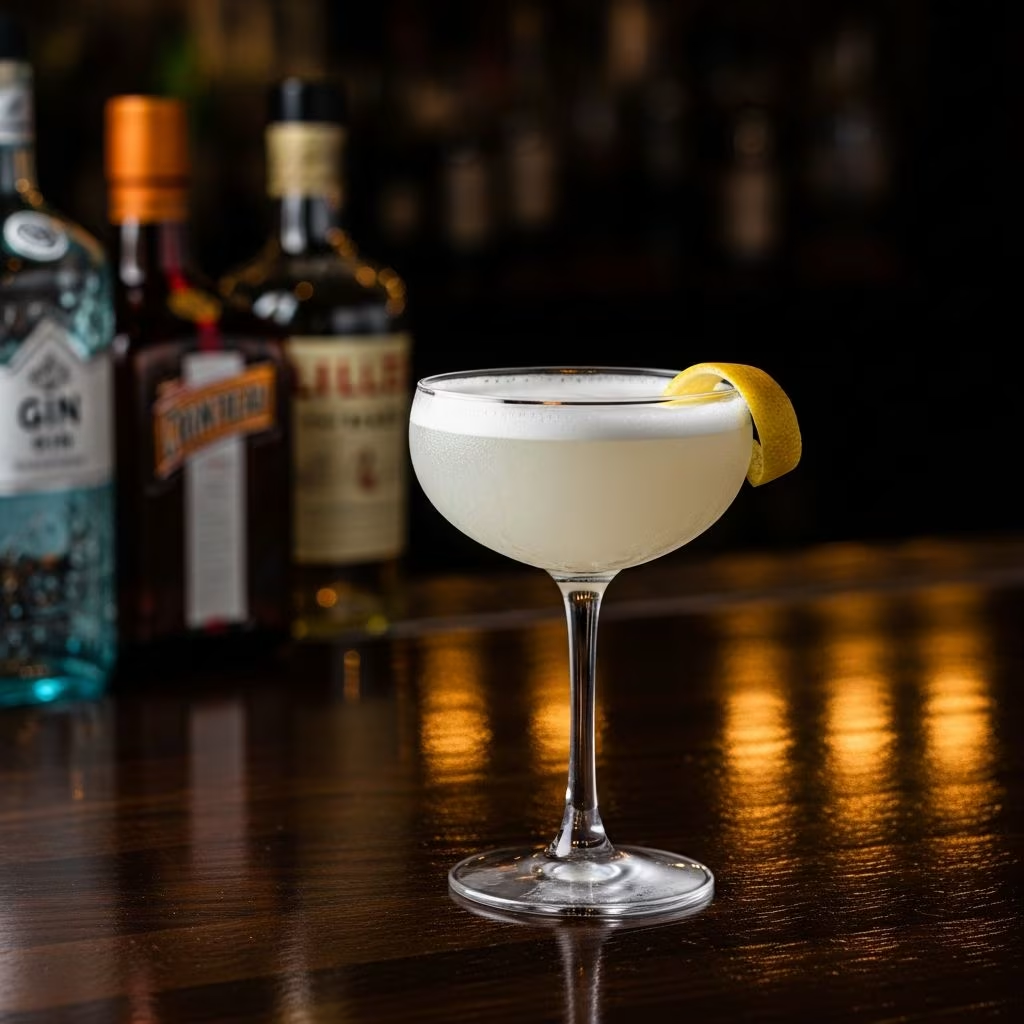
Amaretto Sour represents an Italian approach to holiday cocktails that emphasizes the almond liqueur’s natural sweetness balanced with citrus acidity. Traditional preparations combine amaretto with fresh lemon juice and egg white, creating a smooth, silky mouthfeel through vigorous mixing or shaking. Cherry garnish adds visual appeal and flavor complexity, connecting the drink to Italian culinary traditions that celebrate fruit presentations. This cocktail demonstrates how Italian bartending philosophy prioritizes balance and ingredient quality over complexity of preparation.
Upscale Italian hotels have expanded holiday cocktail offerings to include refreshing options like Christmas Vodka Cooler and Spritz Skiwasser alongside indulgent preparations such as Bailey’s Espresso Martini. These preparations showcase the range of Italian holiday entertaining, offering choices that appeal to different palates and occasions.
French and Continental European Innovation
French bartending culture has contributed sophisticated cocktail innovations to holiday traditions, particularly through creative reinterpretations of classic templates.
Christmapolitan represents a continental approach to festive mixology, adapting the popular cosmopolitan template with holiday elements. This bright, crisp preparation maintains the cosmopolitan’s essential structure while introducing festive flavoring, creating a cocktail that appeals to those seeking lighter, more refreshing holiday options alongside heavier preparations.
The Jingle Balls Nog demonstrates French sophistication in holiday drink creation, incorporating cognac, sherry, vanilla, and nutmeg to create complexity and depth. This preparation appeals to more traditional palates seeking flavors associated with classic holiday beverages. The Snowball Old-Fashioned takes another classic template and reimagines it through seasonal elements, replacing traditional cherry garnishes with gingerbread syrup while maintaining the old-fashioned’s essential construction of rye, bitters, and orange elements. These preparations showcase how celebrated bartenders approach festive cocktail creation through thoughtful modification of proven templates rather than entirely novel constructions.
Key Elements for Successful Holiday Cocktail Creation
Understanding the principles underlying successful holiday cocktails allows home bartenders and enthusiasts to create their own festive preparations.
- Spice selection and balance: Cinnamon, cloves, nutmeg, and vanilla appear repeatedly across global traditions because their warming properties and aromatic complexity complement both spirits and base ingredients. The key to success involves balancing spice intensity so that individual notes remain discernible rather than overwhelming the drink.
- Temperature considerations: Many holiday cocktails emphasize warmth, either through actual heat or through spice perception. This connects to the comfort and coziness associated with holiday celebrations, particularly in cooler climates.
- Texture and mouthfeel: The inclusion of eggs, cream, coconut, and other elements that create smoothness and body distinguishes many holiday cocktails from standard preparations. These textural elements enhance the perceived indulgence and satisfaction of festive drinks.
- Presentation and garnish: Visual appeal becomes particularly important for holiday cocktails, with garnishes ranging from cherry presentations to coconut flakes to gingerbread syrup serving both aesthetic and flavor functions.
- Spirit selection: Different regions emphasize particular spirits based on local production traditions. Caribbean traditions feature rum, German traditions feature schnapps and brandy, Scandinavian traditions feature aquavit, and Latin American traditions feature mezcal and local spirits.
Creating Your Holiday Cocktail Program
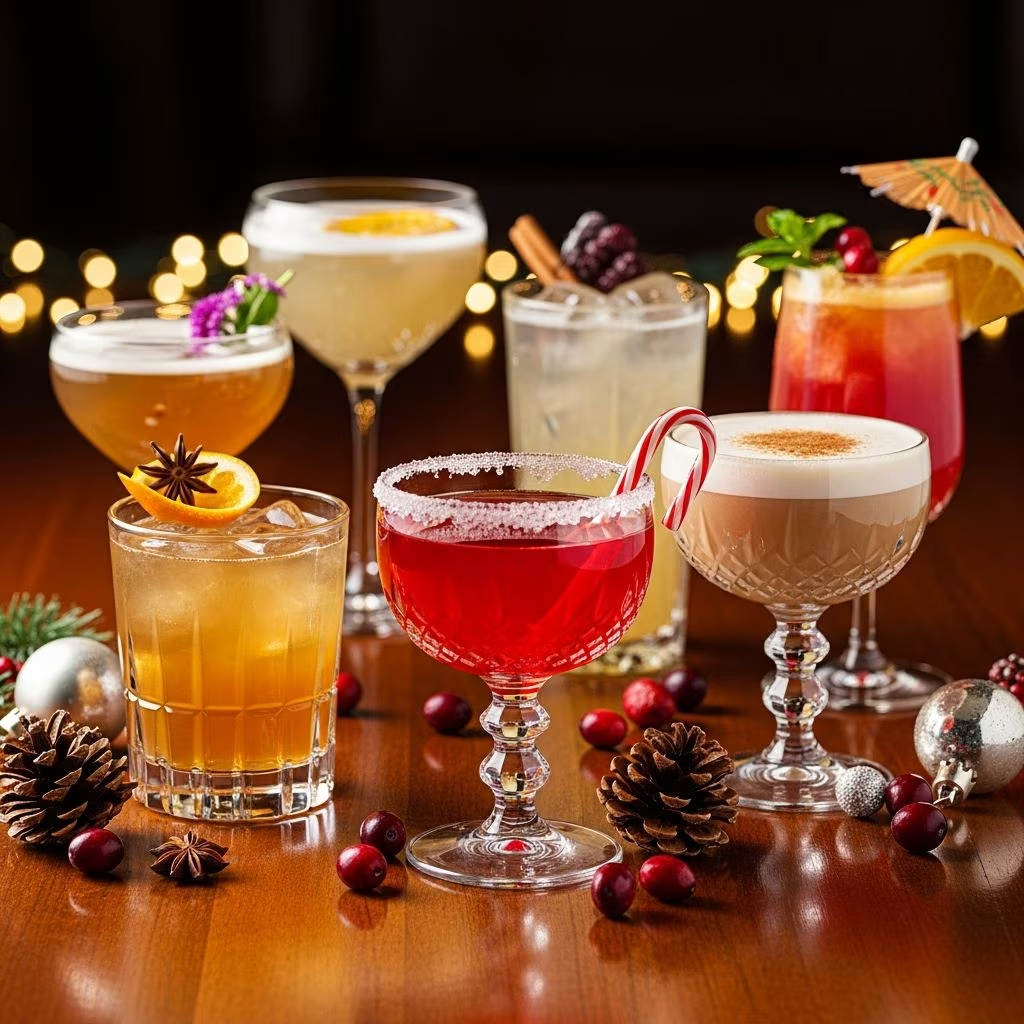
Home entertainers can develop comprehensive holiday cocktail programs by selecting preparations from different traditions that appeal to various palates and preferences. Offering both warm and cool options, sweet and tart variations, and creamy and spirit-forward choices ensures that guests with different preferences find satisfying options. Preparing signature cocktails in advance, when possible, reduces last-minute complexity and allows hosts to focus on hospitality rather than constant mixing.
The traditions represented by global holiday cocktails reflect centuries of cultural development and local adaptation. Whether you choose to prepare a traditional European mulled wine, a Caribbean coquito, a winter caipirinha, or an innovative reinterpretation of a classic template, engaging with these traditions adds depth and meaning to holiday celebrations while creating opportunities for exploration and experimentation.
References
- Ultimate Winter Cocktails from Around the World — The Moorings. https://www.moorings.com/blog/winter-cocktails-from-around-the-world
- Holiday Cocktails From Around the World — Honest Cooking and Travel. https://honestcooking.com/holiday-cocktails-from-around-the-world/
- Global Christmas Cocktails to Celebrate in Style — Adventurous Tastes. https://www.adventuroustastes.com/christmas-cocktails/