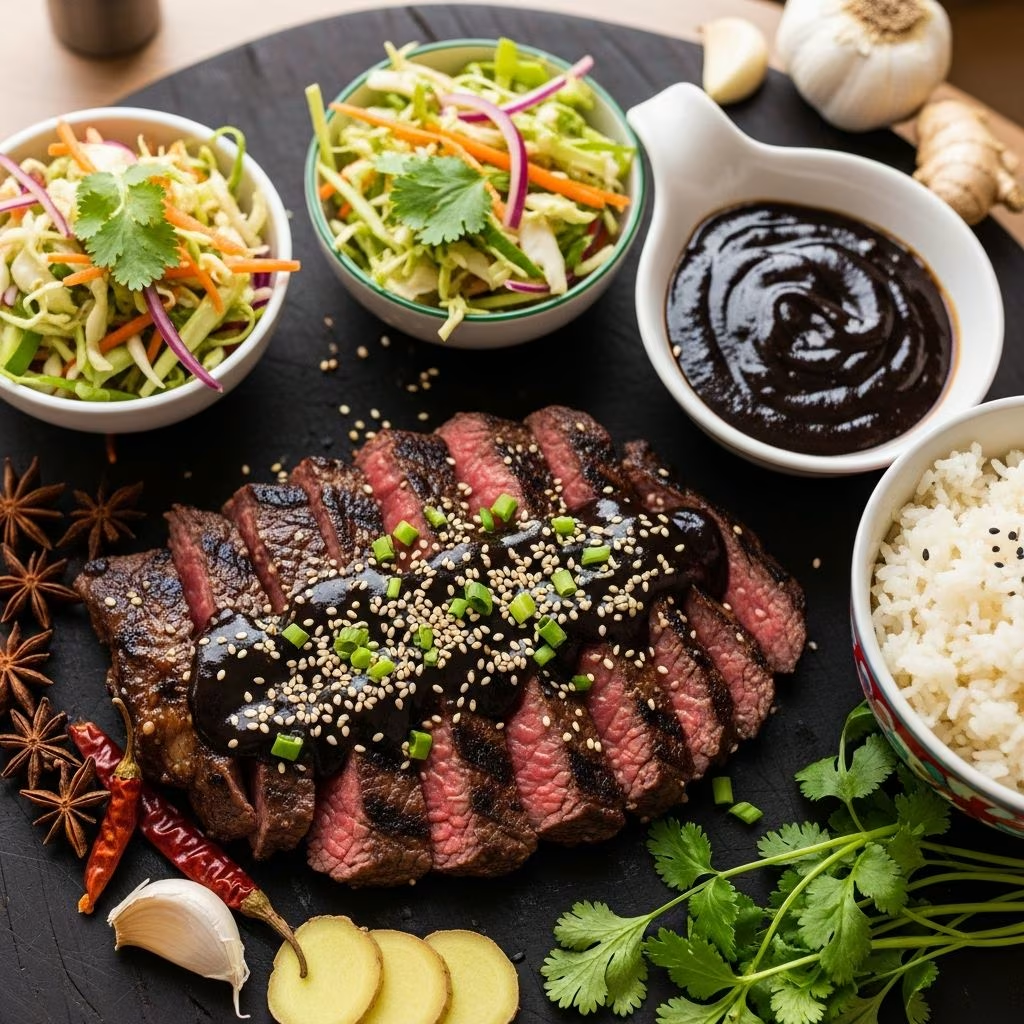
Hoisin sauce has become a cornerstone ingredient in contemporary home cooking, bringing depth and complexity to grilled beef dishes. This Asian condiment, made from fermented soybeans, garlic, and spices, creates an exceptional marinade that tenderizes meat while infusing it with a distinctive umami flavor profile. When combined with complementary ingredients and proper grilling technique, hoisin-marinated beef transforms into a restaurant-quality dish that impresses both family and guests.
Understanding Hoisin Sauce and Its Culinary Properties
Hoisin sauce represents a versatile Asian condiment that serves as the foundation for numerous marinade preparations. This sticky, sweet-salty sauce combines soybeans, garlic, and various spices to create a complex flavor profile that works exceptionally well with beef and pork preparations. The sauce’s assertive and complex nature makes it particularly suitable for marinating proteins destined for the grill, as it caramelizes beautifully under direct heat and creates an appealing glaze on the meat’s exterior.
The fermentation process involved in hoisin sauce production develops natural umami compounds that enhance the beef’s inherent savory qualities. When applied as a marinade, these compounds penetrate the muscle fibers, resulting in more tender, flavorful meat throughout the cooking process. Understanding hoisin’s characteristics helps home cooks make informed decisions about complementary ingredients and cooking techniques.
Essential Ingredients for the Perfect Hoisin Marinade
Creating an exceptional hoisin-based marinade requires balancing several key flavor components. The primary ingredient, hoisin sauce, provides the foundation, but secondary ingredients elevate the final result significantly.
- Hoisin sauce: The primary flavoring agent that provides umami depth, sweetness, and complexity
- Soy sauce: Adds saltiness and additional umami, enhancing the marinade’s savory character
- Vinegar: Introduces acidity that balances sweetness and aids in meat tenderization
- Sesame oil: Contributes nutty flavor and aromatic richness, though used sparingly as a little extends far
- Fresh ginger: Provides pungent, slightly spicy notes that complement the hoisin base
- Garlic: Delivers aromatic sharpness and additional umami depth
- Green onions: Adds bright, fresh onion flavor that cuts through richness
- Honey or brown sugar: Enhances natural sweetness and promotes caramelization on the grill
- Hot sauce: Optional addition for those preferring spicier preparations
Selecting the Right Beef Cut for Grilling
Different beef cuts respond uniquely to marinades and grilling methods. Choosing the appropriate cut significantly impacts cooking time, texture, and final flavor outcomes. Flank steak represents an excellent choice for hoisin marinade applications because its lean composition benefits from the marinade’s tenderizing properties, while its natural beef flavor complements the sauce’s complexity. Skirt steak offers similar advantages, featuring pronounced beef flavor and a texture that becomes exceptionally tender when properly marinated and sliced against the grain.
Ribeye and scotch fillet steaks work well for those preferring fattier cuts with built-in richness and marbling. These cuts develop beautiful caramelization when grilled and benefit from hoisin sauce’s ability to balance their richness with sweet and umami notes. When selecting beef, look for vibrant color, good marbling (in fattier cuts), and meat that yields slightly to pressure when pressed.
Marinating Process and Timing Considerations
Proper marinating technique ensures maximum flavor penetration and meat tenderization. Begin by whisking together all marinade ingredients in a medium bowl, ensuring even distribution of hoisin sauce, soy sauce, vinegar, sesame oil, ginger, and garlic. This initial step guarantees consistent flavor throughout the liquid.
For whole steaks, marinating for a minimum of four hours produces noticeable improvement, while overnight marination yields optimal results. The extended time allows enzymatic components in the marinade to break down muscle proteins, creating enhanced tenderness. If preparing sliced preparations, marinating time can be reduced to 30 minutes to 2 hours, as the increased surface area allows faster flavor absorption.
When marinating, reserve a portion of the raw marinade before adding raw beef. This reserved portion, kept separate and uncontaminated by raw meat, can later be used as a finishing sauce or served alongside the grilled beef. This practice ensures food safety while maintaining fresh marinade flavor for serving.
Beef Preparation Techniques Before Grilling
Proper beef preparation immediately before grilling significantly impacts cooking consistency and final texture. If using flank or skirt steak for sliced presentations, freezing the beef for 15 to 20 minutes before slicing makes cutting significantly easier and more precise. This brief freezing firms the meat without fully freezing it, allowing cleaner, more uniform slices.
Always cut against the grain, angling the knife perpendicular to the visible muscle fibers. This technique breaks up the muscle structure, creating more tender pieces when cooked. For skewer preparations, cut beef into quarter-inch thick slices, spacing them evenly across soaked wooden skewers (or metal ones, which don’t require soaking) to ensure even heat exposure.
Allow whole steaks to rest at room temperature for approximately 30 minutes before grilling. This preparation step promotes more even cooking throughout the meat’s thickness, preventing the exterior from overcooking while waiting for the interior to reach target temperature. Room temperature meat cooks more predictably than cold meat straight from the refrigerator.
Grill Setup and Temperature Management
Successful grilled beef requires proper grill preparation and temperature control. Preheat an outdoor grill to high heat (approximately 450–500°F) for 15 minutes, allowing the grates to become thoroughly heated. This temperature range promotes proper browning and caramelization while developing flavorful crust on the beef’s exterior.
Clean grill grates thoroughly using a grill brush, removing debris and old residue that could interfere with heat transfer and flavor development. Lightly brush grates with vegetable oil immediately before adding beef, preventing sticking and promoting even heat contact.
For thicker steaks (one inch or thicker), consider establishing a two-zone temperature arrangement: high heat for initial searing and medium heat for finishing. This approach creates an appealing crust while allowing controlled interior cooking without exterior charring.
Cooking Techniques and Timing Guidelines
| Cut Type | Thickness | High Heat Searing | Total Cooking Time | Rest Period | Target Internal Temperature |
|---|---|---|---|---|---|
| Flank Steak | 3/4–1 inch | 5 minutes per side | 10–12 minutes | 5 minutes | 135°F (medium-rare) |
| Skirt Steak | 3/4–1 inch | 4–5 minutes per side | 8–10 minutes | 5 minutes | 135°F (medium-rare) |
| Ribeye | 1–1.5 inches | 5–6 minutes per side | 12–15 minutes | 8 minutes | 135°F (medium-rare) |
| Beef Skewers | 1/4 inch slices | 2–3 minutes per side | 5–7 minutes | 3 minutes | 145°F (medium) |
Place beef directly on preheated grates over high heat, resisting the urge to move it frequently. Allow the first side to develop a flavorful crust before flipping—typically 4 to 6 minutes depending on thickness and heat intensity. Flip once and continue cooking until reaching target internal temperature, measured with an instant-read thermometer inserted into the thickest section without touching bone.
Medium-rare preparations (135°F) offer the optimal balance between tenderness and juiciness for most beef cuts. This temperature allows residual heat carryover during resting to bring final temperature to approximately 140°F without overcooking. Always rest grilled beef for at least 5 minutes after removing from heat, allowing redistributed juices to settle and ensuring maximum moisture retention when serving.
Creating Complementary Side Dishes
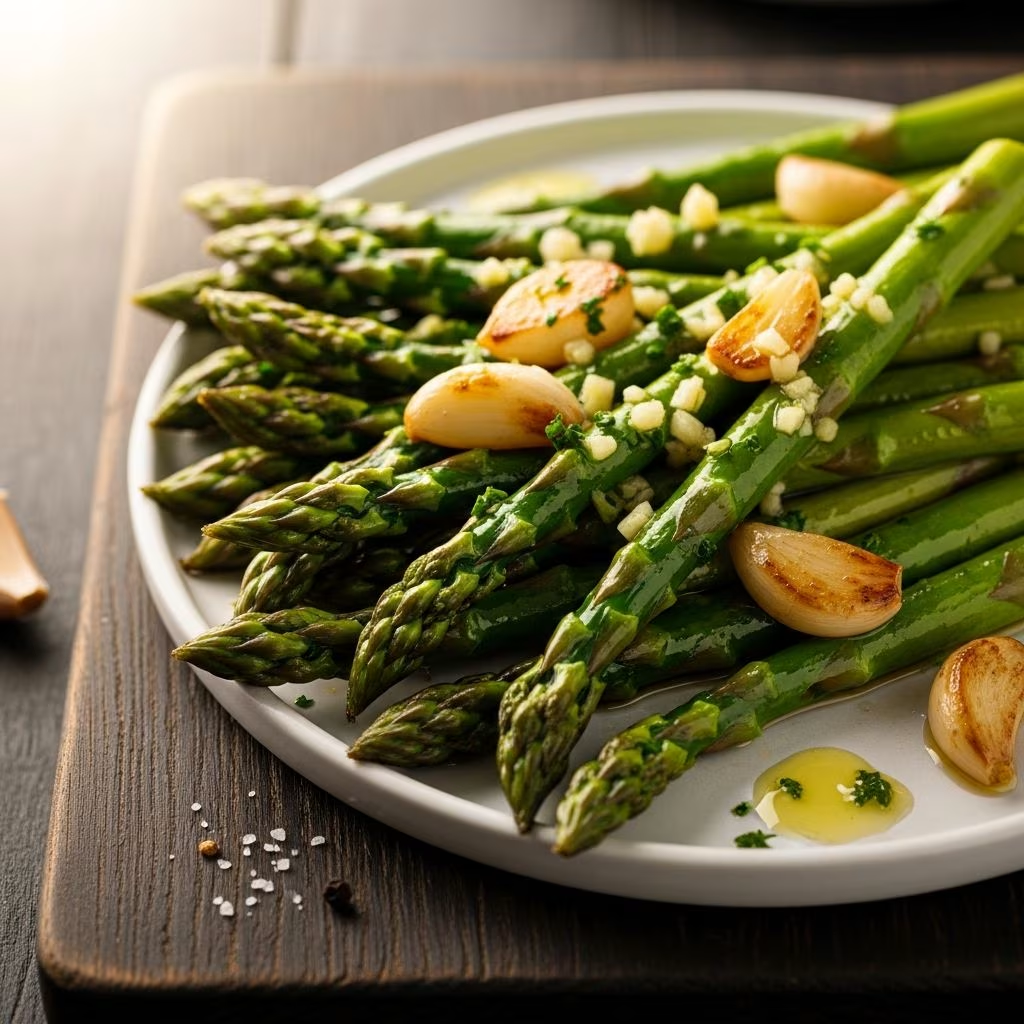
Asian-inspired side dishes elevate grilled hoisin beef from simple protein to complete meal. Garlicky Chinese broccoli (gai lan) or standard broccolini provides nutritious vegetable accompaniment that benefits from light grill marks and a coating of garlic-infused sauce. Simply blanch briefly before finishing on the grill to prevent burning while developing charred flavors.
Rice noodle bowls offer substantial, satisfying accompaniments, particularly for sliced beef preparations. Combine cooked rice noodles with shredded carrots, sliced cucumber, bean sprouts, and fresh herbs like mint and cilantro. Dress the mixture with a light vinaigrette featuring sesame oil, rice vinegar, and lime juice.
Steamed jasmine rice or fried rice preparations round out traditional Asian presentations. Consider adding vegetables like snap peas, bell peppers, or broccoli to fried rice for additional nutrition and visual appeal.
Frequently Asked Questions
Can I prepare this marinade without hoisin sauce?
While hoisin provides unique flavor, substitutes include barbecue sauce mixed with soy sauce, or equal parts miso paste and Worcestershire sauce combined with honey. However, these alternatives won’t replicate hoisin’s exact complexity.
How long will marinated beef last in the refrigerator?
Raw marinated beef safely keeps for three to four days under proper refrigeration. Plan accordingly or freeze marinated beef for up to three months and thaw overnight in the refrigerator before grilling.
Can I use an indoor grill or skillet instead of an outdoor grill?
Yes, a well-heated cast iron skillet or indoor grill pan produces excellent results. Heat to medium-high temperature and follow similar cooking times, monitoring internal temperature closely as heat distribution differs from outdoor grills.
What temperature indicates medium-rare beef?
Insert an instant-read thermometer into the thickest section without touching bone. Remove beef when internal temperature reaches 130–135°F; carry-over heat during resting raises final temperature to approximately 140°F.
Should I marinate at room temperature or in the refrigerator?
Always marinate in the refrigerator to prevent bacterial growth and ensure food safety. Remove marinated beef 20 to 30 minutes before grilling to bring closer to room temperature for more even cooking.
Storage and Make-Ahead Tips
Prepare hoisin marinade up to one week in advance, storing in an airtight container in the refrigerator. This advance preparation streamlines weeknight cooking. Marinate beef immediately upon arriving home, allowing flavors to develop while preparing other meal components.
Leftover grilled beef keeps safely for three to four days when properly stored in airtight containers. Reheat gently by slicing thinly and briefly warming in a skillet over medium heat with a splash of reserved marinade, or serve cold in salads and grain bowls.
Variations and Creative Adaptations
The hoisin marinade foundation accommodates numerous creative variations. Add five-spice powder for additional warmth and complexity, or incorporate sriracha and hot sauce for increased spice levels. Fresh citrus juice—lime, lemon, or orange—introduces brightness that balances hoisin’s richness.
For Korean-inspired presentations, mix hoisin with gochujang (Korean red chili paste) and sesame oil. Japanese variations might incorporate mirin alongside hoisin for enhanced sweetness and gloss. Thai adaptations combine hoisin with fish sauce and Thai basil for distinctive flavors.
Transform marinated beef into skewers, grain bowls, lettuce wraps, or Asian salads. Slice thinly and layer onto fresh rice paper with vegetables for spring rolls, or toss with warm noodles and seasonal vegetables for quick weeknight meals.
References
- Hoisin Sauce and Its Culinary Applications in Asian Cuisine — Marion’s Kitchen. 2024. https://www.marionskitchen.com/grilled-hoisin-steak-garlicky-chinese-broccoli/
- Grilled Hoisin Flank Steak Noodle Bowl Recipe — Betsylife. 2024. https://betsylife.com/hoisin-grilled-flank-steak-noodle-bowl/
- Hoisin Beef Skewers and Flank Steak Marinade Techniques — Fountain Avenue Kitchen. 2024. https://fountainavenuekitchen.com/asian-beef-skewers-or-whole-flank-steak/
- Grilled Beef Skirt Steak with Hoisin Glaze Preparation — Food Wishes. 2017. https://foodwishes.blogspot.com/2017/05/grilled-hoisin-beef-not-necessarily.html
- Hoisin and Five Spice Marinade for Grilled Flank Steak — The Modern Proper. 2024. https://themodernproper.com/grilled-five-spice-flank-steak