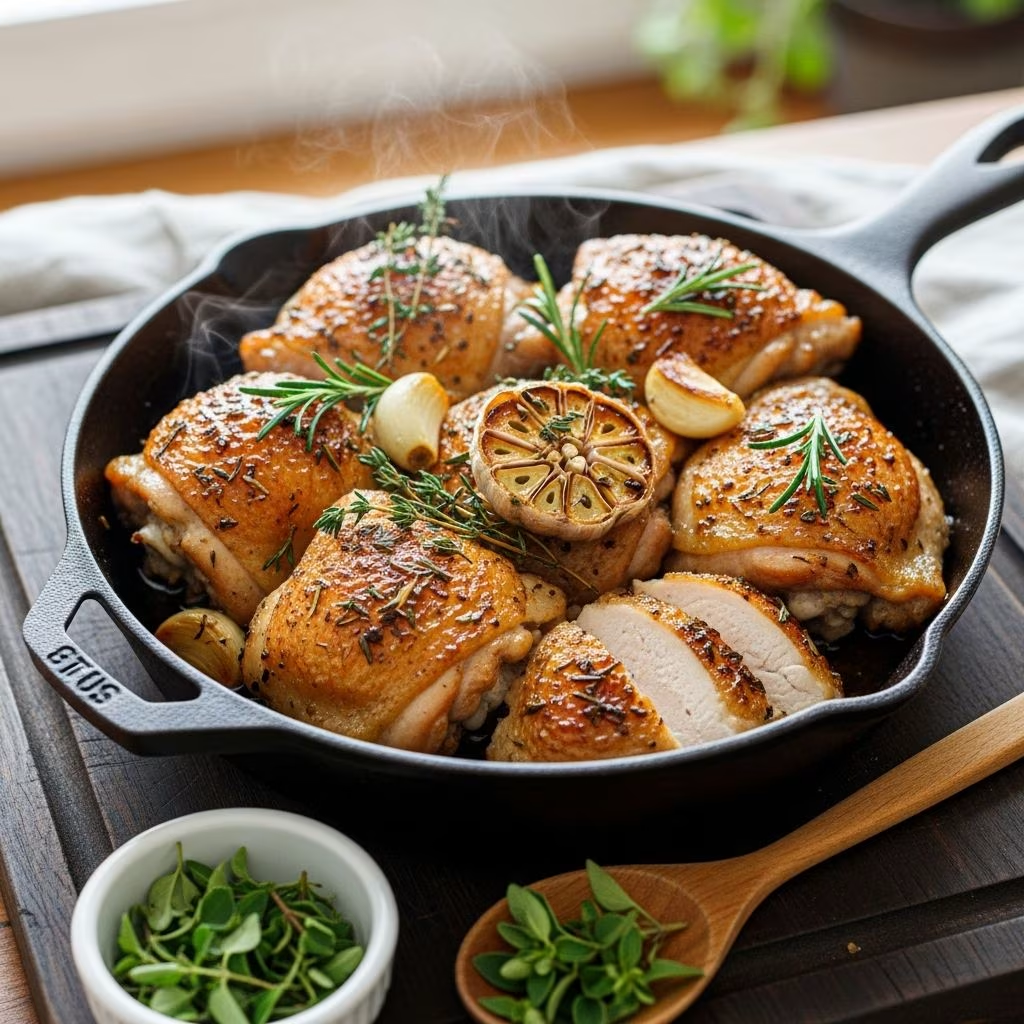
Preparing succulent, aromatic chicken dishes requires more than simply seasoning and cooking. The transformation of basic poultry into a memorable meal depends on understanding marinades, timing, and the interplay between fresh ingredients and heat. This comprehensive guide explores the technique of creating herb-marinated baked chicken thighs, a preparation method that has roots in traditional Indian cuisine but appeals to contemporary home cooks seeking restaurant-quality results.
Understanding the Foundation: What Makes This Dish Special
The preparation of herb-marinated baked chicken begins with understanding why certain components work together harmoniously. Unlike simple roasted chicken, this approach layers multiple flavor dimensions through a carefully constructed marinade and controlled cooking process. The dish represents a convergence of fresh herbaceous notes, creamy elements, and warming spices that create depth and complexity in every bite.
The primary distinction of this cooking technique lies in the marinade preparation. Rather than relying on oil-based dressings or simple salt and pepper seasoning, this method employs a verdant paste composed of fresh herbs, yogurt, and aromatics. This combination serves multiple purposes: it tenderizes the meat through acidic and enzymatic action, infuses flavor throughout the protein, and creates a protective coating during the baking process.
The Essential Components of the Herb Marinade
The marinade forms the essence of this dish, and its composition warrants careful attention. Each ingredient contributes specific qualities that collectively create the final flavor profile.
Fresh Herbs and Their Roles
- Coriander leaves: These provide an earthy, slightly citrusy undertone that forms the aromatic base. The stalks contain concentrated flavor and should be included in the blending process.
- Mint: This ingredient adds cooling, refreshing qualities and prevents the dish from becoming overly heavy. The bright notes cut through the richness of the yogurt and butter.
- Green chilies: Beyond heat, these contribute grassy, fresh notes. Their intensity can be modulated by removing seeds or adjusting quantity based on personal preference.
Aromatic Foundations
Garlic and ginger form the flavor bridge between the fresh herbs and the traditional spices. When blended together rather than minced separately, they create a more cohesive paste that distributes evenly throughout the marinade. These aromatics also possess antimicrobial properties that aid in food preservation during marination.
The Yogurt Component
Full-fat yogurt or Greek-style yogurt serves as the emulsifying base. The lactic acid in yogurt begins breaking down muscle proteins, gradually tenderizing the chicken. The creamy texture also helps the other marinade ingredients adhere to the meat surface. Greek yogurt provides additional richness and creates a thicker consistency that better coats each piece of chicken.
Ingredient Proportions and Quantities
| Ingredient | Quantity (for 8-10 pieces) | Notes |
|---|---|---|
| Fresh coriander (with stalks) | 100g (roughly packed) | Include tender stalks for maximum flavor |
| Fresh mint leaves | 100g (roughly packed) | Remove larger stems before blending |
| Green chilies | 4-6 (depending on heat preference) | Remove seeds for milder results |
| Garlic cloves | 5-6 cloves | Freshly peeled and roughly chopped |
| Fresh ginger | 1-inch piece | Peeled and roughly chopped |
| Greek-style yogurt | 250g (1 cup) | Full-fat provides best results |
| Unsalted butter | 50g (3.5 tablespoons) | For dotting before baking |
| Salt | 3 teaspoons | Adjust based on chicken size and preference |
| Skinless chicken thighs | 12 pieces, bone-in | Bones add flavor and keep meat moist |
The Marinade Preparation Process
Step-by-Step Blending Technique
The order in which ingredients enter the blender influences the final texture. Begin by adding harder items—garlic and ginger—first, as they require more processing force. Follow with the fresh herbs and green chilies. Add the yogurt last, using it partially to help the mixture blend smoothly. This sequence prevents the yogurt from becoming over-processed, which can thin the paste excessively.
Blend until achieving a smooth consistency without visible herb fragments. The paste should have a uniform green color throughout. If the mixture appears too thick, add yogurt one tablespoon at a time rather than water, as additional yogurt maintains the marinade’s emulsifying properties.
Achieving the Right Consistency
The marinade should be thick enough to coat the chicken pieces completely without sliding off. A consistency similar to thick sour cream indicates proper balance. If too watery, the marinade fails to adhere adequately during marination. If too thick, it prevents even coating and may create dry spots where the herb paste doesn’t make contact with the meat.
Chicken Selection and Preparation
Why Thighs Excel in This Recipe
Chicken thighs offer distinct advantages over breast meat for this preparation. The higher fat content maintains juiciness during the extended baking time. The collagen-rich connective tissue breaks down during cooking, creating an unctuous texture that contrasts beautifully with the bright herb marinade. The slightly darker meat also has more developed flavor compounds that complement the complex marinade.
Preparing the Chicken for Marination
Pat the chicken pieces dry before marinating—excess surface moisture dilutes the marinade and prevents proper adhesion. Place the chicken in a large mixing bowl, ensuring pieces don’t overlap. Spoon the herb mixture generously over each piece, working to coat all surfaces including underneath the skin and around the bone.
Cover the bowl with plastic wrap and refrigerate. The minimum marination time is six hours, though overnight marination yields superior results. The extended time allows the acidic yogurt and enzymatic compounds in the herbs to gradually penetrate the meat, creating more tender, deeply flavored chicken.
Temperature Management and Timing
Pre-Baking Preparation
Remove the marinated chicken from refrigeration at least thirty minutes before baking. This resting period allows the meat to approach room temperature, ensuring more even cooking throughout. Proteins cook more uniformly when starting from a warmer baseline, preventing the exterior from overcooking while the interior remains undercooked.
Oven Temperature and Cooking Duration
Preheat the oven to 180°C (350°F). This moderate temperature allows the chicken to cook through gently without the exterior drying before the interior reaches the proper temperature. Arrange marinated chicken pieces in a roasting pan with adequate spacing, avoiding overcrowding which prevents even heat circulation.
Season with salt and dot with small pieces of unsalted butter distributed across the chicken pieces. The butter enriches the developing sauce and promotes browning. Cover the roasting pan tightly with aluminum foil and bake for thirty minutes. This initial covered phase steams the chicken gently while the marinade begins to caramelize.
After thirty minutes, remove the foil and continue baking for another thirty minutes. This uncovered phase concentrates the sauce, reduces excess liquid, and develops a light golden color on the chicken pieces. The total cooking time may vary slightly depending on the specific size and thickness of individual thighs.
Evaluating Doneness and Final Adjustments
Properly cooked chicken thighs should be fork-tender, with meat separating easily from bone with minimal pressure. Use a meat thermometer to verify internal temperature has reached 165°F (74°C) at the thickest part without touching bone. The cooking liquid should be noticeably reduced and slightly thickened from the initial marinating consistency.
If the sauce appears too thin after the second thirty-minute period, continue baking uncovered for five to ten minutes longer. Conversely, if the liquid reduces too quickly and the bottom begins to scorch, add a small amount of water to prevent burning and cover the pan loosely with foil for the remaining cooking time.
Serving Suggestions and Accompaniments
Traditional Pairings
This herb-marinated chicken pairs exceptionally well with simple rice preparations such as plain steamed rice or fragrant basmati varieties. The neutral starch complements the bold herb flavors without competing for attention. Indian flatbreads like naan or chapati also work beautifully, allowing diners to use the bread to soak up the cooking liquid and remaining herb sauce.
Contemporary Serving Options
For lighter preparations, serve alongside cucumber and tomato salads dressed with lemon juice. The fresh, acidic components echo the bright herb notes in the chicken. Roasted vegetables such as cauliflower or Brussels sprouts provide textural contrast and complement the richness of the yogurt-based sauce.
Garnish and Final Touches
Slice fresh lime and arrange alongside the chicken on the serving plate. The citrus brightness refreshes the palate between bites. Additional fresh coriander leaves or mint sprigs add visual appeal and provide a flavor reminder of the marinade’s composition. A light sprinkle of toasted cumin seeds introduces subtle textural variation.
Storage and Reheating Guidance
Store leftover herb-marinated chicken in an airtight container in the refrigerator for up to three days. The flavors intensify slightly as the dish sits, with the herb notes becoming more pronounced. Reheat gently in a covered baking dish at 160°C (320°F) for approximately fifteen minutes, adding a tablespoon of water if the sauce appears too concentrated.
The dish also freezes well for up to two months. Allow the chicken to cool completely before transferring to freezer-safe containers. Thaw in the refrigerator overnight before reheating using the method described above.
Frequently Asked Questions
Can I use boneless chicken thighs instead?
Boneless thighs work but require reduced cooking time, typically twenty to twenty-five minutes total rather than sixty. Bone-in thighs offer superior flavor and texture, as the bones contribute gelatin and protect the meat from drying during the extended baking period.
What if I don’t have Greek yogurt?
Regular full-fat yogurt can substitute, though the marinade may be slightly thinner. Strain regular yogurt through cheesecloth for two hours to concentrate it, approaching the thickness of Greek yogurt. This step ensures adequate adhesion to the chicken pieces.
How spicy will this dish be?
The heat level depends entirely on the number and type of green chilies used. Four chilies produce mild heat suitable for sensitive palates, while six to eight create moderate spice. Remove seeds and membranes for significantly reduced heat while maintaining flavor.
Can I prepare the marinade in advance?
Yes, prepare the herb mixture up to one day ahead. Store in an airtight container in the refrigerator. The flavors may slightly concentrate as the herbs continue releasing compounds into the yogurt.
What beverages pair well with this dish?
Light lagers or wheat beers complement the fresh herb notes without overwhelming the palate. Among non-alcoholic options, freshly brewed iced tea or buttermilk lassi provide refreshing counterpoints to the rich, aromatic chicken.
Variations and Creative Adaptations
Incorporating Additional Spices
While the traditional preparation emphasizes fresh herbs, subtle additions enhance the complexity. Ground coriander seeds, a pinch of garam masala, or toasted cumin powder can be folded into the yogurt base for additional warmth. These additions should remain subtle, supporting rather than dominating the herbaceous character.
Alternative Protein Options
The marinade technique adapts well to other proteins. Boneless chicken breasts require reduced marination and cooking time. Lamb pieces develop exceptional depth with this herb treatment, as the natural gaminess complements the mint and coriander beautifully. Even firm fish varieties can be marinated for four hours and baked at the same temperature for ten to fifteen minutes.
Conclusion: Mastering Herb-Infused Baking Techniques
Creating restaurant-quality herb-marinated baked chicken at home requires understanding how individual components contribute to the final dish. From selecting appropriate poultry cuts to managing oven temperatures and timing, each decision influences the outcome. The extended marination period allows flavors to develop naturally, while the gentle baking process ensures tender, succulent results. By following these comprehensive guidelines and understanding the reasoning behind each step, home cooks can consistently produce this sophisticated dish that belies its straightforward preparation.
References
- National Chicken Council – Food Safety Guidelines — National Chicken Council. 2024. https://www.nationalchickencouncil.org/
- USDA Food Safety and Inspection Service – Poultry Safety — U.S. Department of Agriculture. 2025. https://www.fsis.usda.gov/
- Culinary Institute of America – Protein Cooking Temperatures — Culinary Institute of America. 2024. https://www.ciachef.edu/