Vegetable-based soups represent one of the most accessible and nutritious meal options available to home cooks seeking to balance convenience with health-conscious eating. These versatile preparations combine fresh produce with simple cooking techniques, making them ideal for busy schedules while maintaining exceptional nutritional value. The beauty of leafy green soups lies in their adaptability—they accommodate dietary preferences, utilize pantry staples, and transform basic ingredients into deeply satisfying meals that nourish both body and palate.
Understanding the Foundation of Vegetable Soups
At their core, these soups rely on a carefully constructed flavor base that sets the stage for all subsequent ingredients. The aromatic foundation typically begins with diced yellow onions, which provide a subtle sweetness and savory depth when gently cooked in olive oil. This initial step, often called sweating or sautéing aromatics, allows the natural sugars in onions to caramelize slightly, creating a rich flavor profile that forms the backbone of the entire dish.
Building complexity in this base layer involves incorporating additional vegetables that contribute both flavor and texture. Carrots add natural sweetness and a subtle earthiness, while celery provides aromatic compounds that create a more sophisticated taste dimension. When these three vegetables cook together over medium heat for approximately five to eight minutes, they create a flavor foundation superior to any shortcut method.
Ingredient Selection and Quality Considerations
The success of any vegetable soup depends significantly on ingredient quality and freshness. Fresh leafy greens represent the star component, with varieties like lacinato kale, curly kale, and baby spinach each contributing distinct flavor profiles and textural qualities. Lacinato kale, also called dinosaur kale, offers a slightly sweeter, more tender bite compared to curly varieties, while baby spinach wilts quickly and creates a creamy mouthfeel when blended into the soup.
Vegetable broth selection deserves careful attention, as this liquid comprises the majority of the finished soup’s volume. Low-sodium options provide better control over final seasoning while preventing an overly salty result. For those preferring homemade preparations, vegetable stock made from onion skins, carrot tops, celery ends, and fresh herbs offers superior flavor compared to commercial alternatives.
Legumes contribute significant nutritional benefit and create desirable textural elements. Cannellini beans, with their mild flavor and creamy texture, blend seamlessly into soups while providing plant-based protein and fiber. When incorporated into the cooking process early enough, beans partially break down and thicken the broth naturally, creating a luxurious consistency without cream or flour.
Essential Seasonings and Flavor Enhancement
Herbs and spices transform simple vegetable combinations into memorable dishes that satisfy diverse palates. Fresh thyme, with its earthy undertones, pairs exceptionally well with leafy greens and root vegetables. Bay leaves contribute subtle complexity when simmered throughout the cooking process, releasing their essential oils gradually into the broth. Italian seasoning provides a convenient blend of dried oregano, basil, and other Mediterranean herbs that complement vegetable-forward dishes naturally.
Red pepper flakes introduce subtle heat that awakens other flavors without overwhelming the palate, while garlic—when added after the initial sauté—provides pungent aromatics that become mellow and sweet through cooking. Fresh lemon juice added at the end of cooking brightens the overall flavor profile, cutting through richness and enhancing the perception of freshness.
| Herb or Spice | Flavor Profile | Best Use Timing | Recommended Amount |
|---|---|---|---|
| Fresh Thyme | Earthy, subtle piney notes | Early in cooking | 1-2 teaspoons |
| Bay Leaves | Complex, slightly floral | With broth addition | 2-3 leaves |
| Red Pepper Flakes | Gentle heat | Early sauté stage | 1/4-1/2 teaspoon |
| Fresh Garlic | Pungent, becomes sweet when cooked | After onion softens | 3-5 cloves minced |
| Lemon Juice | Bright, acidic brightness | Final seasoning stage | Juice of 1 lemon |
Step-by-Step Preparation Methodology
Creating an exceptional vegetable soup follows a logical progression that builds flavors systematically. Begin by heating quality olive oil in a large pot over medium heat until it shimmers slightly. Add diced onions, carrots, and celery—the classic vegetable trio known as mirepoix—and cook gently until vegetables begin softening, approximately five to eight minutes. Stir occasionally to ensure even cooking and prevent sticking.
Once the aromatic vegetables have softened slightly, introduce minced garlic, fresh thyme, and optional red pepper flakes. Cook this mixture for just one minute, stirring constantly to distribute the flavors evenly and prevent garlic from burning, which would impart unpleasant bitter notes.
Pour in the vegetable broth and water, bringing the mixture to a gentle simmer over medium-high heat. If using canned beans, add them at this point along with any bay leaves. Allow the soup to simmer for approximately fifteen to twenty minutes, which gives vegetables adequate time to become tender and flavors to meld together cohesively.
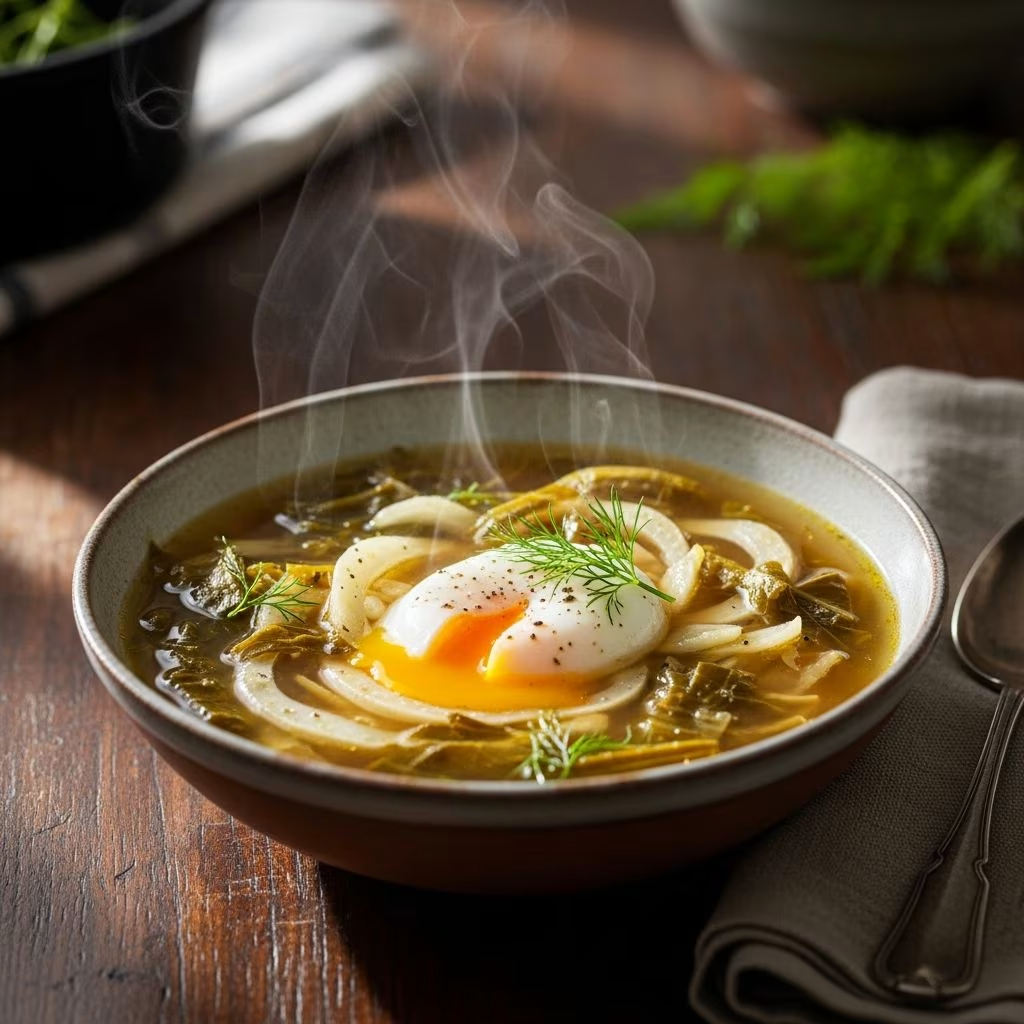
Shortly before serving, add the chopped leafy greens to the pot in batches, stirring each addition and allowing it to wilt before adding more. This staged approach prevents overcrowding the pot and ensures even cooking. Simmer until the greens have completely wilted and darkened slightly, typically two to five minutes depending on the type of green used.
Complete the seasoning process by adding fresh lemon juice and adjusting salt and pepper to personal preference. The lemon juice plays a crucial role in brightening flavors and preventing the soup from tasting flat or one-dimensional.
Texture Modifications Through Blending Techniques
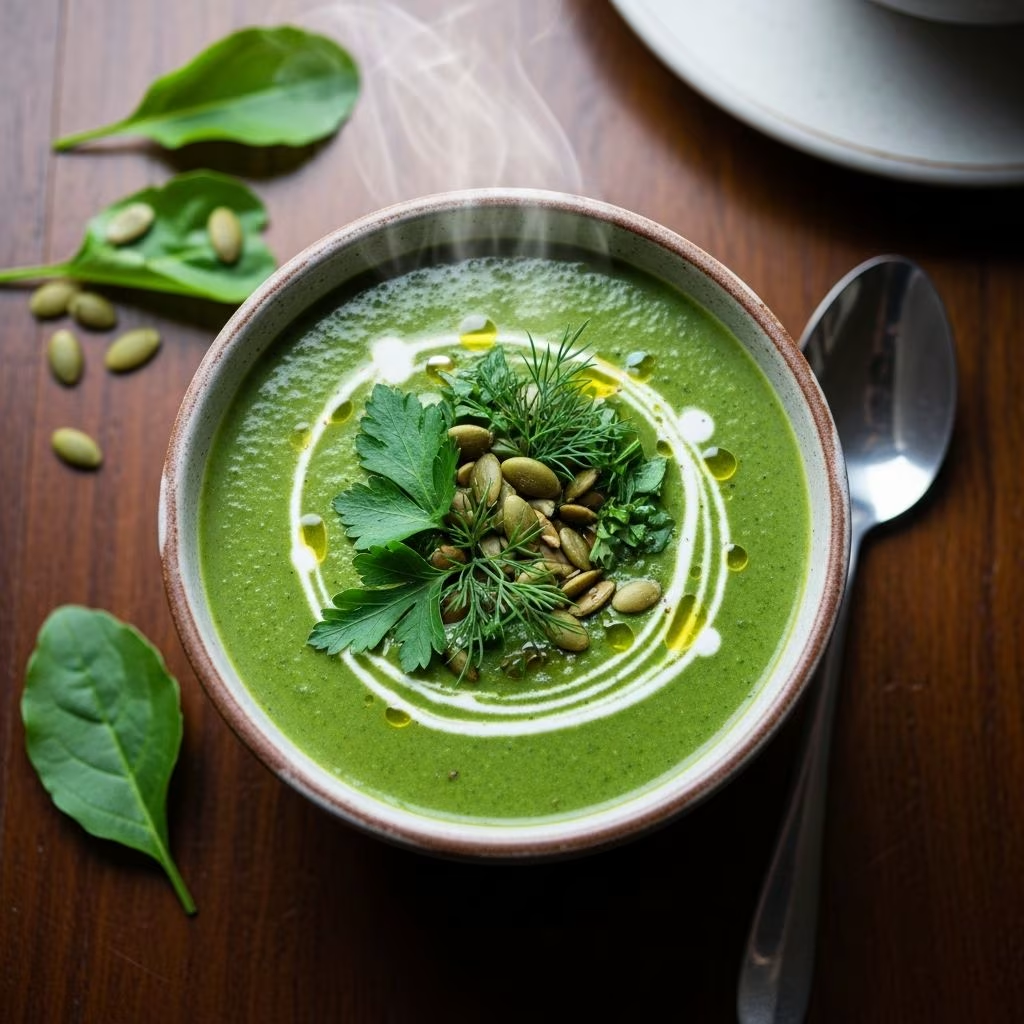
The desired soup consistency can range from chunky and rustic to creamy and refined, depending on personal preferences and available equipment. For a creamier texture without dairy products, carefully transfer approximately half of the finished soup to a blender and puree until completely smooth. Handle this step cautiously, as steam from hot liquids can cause serious burns. Blend in batches if necessary, ensuring the blender is never more than half full.
Alternatively, an immersion blender offers safer handling and more precise control over final consistency. Submerge the wand into the soup and pulse gently, creating a partially blended texture that retains some vegetable pieces while creating an overall creamier mouthfeel. Some cooks prefer to blend only one-third of the soup, creating a hybrid texture with distinct vegetable chunks suspended in a velvety base.
When white beans are present in the soup, partial mashing with a wooden spoon or potato masher releases starches that naturally thicken the broth, creating a luxurious consistency without additional thickening agents. This technique proves particularly effective with cannellini beans, which break down readily and contribute substantial creaminess.
Nutritional Benefits and Health Considerations
Leafy green soups deliver impressive nutritional profiles that justify their prominent place in health-conscious meal planning. Kale varieties contain substantial amounts of vitamins K, C, and A, along with beneficial minerals including iron and calcium. These greens provide compounds called glucosinolates, which research suggests may offer protective health properties when consumed regularly as part of a balanced diet.
Beans contribute plant-based protein and dietary fiber, supporting satiety and digestive health. A single serving of vegetable soup with beans can provide between eight and twelve grams of protein, making it suitable for vegetarians seeking adequate protein intake throughout the day. The combination of beans, vegetables, and leafy greens creates a complete nutritional profile supporting sustained energy without dramatic blood sugar fluctuations.
The emphasis on olive oil in these preparations provides monounsaturated fats associated with cardiovascular health when consumed in reasonable quantities. The aromatic vegetables and herbs used throughout introduce phytonutrients and antioxidants that contribute to overall wellness when incorporated into regular eating patterns.
Customization Options for Dietary Preferences
These soups adapt readily to various dietary requirements and personal preferences. For vegan preparations, simply ensure all broth used is vegetable-based rather than chicken or beef varieties. All other ingredients naturally align with plant-based eating patterns.
Those seeking additional protein might incorporate cooked lentils, chickpeas, or other legume varieties alongside or instead of cannellini beans. Nutritional yeast sprinkled atop finished bowls contributes umami depth and additional B vitamins for those seeking enhanced nutritional density.
Gluten-free diners can prepare these soups confidently, as they contain no grain-based thickeners. Some variations incorporate orzo pasta, which should be substituted with gluten-free pasta alternatives if necessary for those with celiac disease or gluten sensitivity.
Storage and Make-Ahead Strategies
These soups refrigerate excellently for up to five days when stored in airtight containers, making them ideal candidates for meal preparation. The flavors actually deepen during storage as ingredients continue to meld together. Simply reheat gently on the stovetop over medium heat, adding water if the soup has thickened substantially during storage.
Freezing is also viable, though the texture of the greens may soften further upon thawing. For best results, freeze soup before adding the leafy greens, then add fresh greens when reheating. Leave adequate headspace in containers to accommodate expansion that occurs during the freezing process.
Serving Suggestions and Presentation Ideas
Finishing touches transform a simple bowl of soup into an impressive presentation worthy of entertaining. Fresh parsley or cilantro scattered across the surface adds color and fresh herbal notes. A drizzle of high-quality olive oil creates visual interest while adding richness. Toasted croutons provide textural contrast against the smooth soup base.
Freshly grated Parmesan cheese offers traditional elegance for non-vegan preparations, while vegan diners might garnish with nutritional yeast or toasted breadcrumbs. A squeeze of fresh lemon juice at the table allows guests to adjust brightness to personal preference.
Common Questions About Vegetable Soup Preparation
Can I prepare this soup without cream or dairy products?
Absolutely. Blending beans and vegetables creates natural creaminess without any dairy additions. The starches from the legumes thicken the broth effectively, producing a rich mouthfeel that rivals cream-based versions.
How can I make this soup more substantial for heartier appetites?
Consider adding cooked grains like farro or brown rice, increasing the bean quantity, or incorporating additional protein sources like cooked lentils. These additions create a more filling meal while maintaining the soup’s fundamental character.
What leafy green varieties work best for this soup?
Lacinato kale, curly kale, spinach, and Swiss chard all perform excellently. Heartier greens like kale stand up to longer cooking without becoming mushy, while spinach wilts quickly and contributes a delicate flavor.
Can I use frozen vegetables instead of fresh?
Yes, frozen vegetables work well, though fresh aromatics like onion, garlic, and herbs should remain fresh for optimal flavor development. Frozen kale is particularly convenient and performs as well as fresh in finished dishes.
How do I prevent the soup from becoming too thick during storage?
Store liquid separately if possible, or thin the soup with vegetable broth or water when reheating. The blended ingredients naturally thicken over time as starches release and vegetables break down further.
References
- Nutrition Facts and Analysis for Kale — United States Department of Agriculture, FoodData Central. 2024. https://fdc.nal.usda.gov/
- Glucosinolates and Their Breakdown Products: Their Relevance to Health — International Journal of Molecular Sciences. 2018. https://www.ncbi.nlm.nih.gov/pmc/articles/PMC5852810/
- Plant-Based Proteins: Nutritional Composition and Health Benefits — Advances in Nutrition. 2020. https://academic.oup.com/advances/
- Monounsaturated Fats and Cardiovascular Health — American Heart Association. 2024. https://www.heart.org/
- Food Storage Guidelines for Soups and Stews — U.S. Food and Drug Administration. 2024. https://www.fda.gov/
- Legume Nutritional Content and Health Benefits — American Journal of Clinical Nutrition. 2019. https://academic.oup.com/ajcn/