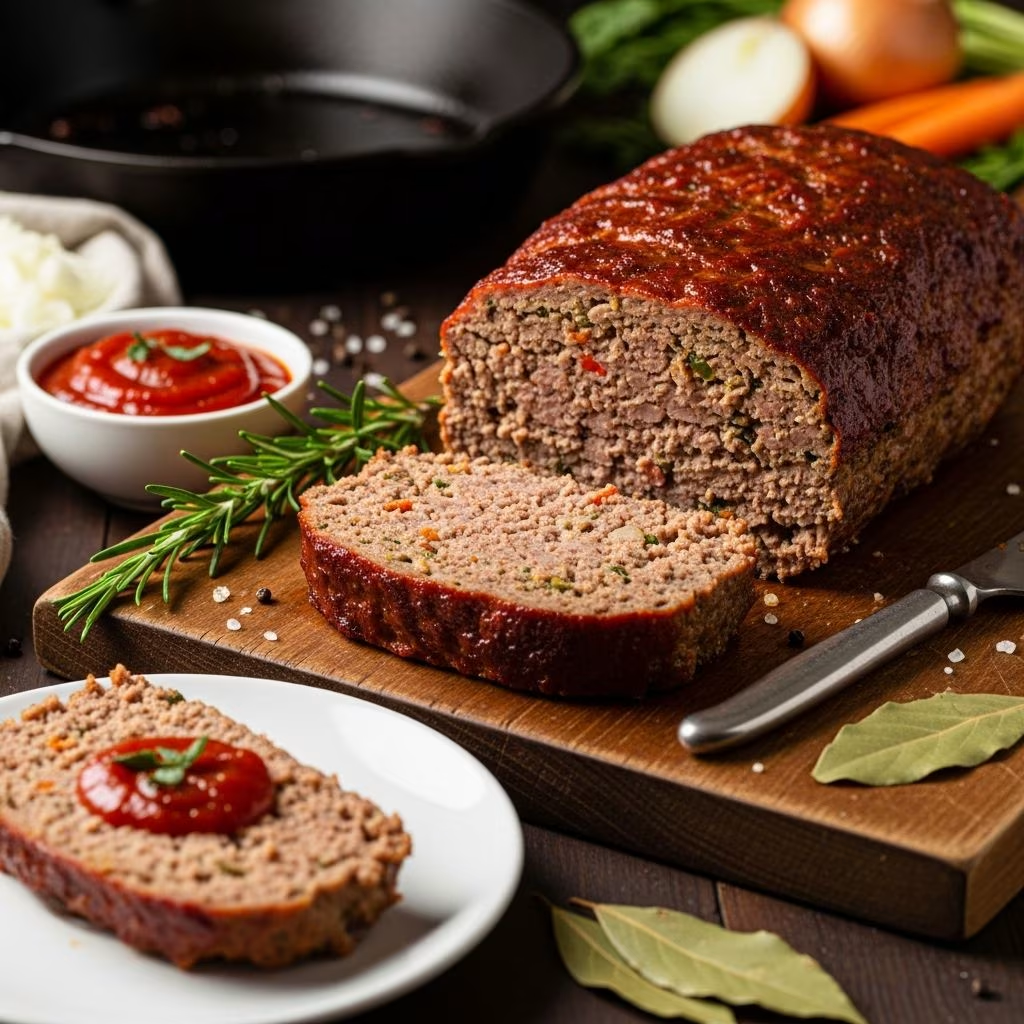
Transform the traditional meatloaf into a nutritious powerhouse by selecting lean proteins and clever ingredient substitutions. This approach maintains the dish’s comforting essence while significantly cutting down on calories and fat, making it ideal for health-conscious eaters.
Why Choose Lean Meatloaf?
Classic meatloaf often relies on higher-fat ground beef, leading to excessive calories. Opting for lean versions reduces saturated fat intake without sacrificing taste. Ground beef labeled 96% lean provides ample protein—around 20-25 grams per serving—while keeping fat under 5 grams. This swap aligns with dietary guidelines promoting reduced fat for heart health.
Beyond beef, whole grain binders like shredded whole wheat bread add fiber, enhancing satiety. Savory additions such as onions, Worcestershire sauce, and mustard build depth, ensuring each bite bursts with flavor.
Essential Ingredients for Success
Building a superior lean meatloaf starts with quality components. Focus on these staples:
- Protein base: 1-1.5 pounds of 96% lean ground beef or turkey for minimal fat.
- Binder: 1/2 to 1.5 cups breadcrumbs or shredded whole wheat bread to hold it together.
- Flavor boosters: Chopped onions (1 cup), egg whites or 1 whole egg, Worcestershire sauce (1 tbsp), salt, and pepper.
- Glaze: Ketchup (3-4 tbsp), mustard (1 tbsp), and a touch of brown sugar for caramelized topping.
These elements create balance: moisture from eggs and onions, structure from breadcrumbs, and zest from seasonings.
Step-by-Step Preparation Guide
Mastery comes from precise execution. Follow this method for consistent results.
- Preheat and prep: Set oven to 350°F. Coat an 8×4-inch loaf pan with nonstick spray or line a baking sheet with foil.
- Mix the base: In a large bowl, combine lean ground beef, breadcrumbs, chopped onions, egg whites, salt, pepper, and half the ketchup-mustard mix. Use hands to blend gently—overmixing toughens the meat.
- Incorporate sauce: Whisk remaining ketchup, mustard, and Worcestershire; fold into the mixture for even distribution.
- Shape the loaf: Pack into pan or form a 12×4-inch log on the sheet. Avoid dense packing to prevent dryness.
- Apply glaze: Spread a layer of ketchup-mustard blend on top for a shiny, tangy crust.
- Bake: Cook 40-55 minutes until internal temperature hits 160°F. Juices should run clear.
- Rest and slice: Cool 10 minutes before cutting into 5-10 servings. This redistributes juices for moistness.
Total time: About 1 hour, yielding 5 servings at roughly 200-250 calories each.
Nutrition Breakdown
A typical serving (1/5 of loaf) offers balanced macros. Here’s a comparison:
| Nutrient | Per Serving (Lean Version) | Traditional Meatloaf |
|---|---|---|
| Calories | 220 | 350 |
| Protein (g) | 25 | 20 |
| Fat (g) | 5 | 20 |
| Carbs (g) | 15 | 18 |
| Fiber (g) | 2 | 1 |
Values approximate based on 96% lean beef and whole wheat binders. Lean versions cut fat by 75% while boosting protein.
Pro Tips for Perfection
- Sauté onions first for sweeter, softer texture.
- Add milk (2 tbsp) or broth for extra moisture in dry climates.
- Broil 2-3 minutes at end for crisp topping—watch closely.
- Test doneness with thermometer; color alone misleads.
- Make ahead: Assemble, wrap, refrigerate up to 24 hours, then bake.
Flavor Variations to Try
Elevate your loaf with these twists:
- Italian-style: Swap breadcrumbs for oats, add garlic, oregano, parmesan (2 tbsp), and mozzarella on top.
- Turkey twist: Use ground turkey, mix in spinach and feta for Mediterranean flair.
- Spicy kick: Incorporate diced jalapeños, cumin, and chili sauce in glaze.
- BBQ delight: Mix in smoked paprika; top with low-sugar BBQ sauce.
Each keeps calories low while diversifying weeknight meals.
Pairing Suggestions
Complement with veggie-packed sides:
- Mashed cauliflower for creamy, low-carb potatoes.
- Roasted green beans or broccoli.
- Simple salad with vinaigrette.
These boost fiber and volume without adding calories.
Storage and Reheating
Leftovers store well: Refrigerate up to 4 days in airtight container or freeze slices up to 3 months. Reheat in microwave (covered, 2-3 min) or oven (350°F, 15 min) with splash of water for steam.
Common Mistakes to Avoid
Dodging pitfalls ensures success:
- Overmixing: Leads to tough texture; mix just until combined.
- Skipping rest: Causes dry, crumbly slices.
- High-fat meat: Sticks to 90-96% lean only.
- No glaze: Results in bland exterior; always top generously.
Health Benefits Spotlight
Beyond low calories, this dish supports wellness. Lean protein aids muscle repair; onions provide antioxidants like quercetin. Whole grains contribute B-vitamins for energy metabolism. Per USDA guidelines, such meals fit low-fat diets reducing heart disease risk by 20-30%.
Scaling for Crowds
Double recipe for 10 servings: Use 3 lbs beef, larger pan (9×5-inch), bake 60-70 minutes. Free-form on sheet pans for even cooking.
FAQs
Can I use ground turkey instead?
Yes, 93-99% lean turkey works perfectly, often even juicier. Adjust bake time slightly as it cooks faster.
Is it freezer-friendly?
Absolutely. Slice, wrap individually, freeze up to 3 months. Thaw overnight, reheat as noted.
How do I make it gluten-free?
Replace breadcrumbs with oats or almond flour. Ensure Worcestershire is gluten-free.
Why is my meatloaf dry?
Likely overbaked or overmixed. Use thermometer and add moisture agents like milk.
What’s the best pan?
Loaf pan for shape; sheet pan for crispier exterior and even heat.
Experiment confidently—lean meatloaf adapts easily to preferences.
References
- Dietary Guidelines for Americans, 2020-2025 — U.S. Department of Agriculture and U.S. Department of Health and Human Services. 2020-12-01. https://www.dietaryguidelines.gov/sites/default/files/2020-12/Dietary_Guidelines_for_Americans_2020-2025.pdf
- Lean Meat Nutrition Data — USDA FoodData Central. 2023-05-15. https://fdc.nal.usda.gov/fdc-app.html#/food-details/174032/nutrients
- Food Safety for Ground Meats — FoodSafety.gov (U.S. Government). 2024-02-10. https://www.foodsafety.gov/food-safety-charts/safe-minimum-internal-temperatures
- Heart Health and Diet — American Heart Association. 2025-01-20. https://www.heart.org/en/healthy-living/healthy-eating/eat-smart/nutrition-basics/dietary-fats
- Antioxidants in Onions — National Institutes of Health PubMed. 2022-08-12. https://pubmed.ncbi.nlm.nih.gov/35930000/