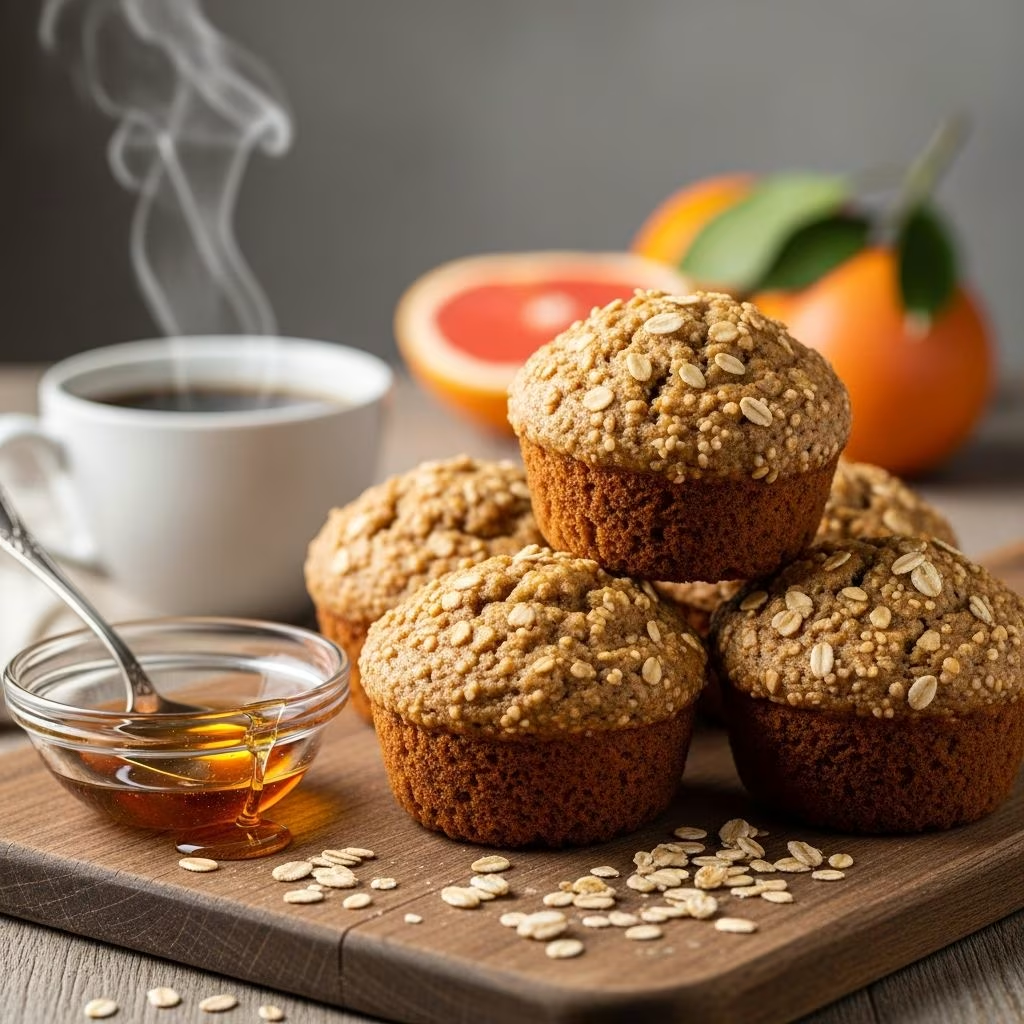
Bran muffins represent a delicious intersection between wholesome nutrition and indulgent baking. Unlike highly processed commercial varieties, homemade bran muffins allow you to control ingredient quality while delivering substantial dietary fiber and essential nutrients. Whether you’re seeking a nutritious breakfast option or a satisfying afternoon snack, mastering this classic recipe opens doors to endless customization possibilities. This comprehensive guide explores everything you need to know about creating exceptional bran muffins in your own kitchen.
Understanding Wheat Bran: The Foundation of Your Muffins
Wheat bran forms the cornerstone of these nutritious treats, distinguishing them from conventional muffin varieties. This component comprises the outer layer of wheat kernels and delivers concentrated fiber content along with B vitamins, minerals, and plant-based proteins. When incorporated into baked goods, wheat bran creates a distinctive texture while contributing earthy, subtle flavor notes. The nutritional profile makes these muffins particularly valuable for individuals seeking to increase their daily fiber intake naturally.
One critical consideration involves understanding how wheat bran interacts with liquid ingredients during preparation. The bran absorbs moisture rapidly, causing the batter to thicken noticeably as it sits. This characteristic requires prompt baking once all components combine, preventing the mixture from becoming overly dense. Recognizing this behavior helps you achieve the ideal crumb structure and ensures consistent results batch after batch.
Essential Ingredients for Superior Muffin Quality
Creating outstanding bran muffins starts with selecting high-quality, complementary ingredients. The following components work synergistically to develop flavor, texture, and nutritional value:
- Whole Wheat Flour: Provides structural integrity while maintaining a nutritious profile. White whole wheat flour offers a milder flavor compared to traditional whole wheat varieties, making it an excellent choice for those preferring subtle grain notes.
- Wheat Bran: The primary ingredient that defines these muffins, typically requiring one cup per batch to achieve authentic character and nutritional benefits.
- Leavening Agents: Baking powder and baking soda work together to create proper rise and lightness, with precise measurements preventing metallic aftertastes or dense results.
- Sweeteners: Honey, maple syrup, or brown sugar provide moisture and sweetness while contributing distinct flavor profiles. Natural sweeteners complement rather than overpower the grain-forward taste.
- Binding Elements: Eggs unite ingredients while providing structural support, while applesauce or mashed banana adds moisture and natural sweetness simultaneously.
- Healthy Fats: Coconut oil or vegetable oil contributes richness and helps achieve tender crumbs without requiring butter or margarine.
- Dairy Products: Buttermilk, regular milk, or dairy-free alternatives hydrate the batter appropriately, with buttermilk providing subtle tang that enhances complexity.
- Flavor Enhancers: Vanilla extract, ground cinnamon, and salt balance and amplify other components, creating depth that transcends basic sweetness.
Preparation Methodology: Mixing and Baking Techniques
Success depends significantly on understanding proper mixing and baking procedures. Unlike some baked goods requiring vigorous beating, bran muffin batters benefit from gentle handling to prevent overly dense results.
The Mixing Process
Begin by combining all dry ingredients—flour, wheat bran, baking powder, baking soda, salt, and spices—in a substantial bowl. Whisking these components together ensures even distribution of leavening agents and creates a uniform base. In a separate bowl, combine liquid and wet ingredients including eggs, sweeteners, oils, and any pureed additions like applesauce or mashed fruit. This two-bowl approach prevents overdevelopment of gluten, which would produce tough, undesirable texture.
Once both mixtures are prepared, pour wet ingredients into dry components and whisk gently until just combined. Some small lumps remaining in the batter indicate proper mixing—overmixing at this stage promotes toughness. If including raisins, dried cranberries, or other mix-ins, fold these in gently using a spatula after the basic batter achieves uniformity.
Baking Strategy for Optimal Results
A two-temperature baking approach produces muffins with superior texture. Start by preheating your oven to 425°F and filling muffin cups nearly to the rim with batter. Baking at this elevated temperature for five minutes creates proper rise and structure. Without opening the oven door, reduce the temperature to 350°F and continue baking for an additional 14-15 minutes. This technique develops a slightly domed top while preventing the exterior from browning too quickly before the interior fully sets.
Testing for doneness employs the traditional toothpick method—insert a wooden pick into the center of a muffin, and it should emerge with only a few moist crumbs rather than wet batter. Allowing muffins to cool in the pan for approximately five minutes before transferring to a wire rack prevents breaking while ensuring even cooling throughout.
Ingredient Customization and Creative Variations
While the classic formulation delivers excellent results, bran muffins welcome numerous adaptations to suit personal preferences and dietary requirements.
| Customization Option | Suggested Addition | Proportion Guidelines |
|---|---|---|
| Dried Fruits | Raisins, cranberries, or diced dates | ½ to ¾ cup mixed into batter |
| Nuts and Seeds | Chopped walnuts, pecans, or sunflower seeds | ½ to 1 cup folded into batter |
| Fresh Produce | Grated apple, mashed banana, or shredded zucchini | ½ to 1 cup incorporated into wet mixture |
| Spice Enhancements | Nutmeg, ginger, allspice, or cardamom | ¼ to ½ teaspoon additional |
| Dairy Alternatives | Almond milk, oat milk, or coconut milk | Direct substitution for regular milk |
Storage and Longevity Considerations
Proper storage extends enjoyment of your homemade muffins significantly. Room temperature storage in an airtight container maintains freshness for 2-3 days, though the texture gradually firms as the bran absorbs moisture from the environment. Refrigeration extends shelf life to approximately one week, with minimal quality degradation. For extended storage, freezing individual muffins in freezer-safe bags preserves quality for up to three months. Simply thaw at room temperature or briefly warm in a microwave before serving.
Troubleshooting Common Baking Challenges
Even experienced bakers encounter occasional issues when preparing bran muffins. Understanding common problems and their solutions ensures consistently successful outcomes:
- Dense, Compact Texture: Typically results from overmixing or allowing batter to sit too long before baking. Wheat bran absorbs liquid rapidly—mix gently and bake immediately.
- Tunneling or Large Holes: Excessive leavening agents or violent stirring creates this undesirable structure. Verify baking powder and baking soda measurements carefully.
- Peaked, Uneven Tops: Oven temperature fluctuation or uneven batter distribution causes this appearance. Fill muffin cups consistently and verify oven calibration.
- Dry Interior: Overbaking removes too much moisture. Check for doneness earlier than anticipated and avoid extended baking times.
- Pale Exterior: Insufficient heat development requires slightly higher oven temperatures or extended baking duration at initial temperature.
Nutritional Benefits and Health Considerations
Bran muffins offer substantial nutritional advantages beyond simple indulgence. Wheat bran provides dietary fiber supporting digestive health and promoting satiety—the feeling of fullness that extends between meals. This fiber content contributes to stable blood sugar levels, making bran muffins a reasonable choice for individuals managing glucose sensitivity. Additional nutrients including B vitamins, magnesium, phosphorus, and manganese support energy metabolism and bone health. Compared to refined-flour muffins laden with excessive sugar and artificial ingredients, homemade bran varieties deliver superior nutritional density while remaining genuinely delicious.
Frequently Asked Questions
Can I substitute all-purpose flour for whole wheat flour?
Yes, all-purpose flour works as a direct substitute, though white whole wheat flour produces superior flavor and texture. All-purpose flour creates slightly lighter muffins with less pronounced grain character, which some bakers prefer.
What causes my muffin batter to thicken immediately?
Wheat bran absorbs liquid rapidly, much like oatmeal or bran cereal added to milk. Bake the batter promptly after mixing all ingredients to prevent excessive thickening that results in dense muffins.
How do I create dairy-free bran muffins?
Substitute buttermilk with unsweetened plant-based milk combined with a tablespoon of lemon juice or vinegar, allowing it to sit for five minutes to develop tanginess. Replace eggs with flax or chia seed replacements if necessary.
Why did my muffins turn out dry?
Overbaking removes excessive moisture from the crumb structure. Test for doneness slightly earlier than expected, as bran absorbs moisture differently than refined flour. Include moisture-rich additions like applesauce or mashed fruit in your recipe.
Can I prepare muffin batter in advance?
Prepare individual components separately and refrigerate for several hours. Combine immediately before baking to prevent the batter from thickening excessively and producing dense results.
What temperature works best for baking bran muffins?
The two-temperature approach—425°F for 5 minutes followed by 350°F for 14-15 minutes—produces superior results with proper rise and exterior development. A single temperature of 375°F also works acceptably if preferred.
Conclusion: Mastering Bran Muffin Preparation
Creating exceptional bran muffins combines understanding ingredient interactions with respecting proper technique. These wholesome treats satisfy health-conscious bakers seeking nutritious options without sacrificing flavor or satisfaction. By selecting quality ingredients, following gentle mixing protocols, and employing strategic baking temperatures, anyone can master this classic recipe. Whether enjoyed fresh from the oven or saved for convenient breakfasts throughout the week, homemade bran muffins represent accessible baking achievement that rewards both effort and attention to detail.
References
- Wheat Bran Composition and Nutritional Content — U.S. Department of Agriculture (USDA). https://fdc.nal.usda.gov/
- Baking Science Principles: Leavening Agents — King Arthur Baking Company. https://www.kingarthurbaking.com/learn/
- Dietary Fiber and Health Benefits — National Institutes of Health (NIH). https://www.nccih.nih.gov/
- Food Storage and Safety Guidelines — U.S. Food and Drug Administration (FDA). https://www.fda.gov/food/