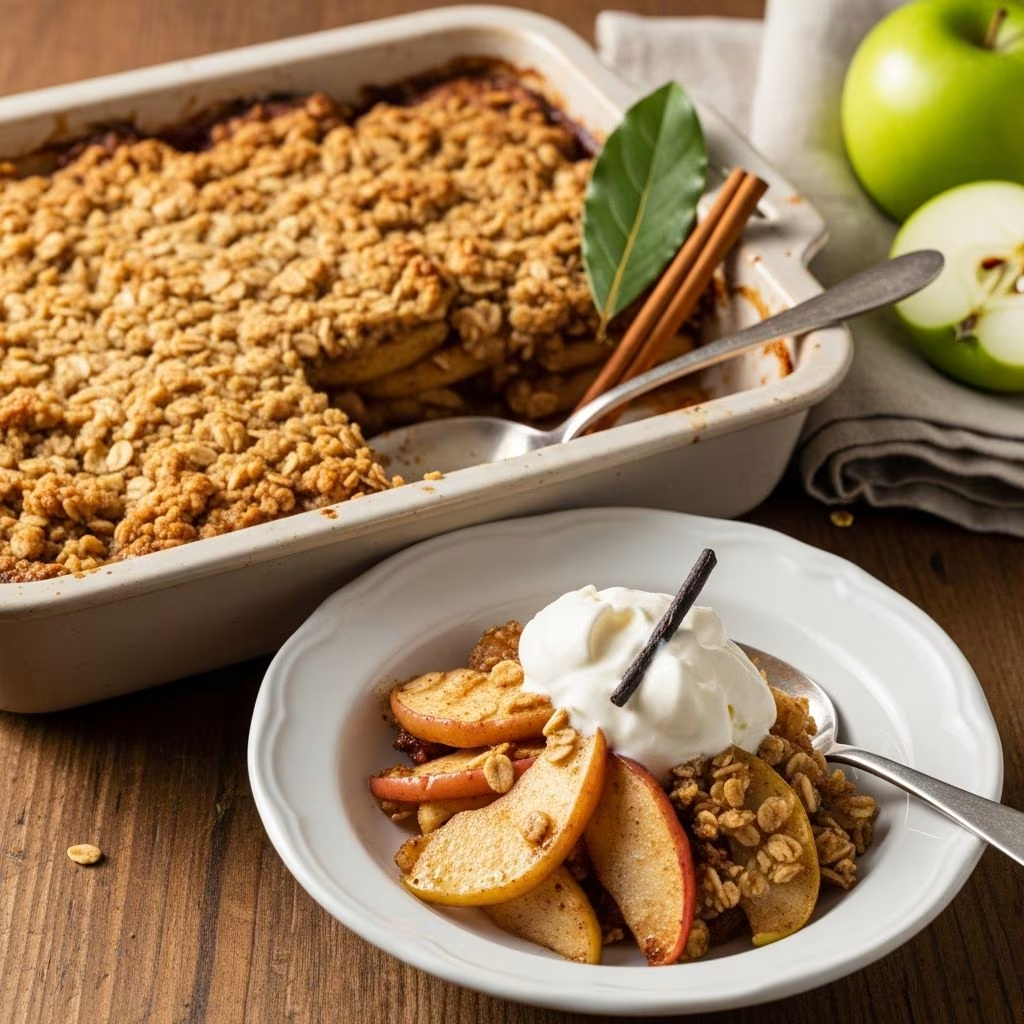
Apple crisp stands as one of the most beloved comfort desserts in American kitchens, celebrated for its simplicity and warm, satisfying flavors. However, traditional recipes often rely heavily on refined sugar, butter, and processed ingredients that can transform this rustic treat into a calorie-dense indulgence. The good news is that creating a more nutritious version doesn’t require sacrificing flavor or texture—instead, it demands thoughtful ingredient selection and strategic substitutions that enhance the natural qualities of apples while reducing unnecessary additives.
A modernized approach to apple crisp brings together whole grains, natural sweetening options, and reduced-fat components without compromising the crispy, crunchy topping that makes this dessert irresistible. By understanding which substitutions work best and how different ingredients interact during baking, home bakers can create a dessert that satisfies both health-conscious goals and cravings for authentic, homemade goodness.
Understanding the Foundation: Why Apples Matter
Apples serve as far more than a filler ingredient in crisp recipes; they represent the nutritional backbone of this dessert. Fresh apples bring natural sweetness, dietary fiber, and essential vitamins without requiring additional sweetening agents. A medium-sized apple contains approximately 4 grams of fiber, contributing nearly 16% of the daily recommended intake. Beyond fiber, apples provide around 14% of the recommended daily value of Vitamin C, along with trace amounts of potassium, manganese, and copper—minerals that support bone health and metabolic function.
The choice of apple variety significantly impacts the final dish. Tart varieties such as Granny Smith or Rome apples provide acidic notes that naturally brighten the flavor profile, reducing the need for excess sweeteners to achieve balanced taste. Honeycrisp apples offer a sweet, juicy texture that creates a naturally luscious filling even with minimal added sugar. Using between 5 to 6 medium apples ensures sufficient volume to create a satisfying portion while maintaining proper proportions with the topping layer.
Preparation methods also influence nutritional value. While peeling removes some fiber and skin-based nutrients, leaving skins intact preserves these beneficial compounds. Slicing apples thinly and evenly ensures uniform cooking and allows flavors to meld more thoroughly during the baking process.
Sweetening Solutions Beyond Refined Sugar
The most impactful change in creating a lighter apple crisp involves rethinking sweetening strategies. Maple syrup emerges as an excellent alternative to white or brown sugar, offering a distinctive flavor profile while delivering a lower glycemic impact. Pure maple syrup contains trace minerals including manganese and zinc, plus polyphenol compounds with antioxidant properties. When substituting maple syrup for refined sugar, a general guideline suggests using approximately one-third cup of pure maple syrup to sweeten the apple filling for a standard 8×8-inch baking dish.
Coconut sugar represents another viable option, providing a lower glycemic index compared to conventional white sugar while contributing subtle caramel undertones that complement apple flavors naturally. This sweetener dissolves readily into apple juices during baking, creating a cohesive filling without separated layers or crystallized deposits.
For those pursuing sugar-elimination goals, monk fruit sweetener or other sugar alcohols offer sweetness without impacting blood glucose levels. These alternatives require experimentation to achieve desired sweetness levels, as they behave differently during baking and may require adjustment in ratios compared to traditional sugar measurements.
The total sugar content in properly balanced healthier apple crisps typically ranges from 2 to 3 tablespoons for the filling layer, substantially reduced from conventional recipes that often call for one-half to three-quarters cup of sugar.
Constructing the Topping: Texture Through Wholesome Grains
The crispy topping distinguishes apple crisp from apple pie and represents where ingredient choices dramatically affect both nutritional profile and texture quality. Traditional toppings rely on refined white flour and generous amounts of butter to achieve their signature crunch. Replacing these with whole grain alternatives maintains textural integrity while introducing fiber, B-vitamins, and minerals.
Old-fashioned rolled oats form the foundation of modern wholesome crisps, providing 4 grams of fiber per one-half cup serving along with complex carbohydrates that promote sustained energy. The thicker structure of rolled oats compared to quick oats ensures the topping maintains its crispy texture throughout baking rather than compacting into a dense layer. Whole wheat flour adds nuttiness and additional fiber when combined with regular flour in a 50-50 blend, creating a topping that’s neither too dense nor too light.
Almond flour or finely ground nuts can replace a portion of traditional wheat flour, introducing healthy monounsaturated fats alongside mineral content including magnesium and vitamin E. Using one-quarter to one-half cup of almond flour mixed with one-quarter cup of all-purpose flour produces a topping with superior moisture retention and satisfying texture.
Balancing Fat Content
Butter traditionally binds topping ingredients together and creates the characteristic crumb texture. While cold butter remains ideal for this purpose, reducing the amount from the standard three-quarter cup to one-quarter cup achieves crispness without excessive saturated fat. Cutting cold butter into tiny cubes rather than melting ensures even distribution throughout the topping mixture.
Coconut oil offers a dairy-free alternative that provides similar binding properties while introducing a subtle flavor dimension. Vegan butter substitutes work equally well for those maintaining plant-based diets, requiring no modification to technique or baking time.
Incorporating Nuts for Nutritional Depth
Nuts transform apple crisp from a simple carbohydrate-based dessert into a more nutritionally complete option. Pecans, walnuts, and almonds each contribute unique flavor profiles while delivering protein, healthy fats, and micronutrients including selenium, copper, and manganese. A typical healthier apple crisp incorporates between one-half and one full cup of chopped nuts, distributed throughout the topping layer.
Chopping nuts into two different sizes—some coarsely chopped for textural contrast and others ground into a coarse flour—creates a more interesting topping that combines crunchiness with slight binding properties. This technique reduces the total amount of grain flour required while maintaining proper structural integrity.
Aromatic Spices That Enhance Without Adding Sweetness
Cinnamon and nutmeg provide the aromatic foundation that makes apple crisp instantly recognizable. Beyond flavor contribution, these spices offer functional benefits including antimicrobial properties and polyphenol compounds with antioxidant activity. A combination of one teaspoon of ground cinnamon and one-quarter teaspoon of nutmeg typically seasons the apple filling adequately without overpowering the delicate fruit flavors.
Additional spice options including cardamom, cloves, or ginger can introduce complexity for adventurous bakers. A single pinch of ground cloves or one-eighth teaspoon of cardamom adds subtle depth without dominating the flavor profile. Sea salt, often overlooked in dessert recipes, enhances overall perception of sweetness and amplifies spice notes when distributed throughout both filling and topping layers.
Optional Flavor Enhancers and Extracts
Pure vanilla extract contributes aromatic depth that makes the dessert feel more substantial despite reduced sugar content. One teaspoon of quality vanilla extract distributed throughout the topping creates complexity that masks any perception of reduced sweetness. Bourbon or brandy can be added to the filling in small amounts—one tablespoon provides flavor without adding significant alcohol content after baking, as evaporation occurs during the cooking process.
Fresh lemon juice serves dual purposes: it prevents apple oxidation and browning while introducing bright acidity that balances sweetness and emphasizes the fruit’s natural flavor characteristics. One to two teaspoons of fresh lemon juice tossed with sliced apples before baking creates visible preservation while enhancing overall taste perception.
Assembly and Baking Techniques for Optimal Results
Proper assembly ensures even cooking and allows flavors to integrate thoroughly. Begin by spreading sliced apples in a prepared baking dish in a relatively even layer. Toss the apples with chosen sweetener, spices, and any flavor enhancers, allowing the mixture to rest for several minutes so apples begin releasing their natural juices and absorbing flavoring agents.
Prepare the topping separately by combining dry ingredients—oats, flour, nuts, cinnamon, salt—in a medium bowl. Add cold butter or coconut oil in small cubes and blend using a pastry cutter or fork until the mixture resembles coarse breadcrumbs with some pea-sized chunks remaining. This texture, rather than a fine powder, produces the desired crispy topping.
For added textural interest, some recipes recommend combining one-third of the crumb topping directly with the apple mixture, tossing gently to distribute and create internal texture variation, before spreading the remaining topping in an even layer across the surface. This approach creates crisps with delightful texture throughout rather than just a crispy top layer.
Baking at 375 degrees Fahrenheit for 25 to 40 minutes, depending on apple thickness and oven characteristics, allows the filling to bubble gently at the edges while the topping develops golden-brown color. The exact timing varies based on pan size and apple variety, so watching for visible bubbling at the edges and observing topping color provides more reliable doneness indicators than strict time measurements.
Nutritional Comparison: Traditional Versus Modified
| Component | Traditional Recipe | Healthier Version |
|---|---|---|
| Sugar (per serving) | 28-35g | 8-12g |
| Butter/Fat (per serving) | 8-10g | 3-4g |
| Fiber (per serving) | 2-3g | 5-6g |
| Calories (per serving) | 310-350 | 200-250 |
| Protein (per serving) | 2-3g | 4-5g |
Storage and Make-Ahead Strategies
Apple crisp reheats beautifully, making it an excellent candidate for advance preparation. Fully assembled crisps can be covered and refrigerated up to 24 hours before baking, with baking time potentially increasing by 5 to 10 minutes. Baked crisps store well in airtight containers for three to four days, reheating effectively in a 300-degree oven for 10 to 15 minutes until warmed through.
Freezing baked or unbaked crisps extends storage indefinitely. Unbaked crisps freeze particularly well, allowing bakers to prepare multiple batches during apple season and bake individual portions throughout fall and winter months.
Serving Suggestions and Complementary Toppings
While nutritious apple crisp stands perfectly well alone, several serving options enhance the experience. Unsweetened Greek yogurt provides creamy richness and additional protein without significant added sugar. A small drizzle of pure honey or pure maple syrup adds sweetness for those preferring enhanced indulgence. Whipped coconut cream offers a dairy-free alternative with tropical notes that complement apple flavors.
For special occasions, low-sugar vanilla ice cream or frozen yogurt creates the classic warm-and-cold contrast that elevates the experience. A simple dusting of cinnamon or light drizzle of caramel sauce made from dates or coconut sugar provides finishing touches without substantially increasing caloric content.
Frequently Asked Questions
Can I make this recipe gluten-free?
Absolutely. Replace all-purpose flour with certified gluten-free flour blends in equal proportions. Use certified gluten-free oats rather than conventional oats, which may contain gluten due to cross-contamination. The final texture and baking time remain essentially unchanged.
What apple varieties work best?
Tart varieties like Granny Smith or Rome apples pair excellently with reduced sugar, providing natural acidity. Sweeter varieties like Honeycrisp or Gala work well when combined with tart apples in equal proportions. Avoid mealy varieties that break down excessively during baking.
How do I adjust sweetness levels?
Start with the recommended maple syrup amount and taste the apple mixture before baking. Add sweetener incrementally in one-tablespoon portions if additional sweetness is desired. Remember that some apple varieties naturally contain more sugar, requiring less added sweetener.
Can I substitute nuts if I have allergies?
Seeds like sunflower or pumpkin seeds work effectively as nut replacements, providing similar nutritional benefits and texture. Increase the total amount slightly when substituting, as seeds may pack more densely than chopped nuts.
Does this recipe work in larger quantities?
Yes. Double or triple all ingredients and use appropriately sized baking vessels. Larger batches may require slight baking time increases—start checking for doneness at the original time and extend as needed.
Conclusion: Balancing Indulgence with Wellness
Creating a nutritious apple crisp requires not sacrificing satisfaction but rather making informed ingredient choices that respect both health goals and taste preferences. By focusing on whole grains, natural sweeteners, reduced fat content, and nutrient-dense toppings, home bakers transform this beloved comfort dessert into something that nourishes the body while delighting the palate. The result—warm, fragrant, and genuinely satisfying—proves that healthful eating and dessert indulgence need not be mutually exclusive.
References
- Apple, raw, without skin — U.S. Department of Agriculture, FoodData Central. 2022. https://fdc.nal.usda.gov/fdc-app.html#/?query=apple%20raw
- Syrup, maple — U.S. Department of Agriculture, FoodData Central. 2022. https://fdc.nal.usda.gov/fdc-app.html#/?query=maple%20syrup
- Cereal Grains and Pasta — Oats — U.S. Department of Agriculture, FoodData Central. 2022. https://fdc.nal.usda.gov/fdc-app.html#/?query=oats%20rolled
- Nuts, almonds — U.S. Department of Agriculture, FoodData Central. 2022. https://fdc.nal.usda.gov/fdc-app.html#/?query=almonds
- Nuts, walnuts, english — U.S. Department of Agriculture, FoodData Central. 2022. https://fdc.nal.usda.gov/fdc-app.html#/?query=walnuts
- Spices, cinnamon, ground — U.S. Department of Agriculture, FoodData Central. 2022. https://fdc.nal.usda.gov/fdc-app.html#/?query=cinnamon%20ground
- Flour, wheat, whole-grain — U.S. Department of Agriculture, FoodData Central. 2022. https://fdc.nal.usda.gov/fdc-app.html#/?query=whole%20wheat%20flour