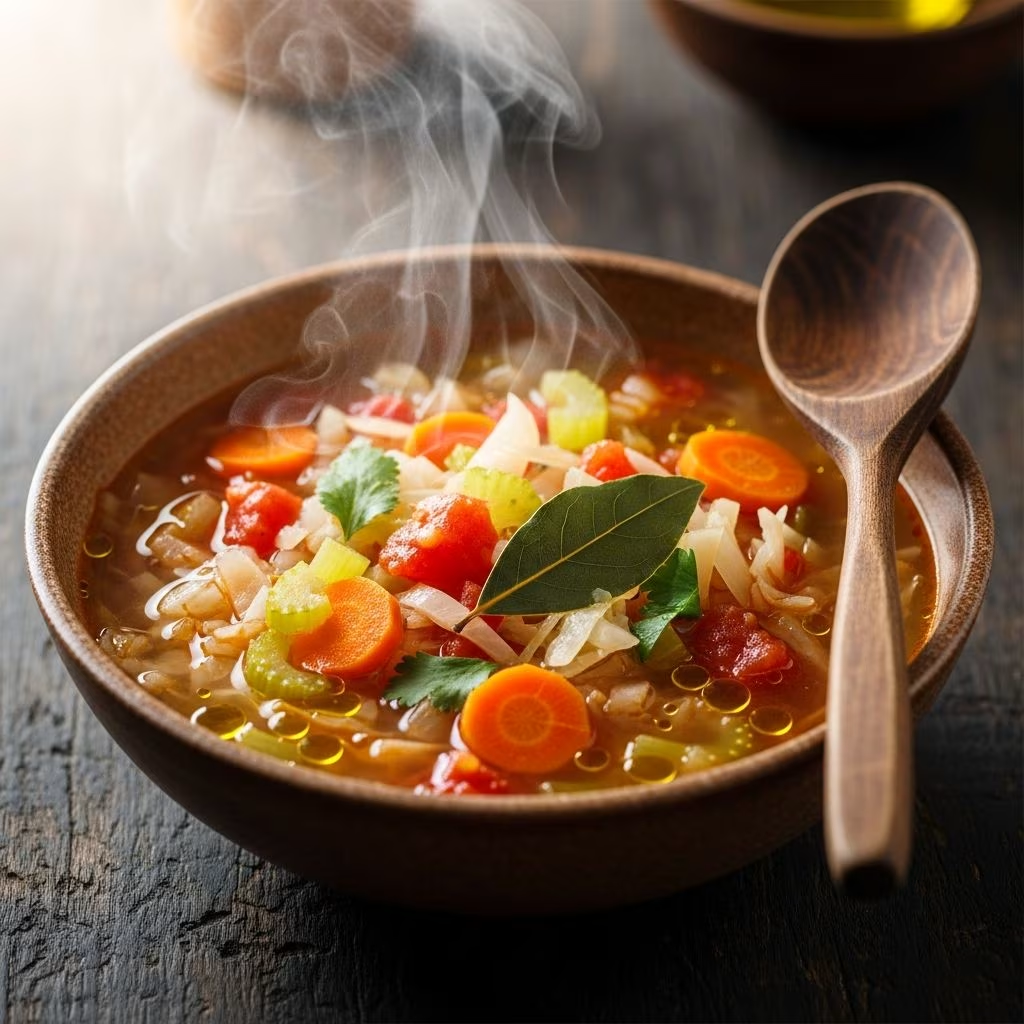
Imagine a steaming bowl of soup that not only warms you from the inside out but also delivers a powerhouse of nutrients to support your body’s natural healing processes. Healing cabbage soup fits that description perfectly. This simple dish centers around cabbage, a cruciferous vegetable brimming with vitamins, fiber, and antioxidants, combined with everyday veggies and aromatic spices for maximum flavor and health benefits.
Whether you’re recovering from a cold, aiming to detox, or just seeking a wholesome meal, this recipe stands out for its ease and versatility. It’s naturally vegan, gluten-free, and low in calories, making it ideal for various dietary needs. In the following sections, we’ll dive into why this soup earns its ‘healing’ reputation, share a foolproof recipe, and offer tips to customize it for your taste.
The Science Behind Cabbage’s Superfood Status
Cabbage has long been celebrated in traditional diets for its restorative qualities. Rich in **vitamin C**, it bolsters immune function by aiding white blood cell production and acting as an antioxidant to combat free radicals. One cup of raw cabbage provides over 50% of the daily recommended vitamin C intake, essential for collagen synthesis and wound healing.
Beyond immunity, cabbage shines for **digestive health**. Its high soluble fiber content, including glucosinolates, promotes regular bowel movements and feeds beneficial gut bacteria. Studies highlight how these compounds may reduce inflammation in the digestive tract, potentially easing symptoms of conditions like IBS. The soup’s broth base hydrates while the veggies add bulk, creating a gentle yet effective meal for gut reset.
Anti-inflammatory properties come from sulforaphane, a compound activated when cabbage is chopped or cooked lightly. This sulfur-rich molecule targets oxidative stress, which is linked to chronic diseases. Paired with ginger and turmeric—common additions in healing recipes—the soup becomes a potent brew for reducing bodily inflammation.
Key Ingredients and Their Roles
The beauty of healing cabbage soup lies in its straightforward ingredient list. Here’s a breakdown of the stars:
- Cabbage: The foundation, providing bulk, crunch, and nutrients like vitamin K for blood clotting and bone health.
- Onions, carrots, and celery: The classic mirepoix base, adding sweetness, earthiness, and additional fiber plus beta-carotene for eye health.
- Tomatoes: Bring acidity and lycopene, an antioxidant that supports heart health.
- Broth: Vegetable or chicken for depth; low-sodium options keep it clean.
- Spices like garlic, ginger, turmeric, and herbs: Garlic offers allicin for antimicrobial effects; ginger soothes nausea; turmeric’s curcumin fights inflammation.
These components create synergy: the veggies release natural sugars during cooking, while spices enhance bioavailability of nutrients. Opt for organic produce when possible to minimize pesticides.
Step-by-Step Recipe for Healing Cabbage Soup
This recipe serves 6-8 and takes about 45 minutes. It’s scalable for meal prep—freeze portions for up to three months.
Ingredients
| Ingredient | Quantity |
|---|---|
| Olive oil | 2 tbsp |
| Onion, diced | 1 large |
| Carrots, sliced | 3 medium |
| Celery stalks, chopped | 3 |
| Garlic cloves, minced | 4 |
| Ginger, grated | 1 tbsp |
| Cabbage, shredded | 1 medium head (about 8 cups) |
| Diced tomatoes (canned, with juice) | 28 oz |
| Vegetable broth | 6 cups |
| Turmeric powder | 1 tsp |
| Cumin | 1 tsp |
| Salt and pepper | To taste |
| Fresh parsley or lemon juice | For garnish |
Instructions
- Heat olive oil in a large pot over medium heat. Add onion, carrots, and celery. Sauté for 5-7 minutes until softened and fragrant.
- Stir in garlic and ginger; cook 1-2 minutes to release aromas without browning.
- Add turmeric and cumin; toast spices for 30 seconds to unlock flavors.
- Toss in shredded cabbage and stir for 3-4 minutes until it begins to wilt.
- Pour in diced tomatoes and broth. Season with salt and pepper. Bring to a boil, then reduce to simmer for 25-30 minutes, until veggies are tender.
- Adjust seasoning. Finish with a squeeze of lemon or chopped parsley for brightness.
Serve hot with crusty bread or as is for a light meal. Each serving clocks in at around 120 calories, packed with 8g fiber and 4g protein.
Health Benefits Backed by Research
Regular consumption of cabbage soup aligns with evidence-based wellness trends. A study from the National Institutes of Health notes cruciferous veggies like cabbage reduce cancer risk due to isothiocyanates that detoxify carcinogens. The fiber aids weight management by promoting satiety—perfect for soup diets.
For immunity, vitamin C in cabbage enhances neutrophil function, key for fighting infections. Ginger and turmeric add gingerol and curcumin, which clinical trials show modulate immune responses and alleviate cold symptoms. This makes the soup a staple during flu season.
Digestion gets a boost too: the soup’s low-fat, high-water content eases bloating, while prebiotic fibers support microbiome diversity, per gut health research from Harvard T.H. Chan School of Public Health.
Customizations and Variations
Adapt this soup to preferences or pantry staples:
- Protein boost: Add lentils, white beans, or shredded chicken after simmering.
- Spicy kick: Include red chili flakes or Aleppo pepper.
- Mediterranean twist: Swap cumin for oregano and add olives or feta (non-vegan).
- Detox version: Use coconut water for broth and extra greens like spinach.
- Low-carb: Skip tomatoes, focus on broth and herbs.
For Instant Pot: Sauté on high, then pressure cook 10 minutes. Stovetop yields better texture control.
Nutritional Profile at a Glance
| Nutrient (per serving) | Amount | % Daily Value |
|---|---|---|
| Calories | 120 | 6% |
| Fiber | 8g | 29% |
| Vitamin C | 75mg | 83% |
| Vitamin K | 120mcg | 100% |
| Potassium | 650mg | 14% |
Values approximate; varies by exact ingredients.
Storage, Freezing, and Meal Prep Tips
This soup stores beautifully. Refrigerate up to 5 days in airtight containers. Reheat on stovetop with a splash of broth to restore consistency. Freeze in portions for 3 months; thaw overnight.
Meal prep pro tip: Chop veggies ahead. It doubles as a base for stir-fries or salads if you drain excess liquid.
Common Mistakes to Avoid
- Overcooking cabbage: Aim for tender-crisp to retain crunch and nutrients.
- Skipping spices: They elevate blandness to bold.
- High-sodium broth: Choose low-sodium to control intake.
FAQs
Is cabbage soup good for weight loss?
Yes, its high fiber and low calories promote fullness without excess energy, supporting calorie deficits.
Can I make it without tomatoes?
Absolutely—use extra broth and lemon for tang.
Is this soup keto-friendly?
Base recipe is low-carb; add fats like avocado for keto adaptation.
How often can I eat it?
Daily in moderation as part of balanced diet; variety prevents nutrient gaps.
Does it help with colds?
The warmth, hydration, and anti-inflammatory ingredients provide symptomatic relief.
Pairing Suggestions
Complement with whole-grain bread, quinoa salad, or yogurt for probiotics. Herbal tea enhances detox effects.
Incorporate this soup into weekly rotations for sustained wellness. Its simplicity belies profound benefits, proving wholesome eating needn’t be complicated.
References
- Cabbage Soup Recipe — The Mediterranean Dish. 2023-05-15. https://www.themediterraneandish.com/cabbage-soup/
- Grandma’s Cure-All Cabbage Soup — Love is in my Tummy. 2017-02-01. https://loveisinmytummy.com/2017/02/grandmas-cure-cabbage-soup.html
- National Institutes of Health: Cruciferous Vegetables and Cancer Prevention — NIH. 2022-10-20. https://www.nih.gov/news-events/news-releases/cruciferous-vegetables-cancer-prevention
- BEST Cabbage Soup — Downshiftology. 2023-01-10. https://downshiftology.com/recipes/cabbage-soup/
- Harvard T.H. Chan: Gut Health and Fiber — Harvard School of Public Health. 2024-03-05. https://www.hsph.harvard.edu/nutritionsource/carbohydrates/fiber/