Understanding This Island Favorite
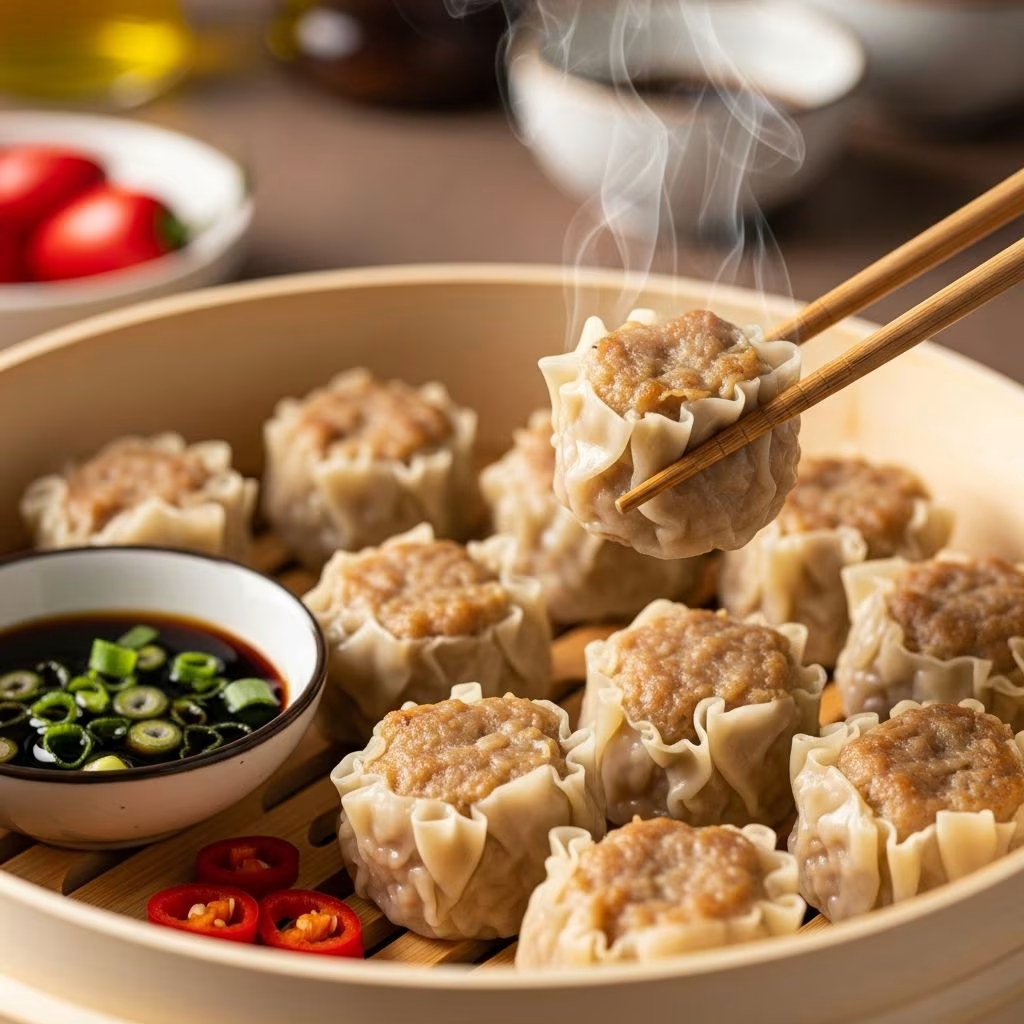
Hawaiian pork hash, commonly known as shumai, represents a fascinating culinary intersection where Chinese dumpling traditions meet Hawaiian local food culture. This beloved dish has become so embedded in Hawaiian cuisine that it appears regularly in convenience stores, local restaurants, and home kitchens throughout the islands. The dumpling distinguishes itself through its characteristic open-top design, which creates an appearance resembling a delicate pouch or blooming lotus flower. Unlike fully enclosed dumplings, the pork hash intentionally leaves its filling exposed at the top, allowing steam to cook the meat filling directly while the wrapper achieves a tender, slightly chewy texture.
The popularity of pork hash in Hawaii stems from its accessibility, versatility, and the way it embodies local flavor preferences. What began as a Chinese import has evolved into a distinctly Hawaiian interpretation, with recipes varying slightly from household to household and restaurant to restaurant. The dish represents the multicultural heritage of Hawaii, combining Chinese steaming techniques with locally available ingredients and adapted seasonings that resonate with island palates.
Essential Components of the Filling
Creating an authentic pork hash filling requires understanding each ingredient’s role in developing flavor, texture, and structural integrity. The foundation of any quality pork hash begins with selecting the right proteins and supporting ingredients that work harmoniously together.
Protein Foundation
Ground pork serves as the primary protein base for traditional pork hash, chosen for its rich flavor and ability to retain moisture during the steaming process. The fat content naturally present in ground pork ensures that the filling remains succulent rather than becoming dry. In addition to pork, minced or diced shrimp adds a complementary sweetness and provides textural contrast through its bouncy consistency. The combination of pork and shrimp creates a more complex flavor profile than either protein alone could achieve. For those with seafood allergies or personal preferences, recipes can be adapted by increasing the pork proportion to compensate for the shrimp’s contribution.
Textural Elements
Water chestnuts play a crucial role in pork hash by providing the signature crunch that prevents the filling from becoming overly soft or mushy during steaming. These should be finely diced to distribute their texture throughout the mixture evenly. Green onions contribute both freshness and a subtle onion flavor that brightens the overall taste profile without overwhelming the other ingredients. Cornstarch serves as a binder, helping to hold all components together while creating a smoother, more cohesive texture that holds together during cooking and eating.
Flavor Enhancement
The seasoning profile in pork hash reflects local Hawaiian-Chinese tastes. Shoyu, the Hawaiian term for soy sauce, provides salty and savory depth characteristic of local-style cooking. Oyster sauce boosts umami and adds richness to each bite. Sesame oil contributes nuttiness and a subtle toasty note that rounds out the overall flavor. Mirin adds a touch of sweetness and umami that balances the salty elements, while garlic brings warmth and aromatic depth complementing both proteins. A small amount of sugar helps balance the interplay between salty and savory components, creating the perfect local-style taste profile.
Binding Agents
An egg works as a binder to hold the filling together while adding richness and helping achieve the right consistency. Salt and pepper enhance overall flavor and are particularly important in steamed dishes where flavors need to be more pronounced than in other cooking methods.
Wrapper Selection and Preparation
Round dumpling wrappers form the outer envelope for pork hash and should be selected with care to ensure proper steaming results. These wrappers steam up soft and slightly chewy, creating the ideal texture that distinguishes pork hash from other dumpling varieties. When shopping, look for packages labeled as round dumpling skins or shumai wrappers, typically found in the Asian foods section of most grocery stores. The wrappers should be kept moist but not wet during assembly, as proper moisture content affects how they seal and steam.
Step-by-Step Preparation Guide
Mixing the Filling
Begin by combining all filling ingredients in a large mixing bowl. Add ground pork, minced shrimp, egg, chopped water chestnuts, green onions, cornstarch, mirin, shoyu, oyster sauce, garlic, sesame oil, sugar, salt, and pepper. Mix thoroughly until the ingredients transform into a paste-like consistency with a pinkish color from the combined pork and shrimp. This thorough mixing ensures even distribution of seasonings and creates the proper texture for filling and cooking. The consistency should be firm enough to hold its shape but moist enough to remain tender after steaming.
Assembling Individual Dumplings
Proper assembly technique directly impacts how the pork hash cooks and its final presentation. Place a round dumpling wrapper in your palm, positioning it so your hand creates a slight cup shape. Scoop approximately one tablespoon of filling onto the center of the wrapper. Using your thumb and index finger, create a circle shape with your hand and gently bring the wrapper sides up toward the top while leaving the center open and exposed. The wrapper should pleat naturally as you gather it upward, creating a pouch-like appearance with the filling visible at the top. Be generous with filling to prevent the dumpling from sagging at the bottom during steaming.
Steaming Process
Proper steaming is essential for developing the correct texture and ensuring food safety. Begin by bringing a pot of water to a rolling boil. Prepare your steamer baskets by lining them with parchment paper to prevent sticking. Arrange the assembled pork hash in the steamer baskets in a single layer, ensuring they don’t touch one another. Place the steamer basket over the boiling water and cover with a lid. Steam for approximately 15 to 30 minutes, depending on the quantity and your steaming setup. The filling should reach an internal temperature of 165 degrees Fahrenheit to ensure the pork is safely cooked through. You can verify doneness by checking the center of several dumplings with a food thermometer.
Serving and Dipping Sauces
Pork hash is best served immediately after steaming while the wrapper remains warm and tender and the filling stays hot. The traditional accompaniment is a shoyu hot mustard dipping sauce that provides sharp, spicy contrast to the rich filling. Create this sauce by combining one tablespoon of shoyu with half a teaspoon of hot mustard powder. Adjust the mustard quantity based on your spice preference, adding more for additional heat or reducing it for milder results. This simple sauce complements the umami-rich filling while cutting through the richness with its sharp mustard heat.
Common Questions About Pork Hash
Storage and Reheating
How long can cooked pork hash be stored? Properly stored pork hash in an airtight container in the refrigerator remains safe for three to four days. Reheat by steaming for five to ten minutes until warmed through, or microwave on medium power for two to three minutes. Avoid reheating multiple times, as this can compromise food safety.
Make-Ahead Options
Can pork hash be assembled in advance? Yes, assembled pork hash can be refrigerated for up to 24 hours before steaming. Cover them loosely with plastic wrap to prevent drying while allowing air circulation. Steam directly from the refrigerator, adding a few extra minutes to the cooking time.
Ingredient Substitutions
What if I don’t have certain ingredients? All-pork fillings work well if shrimp isn’t available. Substitute sesame oil with regular vegetable oil if needed. For shoyu, regular soy sauce serves as an acceptable replacement. Water chestnuts provide specific crunch and texture that’s difficult to duplicate, so try to include them when possible.
Freezing and Long-Term Storage
Can pork hash be frozen? Both assembled uncooked and fully steamed pork hash can be frozen for up to three months. Freeze assembled dumplings on a sheet tray before transferring to freezer bags to prevent sticking. Steam frozen uncooked dumplings directly without thawing, adding approximately five extra minutes to cooking time.
Nutritional Considerations
Each pork hash dumpling provides approximately 80 to 120 calories depending on filling density and wrapper thickness. The combination of ground pork and shrimp supplies complete protein, while water chestnuts and green onions contribute fiber and micronutrients. The egg and sesame oil add healthy fats that support nutrient absorption. These dumplings work well as appetizers, snacks, or components of larger meals.
Historical Context and Cultural Significance
The journey of pork hash from China to Hawaii reflects broader patterns of immigration and cultural adaptation in the Hawaiian islands. Chinese immigrants brought their culinary traditions, including dumpling-making techniques, to Hawaii during the 19th and 20th centuries. Rather than remaining static, these recipes evolved to incorporate local ingredients and adjusted to Hawaiian palates, creating what is now recognized as a distinctly Hawaiian-Chinese cuisine. The open-top design of pork hash differs from traditional Chinese shumai, representing an adaptation that became beloved throughout the islands. Today, pork hash occupies a special place in Hawaiian food culture, appearing not only in homes but also in convenience stores as a grab-and-go snack that appeals to local residents and visitors alike.
Final Thoughts on Mastering Pork Hash
Creating authentic Hawaiian pork hash at home transforms a simple recipe into an expression of culinary tradition and cultural appreciation. The process requires attention to ingredient quality, proper technique, and respect for the techniques that have made this dish beloved throughout Hawaii. Whether preparing pork hash for family gatherings, casual meals, or to simply reconnect with Hawaiian food traditions, this guide provides the foundation for consistent success. The beauty of pork hash lies in its accessibility—even beginner cooks can produce professional-quality dumplings with practice and patience, making it an ideal dish for those beginning their journey into dumpling-making.
References
- Hawaiian Style Pork Hash — Keeping It Relle. 2024. https://keepingitrelle.com/hawaiian-style-pork-hash/
- My Favorite Pork Hash (Shumai) — Ono Hawaiian Recipes. 2024. https://onohawaiianrecipes.com/recipes/pork-hash-shumai/