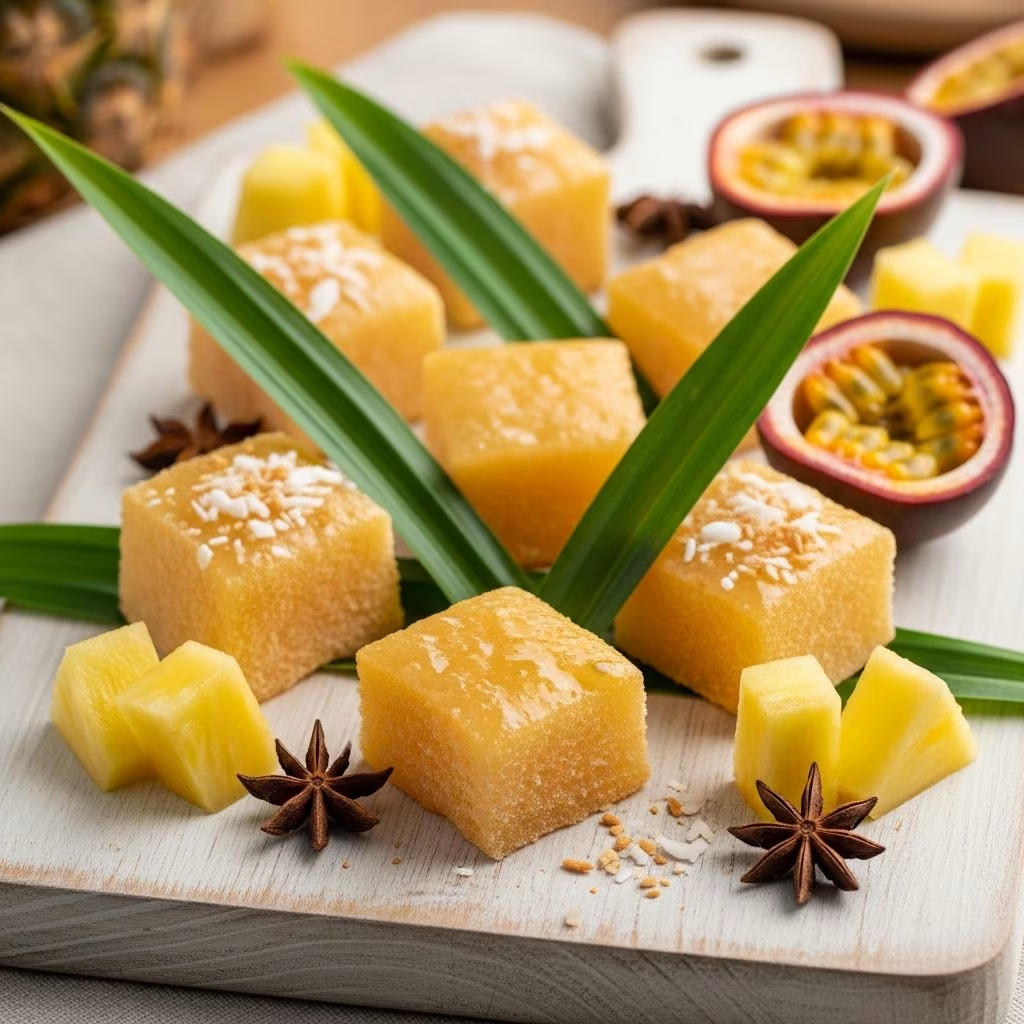
Hawaiian butter mochi represents a beloved intersection of Pacific island culinary traditions and Japanese baking techniques. This distinctive dessert has carved out a special place in Hawaiian cuisine and among food enthusiasts who appreciate its unique texture and tropical flavors. The combination of glutinous rice flour, coconut milk, and butter creates a confection that is simultaneously chewy, moist, and richly flavored—qualities that make it stand out from conventional Western desserts.
The popularity of butter mochi extends beyond Hawaii, with similar preparations found throughout the Pacific region. What makes this particular version distinctive is the way it balances sweetness with the subtle savory notes of butter, while maintaining a texture that is neither cake nor candy, but something entirely its own.
Understanding the Foundation: Key Ingredients Explained
The success of butter mochi depends fundamentally on understanding each ingredient’s role in the final product. Unlike many Western baked goods, butter mochi relies on a relatively short ingredient list, yet each component serves a critical function.
Sweet Rice Flour: The Textural Foundation
Sweet rice flour, also known as mochiko or glutinous rice flour, forms the backbone of this dessert. This ingredient differs significantly from regular rice flour or all-purpose flour. The high starch content creates the characteristic chewy texture that defines authentic butter mochi. When mixed with liquid, sweet rice flour develops a sticky, cohesive structure that produces the signature moist interior and slightly firm exterior.
When selecting sweet rice flour, quality matters considerably. Koda Farms Mochiko represents a recognized standard in the industry, though other reputable brands of glutinous sweet rice flour work equally well. The key distinction lies in choosing genuine mochiko rather than substitutes, as alternative rice flours will not produce the same creamy, chewy results that characterize properly made butter mochi.
Dairy Components: Creating Richness and Moisture
Butter mochi employs three dairy elements working in concert: melted unsalted butter, full-fat coconut milk, and evaporated milk. Each contributes differently to the final texture and flavor profile. The melted butter provides richness and helps develop browning on the exterior. Full-fat coconut milk imparts tropical undertones and adds fat content that creates a luxuriously moist interior. Evaporated milk, with its concentrated dairy solids, contributes both moisture and a subtle richness that enhances the overall mouthfeel.
The combination of these three dairy products distinguishes butter mochi from simpler rice flour preparations. The synergy between coconut and butter flavors creates complexity that single-dairy versions cannot achieve.
Binding and Leavening Agents
Eggs serve dual purposes in butter mochi, functioning both as binders and structure-builders. Large eggs provide sufficient protein to create a cohesive crumb structure while maintaining moisture. Baking powder contributes gentle lift, creating subtle air pockets that contribute to the characteristic texture rather than producing a light, fluffy cake.
The Art of Mixing: Technique Matters
Many home bakers worry about overmixing batter, but butter mochi presents a unique advantage. Since this dessert uses gluten-free rice flour rather than wheat flour, overmixing poses no risk. The absence of gluten means there is no danger of developing toughness through extended mixing. This liberating quality allows bakers to focus on thorough incorporation rather than restraint.
Proper Mixing Methodology
The recommended approach involves a two-stage mixing process. First, whisk together all dry ingredients: sweet rice flour, granulated sugar, baking powder, and salt. This initial step ensures even distribution of leavening agents and prevents pockets of unmixed batter. Next, add all wet ingredients—coconut milk, evaporated milk, melted butter, eggs, and vanilla extract—and whisk until smooth.
Achieving complete homogeneity represents the goal. During this phase, scrape down the sides and bottom of the bowl to ensure no dry streaks of rice flour remain. These overlooked pockets can create uneven texture in the finished product. Once the batter reaches smooth consistency, fold in optional sweetened shredded coconut gently, maintaining the air pockets created by the baking powder.
Preparation and Baking: From Bowl to Table
Pan Selection and Preparation
A 9×13-inch glass casserole dish represents the standard vessel for butter mochi. Glass conducts heat more evenly than metal, promoting consistent browning. Before adding batter, butter the entire interior surface thoroughly, paying special attention to corners where the mixture might otherwise stick.
Baking Process
Preheat the oven to 350°F before beginning to prepare the batter. This temperature range produces even cooking without excessive browning. The batter should bake until the top develops a light golden color and a toothpick inserted in the center comes out clean or with only a few moist crumbs clinging to it. Typical baking time ranges from 35 to 45 minutes, though individual ovens vary.
Allow the butter mochi to cool completely before cutting. This cooling period allows the structure to set, making clean cuts possible and preventing the warm interior from collapsing.
Storage and Preservation: Maintaining Quality
Properly stored butter mochi remains delicious for up to three days. Transfer leftovers to an airtight container at room temperature. The moist interior naturally resists drying out, though airless storage prevents any moisture loss that might occur over extended periods.
For longer storage, freezing works well. Wrap individual pieces tightly in plastic wrap before placing them in a freezer-safe container. Frozen butter mochi maintains quality for several weeks. Thaw at room temperature before serving to restore optimal texture.
Customization and Variations
Optional Additions and Modifications
- Sweetened shredded coconut can be folded into the batter for added texture and tropical flavor
- Macadamia nuts, finely chopped, pair beautifully with the coconut and butter base
- A touch of almond extract complements the coconut flavors without overpowering them
- Reduced sugar versions work for those seeking less sweetness, though this may affect texture slightly
- Substitute half the granulated sugar with brown sugar for deeper caramel notes
Comparing Butter Mochi to Related Desserts
| Characteristic | Butter Mochi | Bibingka | Cassava Cake |
|---|---|---|---|
| Primary Flour | Sweet Rice Flour | Rice Flour | Cassava Root |
| Texture | Chewy, Moist | Crispy, Cake-like | Dense, Fudgy |
| Coconut Use | Milk in Batter | Milk & Topping | Shredded in Batter |
| Baking Vessel | Glass Dish | Banana Leaf Wrapper | Traditional Pan |
Hawaiian butter mochi shares ancestry with Filipino bibingka and cassava cake through their common use of tropical ingredients and glutinous textures. However, each dessert maintains distinct characteristics. Butter mochi’s focus on creamy moistness contrasts with bibingka’s crispy edges and cassava cake’s denser structure.
Troubleshooting Common Issues
Dense or Heavy Texture
If your finished butter mochi feels too dense, several factors may be responsible. Inadequate mixing can leave pockets of unmixed flour that create uneven texture. Additionally, opening the oven door frequently during baking allows heat escape, preventing proper rising. Ensure baking powder is fresh, as expired leavening agents lose potency over time.
Excessive Greasiness
An overly greasy result suggests either too much butter in the batter or insufficient baking time. Check that you are measuring butter accurately—melted butter takes up more volume than solid butter, potentially leading to measurement errors. Extending baking time by 5-10 minutes allows the exterior to set properly and excess moisture to evaporate.
Cracking on Top
Surface cracks typically indicate overbaking or an oven temperature that is too high. If your butter mochi consistently develops cracks, reduce oven temperature by 10-15 degrees and extend baking time slightly. This slower bake allows the interior to cook through while the exterior remains smooth.
Difficulty Achieving Clean Cuts
Cutting warm butter mochi proves challenging because the interior remains sticky. Allow the dessert to cool completely to room temperature before cutting. Dipping your knife in hot water and wiping it between each cut helps achieve cleaner slices without dragging the sticky interior.
Frequently Asked Questions
Can I use regular rice flour instead of sweet rice flour?
No. Regular rice flour lacks the starch content necessary for creating the characteristic chewy texture. The result would be more cake-like and lack the distinctive moist interior that defines authentic butter mochi.
Is butter mochi gluten-free?
Yes, when made with genuine sweet rice flour and verified gluten-free ingredients, butter mochi is completely gluten-free. However, always verify that your specific brand of sweet rice flour has not been cross-contaminated during processing if gluten sensitivity is a concern.
Can I reduce the sugar content?
Modest sugar reduction is possible, though this affects both sweetness and texture. Reducing sugar by 15-20% generally works without dramatic changes. Greater reductions may result in a less moist interior as sugar contributes to moisture retention.
How does butter mochi compare nutritionally to other desserts?
Butter mochi is calorie-dense due to butter, coconut milk, and eggs, but provides more complete amino acid profiles than simpler grain-based desserts. A typical serving contains more fat than sugar-only desserts, contributing to its satisfying richness.
Can I prepare the batter in advance?
It is best to bake butter mochi immediately after mixing. Prepared batter sitting at room temperature may experience slight separation of liquids, affecting the final texture. If advance preparation is necessary, refrigerate the batter for no more than 2-3 hours before baking.
Serving Suggestions and Presentation
Butter mochi stands beautifully on its own, requiring no accompaniments. Its rich, satisfying nature means a modest portion provides complete dessert satisfaction. Serve at room temperature for optimal texture, as chilling can slightly firm the exterior while preserving the chewy interior.
For gatherings, arrange cut pieces on a platter and dust lightly with powdered sugar or toasted coconut. The simplicity of presentation allows the buttery aroma and golden exterior to take center stage. Pair with unsweetened tea, coffee, or tropical beverages that complement the coconut and butter flavors.
Conclusion
Hawaiian butter mochi represents an accessible yet impressive dessert that rewards attention to detail and proper technique. By understanding the function of each ingredient, respecting the mixing process, and following straightforward baking guidelines, home bakers can reliably produce this tropical treat. Whether enjoyed fresh from the oven or saved for later enjoyment, butter mochi delivers consistent satisfaction through its unique combination of chewy texture, moist interior, and buttery tropical flavor.
References
- Butter Mochi Recipe and Instructions — The Little Epicurean. 2024. https://www.thelittleepicurean.com/butter-mochi/