Hatch chiles represent far more than a simple ingredient—they embody centuries of agricultural tradition and stand as a symbol of New Mexico’s gastronomic identity. These distinctive peppers have transcended regional boundaries to become recognized culinary treasures, sought after by professional chefs and home cooks across the nation. Their significance extends beyond flavor alone; they represent a convergence of geography, climate, and cultural heritage that cannot be duplicated elsewhere.
The Geographic Foundation: Where Hatch Chiles Flourish
The journey of understanding Hatch chiles begins in the Hatch Valley of southern New Mexico, a region that has earned the distinction of being recognized as the “Chile Capital of the World.” This small yet influential area, situated at an elevation of approximately 4,000 feet, possesses geographical characteristics that have proven ideal for chile cultivation. The valley’s location in southern New Mexico provides the foundation for what agricultural experts refer to as terroir—a French concept that describes how specific environmental conditions impart unique characteristics to crops.
The Hatch Valley’s fertile soil deserves particular attention, as it provides the nutritional foundation necessary for robust chile development. This soil composition traces back to the region’s geological history; the valley was once part of the Rio Grande River floodplain, leaving behind mineral-rich volcanic earth that continues to benefit modern agriculture. This nutrient-dense foundation supports chile plants throughout their growing season, contributing to the depth and complexity of flavor that distinguishes Hatch varieties from other chile peppers cultivated in different regions.
Climate and Environmental Factors Contributing to Quality
The atmospheric conditions of the Hatch Valley create an optimal environment for developing peppers with balanced heat and sophisticated flavor profiles. The region experiences hot, sunny days that encourage chlorophyll development and the accumulation of capsaicinoids—the compounds responsible for chile heat. Simultaneously, the cool desert nights allow the plants to metabolize sugars more efficiently, creating a distinctive sweet-savory character.
This temperature differential between day and night, combined with abundant sunlight and the area’s high elevation, creates conditions that allow chiles to develop robust, complex flavors while maintaining consistent heat levels. The abundant sunshine supports the production of essential oils and flavor compounds that contribute to the chile’s characteristic smoky, slightly sweet taste profile. These environmental factors work synergistically to produce peppers that have become the benchmark for quality in the southwest culinary landscape.
Flavor Characteristics and Sensory Profile
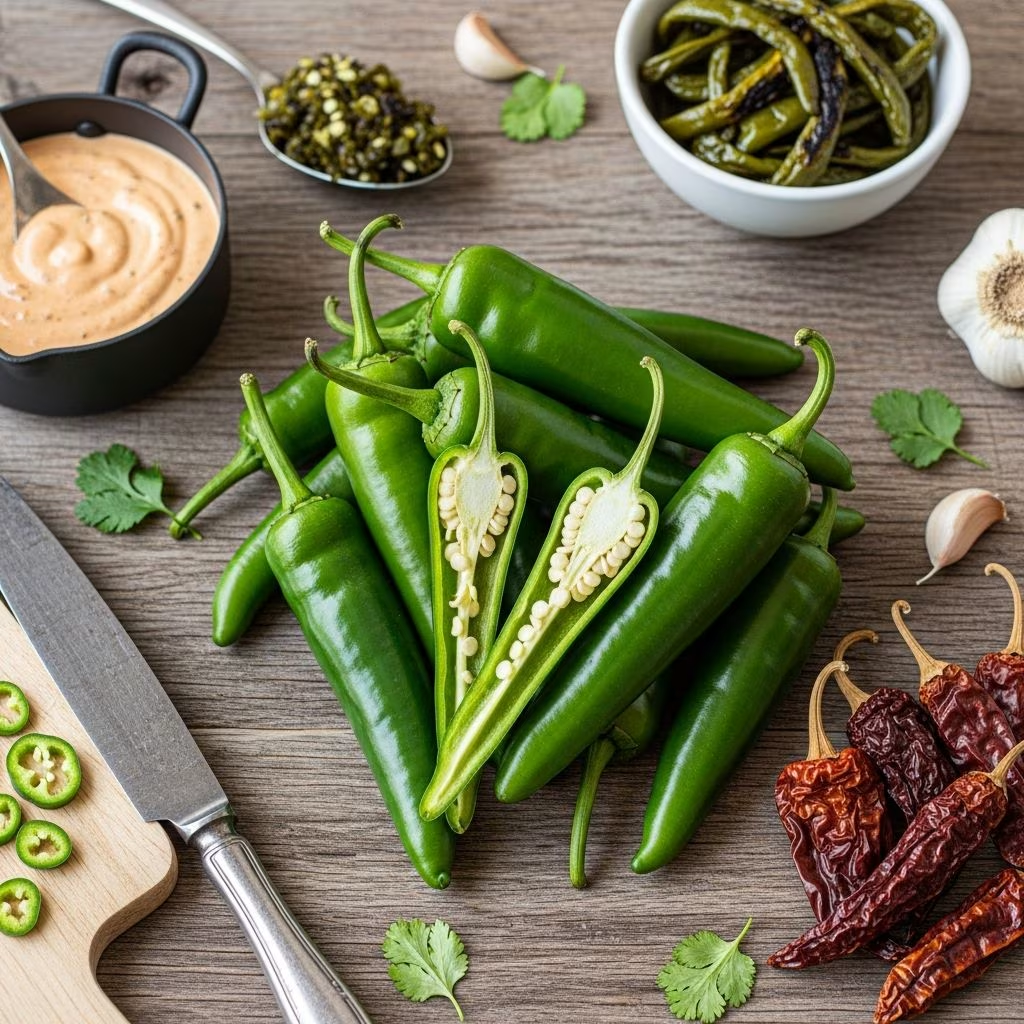
Hatch chiles deliver a distinctive flavor experience characterized by an earthy richness and smoky undertone that develops particularly when the peppers are roasted. The green variety, which represents the most common commercial form, offers a complex palate that combines vegetative notes with subtle sweetness and moderate heat. This balanced flavor profile makes Hatch chiles remarkably versatile in the kitchen, as they can enhance dishes without overwhelming other ingredients.
The sensory experience of consuming a properly prepared Hatch chile involves multiple flavor dimensions. The initial bite often presents a buttery, succulent quality, followed by developing heat that builds gradually rather than striking immediately. The flavor lingers on the palate, creating a warming sensation that encourages repeat enjoyment. Unlike many other chile varieties that prioritize heat above all else, Hatch chiles maintain an equilibrium between spice intensity and culinary sophistication, making them accessible to diners with varying spice tolerances.
Understanding Heat Levels and Scoville Ratings
Contrary to assumptions that all chiles pack extreme heat, Hatch varieties demonstrate remarkable consistency in their Scoville Heat Unit (SHU) range. These peppers typically measure between 1,000 and 8,000 SHUs, placing them in the medium heat category that approximately matches the intensity of jalapeño peppers. This range allows growers to cultivate varieties suited to different consumer preferences, from mild options containing minimal capsaicin to hotter selections that appeal to those seeking greater spice intensity.
The availability of multiple heat levels within the Hatch chile family addresses a crucial market reality: not all consumers enjoy identical levels of spiciness. Mild varieties such as the 1904, Machete, and Joe Parker cultivars provide virtually no heat while maintaining the signature Hatch flavor profile, making them suitable for individuals who prefer flavor without capsaicin burn. This diversity ensures that Hatch chiles can satisfy diverse palates, from those taking their first ventures into chile consumption to experienced practitioners seeking maximum heat impact.
Nutritional Composition and Health Benefits
Beyond their culinary merits, Hatch chiles offer impressive nutritional value that contributes to overall wellness. A single medium-sized Hatch chile provides as much vitamin C as six oranges, positioning these peppers as concentrated sources of essential micronutrients. Vitamin C plays critical roles in immune system function, collagen synthesis, and cellular repair processes, making Hatch chiles a particularly valuable dietary inclusion during seasons when immune support becomes especially important.
Hatch chiles also contain vitamin A and capsaicin—a bioactive compound receiving increasing scientific attention for its potential health-promoting properties. Emerging research suggests that capsaicin may support metabolic function and contribute to reducing inflammation throughout the body. These nutritional characteristics transform Hatch chiles from mere flavor enhancers into functional foods that contribute meaningfully to nutritional intake while delivering culinary satisfaction.
Key Nutritional Highlights
- High vitamin C content supporting immune function and antioxidant protection
- Significant vitamin A levels contributing to vision and cellular health
- Capsaicin compounds with potential anti-inflammatory properties
- Low caloric density making them suitable for calorie-conscious diets
- Essential minerals and phytonutrients promoting overall wellness
Seasonal Availability and Roasting Tradition
Hatch chiles follow a distinctly seasonal availability pattern that has become deeply embedded in New Mexican cultural practices. The roasting season typically extends from late summer through early fall, representing the brief window when fresh chiles reach peak quality and flavor development. During this period, the peppers are harvested at optimal ripeness while still in their green state, before they would naturally mature and transition to their red color.
The roasting tradition associated with Hatch chiles deserves recognition as a cornerstone of southwestern culinary practice. This preparation method involves exposing the peppers to direct flame or heat, causing the outer skin to blister and char. This process develops deeper, more complex flavors while making the skin easier to remove. The resulting roasted chiles develop a buttery texture and intensified smoky character that transcends the flavor profile of raw peppers. This tradition is celebrated annually, with enthusiasts traveling to the Hatch Valley to purchase fresh chiles—often in quantities of 20, 30, or even 40 pounds per household—for roasting and freezing to provide year-round access to this culinary treasure.
Culinary Applications and Kitchen Versatility
The versatility of Hatch chiles in culinary contexts represents one of their most valuable characteristics. These peppers adapt seamlessly to traditional southwestern preparations while also finding creative applications in contemporary cuisine. From simple preparations to elaborate dishes, Hatch chiles enhance everything they touch with their distinctive flavor profile.
Traditional and Contemporary Uses
- Stuffed whole with cheese for chile relleno preparations
- Incorporated into scrambled eggs for elevated breakfast dishes
- Simmered into stews and soups for depth of flavor
- Blended into sauces that accompany meats and vegetables
- Combined with cream cheese as appetizer components
- Baked into cornbread and other baked goods
- Loaded onto burgers as distinctive flavor components
- Incorporated into unexpected applications including desserts
In New Mexico specifically, the integration of Hatch chiles into restaurant cuisine has become so fundamental that establishments risk losing customer loyalty by failing to feature these peppers prominently. Many restaurants include Hatch chiles in at least five distinct menu items during the season, reflecting the cultural importance of this ingredient to local diners. This deep integration into the culinary landscape demonstrates how completely Hatch chiles have become intertwined with regional identity and food culture.
Selection, Storage, and Preparation Strategies
Choosing quality Hatch chiles requires attention to several observable characteristics. Fresh chiles should display unblemished, glossy skin with vibrant color and firm texture. Peppers that feel slightly heavy for their size typically contain more flesh and moisture, indicating superior quality. The stem should appear fresh and green rather than desiccated or discolored.
Fresh Hatch chiles maintain quality for approximately one week when stored in the refrigerator’s produce drawer, where consistent temperature and humidity levels slow deterioration. For extended storage, roasting and freezing represents the preferred method employed by New Mexican households. Properly roasted and frozen chiles maintain acceptable quality for several months, allowing cooks to access peak-season peppers throughout the year.
The roasting process begins by placing whole chiles directly over a flame or in a hot skillet, rotating them to ensure the entire surface develops blistering. Once the skin is thoroughly charred, the peppers are transferred to a plastic bag or bowl covered with plastic wrap, where residual heat allows the skin to separate more easily from the flesh. After cooling, the skin peels away readily, revealing the tender chile interior ready for various culinary applications.
Distinction from Other Chile Varieties
While numerous chile pepper varieties exist, Hatch chiles occupy a distinctive niche based on their specific origin designation. Technically, Hatch chile refers to any long green New Mexican chile pepper commercially cultivated within the Hatch Valley of southern New Mexico. This origin designation, akin to geographical indication systems protecting wines from specific regions, ensures that peppers bearing the Hatch name meet particular standards of quality and provenance.
Other regional chile varieties may offer excellent quality but lack the specific terroir characteristics that define Hatch chiles. The mineral composition of Hatch Valley soil, the precise elevation, and the specific weather patterns of this microclimate cannot be replicated in other growing regions. This exclusivity establishes Hatch chiles as unique agricultural products that command premium pricing and enthusiastic support from culinary professionals and food enthusiasts.
Cultural Significance and Regional Identity
Hatch chiles transcend their role as ingredients to become powerful symbols of New Mexican cultural identity and agricultural heritage. For over a century, local farmers have cultivated these peppers, passing down knowledge and expertise across generations. This deep historical connection creates cultural resonance that extends beyond culinary appreciation into broader regional pride and identity.
The annual roasting season has evolved into a regional celebration, with visitors traveling significant distances to participate in this gastronomic pilgrimage. The dedication with which New Mexicans approach Hatch chile procurement and preparation reflects how deeply these peppers have become embedded in the region’s collective consciousness. This cultural significance ensures that Hatch chiles will continue to occupy a central place in southwestern cuisine and regional traditions for generations to come.
Frequently Asked Questions About Hatch Chiles
When is Hatch chile roasting season?
Hatch chile roasting season typically occurs from late summer through early fall, with peak availability in August and September. During this window, fresh chiles reach optimal quality before transitioning to their red color.
How hot are Hatch chiles compared to other peppers?
Hatch chiles measure between 1,000 and 8,000 Scoville Heat Units, placing them at medium heat levels comparable to jalapeños. This range accommodates various spice tolerances within a single product category.
Can I buy Hatch chiles outside the season?
Yes, frozen roasted Hatch chiles maintain quality for several months when properly stored, allowing year-round access to this ingredient. Many specialty grocers also offer canned or jarred varieties.
What is the best way to roast Hatch chiles at home?
Place whole chiles directly over flame or in a hot skillet, rotating to char the entire surface. Transfer to a covered container to steam, then peel away the blistered skin. This method develops enhanced flavor while facilitating skin removal.
Are there mild Hatch chile varieties?
Yes, mild cultivars such as 1904, Machete, and Joe Parker varieties contain minimal to no heat while maintaining the signature Hatch flavor profile, making them suitable for heat-sensitive consumers.
References
- The Magic of Hatch Chiles: What Makes Them Special — Gilly Loco. Accessed 2026. https://gillyloco.com/blogs/loco-living/the-magic-of-hatch-chiles-what-makes-them-special
- What Makes Hatch Green Chile So Special? — Santa Fe School of Cooking. Accessed 2026. https://santafeschoolofcooking.com/what-makes-hatch-green-chile-so-special/
- Hatch Chiles 101 — Metropolitan Market. Accessed 2026. https://www.metropolitan-market.com/learn/hatch-chiles-101
- 7 Interesting Facts About the World Famous Chile from Hatch New Mexico — YouTube. Accessed 2026. https://www.youtube.com/watch?v=yvB0hpRXHVU
- What Is Hatch Chile? Origin, Flavor & Heat Levels — Hatch Green Chile. Accessed 2026. https://www.hatch-green-chile.com/pages/what-are-hatch-chiles