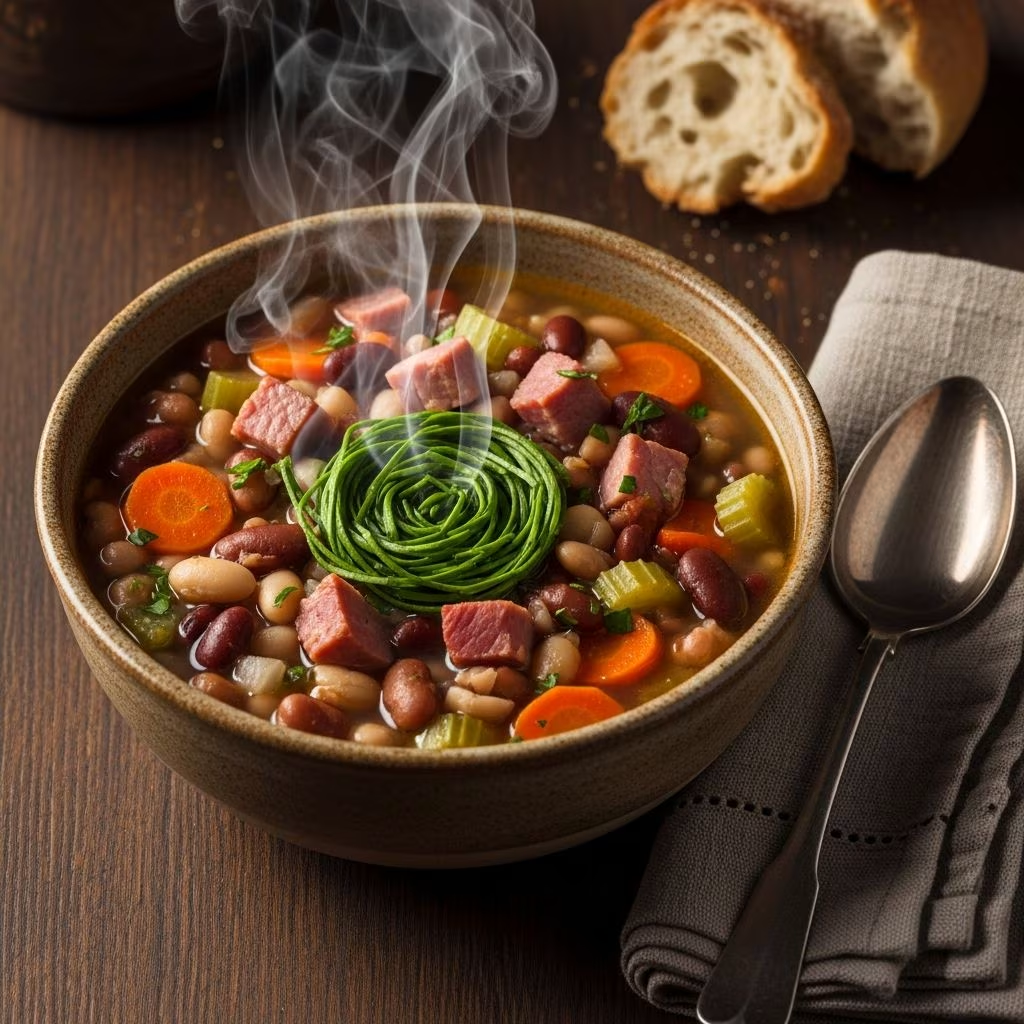
Ham and bean soup represents one of the most beloved comfort foods across many cultures, offering a perfect balance of nutrition, affordability, and satisfaction. This versatile dish has been a staple in home kitchens for generations, providing warmth and nourishment during any season. Whether you’re preparing a quick weeknight meal or planning a leisurely weekend cooking project, ham and bean soup adapts effortlessly to your schedule and ingredient preferences. The beauty of this classic preparation lies in its flexibility—you can craft it using pantry staples, customize the flavor profile to your taste, and choose cooking methods that fit your lifestyle.
Understanding Your Ingredient Choices
The foundation of exceptional ham and bean soup begins with thoughtful ingredient selection. Each component contributes both flavor and nutritional value to the final dish, so understanding your options will help you create the version that best suits your needs and preferences.
Selecting the Right Ham
The ham component serves as the flavor backbone of this soup. You have several options depending on your cooking timeline and intensity preferences. A ham hock—the lower portion of the hind leg—provides deep, smoky flavor and releases gelatin into the broth, creating natural body and richness. This choice works particularly well if you have several hours for the soup to simmer, allowing the bone and meat to slowly infuse the liquid. Alternatively, ham steak offers convenience for those seeking faster preparation, requiring only cubing and minimal cooking time. For those working with leftovers from holiday meals, diced ham delivers familiarity and can be added toward the end of cooking to preserve its texture. Some recipes incorporate both a ham hock for foundational flavor and additional diced ham for textural variety and depth.
Bean Varieties and Preparation Methods
Great Northern beans emerge as the most popular choice for ham and bean soup, prized for their small, creamy texture and ability to absorb surrounding flavors. Navy beans present another traditional option, particularly in family recipes passed down through generations. The decision between dried and canned beans significantly impacts your cooking timeline. Dried beans require advance planning—soaking overnight followed by extended simmering—but deliver superior flavor complexity and cost efficiency. Canned beans streamline the process dramatically, reducing total cooking time to under an hour while maintaining excellent nutritional value. When using canned beans, draining and rinsing removes excess sodium and the starchy liquid, resulting in a cleaner broth.
Aromatic Vegetables and Seasonings
The vegetable foundation of carrots, celery, and onion creates the aromatic base that develops into savory depth. These vegetables should be diced uniformly to ensure even cooking and consistent texture throughout the soup. Fresh garlic, minced rather than pre-jarred, contributes brightness and complexity that dried versions cannot replicate. Thyme serves as the signature herb, though variations might include bay leaves for additional earthiness or fresh parsley for brightness. Some regional preparations incorporate Italian seasoning blends or subtle red pepper for warmth without heat.
Preparation Techniques: Setting the Foundation
How you begin the cooking process determines much of the final flavor. The technique known as sautéing the aromatics—heating oil, then cooking vegetables until they soften and begin to turn translucent—develops complex flavors through caramelization. This initial step typically takes five to ten minutes over medium-high heat and should not brown the vegetables, which would impart bitterness. Adding garlic and thyme after the vegetables soften prevents the garlic from burning while ensuring its fragrant compounds distribute evenly throughout the pot.
Cooking Methods for Every Schedule
The flexibility of ham and bean soup accommodates various lifestyles through multiple preparation approaches. Your choice of method affects not only the timeline but also the final texture and flavor intensity.
Stovetop Method for Quick Results
The rapid stovetop approach completes this soup in approximately thirty to forty-five minutes, making it ideal for weeknight dinners. After sautéing vegetables and aromatics, you add the remaining ingredients—broth, beans, ham, and seasonings—bringing the mixture to a boil before reducing to a gentle simmer. The total simmering time rarely exceeds twenty minutes when using canned beans. This method requires occasional stirring and monitoring to prevent sticking, but demands minimal active engagement. The resulting soup maintains distinct textures with beans holding their shape and vegetables remaining slightly firm.
Slow Cooker Method for Convenience
The slow cooker transforms ham and bean soup into an effortless meal, perfect for busy days or when you prefer hands-off cooking. If using soaked dried beans, the cooking time drops to approximately six hours on low heat. For unsoaked beans, plan for nine hours or longer. The extended, gentle heat breaks down beans completely while allowing flavors to meld gradually and thoroughly. This method suits meal-planning strategies where you combine ingredients before leaving home, returning to a finished dish. The resulting soup typically achieves a thicker, more integrated consistency as beans partially break down and release starches.
Extended Simmer Method for Maximum Flavor
Some cooks advocate for extended simmering on the stovetop, allowing the soup to bubble gently for two to four hours or longer. This technique maximizes the extraction of gelatin from ham bones and allows spices and herbs to develop increasingly complex layers of flavor. This approach works best with dried beans and ham bones, creating soup with exceptional depth and richness. The extended cooking time permits the addition of more liquid as the soup reduces, controlling the final consistency to your preference.
Flavor Enhancement and Customization
While traditional ham and bean soup requires only basic seasonings, numerous variations elevate the dish beyond its simple foundation. Understanding these enhancements allows you to adapt the recipe to your preferences and available ingredients.
Broth Selection and Liquid Balance
Chicken broth provides the standard liquid base, though vegetable or ham broth can substitute for deeper flavor. The liquid-to-bean ratio determines the final texture—approximately two to three cups of broth for every four cans of beans creates a hearty consistency. Some recipes recommend slightly more broth, allowing for natural evaporation during simmering. The goal involves achieving a texture where broth coats the beans without creating a thin soup or a stew-like consistency.
Textural Variations
A popular modern adaptation incorporates fresh spinach or kale added just before serving, wilting slightly into the hot broth while maintaining its nutritional integrity. The addition of apple cider vinegar—typically one to two tablespoons—brightens the overall flavor profile and adds subtle acidity that balances the richness of the ham and beans. Some regional variations include red pepper flakes for gentle heat or ground cumin for earthiness and complexity.
Garnishes and Accompaniments
Finishing touches transform a simple soup into a restaurant-quality presentation. Minced fresh parsley sprinkled over each bowl adds color and herbaceous notes. Crusty bread or crostini provide textural contrast and help diners enjoy every drop of broth. A drizzle of quality olive oil or a dollop of sour cream can personalize individual servings according to preference.
Ingredient Substitutions and Dietary Modifications
| Original Ingredient | Substitution | Impact on Flavor |
|---|---|---|
| Great Northern Beans | Navy or Cannellini Beans | Maintains creaminess; slightly different earthiness |
| Chicken Broth | Ham or Vegetable Broth | Deepens savory notes; adds different umami dimension |
| Ham Hock | Smoked Ham Steak or Leftover Ham | Reduces cooking time; slightly lighter final flavor |
| Olive Oil | Butter or Bacon Fat | Creates different richness profile; adds new depth |
| Thyme | Italian Seasoning or Sage | Shifts herb profile; maintains earthy undertones |
Those following gluten-free diets can prepare this soup without modification, as beans and vegetables contain no gluten. However, recipes incorporating flour as a thickening agent require gluten-free flour substitution. Dairy-free preparations skip cream or sour cream garnishes but lose minimal flavor since the soup base contains no dairy ingredients.
Storage and Make-Ahead Strategies
Ham and bean soup improves over time as flavors continue melding, making it an excellent candidate for advance preparation. Stored in airtight containers, the soup maintains quality in the refrigerator for four to five days. Freezing extends storage to three months, though some texture changes may occur in the beans as ice crystals form. When reheating, add small amounts of broth if the soup has thickened beyond your preferred consistency. The scalability of this recipe makes it practical for batch cooking, with larger portions easily divided for single servings or family meals.
Nutritional Considerations
Ham and bean soup delivers substantial nutritional benefits with relatively modest caloric investment. Beans provide plant-based protein, dietary fiber, and essential minerals including iron and magnesium. The ham contributes additional protein while its sodium content should be considered by those monitoring salt intake. The abundant vegetables add vitamins A and C along with micronutrients supporting overall health. This soup represents a complete meal requiring minimal accompaniments, though crusty bread or a simple salad round out the nutritional profile satisfyingly.
Frequently Asked Questions
Can I make ham and bean soup with frozen beans instead of dried or canned?
Frozen beans work acceptably, though their texture may differ slightly from fresh-cooked dried or canned varieties. Thaw frozen beans before adding them to the soup to ensure even cooking and consistent final texture. The total cooking time will fall between the rapid canned method and the extended dried bean approach.
What should I do if my soup becomes too thick during storage?
Simply stir in additional broth or water when reheating, adjusting the consistency to your preference. Ham and bean soup naturally thickens as it cools due to starch released by the beans. Some cooks prefer this thickened version, while others restore the original consistency.
How do I prevent my ham from becoming tough during cooking?
If using ham hock or bone, remove it after cooking and shred any remaining meat before returning it to the soup. If using ham steak, add it toward the end of cooking or after the soup base has completed most of its simmering. This prevents the ham from becoming stringy or excessively firm.
Can I prepare this soup in advance and freeze it?
Yes, ham and bean soup freezes excellently for up to three months. Cool the soup completely before transferring to freezer-safe containers, leaving slight headspace for expansion. Thaw overnight in the refrigerator before reheating gently on the stovetop, adding liquid if necessary.
What herbs work well if I don’t have fresh thyme available?
Dried thyme, Italian seasoning blends, or sage provide acceptable alternatives. Begin with slightly less dried herb than fresh (approximately one-third the amount) since dried versions concentrate flavor intensity. Taste the soup and adjust seasoning as needed.
Conclusion: From Kitchen to Table
Ham and bean soup transcends mere recipe status, representing comfort, nutrition, and culinary flexibility combined into a single satisfying dish. Whether you approach this classic preparation through quick stovetop methods or leisurely slow-cooker simmering, the result delivers warmth and nourishment that satisfies both body and soul. The recipe’s forgiving nature and adaptability ensure success regardless of your cooking experience level or available ingredients. By understanding the foundational principles—from ingredient selection through cooking method choices—you can confidently create versions that reflect your preferences while maintaining the essential character that makes this soup eternally appealing.
References
- Easy Ham and Bean Soup Recipe — Nutmeg Nanny. Accessed 2026-04-09. https://www.nutmegnanny.com/easy-ham-and-bean-soup/
- Easy Ham and Bean Soup – Made with Canned Beans — Iowa Girl Eats. Accessed 2026-04-09. https://iowagirleats.com/ham-and-bean-soup/
- Old-Fashioned Ham and Bean Soup — The Kitchen Girl. Accessed 2026-04-09. https://thekitchengirl.com/ham-and-bean-soup/
- Ham and Bean Soup Recipe — The Real Food Dietitians. Accessed 2026-04-09. https://therealfooddietitians.com/ham-and-bean-soup/
- Navy Bean Ham Bone Soup – A Spicy Perspective — A Spicy Perspective. Accessed 2026-04-09. https://www.aspicyperspective.com/nanas-epic-navy-bean-ham-bone-soup/