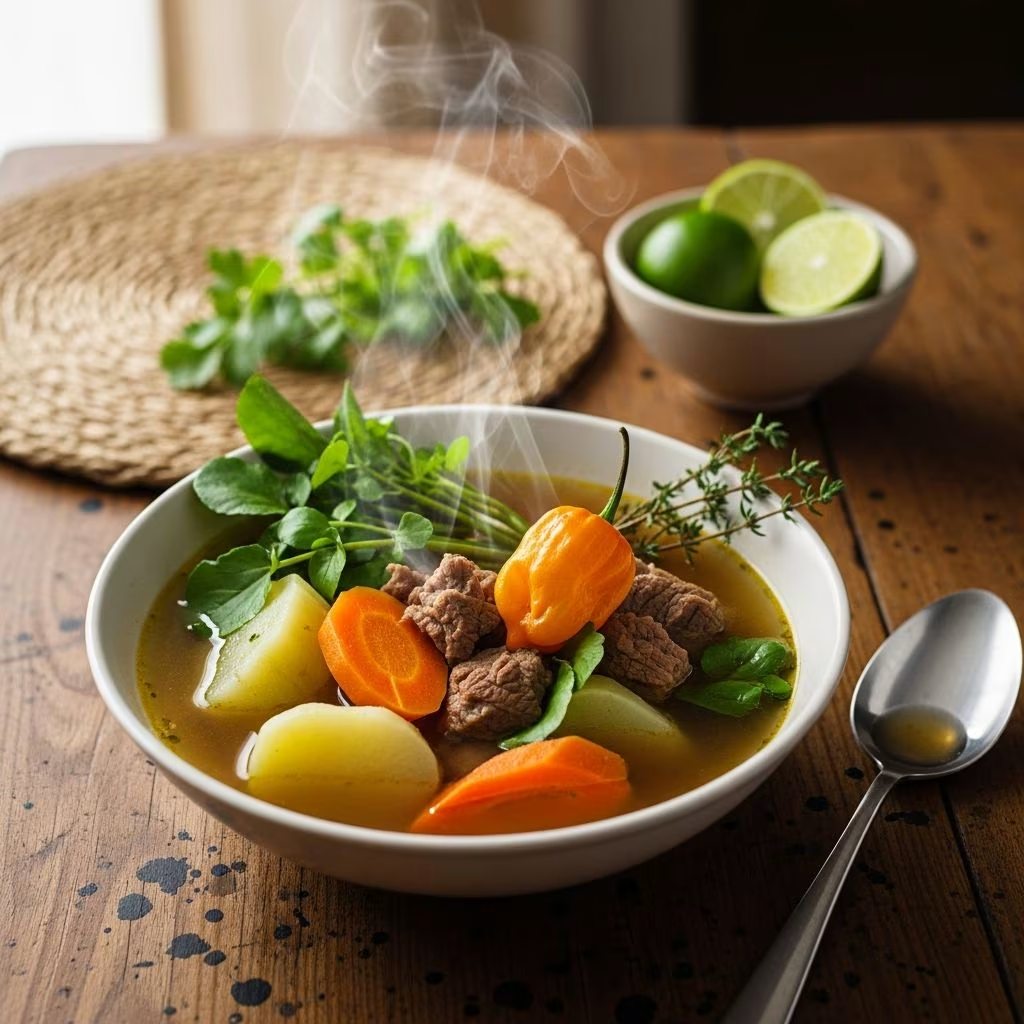
Haitian bouillon, known locally as bouyon, stands as a cornerstone of Haitian cuisine, offering a hearty, flavorful stew that nourishes body and soul. This dish combines tender meats, robust root vegetables, and simple dumplings in a broth infused with aromatic spices and the essential Haitian epis blend. Rooted in tradition, it reflects the resourcefulness of Haitian cooking, turning everyday ingredients into a comforting meal shared among family and friends.
The Heart of Haitian Cuisine: What Makes Bouillon Special
Bouillon transcends a simple soup; it’s a celebration of bold tastes and wholesome ingredients. At its core, beef or other proteins marinate in epis—a vibrant paste of herbs, peppers, garlic, and onions—before simmering with starchy roots like malanga, potatoes, and plantains. Cloves, thyme, and citrus juices add depth, while dumplings provide satisfying texture. This combination creates a dish that’s both filling and restorative, often enjoyed for breakfast, lunch, or dinner.
Versatility defines bouyon. While beef is traditional, variations include goat, chicken, or even seafood, adapting to availability and preference. Vegetables vary by season, but staples like carrots, celery, and spinach ensure nutrition. The result is a grayish-toned broth, sometimes brightened with tomato paste for color, embodying Haitian culinary ingenuity.
Essential Ingredients for Authentic Haitian Bouillon
Gathering the right components is key to capturing bouyon’s essence. Here’s a breakdown of must-haves and swaps:
- Protein: 2-3 lbs beef (stew cuts or chuck), goat, or chicken thighs for tenderness.
- Epis Base: 1-1.5 cups homemade blend (bell peppers, onions, garlic, scallions, parsley, thyme).
- Root Vegetables: Malanga (1-2), russet potatoes (2-3), green plantains (2), yucca or yam for starchiness.
- Other Veggies: Carrots (3-4), celery (2-3 stalks), onion (1 large), spinach or watercress (8-10 oz).
- Spices & Seasonings: Whole cloves (10-15 or 1 tbsp powder), thyme sprigs, bay leaves, salt, black pepper, Maggi cubes, lime/sour orange juice.
- Dumplings: 1 cup flour, water, salt—simple dough rolled into logs.
- Liquids: 10-21 cups water, tomato paste (1 tbsp for color), oil for sautéing.
| Ingredient | Quantity | Role |
|---|---|---|
| Beef | 2-3 lbs | Main protein, tenderized by marinating |
| Malanga | 1-2 roots | Thickens broth, earthy flavor |
| Cloves | 15 whole | Aromatic warmth |
| Epis | 1 cup | Flavor foundation |
| Plantains | 2 green | Starchy bite |
These elements harmonize during long simmering, melding flavors into a cohesive, soul-satisfying whole.
Mastering the Marinade: Starting with Epis
The journey begins with epis, Haiti’s culinary secret weapon. Blend green bell peppers, scallions, garlic, shallots, parsley, thyme, and hot peppers into a paste. Rinse meat with lime juice to clean, then coat generously with epis, salt, and pepper. Marinate for 30 minutes to overnight in the fridge for maximum infusion.
This step tenderizes the meat and embeds herbaceous notes. For chicken bouyon poul, slits in the thighs allow deeper penetration. Without epis, bouillon lacks its signature punch—it’s non-negotiable for authenticity.
Step-by-Step: Cooking Your Perfect Bouillon
Follow these detailed instructions for foolproof results. Prep time: 45 minutes. Cook time: 2-2.5 hours. Serves 8-10.
- Clean and Marinate Meat: Cube beef, rinse with lime halves, pat dry. Mix with 1 cup epis, refrigerate 30+ minutes.
- Brown the Meat: Heat ½ cup oil in a large pot over medium-high. Add meat (reserve marinade liquid), sear 5-10 minutes until browned.
- Build the Base: Stir in 1 tbsp tomato paste, cook 2 minutes. Add marinade liquid, 10-11 cups water, cloves, lemon/lime juice, thyme, parsley, bay leaves. Boil 10 minutes, then simmer 1 hour.
- Add Vegetables: Introduce potatoes, malanga, plantains, carrots, celery, onion, garlic. Simmer 30-40 minutes until tender. Add spinach last to wilt.
- Make Dumplings: Combine 1 cup flour, ½ cup water, pinch salt. Knead into dough, roll into thin logs (finger-sized). Drop into simmering broth, cook 20-30 minutes uncovered.
- Season and Finish: Taste, adjust salt/pepper/Maggi. Simmer 10 more minutes. Rest 15 minutes off heat for flavors to settle.
Serve hot with bread or plantain chips. Leftovers thicken beautifully, perfect for reheating.
Regional Twists and Protein Variations
Haitian bouillon adapts across the island. Northern versions lean vegetable-heavy with more dumplings; southern styles favor goat or oxtail for gaminess. Chicken bouyon poul swaps beef for thighs, adding chayote and fewer roots for lighter fare.
- Beef Bouyon: Hearty classic with Maggi for umami.
- Goat/Oxtail: Richer, longer cook (add 30 minutes).
- Vegetarian: Omit meat, double roots and dumplings.
- Seafood: Shrimp or crab in coastal areas.
Experiment, but keep epis and cloves central.
Nutrition and Health Benefits of Bouillon
Bouillon packs nutrition: proteins from meat repair tissues; roots like malanga provide complex carbs and fiber for sustained energy. Vitamins A and C from carrots/spinach boost immunity; iron from beef combats anemia. Low-fat if skimmed, it’s diabetic-friendly with portion control.
One serving (about 2 cups): ~400 calories, 25g protein, 50g carbs, 15g fat. Hydrating broth aids digestion; anti-inflammatory spices like cloves support wellness.
Common Pitfalls and Pro Tips
Avoid these mistakes for success:
- Overcrowd Pot: Cook in batches if needed.
- Skip Marinating: Flavor suffers—plan ahead.
- Rush Simmer: Low and slow tenderizes meat.
- Forget Dumplings: They absorb broth, elevating texture.
Tips: Pierce hot pepper for subtle heat; tie herbs in bouquet garni for easy removal. Freeze extras in portions.
Pairing Suggestions and Serving Ideas
Serve bouillon with fried green plantains (tostones), cassava bread, or avocado slices. A side salad of pickled cabbage (pikliz) adds crunch. For drinks, pair with sorrel tea or fresh coconut water to complement spice.
It’s ideal for gatherings—scale up for parties. Kids love the dumplings; customize mild for them.
Frequently Asked Questions (FAQs)
What is Haitian epis?
Epis is a herb-pepper paste foundational to Haitian cooking, blending garlic, onions, peppers, and herbs for marinades and bases.
Can I make bouillon without meat?
Yes, vegetarian versions thrive with extra vegetables and dumplings for heartiness.
How long does bouillon last?
Refrigerate 3-4 days or freeze 2 months; flavors deepen over time.
What’s the best meat for bouyon?
Beef stew cuts or goat; oxtail for collagen-rich broth.
Is tomato paste traditional?
Not always—used for color; omit for classic gray hue.
Conclusion: Bringing Bouillon to Your Table
Haitian bouillon embodies warmth, tradition, and flavor in one pot. With practice, you’ll master this staple, creating memories over steaming bowls. Dive in and savor the taste of Haiti.
References
- Best Homemade Haitian Bouillon Recipe — Savory Thoughts. 2023-05-15. https://www.savorythoughts.com/haitian-bouillon/
- Haitian Bouillon Recipe — Haiti Open, Inc. 2022-11-20. https://m.haitiopen.com/culture/cuisine/haitian-bouillon/
- THE BEST BOUILLON/BOUYON VEGETABLE STEW — YouTube (Video Description). 2024-01-10. https://www.youtube.com/watch?v=hV0wE1nBuRQ
- Step-by-Step Haitian Bouillon Recipe — Crave with Carlie. 2023-08-05. https://www.cravewithcarlie.com/post/i-finally-made-my-favorite-soup
- Bouyon Poul (Chicken Soup/Stew Haitian Style) — Love for Haitian Food. 2023-02-28. https://loveforhaitianfood.com/recipe/bouyon-poul-chicken-soup-stew-haitian-style/
- Bouyon Bef — Suzon Spice. 2021-12-12. http://www.suzonspice.com/bouyon-bef.html