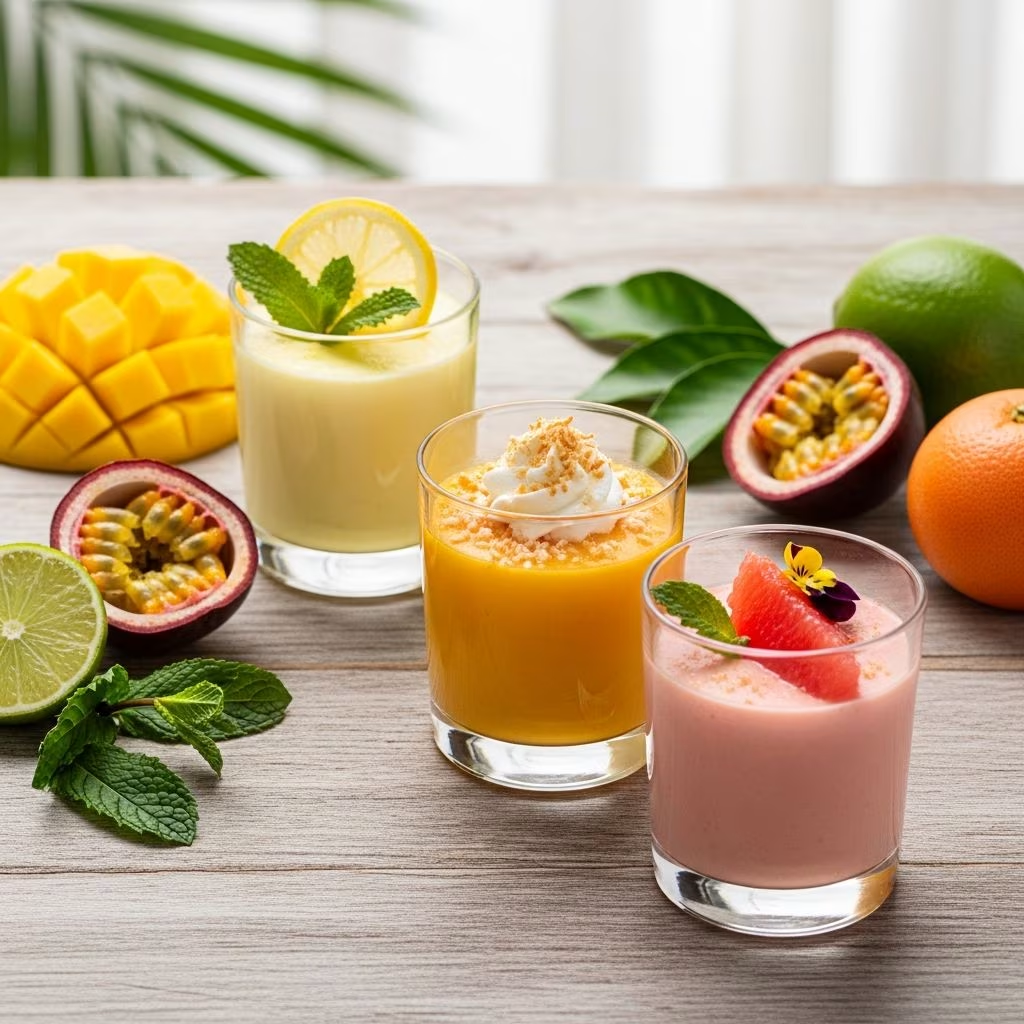
Possets represent one of the most elegant yet surprisingly straightforward dessert traditions in culinary history. These luxurious creations combine cream, sugar, and complementary flavorings to produce a silky, custard-like consistency that melts on the palate. The beauty of possets lies in their versatility—while traditional recipes emphasize classic vanilla or wine-based profiles, contemporary culinary approaches have opened doors to innovative flavor experiments. Tropical fruits like guava and grapefruit offer compelling opportunities to modernize this timeless dessert while maintaining the technique’s fundamental appeal.
Understanding the Posset Foundation
A posset fundamentally consists of three primary components: heavy cream, sweetening agents, and flavor elements. Unlike custards that require eggs, possets derive their creamy texture solely from the emulsification of cream when acidic ingredients are introduced. This chemical reaction causes the cream proteins to coagulate gently, transforming a liquid mixture into a spoonable, velvety dessert. The technique dates back centuries but has experienced renewed interest among modern chefs seeking elegant make-ahead options for entertaining.
The magic behind possets involves understanding the precise balance between acid and cream. When acidic elements—citrus juices, wine, or fruit purees—interact with heated cream, they create the characteristic thick consistency without any need for thickening agents or cooking eggs. This makes possets an exceptionally safe dessert option for those concerned about raw egg consumption, while simultaneously delivering restaurant-quality results in a home kitchen.
The Guava Advantage: Tropical Sweetness Meets Complexity
Guava brings distinctive qualities to posset preparations that set it apart from more conventional fruit choices. This tropical stone fruit offers natural sweetness combined with subtle tartness and an aromatic profile that suggests both strawberry and pear undertones. When incorporated into possets, guava creates a sophisticated dessert that feels indulgent yet refreshingly bright.
Guava’s structural properties make it particularly suited to posset applications. The fruit’s naturally occurring pectin content contributes to achieving the desired texture, while its robust flavor stands up admirably to the richness of cream without becoming overwhelmed. Fresh guava puree, whether made from ripe fruits or quality frozen varieties, imparts authentic tropical character that artificial flavorings cannot replicate.
Working with guava requires attention to ripeness timing. Ideally, select fruits that yield slightly to gentle pressure but maintain firmness overall. Over-ripe specimens may produce watery purees lacking the concentrated flavor necessary for balanced possets. For convenience, high-quality frozen guava puree offers consistency and reliability, particularly during seasons when fresh fruit availability becomes limited.
Grapefruit’s Role: Citrus Brightness and Sophisticated Bite
Grapefruit introduces essential complexity to fruit-forward possets through its characteristic bitter-tart profile. Unlike sweeter citrus varieties, grapefruit provides dimensional flavor development that prevents desserts from becoming cloying. The fruit’s natural acidity triggers the cream-setting mechanism while simultaneously creating palate-cleansing qualities that enhance the eating experience.
Pink or red grapefruit varieties offer superior aesthetic appeal compared to white varieties, lending beautiful natural color to finished possets without requiring artificial coloring agents. These pigmented varieties, courtesy of naturally occurring lycopene, create visually stunning presentations while delivering marginally sweeter flavor profiles than their paler cousins. The tartness remains pronounced enough to provide necessary balance against cream and additional sweetening elements.
Grapefruit’s complexity means it works exceptionally well when paired with complementary ingredients. The fruit’s flavor amplifies through combination with herbs like mint or basil, or through subtle additions of spice such as cardamom or black pepper. These combinations elevate possets from simple fruit desserts to multifaceted culinary experiences.
Essential Equipment and Ingredient Preparation
Creating successful possets requires minimal equipment but demands attention to ingredient quality and preparation specifics. Heavy cream forms the foundation—specifically, cream containing sufficient fat content (typically 36% or higher) to properly emulsify when combined with acidic elements. Lower-fat alternatives may result in thin, unsuccessful preparations.
Key preparation steps include:
- Selecting ripe, high-quality tropical fruits or frozen purees without added sugars
- Straining fruit purees through fine-mesh sieves to remove pulp particles that might affect texture
- Measuring cream and flavorings precisely to maintain proper acid-to-cream ratios
- Heating cream gently to approximately 160-180°F, which facilitates proper emulsification
- Adding acid components slowly while gently stirring to encourage even distribution
- Allowing finished possets to chill thoroughly before serving, typically requiring 4-6 hours
Building Flavor Through Layering Techniques
Sophisticated posset preparations benefit from deliberate flavor layering rather than simple mixing of ingredients. This approach creates complexity and prevents any single flavor from dominating the palate.
Start by infusing cream with aromatic elements before combining with fruit components. This might involve warming cream with vanilla pods, citrus zest, or whole spices that impart subtle background notes. Straining infused cream through cheesecloth removes solids while retaining essence. Subsequently, fold in prepared fruit elements, allowing flavors to meld rather than homogenizing everything simultaneously.
Temperature management during preparation significantly affects final flavor development. Room-temperature fruit purees blend more seamlessly with slightly cooled cream than cold alternatives. Allowing the finished mixture to rest briefly before straining facilitates proper texture development and permits flavors to harmonize more effectively.
Textural Considerations and Consistency Control
Achieving ideal posset consistency requires understanding how various ingredients and preparation methods influence final texture. The goal centers on creating a preparation that remains spoonable yet substantial—neither soupy nor overly thick.
Several factors influence consistency:
- Acid concentration: Higher acid percentages produce thicker sets; reduced amounts yield creamier, looser textures
- Sugar content: Additional sweetening slightly affects viscosity, with higher sugar concentrations generally producing thicker results
- Cream fat percentage: Higher-fat cream produces denser, more luxurious textures
- Chilling duration: Possets continue thickening throughout cold storage, potentially reaching undesired consistency if allowed to set overnight
Testing consistency before final plating allows adjustments. If preparation proves too thick, additional cream warmed and gently folded in corrects the issue. Conversely, if too thin, brief refrigeration often allows additional setting without requiring reformulation.
Complementary Ingredients and Flavor Enhancement
While guava and grapefruit form the foundation of these possets, secondary ingredients amplify complexity and create memorable desserts. Consider subtle additions including:
- Fresh mint leaves for brightness and cooling sensation
- Candied citrus peel for textural contrast and visual appeal
- Coconut cream layering for tropical authenticity
- Delicate spices like cardamom for warm undertones
- Honey drizzles for additional floral notes
- Toasted nuts providing crunch and earthiness
Presentation and Serving Suggestions
Professional presentation transforms possets into impressive dessert course options suitable for special occasions or intimate entertaining. Choose elegant serving vessels—small coupe glasses, vintage teacups, or minimalist modern bowls all enhance visual impact. Fill glasses approximately three-quarters full, leaving adequate space for garnish additions.
Thoughtful garnishing elevates presentations considerably. Float delicate herb sprigs, arrange candied fruit pieces artfully across cream surfaces, or drizzle complementary sauces in artistic patterns. Maintain garnish elements at room temperature for optimal appearance and flavor contribution—cold additions may crack beautiful presentation before guests taste the dessert.
Storage and Make-Ahead Advantages
Possets gain considerable appeal through their make-ahead qualities, allowing hosts to prepare components or complete desserts well in advance of serving. Properly stored possets remain stable throughout refrigerator storage for up to three days, making them ideal for entertaining situations where advance preparation reduces day-of kitchen demands.
Store finished possets covered to prevent absorption of refrigerator odors and to maintain surface appearance. Fruit puree components and prepared cream elements may be stored separately up to two days in advance, then combined fresh for optimal flavor development if preferred. This modular approach accommodates various entertaining scenarios and preference levels regarding advance preparation.
Frequently Asked Questions
Can I substitute different fruits for guava and grapefruit?
Absolutely. While the tropical-citrus combination provides excellent balance, possets accommodate numerous fruit variations. Mango, passion fruit, papaya, lime, lemon, or pomegranate all create compelling results. Maintain similar acid-to-cream ratios while adjusting sugar content based on fruit sweetness levels.
What happens if my posset doesn’t set properly?
Thin possets typically result from insufficient acid content, inadequate cream fat percentage, or improper temperature management during preparation. Carefully strain the mixture again into a clean bowl, slowly whisking in a tablespoon of fresh lemon juice at a time until desired thickness develops. Alternatively, refrigerate overnight as possets continue thickening during cold storage.
Are possets suitable for vegan diets?
Traditional possets rely on dairy cream, making them unsuitable for strict vegans. However, coconut cream can replace traditional cream in most recipes, though texture results differ slightly. Experiment with coconut cream-to-acid ratios as this substitution requires adjustment from standard recipes.
Can possets be frozen for longer storage?
Freezing possets often produces undesirable textural changes as the emulsion breaks down during the freeze-thaw cycle. Fresh consumption within three days of preparation provides optimal results. If longer storage becomes necessary, freeze fruit puree components separately rather than finished possets.
How do I adjust sweetness levels in posset recipes?
Add sweetening agents gradually, tasting as you proceed. Start with less sugar than recipes specify, as fruit purees contribute natural sweetness that combined amounts may exceed preferences. Remember that chilled desserts taste less sweet than room-temperature versions, so consider slight over-sweetening during preparation.
Mastering Posset-Making: Key Takeaways
Creating exceptional tropical fruit possets requires attention to ingredient quality, precise technique execution, and understanding the chemical interactions that produce the desired creamy texture. The combination of guava’s tropical sweetness and grapefruit’s sophisticated tartness creates balanced, memorable desserts suitable for numerous entertaining contexts.
Success depends upon selecting proper cream, preparing quality fruit components, managing temperatures during combination, and allowing adequate refrigeration time for proper setting. These relatively simple requirements, when executed thoughtfully, produce elegant desserts that impress diners while requiring minimal technical skill or specialized equipment.
Whether preparing possets for casual gatherings or formal entertaining occasions, this technique offers reliable excellence that continues earning appreciation from those seeking sophisticated yet approachable dessert options. The tropical fruit variations presented here merely represent the beginning of endless creative possibilities that modern cooks can explore using this timeless preparation method.
References
- The Science of Cooking: Understanding the Biology and Chemistry Behind Food and Cooking — Dr. Stuart Farrimond, DK Publishing, 2017. https://www.dk.com
- Modernist Cuisine at Home — Nathan Myhrvold, Maxime Bilet, Chris Young, Penguin Press, 2012. https://www.modernistcuisine.com
- On Food and Cooking: The Science and Lore of the Kitchen (Revised Edition) — Harold McGee, Scribner, 2004. https://www.haroldmcgee.com
- USDA FoodData Central — United States Department of Agriculture, Last Updated 2024. https://fdc.nal.usda.gov
- Professional Cooking for College Programs (9th Edition) — Wayne Gisslen, Pearson, 2015. https://www.pearson.com