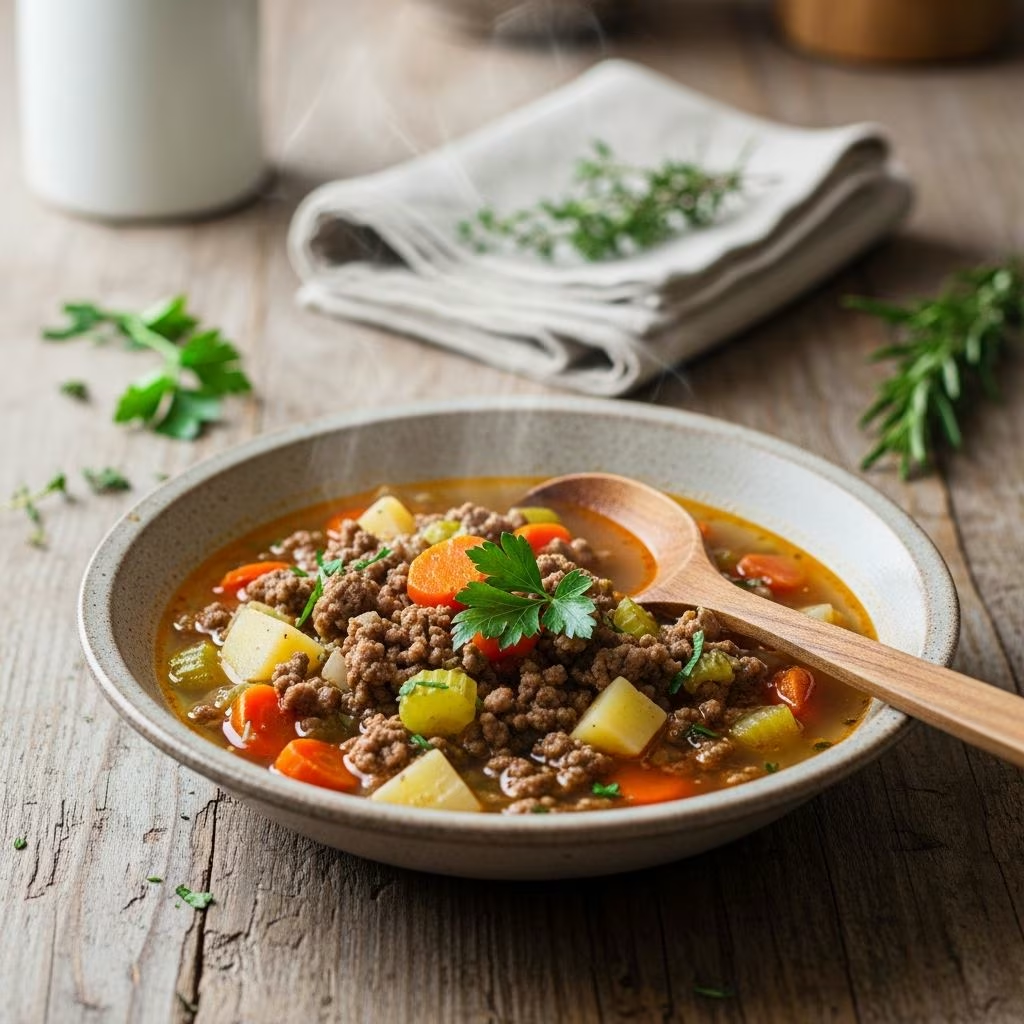
Ground beef soup represents one of the most versatile and approachable dishes in the comfort food repertoire. This one-pot meal combines affordable ingredients with straightforward preparation methods, making it an ideal choice for weeknight dinners, meal preparation, and family gatherings. The beauty of this soup lies in its adaptability—home cooks can customize vegetables, seasonings, and cooking methods to suit their preferences and dietary needs.
Understanding the Foundation of Ground Beef Soup
At its core, ground beef soup consists of three essential components: a protein base, a flavorful liquid foundation, and vegetables that provide texture and nutrition. The protein—lean ground beef—serves as the anchor for the entire dish, while beef broth or stock creates the savory backdrop. The vegetable combination traditionally includes aromatics like onions and garlic, along with heartier vegetables such as carrots, celery, and potatoes that become tender during the simmering process.
The cooking process begins with browning the ground beef and aromatics, a crucial step that develops deep, savory flavors through the Maillard reaction. This initial browning creates a flavor foundation that distinguishes homemade soup from rushed preparations. After this crucial step, additional ingredients are layered in, each contributing distinct taste dimensions to the final product.
Selecting Quality Ingredients
Choosing Ground Beef
The type of ground beef selected significantly impacts the final soup’s character. Lean ground beef, typically labeled as 90% lean or higher, reduces excess fat that would otherwise require draining and creates a cleaner-tasting broth. Many cooks prefer 93% lean beef as the optimal balance between flavor retention and fat reduction. Ground turkey offers a lighter alternative while maintaining similar cooking properties and nutritional benefits.
Home cooks should purchase ground beef close to their intended cooking time and store it properly to maintain quality. If preparing the soup ahead, browning and draining the meat before refrigeration helps manage fat content more effectively.
Broth Selection
The distinction between beef stock and beef broth matters more than many home cooks realize. Beef stock, created by simmering bones for extended periods, develops a deeper, more gelatinous quality that creates body in the finished soup. Beef broth, made by simmering meat rather than bones, offers a lighter consistency while still providing satisfying savory notes. Both options work effectively; the choice depends on desired richness and available time.
Homemade broth surpasses store-bought varieties in flavor complexity, but quality commercial broths provide acceptable results when homemade options aren’t available. Sodium-reduced versions allow cooks to control final seasoning levels more precisely.
Vegetable Components
The vegetable foundation typically begins with the classic mirepoix combination of onions, carrots, and celery. These aromatic vegetables release their sugars and compounds during cooking, creating a naturally flavored broth that requires minimal additional seasoning. Potatoes contribute substance and heartiness, transforming the soup from a simple broth-based dish into a more satisfying meal.
Additional vegetables expand the flavor profile and nutritional content. Diced tomatoes or tomato paste provide acidity and umami depth. Mushrooms add earthiness, while bell peppers contribute sweetness and vibrancy. Frozen mixed vegetables offer convenience without sacrificing quality, particularly green beans and corn that maintain their texture during cooking.
Building Layers of Flavor
Aromatic Enhancement
Fresh minced garlic, added after the meat has browned, creates an aromatic foundation that distinguishes memorable soup from forgettable broths. This ingredient releases its volatile compounds quickly, so brief cooking before adding liquids prevents harsh flavors from dominating.
Seasoning Strategies
Dried herbs including thyme, oregano, and Italian seasoning blend provide consistent flavor across batches. These dried herbs release their essential oils during the simmering process, gradually infusing the broth with complexity. Worcestershire sauce acts as a secret ingredient that deepens overall flavor without being identifiable as a distinct component.
Salt and black pepper should be added gradually throughout cooking, with final seasoning adjustment occurring after the full cooking time. This approach prevents over-salting, which becomes more concentrated as liquid reduces during simmering.
Ingredient Comparison Table
| Ingredient Category | Primary Option | Alternative Option | Rationale for Choice |
|---|---|---|---|
| Protein | 93% Lean Ground Beef | Ground Turkey | Leaner option reduces fat content while maintaining flavor |
| Liquid Base | Beef Stock | Beef Broth | Stock creates richer body; broth offers lighter option |
| Primary Vegetables | Onion, Carrot, Celery | Precut Mirepoix Mix | Traditional base; convenience option saves prep time |
| Starch Component | Red Potatoes | Russet Potatoes | Red maintain shape; russet create creamier texture |
| Tomato Element | Diced Tomatoes | Tomato Paste | Diced add texture; paste concentrates flavor intensely |
Stovetop Preparation Method
Initial Meat Preparation
Begin by adding ground beef and diced onion to a large stockpot over medium-high heat. Using a spatula or wooden spoon, break the meat into uniform crumbles as it cooks, ensuring even browning throughout. This step typically requires 8-10 minutes, with the meat transitioning from pink to brown while the onion becomes translucent.
Once the meat reaches complete doneness, carefully drain excess fat by tilting the pot and using a spoon to press the meat against the pot’s side. This step significantly reduces the greasy mouthfeel in the finished soup. For very lean ground beef, a tablespoon of olive oil may be added during browning to prevent sticking.
Vegetable Integration
Add remaining vegetables—carrots, celery, potatoes, and any additional components—to the browned meat mixture. Stir thoroughly to distribute ingredients evenly. If using fresh garlic, add it at this stage and cook for approximately one minute, stirring constantly to prevent burning.
Liquid Addition and Simmering
Pour four to six cups of beef broth or stock into the pot, depending on desired consistency. For a brothier soup, use the higher measurement; for a stew-like texture, use the lower amount. Bring the mixture to a boil, then reduce heat to maintain a gentle simmer.
Cover the pot and allow it to simmer for 20-25 minutes for quick weeknight versions, or extend the time to one to two hours for deeper flavor development. The longer simmering creates richer broth as vegetables release their compounds and flavors meld together.
Finishing Touches
Approximately five minutes before serving, add any final vegetables like frozen corn or green beans that benefit from brief cooking. Adjust seasoning with salt, pepper, and additional herbs as needed. Some cooks add fresh parsley immediately before serving for brightness and visual appeal.
Slow Cooker Adaptation
Ground beef soup adapts beautifully to slow cooker preparation, making it ideal for busy schedules. Begin by browning the ground beef and aromatics on the stovetop using the method described above. Transfer the browned meat mixture to a slow cooker along with diced tomatoes, tomato sauce, beef broth, potatoes, and seasonings.
Cook on low for four hours or on high for two hours. During the final 30 minutes, add frozen vegetables that don’t benefit from extended cooking. This method yields deeply flavored soup with minimal active preparation time, making it perfect for meal preparation strategies.
Customization and Variations
Noodle Integration
Adding pasta transforms this soup into a heartier meal. Uncooked pasta—typically small varieties like ditalini, elbow, or small shells—can be added during the final 10-15 minutes of cooking. Alternatively, cook pasta separately and add it just before serving to prevent mushiness.
Regional Flavor Profiles
Mexican-inspired versions incorporate diced jalapeños, cumin, and cilantro alongside traditional ingredients. Italian variations emphasize basil, additional tomato, and possibly grated Parmesan cheese added at serving time. Asian-influenced adaptations might include soy sauce, ginger, and green onions for completely different taste experiences.
Dietary Accommodations
Ground turkey provides a leaner protein alternative for health-conscious cooks. Whole30-compliant versions eliminate tomato products or adjust seasoning profiles to meet specific dietary requirements. Vegetable-forward preparations use less meat and increase vegetable quantities for different nutritional compositions.
Storage and Make-Ahead Strategies
Ground beef soup stores exceptionally well, making it ideal for meal preparation. Refrigerate cooled soup in airtight containers for up to four days, or freeze for extended storage up to three months. The soup often tastes even better after sitting overnight as flavors continue melding.
For freezing, allow the soup to cool completely before transferring to freezer-safe containers, leaving slight headspace for expansion. Label containers with contents and date for easy identification. Thaw overnight in the refrigerator before reheating on the stovetop over medium heat until warmed through.
Frequently Asked Questions
How can I reduce the fat content in my soup?
Use the leanest ground beef available (93% lean or higher), drain thoroughly after browning, and refrigerate finished soup overnight. The fat will solidify on the surface, making it easy to lift away before reheating.
Can I make this soup without tomatoes?
Yes. Omit tomato products and increase beef broth slightly. Add additional vegetables and seasonings to compensate for the missing acidity and flavor depth.
What’s the best way to reheat leftover soup?
Reheat gently on the stovetop over medium heat, stirring occasionally. Avoid high heat, which can scorch the bottom and damage delicate vegetable textures. Alternatively, microwave in a covered container, stirring halfway through.
How do I make the soup taste richer?
Extend simmering time to allow flavors to concentrate. Use beef stock instead of broth, add extra tomato paste for umami depth, or incorporate Worcestershire sauce and a bay leaf for complexity.
Can I prepare this soup in advance?
Absolutely. The soup actually improves after sitting overnight as flavors continue developing. Make it up to four days ahead and refrigerate, or freeze for longer storage.
Nutritional Considerations
Ground beef soup provides balanced nutrition with protein from the meat, carbohydrates from vegetables and potatoes, and minimal fat when prepared with lean beef and proper drainage. A single serving typically contains 200-300 calories depending on ingredients and portion size.
The variety of vegetables contributes fiber, vitamins, and minerals that support overall nutritional adequacy. Using reduced-sodium broth allows sodium control while maintaining robust flavor through proper seasoning and cooking techniques.
Serving Suggestions
Ground beef soup pairs beautifully with fresh green salads, crusty bread, or simple sandwiches. Serve in warm bowls with fresh parsley garnish and crackers on the side. A dollop of sour cream or grated cheese can personalize individual servings when desired.
This versatile soup works equally well as a casual weeknight dinner, a hearty lunch, or a make-ahead meal for busy schedules. Its satisfying nature and customizable elements make it appropriate for various occasions and dietary preferences.
References
- Healthy 30 Minute Hamburger Soup — The Whole Cook. 2024. https://thewholecook.com/healthy-hamburger-soup/
- Easy Hamburger Soup — Spend With Pennies. 2024. https://www.spendwithpennies.com/hamburger-soup/
- Whole30 Hamburger Soup — Whole30. 2021-12-29. https://whole30.com/recipes/whole30-hamburger-soup/