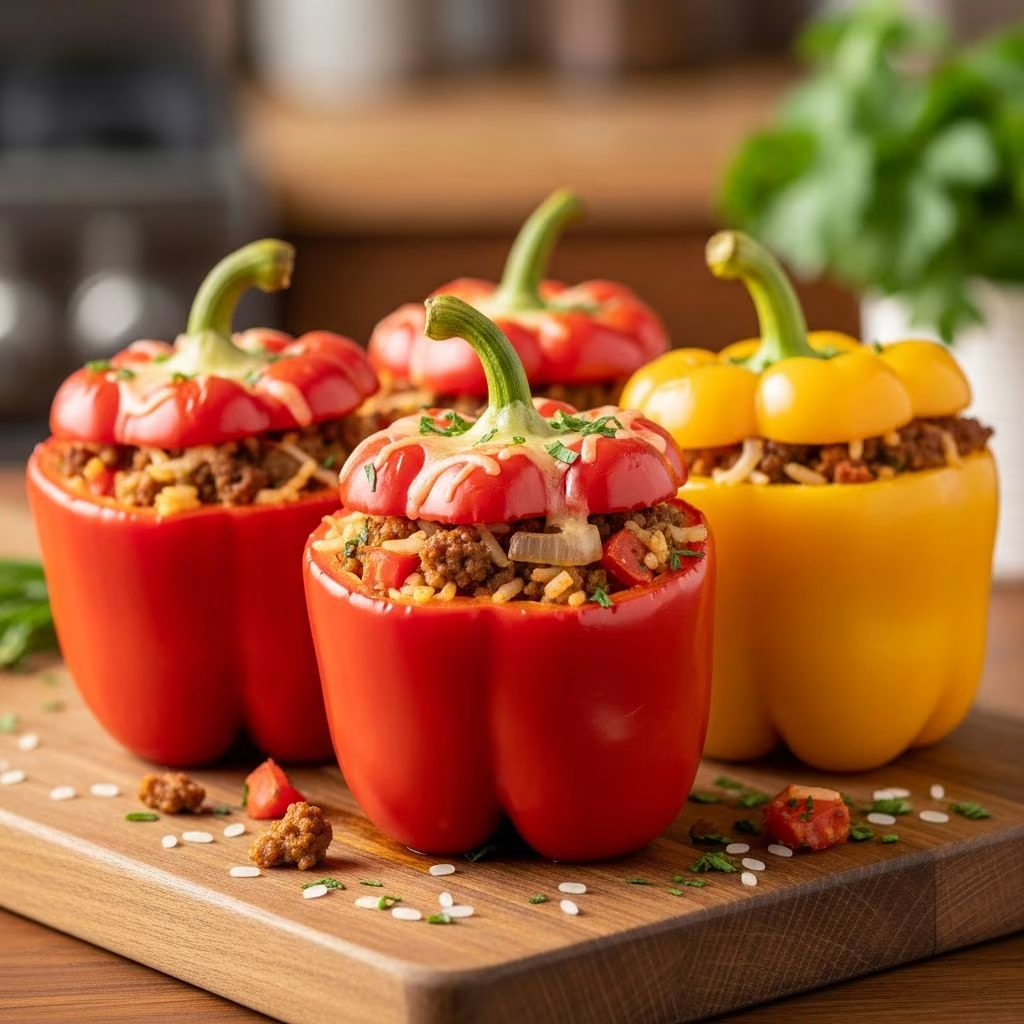
Stuffed bell peppers represent a versatile and nourishing dinner option that combines vibrant produce with seasoned protein and grains. This classic dish has earned its place at family tables across many cultures, offering both visual appeal and satisfying flavor profiles. Whether you’re preparing a weeknight meal or hosting guests, understanding the fundamentals of assembling and cooking stuffed peppers will enable you to create restaurant-quality results in your own kitchen.
Understanding the Foundation: What Makes This Dish Special
The beauty of stuffed bell peppers lies in their adaptability and nutritional balance. Bell peppers serve as edible vessels that soften during cooking while maintaining their structural integrity. When filled with a carefully seasoned mixture of ground beef, cooked rice, and complementary ingredients, they transform into a complete meal that delivers protein, carbohydrates, vegetables, and essential nutrients in a single serving.
This dish appeals to home cooks for several reasons. The individual portioning makes serving straightforward, the preparation timeline fits busy schedules, and the ingredient list relies primarily on pantry staples and fresh produce available year-round. Additionally, stuffed peppers accommodate various dietary preferences through simple ingredient substitutions.
Selecting and Preparing Your Bell Peppers
The foundation of successful stuffed peppers begins with choosing appropriate bell peppers. Select peppers that are firm, evenly shaped, and relatively uniform in size—this ensures even cooking and consistent presentation. Medium to large peppers work best, as they provide adequate space for filling without becoming unwieldy. While traditional recipes favor green peppers, red, yellow, and orange varieties offer sweeter flavor profiles and add visual variety to your presentation.
Preparation of the peppers requires careful attention to create suitable containers. Begin by slicing off the top quarter-inch of each pepper, creating an opening while preserving the structural integrity of the pepper body. Using a small sharp knife or specialized pepper corer, carefully remove the white pith and seeds from the interior, working methodically to avoid puncturing the walls. Rinse the hollowed peppers under cold water to remove any remaining seeds or membrane fragments. Pat them dry with paper towels before filling to prevent excess moisture in your finished dish.
Crafting the Filling: A Multi-Step Process
Cooking the Ground Beef Foundation
The filling begins with browning the ground beef, which builds flavor through the Maillard reaction—the chemical process that creates complex taste compounds when meat reaches high temperatures. Select ground beef with approximately 15-20% fat content, as this ratio prevents the filling from becoming dry while minimizing excess grease. Heat a large skillet over medium heat and add the ground beef, breaking it apart with a wooden spoon as it cooks. This step typically requires 8-10 minutes for one pound of meat. Once the beef has achieved a uniform brown color throughout with no pink remaining, remove excess fat by tilting the pan and absorbing grease with paper towels or by draining it into a container.
Building Aromatic Layers
After the beef is cooked, create depth of flavor by adding diced onion and minced garlic to the pan. Some recipes incorporate finely diced zucchini or mushrooms at this stage as well. Sauté these vegetables over medium heat for approximately 5 minutes, stirring occasionally, until the onions become translucent and the garlic releases its characteristic aroma. This step is crucial for developing the aromatic foundation that distinguishes an excellent filling from a mediocre one.
Incorporating Rice and Seasonings
Once the vegetables have softened, add your pre-cooked rice to the beef mixture. Combine this with your chosen seasonings—common options include salt, black pepper, Italian seasoning, garlic powder, onion powder, and paprika. Many recipes incorporate tomato sauce or tomato paste at this stage, which adds acidity, umami depth, and moisture to the filling. Stir everything together thoroughly to ensure even distribution of seasonings. Cook for an additional 2-3 minutes over medium heat, allowing the flavors to meld and the filling to warm completely. This mixture should be moist but not wet; if it appears too dry, add a few tablespoons of broth or tomato sauce.
Assembly and Baking Techniques
Filling the Pepper Vessels
Arrange your prepared peppers upright in a baking dish, positioning them closely enough to prevent tipping but with adequate space for air circulation. Using a spoon or small ice cream scoop, carefully fill each pepper with the beef and rice mixture, packing it gently to distribute filling evenly from bottom to top. Avoid pressing too forcefully, as excessive compression can create dense, compacted results that feel heavy on the palate. If you have additional filling remaining after stuffing all peppers, you can serve this on the side or layer it around the base of the peppers.
Moisture Management During Cooking
One critical technique that distinguishes properly cooked stuffed peppers from those that are tough or undercooked involves moisture management in the baking dish. Add approximately one-quarter to one-third inch of hot water or broth to the bottom of the baking pan—this creates steam during cooking that gently softens the pepper walls without overcooking the filling. Cover the baking dish tightly with aluminum foil to trap steam, which maintains a humid cooking environment and prevents the peppers from developing tough, wrinkled skins.
Baking Temperature and Timing
Preheat your oven to 375°F before beginning the filling assembly process. Place the covered baking dish in the preheated oven and bake for 40-45 minutes, depending on your preferred pepper tenderness. The peppers should be soft when pierced with a fork but still maintain their shape. After this initial baking period, remove the foil covering, which allows any residual moisture to evaporate and permits cheese topping to brown properly.
Finishing Touches: Cheese and Final Cooking
Once the peppers have softened to your desired consistency, remove the foil covering and sprinkle shredded mozzarella cheese over the top of each pepper. Some recipes incorporate a blend of mozzarella and parmesan cheese for added depth and faster browning. Return the uncovered baking dish to the oven and bake for an additional 5-10 minutes, until the cheese melts completely and begins developing light golden-brown spots. For accelerated browning and enhanced flavor development, activate the broiler for the final 2 minutes, watching carefully to prevent burning.
Essential Ingredients and Their Roles
| Ingredient | Function | Amount (for 6 peppers) |
|---|---|---|
| Bell Peppers | Main vessel; provides vitamins and mild sweetness | 6 medium to large |
| Ground Beef | Primary protein source; builds satiety | 1-1.5 pounds |
| Cooked Rice | Base carbohydrate; adds texture and bulk | 1-2 cups |
| Onion | Aromatic base; develops complex flavor | 0.5-1 cup diced |
| Garlic | Flavor enhancer; adds pungency | 2-5 cloves |
| Tomato Sauce | Moisture and acid; binds ingredients | 1-3 cups |
| Mozzarella Cheese | Topping; adds creaminess and browning | 0.5-1 cup shredded |
| Seasonings | Flavor development | Varies by preference |
Variations and Customization Options
The fundamental structure of stuffed peppers accommodates numerous variations to suit different preferences and dietary requirements. For a Spanish-inspired version, incorporate saffron-infused rice and smoked paprika into the filling, then top with chorizo pieces before cheese. A Mediterranean adaptation includes pine nuts, fresh herbs like oregano and basil, and crumbled feta cheese in place of mozzarella.
Vegetarian and vegan adaptations substitute the ground beef with lentils, mushrooms, or plant-based ground meat alternatives, maintaining the same cooking methods and timing. For those following low-carbohydrate diets, replace rice with cauliflower rice or finely chopped vegetables like zucchini and bell pepper. Gluten-sensitive diners can ensure all seasonings and sauces are certified gluten-free.
Storage and Make-Ahead Strategies
Stuffed peppers demonstrate excellent storage capabilities, making them suitable for meal preparation. After cooking and cooling completely, store them in airtight containers in the refrigerator for up to 4 days. Reheat individual portions by microwaving at 50% power for 3-4 minutes or placing in a 350°F oven for 15-20 minutes covered with foil. For longer storage, freeze cooled stuffed peppers in freezer-safe containers for up to 3 months, extending their availability for convenient future meals.
For maximum efficiency, assemble stuffed peppers earlier in the day and refrigerate unbaked until dinner preparation time. This approach allows you to complete the labor-intensive assembly during a period of greater availability, streamlining your evening routine. Simply extend baking time by 10-15 minutes when cooking directly from refrigeration.
Troubleshooting Common Issues
Tough or Leathery Peppers: This typically results from insufficient steam or water in the baking dish. Ensure you’ve added adequate liquid and that your foil covering traps moisture effectively.
Undercooked or Crunchy Peppers: Extend the baking time by 10-15 minutes, or increase oven temperature slightly while maintaining the foil cover.
Dry or Crumbly Filling: Add moisture by incorporating additional tomato sauce, broth, or a beaten egg to bind ingredients together. This issue often stems from using overcooked rice or insufficient sauce in the filling mixture.
Cheese Not Browning: Ensure you’ve removed the foil covering and increased oven temperature briefly under the broiler. Using a cheese blend with a lower melting point may expedite browning.
Frequently Asked Questions
Q: Can I use uncooked rice in the filling?
A: While some recipes incorporate uncooked rice, using pre-cooked rice ensures more predictable results and reduces total cooking time. If using uncooked rice, increase baking time by 15-20 minutes and add additional liquid to the filling.
Q: Do I need to parboil the peppers before stuffing?
A: While traditional methods often include parboiling, modern techniques using steam and moisture in the baking dish eliminate this step. Parboiling is optional and reduces total preparation time slightly, but produces comparable results either way.
Q: What’s the best rice variety for this dish?
A: Long-grain white rice provides the most consistent results due to its firm texture and neutral flavor. Brown rice, jasmine rice, and basmati rice work well but may require slightly longer cooking times.
Q: Can I prepare these peppers ahead and freeze them before cooking?
A: Yes, assemble and freeze stuffed peppers in a single layer on a baking sheet, then transfer to freezer bags. Cook directly from frozen, adding 15-20 minutes to the baking time.
Q: How do I prevent peppers from tipping over in the baking dish?
A: Arrange peppers in a snug configuration where they support each other. You can also slice a thin piece from the bottom of each pepper to create a flat base, though this is not necessary if peppers are positioned closely together.
Nutritional Considerations and Health Benefits
Stuffed bell peppers deliver comprehensive nutritional value through their diverse ingredient composition. Bell peppers provide vitamin C, vitamin A, and fiber, supporting immune function and digestive health. Ground beef contributes high-quality protein, iron, and B vitamins essential for energy metabolism. Rice provides carbohydrates for sustained energy, while vegetables throughout the dish add micronutrients and phytonutrients.
The overall nutritional profile can be adjusted through ingredient modifications. Using leaner ground beef (90-93% lean) reduces saturated fat content without compromising flavor. Incorporating additional vegetables like zucchini, mushrooms, or diced tomatoes increases fiber and nutrient density while reducing the overall caloric density of each serving. Selecting low-sodium tomato sauce and limiting added salt accommodates dietary restrictions for sodium-conscious individuals.
Conclusion: Mastering This Timeless Comfort Dish
Ground beef and rice stuffed bell peppers represent an accessible yet impressive dish that delivers satisfaction through thoughtful ingredient combinations and proper technique. By understanding each component’s role—from pepper selection through final cheese browning—you develop the knowledge to create consistently excellent results. Whether following the traditional formula or exploring creative variations, this versatile dish remains a reliable choice for family dinners, meal preparation, and entertaining guests. With practice, assembling and cooking stuffed peppers becomes an intuitive process that yields restaurant-quality results from your home kitchen.
References
- USDA FoodData Central: Bell Peppers, raw — U.S. Department of Agriculture. Accessed April 2026. https://fdc.nal.usda.gov/
- Nutritional Composition and Health Benefits of Beef and Beef Products — National Cattlemen’s Beef Association. 2024. https://www.beefitswhatsfordinner.com/