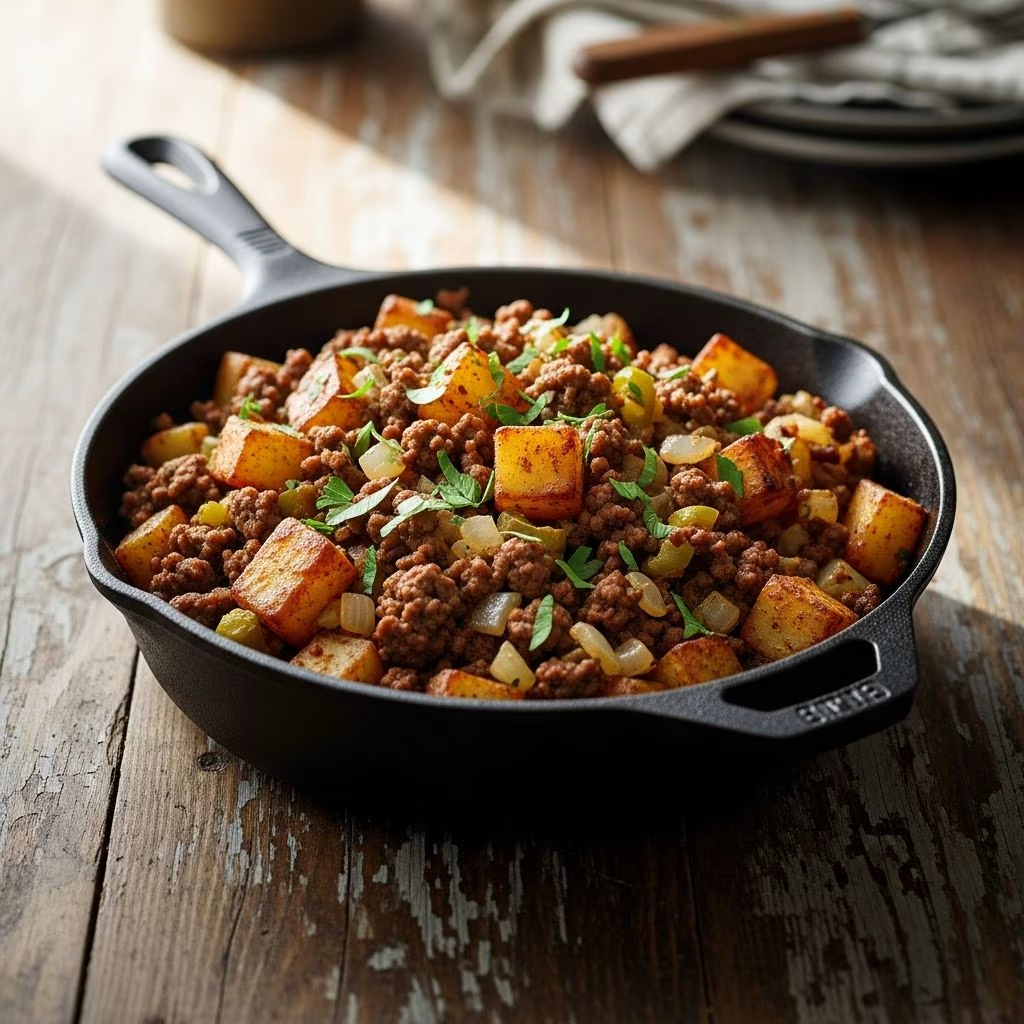
Ground beef and potato hash represents one of the most straightforward yet satisfying dishes you can prepare in your kitchen. This humble one-pan meal combines simple, affordable ingredients into something that feels substantial and comforting. Whether you’re feeding a family on a budget or looking for a quick weeknight dinner solution, understanding how to properly prepare this dish opens up numerous possibilities for creativity and customization.
Understanding the Foundation of Hash
At its core, a successful hash requires three essential components: ground beef, potatoes, and proper seasoning. The beauty of this dish lies in its simplicity, yet achieving the perfect texture and flavor balance requires attention to technique and ingredient quality. Unlike recipes with extensive ingredient lists, hash relies on the fundamental flavors of beef and potatoes, enhanced through careful cooking methods and generous seasoning.
The texture contrast between the crispy exterior and tender interior of the potatoes creates the signature appeal of well-made hash. This textural element separates an average hash from an exceptional one, making the cooking technique as important as the ingredients themselves.
Essential Ingredients and Their Roles
Primary Components
Ground beef serves as the protein foundation of your hash. Most recipes recommend using one pound of ground beef, which provides sufficient protein for four to six servings depending on portion size. The fat content in ground beef matters more than many home cooks realize. While lean ground beef works perfectly, selecting beef with a slightly higher fat content (around 80/20) ensures that your hash develops better flavor and achieves a more desirable texture when cooked properly.
Potatoes form the textural backbone of the dish. Raw potatoes require pre-cooking before incorporation into the hash, a step that determines your final dish’s consistency. Dicing potatoes into uniform, bite-sized pieces promotes even cooking and creates multiple surfaces that can crisp during the cooking process. Small potato varieties work particularly well for hash preparation.
Aromatics and Flavor Builders
Onions and shallots provide the aromatic foundation that elevates hash from simple to sophisticated. These ingredients should be diced finely to distribute throughout the dish evenly. Some recipes incorporate bell peppers, which add sweetness and color while contributing to the overall flavor profile. Green peppers offer a slightly more assertive taste, while red peppers provide milder sweetness.
Garlic powder, paprika, Italian seasoning, cumin, and Worcestershire sauce represent common flavor additions that develop depth and complexity. Salt and pepper deserve special emphasis—these basic seasonings require more generous application than most cooks initially think necessary. The general guideline suggests starting with approximately one teaspoon of salt and pepper combined, then adjusting to taste.
Fat and Binding Elements
Butter plays a crucial role in achieving crispy hash. After browning ground beef and removing excess grease, adding two tablespoons of butter creates the fat necessary for proper crisping. This step distinguishes hash from merely combining cooked ingredients and separates pedestrian versions from truly excellent ones.
Preparation Methods for Success
Pre-Cooking Potatoes
Raw potatoes require pre-cooking before hash preparation begins. Most recipes recommend either roasting or boiling potatoes until they reach a tender-but-still-firm state. Roasting at 450 degrees Fahrenheit for approximately 30 minutes yields potatoes that begin developing crispy edges before incorporation into the hash. Alternatively, boiling works efficiently for cooks prioritizing speed. The key is avoiding mushy potatoes that will disintegrate during the hash-cooking process.
Cooling cooked potatoes completely before dicing prevents them from breaking apart during the dicing process. This simple step eliminates frustration and ensures uniform piece sizes that cook consistently.
Browning Ground Beef
Begin by heating a large skillet over medium-high heat and browning ground beef with diced onions or shallots. Breaking up the beef with a wooden spoon as it cooks ensures even browning and prevents large clumps from forming. This step typically requires five to seven minutes depending on heat level and beef quantity.
Proper seasoning at this stage establishes flavor throughout the dish. Salt and pepper should be applied generously as beef browns, allowing these seasonings to penetrate the meat rather than sitting on the surface. Once beef achieves a nicely browned color with no pink remaining, drain any excess grease from the pan.
Creating the Hash Mixture
After draining excess grease, add butter to the pan and allow it to melt completely. Return cooked beef to the pan along with pre-cooked, diced potatoes. Increase heat to medium-high and stir the mixture while seasoning generously with additional salt, pepper, and chosen spices. This combination should cook for several minutes while stirring occasionally.
The critical technique for achieving signature crispy hash involves using the back of a spatula to press the mixture firmly against the pan bottom. This pressure creates extended contact between the mixture and the hot pan surface, developing crispy, golden-brown edges. Allow the mixture to sit undisturbed for a few minutes to develop these crispy sections, then flip the entire mixture over and repeat the process on the other side.
Cooking Variations and Techniques
Basic One-Pan Method
The straightforward approach involves preparing hash entirely in one skillet from start to finish. After browning beef and potatoes reach the desired texture and color, the hash is complete. Some cooks prefer serving it immediately with accompaniments, while others choose to crack eggs directly over the hash, cover with a lid, and allow eggs to cook through for an integrated presentation.
Liquid-Based Preparation
An alternative technique incorporates beef or chicken broth into the mixture, creating a slightly saucier consistency. After browning beef and adding potatoes with seasonings, pour in approximately one-half to one cup of broth. Cover the skillet and simmer until potatoes become tender and most liquid absorbs, typically requiring 15 to 20 minutes. This method produces a different texture—less focused on crispiness and more on moisture—but delivers equally satisfying results.
Cheese Additions
Many contemporary recipes incorporate shredded cheese, particularly Colby Jack, over finished hash. Adding cheese in the final minutes of cooking allows it to melt over the warm mixture, creating an additional flavor dimension. This modern variation appeals particularly to those who enjoy cheese-forward dishes.
Ingredient Flexibility and Customization
| Component | Traditional Option | Alternative Choices |
|---|---|---|
| Protein | Ground beef | Ground pork, ground turkey, ground lamb |
| Vegetables | Onions, potatoes | Bell peppers, cabbage, zucchini, carrots |
| Seasonings | Salt, pepper, garlic powder | Cumin, paprika, Italian seasoning, Worcestershire sauce |
| Fat | Butter | Olive oil, bacon grease, vegetable oil |
| Additions | Fried eggs | Cheese, hot sauce, fresh herbs |
Hash’s greatest strength lies in its flexibility. The basic framework accommodates numerous ingredient substitutions without compromising the dish’s essential character. Ground pork or turkey can replace ground beef for different flavor profiles. Cabbage transforms hash into something with increased vegetable content and unique texture. Bell peppers contribute sweetness and color. The fundamental cooking technique remains constant regardless of specific ingredient choices.
Seasoning Strategies and Flavor Development
Professional cooks emphasize that proper seasoning separates exceptional hash from mediocre versions. Many home cooks instinctively under-season hash, applying salt and pepper too sparingly. The recommendation to begin with one teaspoon of combined salt and pepper, then adjust upward, provides a reliable starting point. Tasting as you season allows customization to individual preference.
Layering seasonings throughout the cooking process rather than adding all at once develops more complex flavor. Season beef as it browns, add additional seasoning when combining with potatoes, and adjust final seasoning before serving. This approach distributes flavor throughout the dish rather than concentrating it in any single area.
Consider the interplay between seasonings when customizing recipes. Worcestershire sauce adds umami depth, paprika contributes slight sweetness and color, Italian seasoning provides herbal notes, and cumin adds earthiness. Combining these elements creates nuanced flavor complexity that prevents hash from tasting one-dimensional.
Common Questions About Hash Preparation
Can I use raw potatoes without pre-cooking?
Raw potatoes require significantly longer cooking times and may not achieve the desired texture. Pre-cooking ensures potatoes reach appropriate tenderness while allowing the hash cooking phase to focus on developing crispy, browned surfaces. This two-stage cooking approach produces superior results compared to attempting everything in a single cooking phase.
What is the ideal potato size?
Dice potatoes into roughly half-inch cubes, which provides the optimal balance between surface area for crisping and internal tenderness. Pieces that are too small may disintegrate during cooking, while oversized pieces may remain undercooked at the center.
How can I prevent hash from sticking?
Adequate fat in the pan and allowing the mixture to sit undisturbed during the crisping phase prevents sticking. Attempting to stir constantly inhibits browning. Press the mixture down with a spatula, let it cook, then flip and repeat. This technique promotes crust formation rather than preventing sticking through constant movement.
Should hash be served immediately or can it be prepared ahead?
Hash tastes best served immediately after cooking when texture contrast is most pronounced. However, leftover hash reheats reasonably well in a skillet over medium heat, though the re-crisping process requires patience and attention.
What beverages pair well with hash?
Simple beverages complement hash effectively. Coffee works well for breakfast or brunch preparations, while casual dinners pair nicely with beer or soft drinks. The dish’s hearty nature calls for uncomplicated beverage choices rather than sophisticated pairings.
Serving Suggestions and Accompaniments
Hash functions as a complete meal when topped with fried or sunny-side-up eggs, which provide additional protein and richness. Some preparation methods cook eggs directly in the hash by cracking them over the mixture and covering with a lid for the final few minutes.
Fresh green salad offers contrast to hash’s richness, providing crisp texture and acidic balance. Hot sauce adds complexity for those preferring additional heat. Bread or rolls provide vehicles for scooping portions and completing the meal.
Hash adapts to various occasions—breakfast, lunch, or dinner settings—making it remarkably versatile. The same preparation works equally well for weekend brunch or quick weeknight dinner, adjusting only the serving time and accompaniments.
Storage and Reheating Guidance
Leftover hash stores in refrigerated containers for three to four days. Transfer it to an airtight container immediately after cooling to room temperature. Reheating in a skillet over medium heat restores much of the original texture better than microwave reheating, though the latter works in time-constrained situations.
Hash freezes reasonably well for up to two months, though texture changes somewhat upon thawing. Freeze in individual portions using freezer containers or bags for convenient future meals. Thaw overnight in the refrigerator before reheating.
Nutritional Considerations
Hash provides substantial protein from ground beef, carbohydrates from potatoes, and fat from butter and beef. One typical serving contains approximately 300-400 calories depending on portion size and ingredient ratios. The dish offers significant satiety due to its combination of protein, carbohydrates, and fat, making it an efficient meal for satisfying hunger.
Ground beef contributes iron and B vitamins, while potatoes provide potassium and vitamin C. Adding vegetables increases micronutrient density without substantially increasing calorie content. For those monitoring sodium intake, the generous salt application deserves consideration, though seasoning adjustments allow customization to dietary needs.
Final Thoughts on Mastering Hash
Ground beef and potato hash exemplifies how simple techniques applied to basic ingredients produce genuinely satisfying food. The dish requires no specialized equipment, expensive ingredients, or complex skills. Instead, success depends on understanding proper technique—pre-cooking potatoes adequately, browning beef thoroughly, seasoning generously, and developing crispy surfaces through patient cooking and pressing.
Whether serving your family a weeknight dinner or exploring classic comfort food preparations, hash deserves a place in your cooking repertoire. The foundation allows endless customization while maintaining the essential character that makes this dish beloved across generations and geographic regions.
References
- Hamburger Hash Recipes and Techniques — The Country Cook. 2024. https://www.thecountrycook.net/hamburger-hash/
- Ground Beef and Potato Hash Preparation Guide — Little Chef Within. 2024. https://littlechefwithin.com/hamburger-hash/
- One-Pan Hamburger Hash Supreme Recipe — The Southern Lady Cooks. 2024. https://thesouthernladycooks.com/hamburger-hash-supreme/
- Easy Hamburger Hash with Little Potatoes — The Little Potato Company. 2024. https://www.littlepotatoes.com/recipes/hamburger-hash/
- USDA Nutrition Database for Ground Beef — United States Department of Agriculture. 2024. https://fdc.nal.usda.gov/
- Food Safety Guidelines for Beef Storage — Food Safety and Inspection Service (USDA). 2024. https://www.fsis.usda.gov/food-safety/safe-food-handling-and-preparation/food-safety-basics/safe-internal-temperatures