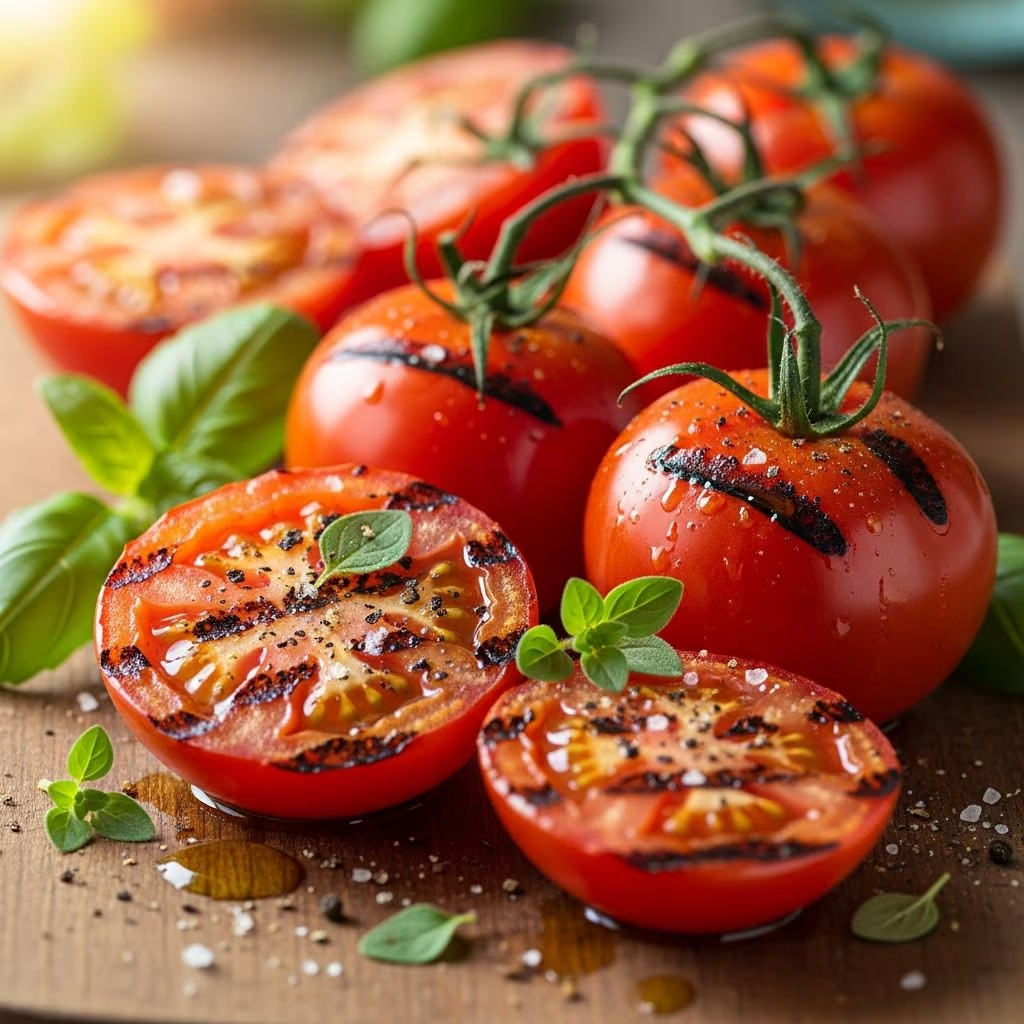
Grilled tomatoes represent one of the most straightforward yet impressive dishes you can prepare on any outdoor cooking surface. When tomatoes meet intense heat, their natural sugars caramelize, their acidity mellows, and a subtle smokiness develops that elevates these humble fruits into something truly special. Whether you’re hosting a summer gathering or simply looking for a vegetable-forward side dish, grilled tomatoes deliver restaurant-quality results with minimal effort and basic ingredients.
Understanding the Fundamentals of Grilling Tomatoes
The beauty of this cooking method lies in its simplicity and the dramatic transformation that occurs when tomatoes encounter direct heat. Grilling concentrates flavors, softens the flesh, and creates caramelized edges that add depth and complexity. Unlike boiling or steaming, grilling preserves the tomato’s structural integrity while developing a charred exterior that contrasts beautifully with the tender interior.
The key to successful grilled tomatoes involves selecting the right variety, preparing them properly, and understanding heat management. Firm tomatoes hold their shape better on the grill compared to overly ripe specimens that may collapse or fall apart. Roma tomatoes, beefsteak varieties, and heirloom cultivars all work excellently, each bringing their own flavor profile to the table.
Selecting and Preparing Your Tomatoes
Choosing quality tomatoes forms the foundation of an excellent finished dish. Look for firm specimens without soft spots or bruises, as these will maintain their shape during grilling and develop better texture. Tomatoes that feel slightly heavy for their size typically contain more juice and flavor.
Preparation involves minimal steps but demands attention to detail. Begin by coring the stem end completely, as this prevents moisture buildup and ensures even cooking. For grilling, slice tomatoes horizontally through the middle to create flat surfaces that make direct contact with the grill grates. This orientation, rather than cutting them vertically, ensures more consistent cooking and better caramelization on the cut surfaces.
If your tomatoes are particularly large, consider cutting them into three horizontal slices rather than two halves. Thinner pieces cook more quickly and develop more pronounced grill marks. However, avoid cutting them too thin, as excessively thin slices risk falling apart or drying out completely during cooking.
Essential Preparation Techniques
- Pat dry: Before placing tomatoes on the grill, gently dab their cut surfaces with paper towels to remove excess moisture. This step helps prevent steaming and allows for better caramelization and grill mark development.
- Oil the grates: Brush your grill grates thoroughly with oil before heating. This prevents sticking and helps create those desirable char marks that indicate proper cooking.
- Preheat adequately: Allow your grill to reach medium-high temperature before introducing the tomatoes. A properly heated grill prevents the tomatoes from sticking and ensures the exterior begins caramelizing immediately upon contact.
- Season strategically: Apply salt directly to the cut sides of the tomatoes just before grilling. This draws out some moisture while the grill heat helps create a flavorful crust.
The Grilling Process Explained
Once your grill reaches the proper temperature and your tomatoes are prepared, the actual cooking becomes remarkably straightforward. Place the tomato halves cut-side down directly on the grill grates. The contact between the flat surface and the heat source creates those attractive grill marks while beginning the caramelization process.
Close the grill lid if available, as this creates an oven-like environment that gently cooks the tomato flesh while the bottom continues developing color. Cook for approximately four minutes without disturbing the tomatoes. Resist the urge to move or flip them during this time, as premature movement prevents proper caramelization and prevents the characteristic grill marks from forming.
After four minutes, using a firm, confident motion with a grill spatula, flip each tomato half to expose the skin side to the heat. Continue cooking for an additional three to four minutes. The skin may blister and char slightly, which actually adds to the flavor profile and visual appeal. The tomatoes are finished when the cut side is deeply browned with visible grill marks and the flesh has softened considerably but hasn’t collapsed.
Flavor Enhancement Through Seasonings and Oils
While grilled tomatoes taste excellent with simply salt and pepper, the addition of complementary seasonings and aromatic oils transforms them into a more sophisticated side dish. Creating an infused oil serves dual purposes: it provides protection during cooking while infusing the tomatoes with additional flavor.
A basic garlic and herb oil combines extra-virgin olive oil with minced garlic, dried oregano or basil, and crushed red pepper flakes. Whisk these ingredients together in a bowl and gently toss the tomato halves to coat before grilling. Reserve some of this mixture to drizzle over the finished tomatoes just before serving, as the heat of the freshly grilled tomatoes will revive the garlic’s aromatic qualities.
Beyond simple garlic preparations, consider experimenting with balsamic vinegar drizzled over the finished tomatoes, fresh herbs like basil or oregano scattered across the hot surface, or a light dusting of grated Parmesan cheese. Italian dressing serves as another convenient flavor vehicle, either mixed with the tomatoes before grilling or used as a finishing sauce.
Cooking Time Reference Guide
| Tomato Type | Size | Cut Side Down | Skin Side Down | Total Time |
|---|---|---|---|---|
| Roma | Medium | 3-4 minutes | 2-3 minutes | 5-7 minutes |
| Beefsteak | Large | 4-5 minutes | 3-4 minutes | 7-9 minutes |
| Cherry/Grape | Small | 2-3 minutes | 1-2 minutes | 3-5 minutes |
| Heirloom | Large | 4-5 minutes | 3-4 minutes | 7-9 minutes |
Finishing Touches and Serving Suggestions
The moment grilled tomatoes leave the heat, they remain malleable for a few minutes, making this the ideal window for applying final embellishments. Fresh basil leaves torn just before serving add brightness and aromatic complexity. Finely grated Parmesan cheese, preferably Parmigiano-Reggiano, melts slightly from the residual heat while contributing a savory, umami-rich element.
For a more substantial presentation, arrange grilled tomato halves atop thick slices of grilled sourdough bread that have also been brushed with garlic oil. The bread soaks up the tomato juices while adding textural contrast. This combination transforms simple grilled tomatoes into a complete appetizer or light lunch item.
Grilled tomatoes serve multiple functions within a meal. They work exceptionally well alongside grilled proteins like chicken, fish, or steak, where their bright acidity cuts through rich flavors. They complement grain-based dishes, nestling among salads or grain bowls to add warmth and depth. Alternatively, they stand perfectly as a standalone vegetable course that showcases the ingredient’s inherent quality.
Troubleshooting Common Challenges
- Tomatoes sticking to grates: Ensure grates are thoroughly oiled and preheated adequately. Oil the cut surface of tomatoes as well, and resist flipping until grill marks have fully formed.
- Uneven cooking: Position tomatoes away from direct flame if using gas, or on the cooler side of charcoal grills. Ensure even heat distribution by closing the grill lid.
- Excessive charring: Reduce heat to medium instead of medium-high. Charring occurs when temperatures are too high; moderate heat allows the interior to soften while the exterior gently caramelizes.
- Tomatoes collapsing or falling apart: Select firmer varieties and avoid overcooking. Remove tomatoes while they still maintain structural integrity but have softened noticeably.
- Bland flavor: Apply seasoning directly to cut surfaces before grilling rather than after. Use infused oils and finish with fresh herbs immediately upon removing from heat.
Equipment Considerations
While traditional outdoor grills work wonderfully, grilled tomatoes can be prepared using various cooking surfaces. Grill pans on stovetops provide excellent results in any season or weather. Grill baskets designed for vegetables prevent smaller pieces from falling through grates. Cast iron skillets placed directly on grill grates concentrate heat and develop superior caramelization.
The equipment choice matters less than ensuring proper heat, adequate oil, and patience. A well-maintained grill with clean grates produces superior results compared to a neglected one with residue buildup. Invest time in grill maintenance to ensure consistent cooking performance.
Frequently Asked Questions
Can I prepare grilled tomatoes ahead of time?
Grilled tomatoes are best served immediately after cooking while they retain warmth and the textures remain optimal. However, you can prepare them a few hours in advance and serve them at room temperature, drizzled with fresh olive oil and garnished with basil. Avoid refrigerating, as cold temperatures diminish their flavor and texture qualities significantly.
What tomato varieties work best for grilling?
Roma tomatoes offer excellent results due to their firm flesh and fewer seeds. Beefsteak and heirloom varieties provide larger surfaces for caramelization and concentrated flavor. Cherry tomatoes require less cooking time but are more prone to collapsing. Experiment with different varieties to discover your preference.
Can I use cherry or grape tomatoes?
While possible, cherry and grape tomatoes require careful handling. Their smaller size means they cook quickly and can easily fall through grates. Using a grill basket or skewer allows you to grill these smaller varieties successfully. Reduce cooking times to two to three minutes total.
What should I do if my grill isn’t working?
Grill pans on stovetops replicate grilled tomato results effectively. Heat the pan until it’s very hot, lightly oil it, and follow the same cooking times and techniques. The resulting dishes may lack the outdoor smoky quality, but the caramelization and flavor development remain excellent.
Can I freeze leftover grilled tomatoes?
Freezing compromises the texture of grilled tomatoes significantly, making them mushy upon thawing. Instead, enjoy them within a few hours of grilling, or use cooled leftover tomatoes as ingredients in soups, sauces, or grain bowls where texture matters less.
Seasonal Integration and Menu Planning
Grilled tomatoes shine during summer months when tomatoes reach peak ripeness and flavor intensity. However, they can be enjoyed whenever quality tomatoes are available. Incorporating them into meal planning involves considering complementary dishes that harmonize with their smoky-sweet profile and elevated acidity.
Pair grilled tomatoes with Mediterranean-inspired menus alongside grilled vegetables like zucchini and eggplant, fresh mozzarella, and herb-forward dishes. Alternatively, use them as components in fusion cooking that bridges different culinary traditions. Their versatility ensures they enhance rather than compete with accompanying dishes.
References
- The Pioneer Woman Cooks: Grilled Tomatoes Recipe — Ree Drummond, Food Network/Hearst Media. https://www.thepioneerwoman.com/food-cooking/recipes/a64980702/grilled-tomatoes-recipe/
- Grilled Tomatoes Recipe — Love and Lemons. https://www.loveandlemons.com/grilled-tomatoes/
- 20-Minute Grilled Tomatoes — Walder Wellness, Registered Dietitian Nutritionist. https://www.walderwellness.com/grilled-tomatoes/
- Quick Grilled Tomatoes with Garlic Drizzle — Heartbeet Kitchen. https://heartbeetkitchen.com/garlicky-grilled-tomatoes/