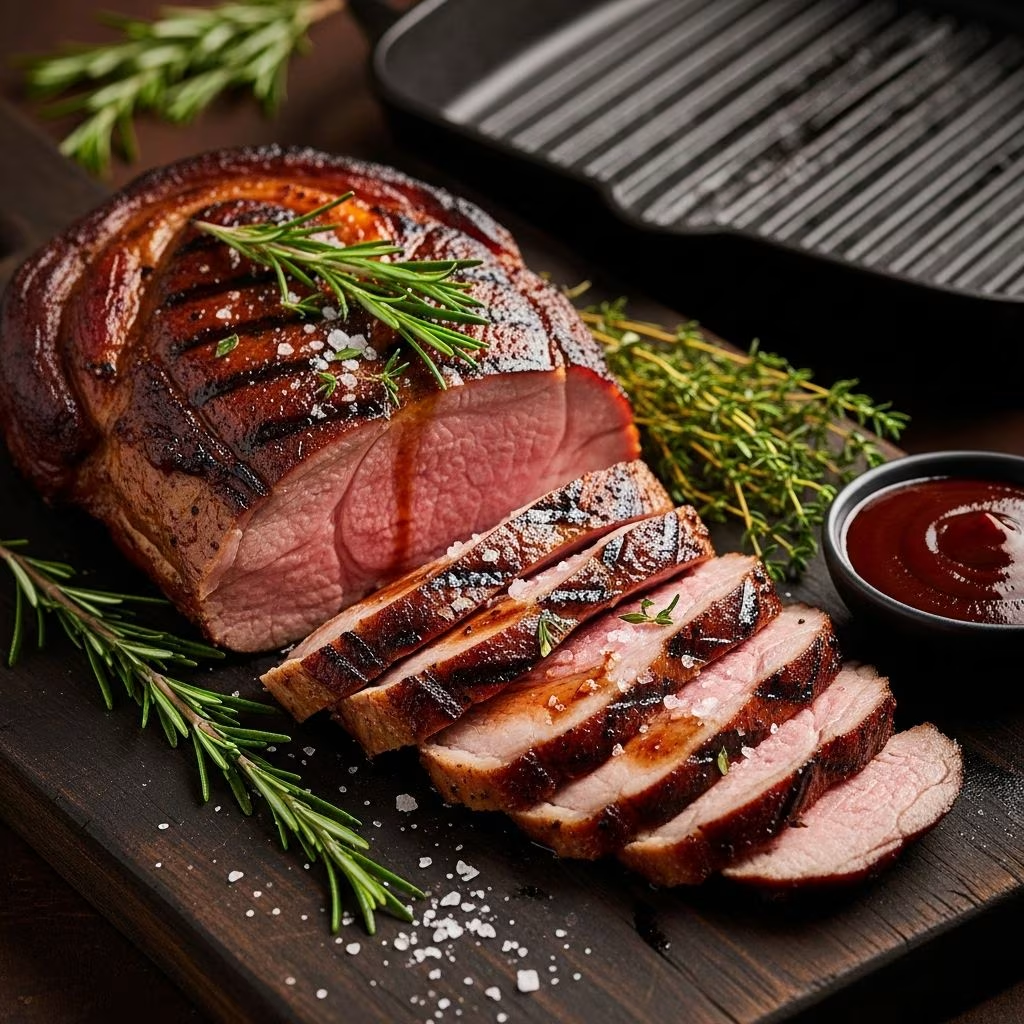
Grilling a pork shoulder successfully requires understanding the interplay between heat, timing, and complementary flavors. This versatile cut transforms into a showstopping centerpiece when approached with intentional technique and well-considered seasonings. The marriage of aromatic spice preparations with balanced acidic and fatty components creates a dish that appeals to diverse palates while remaining approachable for home cooks.
Understanding Your Primary Ingredient
Pork shoulder, commonly labeled as Boston butt in retail settings, represents one of the most forgiving cuts for grill cooking. This particular cut contains sufficient marbling and connective tissue to remain juicy despite extended cooking, making it ideal for high-heat applications. Selecting a boneless shoulder in the 2 to 2.5-pound range provides an appropriate cooking window that allows proper browning without excessive drying.
The structure of this muscle group benefits from cooking that emphasizes exterior caramelization while maintaining interior moisture. The fat content, typically ranging from 15 to 20 percent, renders gradually during grilling and bastes the meat from within, creating natural succulence that aggressive seasoning preparations can enhance rather than mask.
Building Aromatic Foundation Through Dry Rubs
The initial flavor profile begins with a carefully constructed dry seasoning mixture that establishes aromatic dimensions before the meat reaches heat. Toasting whole spices before grinding them releases volatile oils and intensifies their sensory impact—a technique that distinguishes home preparations from commercial shortcuts.
The Spice Preparation Process:
- Fennel seeds serve as the aromatic anchor, providing warm anise-forward notes that complement pork’s natural richness
- Toasting these seeds in a dry skillet for approximately three minutes develops deeper complexity through gentle heat exposure
- Grinding toasted seeds coarsely preserves textural interest and prevents the mixture from becoming powdery
- Dried oregano contributes herbaceous background notes that bridge Mediterranean and rustic influences
- Kosher salt acts not merely as seasoning but as a curing agent that modifies protein structure for improved moisture retention
Applying this mixture requires attention to distribution and pressure. Rather than sprinkling seasonings across the surface, pressing them firmly into oiled meat ensures adhesion during handling and maintains contact through the initial cooking phase. Allowing prepared pork to sit at ambient temperature for up to two hours or refrigerating uncovered for extended periods permits salt penetration and flavor development throughout the muscle fiber structure.
The Role of Acidic and Fatty Components in Glazing
The complementary sauce represents the sophisticated counterpoint to the pork’s richness. This balanced preparation combines three essential elements: vinegar for brightness, butter for richness, and chile for complexity. Apple cider vinegar provides fruity undertones while its acidity cuts through fat without introducing harshness.
The sauce preparation follows a logical progression. Combining dried chiles, vinegar, unsalted butter, and a modest quantity of sugar in a saucepan creates a reduction that concentrates flavors while modifying the sauce’s consistency. Cooking this mixture over medium-high heat for approximately five minutes allows the sugar to dissolve completely and reduces the liquid volume by roughly one-third, intensifying all flavor components.
The chiles—specifically chiles de árbol—introduce floral, fruity heat that escalates gradually rather than striking immediately. Removing seeds allows cooks to moderate intensity while retaining the chiles’ flavor contribution. This technique demonstrates restraint in heat application, permitting the other components to remain prominent while adding complexity.
Temperature Management and Timing Considerations
Successful grilling requires understanding the relationship between internal temperature progression and exterior development. Medium heat provides sufficient intensity for browning while allowing the interior to cook through without burning the surface.
The Two-Phase Cooking Approach:
| Phase | Temperature Target | Duration | Primary Objective |
|---|---|---|---|
| Initial Development | 120°F Internal | 35-45 Minutes | Deep browning and crust formation |
| Glaze Application | 130°F Final | 5-10 Minutes | Sauce adherence and color deepening |
The initial phase emphasizes frequent rotation—approximately every five minutes—which prevents burning while encouraging even browning across all surfaces. This turning pattern creates multiple caramelization zones that compound into substantial crust development. Regular rotation also prevents flare-ups from concentrating in single areas, which can char rather than caramelize the exterior.
During the glaze application phase, turning frequency increases dramatically to nearly every minute. This intensive rotation prevents sauce from burning while allowing each turn to expose fresh glaze to direct heat. The increased turning rate acknowledges that added sugars in the sauce create additional flare-up potential—a manageable consequence rather than a concern when proper rotation techniques are employed.
Oil Application and Surface Preparation
The choice of cooking oil influences both flavor development and heat transfer. Neutral oils with high smoke points—such as grapeseed oil—remain invisible to taste while facilitating the browning process. These oils should be applied in two stages: initially when seasoning the raw pork, and again immediately before placing the meat on the grill.
This double oil application serves multiple functions. The initial application helps seasonings adhere to the meat surface, while the second application reduces sticking and facilitates the browning reactions essential to flavor development. The oil’s presence on the surface creates a barrier that promotes even heat distribution and prevents the spice crust from browning too rapidly.
Rest and Finishing Techniques
The resting period following grilling represents a critical yet frequently overlooked step. Allowing the cooked pork to rest undisturbed for thirty minutes permits residual heat to continue gentle cooking while muscle fibers relax and redistribute juices throughout the meat. This resting phase reduces the quantity of juice released during slicing, resulting in a more succulent final product.
During resting, any accumulated juices on the serving platter should be collected and added to the reserved sauce. Bringing this combined sauce back to a simmer reintegrates these meat-derived flavors while ensuring the final sauce reaches a proper serving temperature. This technique demonstrates how finishing details compound to create a cohesive dish rather than separate components.
Slicing technique influences texture perception. Cutting against the grain—perpendicular to the direction muscle fibers run—shortens individual fibers and creates a more tender eating experience. Maintaining consistent thickness of approximately one-quarter inch allows even sauce distribution and presents an attractive plate composition.
Flavor Balance and Seasoning Finality
Salt applications should occur at multiple stages rather than solely during initial seasoning. The generous kosher salt applied before grilling establishes foundational seasoning, while additional salt applied after slicing permits last-minute adjustment based on how other flavors have developed. This approach acknowledges that salt perception changes during cooking as flavors concentrate or mellow.
The interplay between the savory pork, acidic vinegar, and rich butter creates a natural harmony that satisfies without heaviness. The fennel and oregano provide aromatic interest that prevents the plate from becoming monotonous while remaining understated enough to enhance rather than dominate.
Practical Considerations for Grill Setup
Preparing the grill itself requires attention beyond simply setting temperature. Ensuring grates are clean prevents sticking and allows proper browning patterns to develop. A clean grate also prevents unwanted flavors from previous grilling sessions from transferring to the pork.
Setting the grill to medium heat, rather than maximum temperature, prevents the exterior from charring before the interior reaches appropriate doneness. This moderate approach acknowledges that pork shoulder benefits from thorough cooking—interior temperatures of 130°F provide proper food safety while maintaining juiciness distinct from overdone poultry.
Troubleshooting Common Challenges
Excessive Flare-ups: These occur naturally when sauce drips onto hot coals or burners. Rather than representing failure, properly managed flare-ups create the sauce’s glossy appearance and deeper color. Turning the meat away from direct flame when flare-ups occur, rather than moving meat away from heat entirely, maintains cooking progress.
Uneven Browning: This typically results from inadequate rotation frequency during initial cooking phases. The five-minute turning schedule prevents browning from concentrating in single areas while ensuring all surfaces experience heat exposure.
Dry Interior: Meat reaching above 135°F internal temperature becomes noticeably drier. Monitoring temperature progression carefully and removing the pork from heat at 130°F ensures proper food safety while maximizing moisture retention.
Serving Suggestions and Complementary Preparations
The finished pork shoulder serves effectively as a centerpiece for casual entertaining or refined weeknight dining. Its substantial flavor profile permits service with simple accompaniments—crusty bread for sauce soaking, or composed vegetable preparations that echo the acidic glaze’s brightness.
Leftover pork maintains quality for several days when stored properly and transforms readily into composed grain bowls, sandwich applications, or preparations that benefit from additional sauce application.
Frequently Asked Questions
Can I prepare the pork shoulder the day before grilling?
Yes. Applying the spice rub and refrigerating uncovered overnight enhances flavor development. Bring the meat to room temperature approximately one hour before grilling for even cooking.
What if I don’t have a spice mill or mortar and pestle?
Toasted fennel seeds can be crushed with the bottom of a heavy skillet or pan. While less refined than grinding, this method still releases aromatic oils and creates appropriately coarse particles.
Can the sauce be prepared in advance?
The sauce can be prepared and refrigerated for up to three days. Reheat gently before glazing the grilled pork, adding a small amount of water if the sauce has become too thick.
How do I know when the pork is properly done?
An instant-read thermometer inserted into the thickest section provides reliable information. Target 130°F for proper food safety with maximal moisture retention.
What oil works best for grilling?
Oils with high smoke points—grapeseed, canola, or refined vegetable oil—remain neutral in flavor and facilitate browning without introducing off-flavors.
References
- USDA Food Safety and Inspection Service: Safe Minimum Internal Temperature Chart — United States Department of Agriculture. 2024. https://www.fsis.usda.gov/food-safety/safe-food-handling-and-preparation/food-safety-basics/safe-temperatures-internal-meat
- Maillard Reaction in Food Chemistry: Browning and Flavor Development — McGee, Harold. On Food and Cooking: The Science and Lore of the Kitchen (2nd ed.). Scribner. 2004.
- Meat Quality and Cooking Methods: Impact of Temperature on Tenderness and Juiciness — Journal of Muscle Foods, Vol. 18, Issue 3. Wiley. 2007. https://doi.org/10.1111/j.1745-4573.2007.00085.x
- Aromatic Compounds in Fennel and Oregano: Volatile Oil Composition — Phytotherapy Research, Vol. 19, Issue 1. Wiley. 2005. https://doi.org/10.1002/ptr.1473