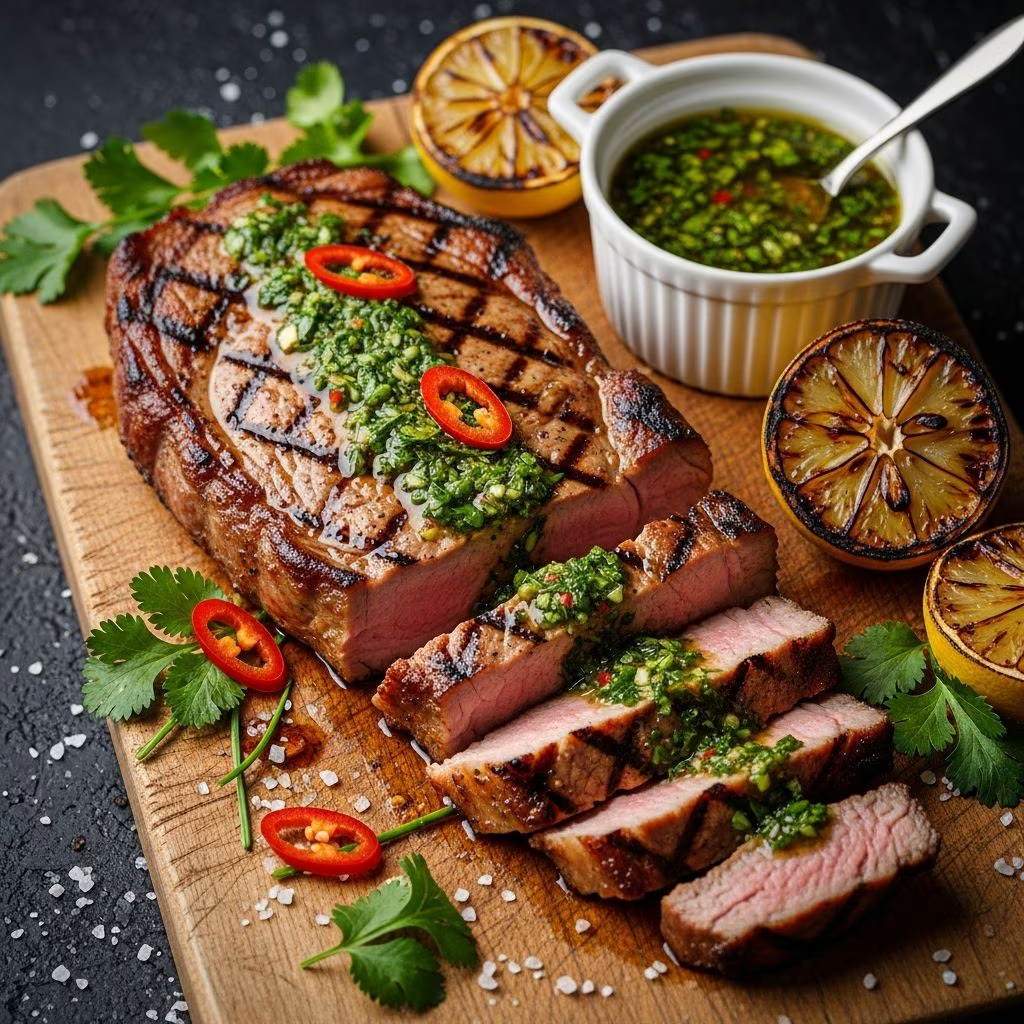
Transform affordable pork shoulder steaks into a gourmet delight by grilling them with a savory spice blend and topping with a punchy sauce made from horseradish and mustard. This dish combines smoky char, tender meat, and bold flavors for a meal that’s both satisfying and impressive.
Why Pork Shoulder Steaks Are a Grilling Essential
Pork shoulder steaks come from the upper part of the pig’s front leg, offering rich marbling that keeps the meat moist during high-heat cooking. Unlike leaner cuts like loin chops, these steaks thrive on the grill because the fat renders slowly, infusing every bite with juiciness. Their thickness—ideally around 2 cm—allows for even cooking without drying out, making them ideal for quick weeknight dinners or weekend barbecues.
Health enthusiasts appreciate the high-protein profile; a single steak provides substantial lean protein while the fat content adds satiety. When paired with a low-carb sauce, this recipe fits into balanced diets, delivering about 30-40 grams of protein per serving depending on portion size.
Essential Ingredients for Success
Gathering the right components ensures balanced flavors. Focus on fresh spices and quality pork for the best results.
- For the Dry Rub: 15g ground coriander, 15g mustard powder, 10g light brown sugar, 5ml black pepper, 5ml garlic powder, optional toasted nori sheet (finely ground).
- For the Sauce: 30g fresh grated horseradish (or 15g prepared), 30g Dijon mustard, 15g whole grain mustard, 5ml honey, kosher salt to taste.
- Main Protein: 450-900g pork shoulder steaks, cut 2 cm thick.
- Other: Vegetable oil for the grill, kosher salt.
These measurements scale easily for different group sizes. Fresh horseradish delivers the sharpest kick, but prepared versions work in a pinch.
Step-by-Step Grilling Guide
Preparation takes under 30 minutes, with grilling adding another 10-15. Patience during resting elevates texture.
- Make the Sauce: Combine horseradish, Dijon mustard, whole grain mustard, and honey in a bowl. Stir until smooth and season with salt. Set aside to let flavors meld—this can be done hours ahead.
- Prepare the Rub: If using nori, toast a sheet until crisp, then grind finely. Mix half with coriander, mustard powder, brown sugar, pepper, and garlic powder. Reserve the rest for garnish.
- Prep the Grill: Heat to medium-high (about 200-230°C). Oil the grates to prevent sticking.
- Season Steaks: Pat steaks dry, salt generously on both sides, then coat evenly with rub.
- Grill: Place on the hot grates. Turn every 1-2 minutes for even charring. Cook until internal temperature hits 60°C in the thickest part, roughly 7-9 minutes total.
- Rest and Serve: Let rest 5-10 minutes on a board. Slice thinly against the grain. Plate sauce first, top with pork slices, fresh horseradish, and reserved nori.
Aim for light char marks without overcooking; the carryover heat during rest brings it to safe eating temperature.
Flavor Science: Building Depth with Rub and Sauce
The dry rub’s magic lies in its components. Coriander provides citrusy warmth, mustard powder adds subtle heat, brown sugar caramelizes for crust, pepper bites back, and garlic powder umami-fies everything. Nori introduces a subtle oceanic note, mimicking seaside barbecue vibes.
The sauce contrasts sharply: horseradish’s sinus-clearing pungency cuts through richness, Dijon offers vinegary tang, whole grain adds texture, and honey tempers the edge. Together, they create a harmonious sweet-spicy-acidic profile that elevates simple pork.
| Component | Flavor Contribution | Quantity Tip |
|---|---|---|
| Horseradish | Sharp, pungent heat | Fresh > prepared for intensity |
| Dijon Mustard | Smooth tang | Base for creaminess |
| Whole Grain Mustard | Crunchy bite | Texture contrast |
| Honey | Sweet balance | Just enough to mellow |
| Spice Rub Blend | Smoky, earthy crust | Generous application key |
Variations to Suit Your Taste
Adapt this base for dietary needs or preferences.
- Indoor Option: Use a cast-iron skillet or broiler. Sear 4 minutes per side over high heat.
- Spice Level Up: Add chili powder or cayenne to the rub.
- Low-Sugar Version: Swap honey for a sugar-free sweetener.
- Vegetarian Twist: Sub thick cauliflower steaks or portobello mushrooms, grilling similarly.
- Smoky Boost: Add smoked paprika or liquid smoke to rub.
For larger crowds, double the rub and sauce; steaks freeze well post-rub for future meals.
Perfect Pairings and Side Dishes
Complement the bold pork with fresh, contrasting sides.
- Grilled Veggies: Asparagus or zucchini spears, charred alongside.
- Salad: Arugula with pickled onions to cut richness.
- Starch: Herbed quinoa or roasted sweet potatoes for balance.
- Drinks: Crisp IPA or chilled white wine like Sauvignon Blanc.
These pairings enhance without overwhelming the main event.
Nutrition Breakdown and Health Benefits
Per 225g serving (one steak): Approximately 350-450 calories, 35g protein, 20g fat, 5g carbs. High in B vitamins, zinc, and iron from pork. The sauce adds negligible calories but boosts antioxidants from horseradish.
Opt for grass-fed pork when possible for better omega-3s. This recipe supports muscle maintenance and satiety, ideal for active lifestyles.
Troubleshooting Common Grilling Pitfalls
- Steaks Sticking? Ensure grates are oiled and preheated; pat meat dry first.
- Uneven Cooking? Use a thermometer—don’t rely on color alone.
- Too Spicy? Reduce horseradish or add more honey.
- Dry Meat? Don’t skip the rest; slice thin to retain juices.
Storage and Reheating Tips
Leftovers keep in an airtight container for 3-4 days in the fridge. Reheat gently in a skillet with a splash of broth to restore moisture. Sauce reheats well separately. Freeze sliced pork in sauce for up to 2 months; thaw overnight before use.
FAQs
Can I make this on a gas grill?
Yes, preheat to medium-high and follow the same turning method for even cooking.
What’s the best internal temperature?
Grill to 60°C, then rest; it rises to 63-65°C safely.
Is fresh horseradish necessary?
No, prepared works but fresh gives superior punch.
How many servings from 900g pork?
Serves 4 generously, with leftovers possible.
Can I bake instead of grill?
Yes, 200°C oven for 20-25 minutes, flipping halfway.
Advanced Techniques for Grill Masters
For next-level results, try reverse searing: low-and-slow indirect heat to 50°C internal, then high-heat sear. Incorporate wood chips like apple for subtle smoke. Experiment with rub ratios based on taste tests—track what works best.
This dish shines in meal prep; rub steaks ahead and store wrapped. The sauce’s versatility extends to sandwiches or roasted veggies.
Mastering pork shoulder steaks opens doors to endless variations. With practice, you’ll achieve restaurant-quality results at home, impressing guests every time.
References
- Pork Shoulder Steaks with Horseradish-Mustard Sauce — Patient.info. 2023-01-15. https://patient.info/recipes/high-protein-recipes/pork-shoulder-steaks-with-horseradish-mustard-sauce
- Pork Shoulder Steaks with Dijon Mustard Sauce — Dishing with the Dawouds. 2022-06-10. https://www.dishingwiththedawouds.com/savory/pork-shoulder-steaks-with-dijon-mustard-sauce
- Grilled Pork Steaks with Horseradish Cream — Schnucks. 2024-05-20. https://schnucks.com/recipes/grilled-pork-steaks-with-horseradish-cream