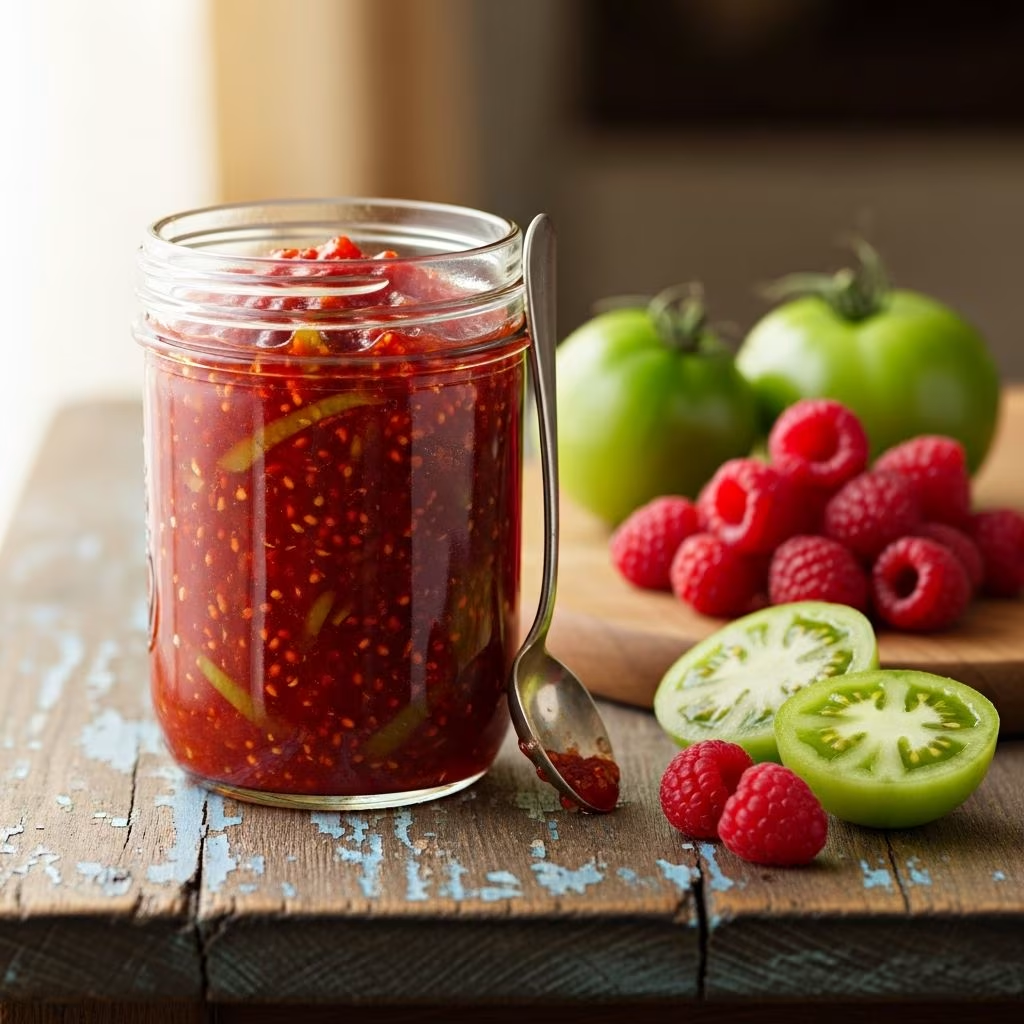
When autumn arrives and your garden still produces an abundance of unripe tomatoes, you face a common dilemma: what to do with these firm, green orbs before the first frost? One surprising solution lies in transforming them into a delectable jam that captures the essence of raspberry flavor without requiring a single berry. Green tomato raspberry jam represents one of the most economical and creative ways to preserve late-season produce while creating a condiment that baffles guests with its authentic taste.
Understanding the Magic Behind Green Tomato Jam
The concept of making jam from unripe tomatoes might seem unconventional, yet this technique has roots in traditional home preservation methods. Green tomatoes possess a naturally neutral, slightly tart flavor profile that serves as an ideal canvas for flavoring agents. When combined with sugar and gelatin, they develop a jam-like consistency while absorbing the fruity essence of the added flavorings, creating a product virtually indistinguishable from traditional berry jam.
This method proves particularly valuable for gardeners facing an unexpected cold snap or those wanting to maximize their harvest. Rather than discarding hundreds of immature tomatoes, home cooks can convert them into shelf-stable preserves that provide satisfaction and utility throughout the year.
Essential Ingredients for Your Jam Project
The beauty of green tomato jam lies in its simplicity. The basic formula requires just three primary components, though variations exist depending on desired texture and flavor intensity.
The Foundation: Green Tomatoes
Quality tomatoes form the base of your jam. Select firm, completely unripe green tomatoes without any hints of color change. These maintain optimal texture and absorb flavoring most effectively. Most recipes call for between 2.5 to 5 cups of prepared tomatoes, depending on batch size and desired yield.
Preparation method matters significantly. Some recipes recommend grinding or blending tomatoes into a fine paste for easier cooking and more uniform texture. Others suggest chopping them into smaller pieces. The grinding method produces smoother jam with better consistency, while chopping creates a slightly chunkier preserve.
Sweetening Agent: Sugar Considerations
Sugar serves multiple functions in jam-making: it provides sweetness, acts as a preservative, and contributes to the final consistency. Most recipes balance tomatoes and sugar in roughly equal proportions by weight. Traditional ratios suggest 2-4 cups of sugar per 4-5 cups of tomatoes.
Some recipes incorporate brown sugar alongside white sugar, which adds depth and molasses notes to the final product. Brown sugar introduces slight caramel undertones that complement the fruit flavoring beautifully.
Flavoring Agent: Gelatin and Citrus
This component distinguishes green tomato jam from regular tomato preserves. Gelatin packages in raspberry, strawberry, or cherry flavors provide both the fruity taste and contribute to gel formation. Standard recipes use one 6-ounce package of flavored gelatin, though some preparations employ two packages for intensified flavor.
Complementary ingredients enhance complexity. Fresh lemon juice adds brightness and cuts sweetness, while lemon zest provides subtle citrus notes. Some recipes incorporate vanilla extract for richness and depth, adding sophistication to the final product.
Step-by-Step Preparation Process
Stage One: Tomato Preparation
Begin by thoroughly rinsing your green tomatoes under cool running water and patting them dry. Remove the stem scar and any damaged areas with a sharp knife. The peeling decision depends on personal preference and desired texture.
For easier peeling, score each tomato with a shallow X-shaped cut on the bottom. Place tomatoes in boiling water for approximately 30 seconds, then transfer them immediately to an ice bath. The skin should slip away with minimal effort using a paring knife. While peeling requires time investment, the resulting jam features superior smoothness and appearance.
After peeling (or omitting this step), chop tomatoes into manageable pieces. Using a food processor, blender, or meat grinder reduces them to a fine consistency—nearly pureed but retaining slight texture. Measure the prepared tomatoes carefully, as recipes depend on accurate quantities for proper gel formation.
Stage Two: Cooking the Base Mixture
Combine measured tomatoes with your chosen sugar in a large, heavy-bottomed saucepan or kettle. This combination should fill your pan no more than two-thirds full to accommodate vigorous boiling and prevent overflow.
Place the mixture over medium-high heat, stirring constantly to dissolve the sugar and prevent sticking. As the mixture heats, it will begin producing foam—a natural occurrence when sugar caramelizes and moisture releases. Once the mixture reaches a full rolling boil, reduce the heat to medium and maintain a steady, moderate boil.
Cooking duration varies among recipes, typically ranging from 10 to 20 minutes. The goal involves reducing the mixture sufficiently while maintaining the tomato’s delicate structure. Some recipes extend cooking to 35-40 minutes over lower heat for deeper flavor development and more concentrated sweetness.
During cooking, skim away the greenish foam that rises to the surface. This foam, though harmless, interferes with the jam’s clarity and aesthetic appeal. Remove it with a slotted spoon and discard.
Stage Three: Adding Gelatin and Final Adjustments
Once the cooking time completes, remove the pan from heat and let it cool slightly—about 1-2 minutes. This brief cooling prevents the gelatin from clumping when introduced to the hot mixture.
Add your chosen gelatin package(s) to the warm mixture and stir vigorously for 1-2 minutes, ensuring complete dissolution. Any undissolved gelatin granules will create texture inconsistencies and diminish the gel-like quality. Stir thoroughly until no granules remain visible.
This point allows for optional flavor refinements. Add fresh lemon juice (typically 1-2 tablespoons) to brighten the flavor profile and balance sweetness. Incorporate vanilla extract (½ to 1 teaspoon) for added depth. Fresh lemon zest, used sparingly (no more than ¼ teaspoon), introduces subtle citrus aromatics without overpowering the gelatin flavor.
Storage and Preservation Methods
Refrigeration Storage
For immediate use and short-term storage, allow the jam to cool to room temperature, then transfer it to clean glass containers with tight-fitting lids. Refrigerated jam maintains quality for approximately 2-3 weeks, providing a convenient option for those uncertain about long-term storage or preferring fresh-tasting preserves.
Freezer Storage
Freezing extends shelf life dramatically, preserving jam quality for 6 months or longer. Use freezer-safe containers that accommodate expansion as the jam freezes. Leave approximately ½ inch of headspace at the top of each container. Label containers with preparation date and contents for easy identification.
Frozen jam thaws quickly at room temperature and maintains its properties beautifully. Many home cooks prefer this storage method for its simplicity and effectiveness, eliminating the need for traditional canning equipment.
Traditional Canning (Optional)
Those experienced with home canning may sterilize jars and process jam using water bath or pressure canning methods. This approach creates shelf-stable preserves lasting 1-2 years without refrigeration. However, canning requires specialized equipment, knowledge of proper procedures, and attention to food safety guidelines. First-time preservers typically find freezing more forgiving and practical.
Customization and Flavor Variations
Gelatin Flavor Options
While raspberry gelatin represents the classic choice, experimentation yields delightful results. Strawberry gelatin produces a lighter, more delicate jam. Cherry gelatin creates a deeper, more sophisticated flavor profile. Pineapple, black cherry, and mango gelatins offer adventurous options for those seeking distinctive tastes. Each variation maintains the same preparation method while delivering unique flavor experiences.
Sweetness Adjustments
Those preferring less sugary preserves can reduce sugar slightly, though this diminishes preservation capability and affects gel formation. Adding extra lemon juice compensates by providing additional tartness without calories. Alternatively, incorporating a small amount of lemon zest intensifies complexity without increasing sweetness.
Texture Modifications
For chunkier jam, pulse tomatoes less thoroughly, leaving them in larger pieces. For completely smooth preserves, blend tomatoes until entirely pureed. Some cooks pass the finished jam through a fine-mesh sieve for ultra-refined texture, though this extra step removes some body and creates thinner consistency.
Practical Applications and Serving Suggestions
Green tomato raspberry jam serves numerous culinary purposes beyond traditional toast topping. Swirl it into yogurt for instant flavor and visual appeal. Layer it in parfaits with whipped cream and granola. Use it as a filling for thumbprint cookies, cakes, or pastries. Stir it into cream cheese for elegant appetizer spreads. Thin it slightly with water to create a glaze for roasted duck or ham. The possibilities extend considerably beyond breakfast applications.
Frequently Asked Questions
Why doesn’t my jam gel properly?
Insufficient gelatin, inadequate cooking, or failure to stir well during gelatin incorporation can prevent proper gel formation. Ensure you’re using the full amount of gelatin specified and stirring thoroughly to dissolve all granules completely.
Can I use red tomatoes instead of green ones?
Yes, ripe red tomatoes work equally well. Ripe tomatoes actually contain more natural pectin and produce slightly firmer jam. The flavor becomes more pronounced, though the tart quality characteristic of green tomato jam diminishes slightly.
How can I reduce the sweetness?
Increase lemon juice to 3-4 tablespoons or add lemon zest sparingly. Both additions provide tartness without adding calories. Alternatively, reduce sugar by ½ to 1 cup, understanding this affects preservation capability and may produce slightly looser jam.
Is the jam safe without canning?
Yes, when frozen or refrigerated. The high sugar content, added gelatin, and acidic components (lemon juice) create an inhospitable environment for dangerous bacteria. Refrigerated jam remains safe for 2-3 weeks, while frozen jam stays good for 6 months.
What ratio of tomatoes to sugar works best?
Most reliable recipes use approximately equal volumes of prepared tomatoes and sugar (4 cups tomatoes to 4 cups sugar). This ratio ensures proper gel formation and balanced flavor while providing adequate preservation.
References
- Green Tomato Mock Raspberry Jam Recipe — Living On A Dime. Retrieved April 2026. https://www.livingonadime.com/green-tomato-raspberry-jam-recipe/
- Raspberry Jam from Green Tomatoes — Net Cooking Talk Forums. Retrieved April 2026. https://netcookingtalk.com/forums/threads/raspberry-jam-from-green-tomatoes.5273/
- Green Tomato Raspberry Jam: 7 Steps — Instructables. Retrieved April 2026. https://www.instructables.com/Green-Tomato-Raspberry-Jam/
- Green Tomato Jam Recipe — Gastronom Cocktails Blog. Retrieved April 2026. https://www.gastronomblog.com/green-tomato-jam/
- Green Tomato Jello Jams: Multiple Flavors — Wildflours Kitchen. Retrieved April 2026. https://wildflourskitchen.com/2015/10/19/green-tomato-jello-jams-strawberry-raspberry-cherry-pineapple-black-cherry-mango/