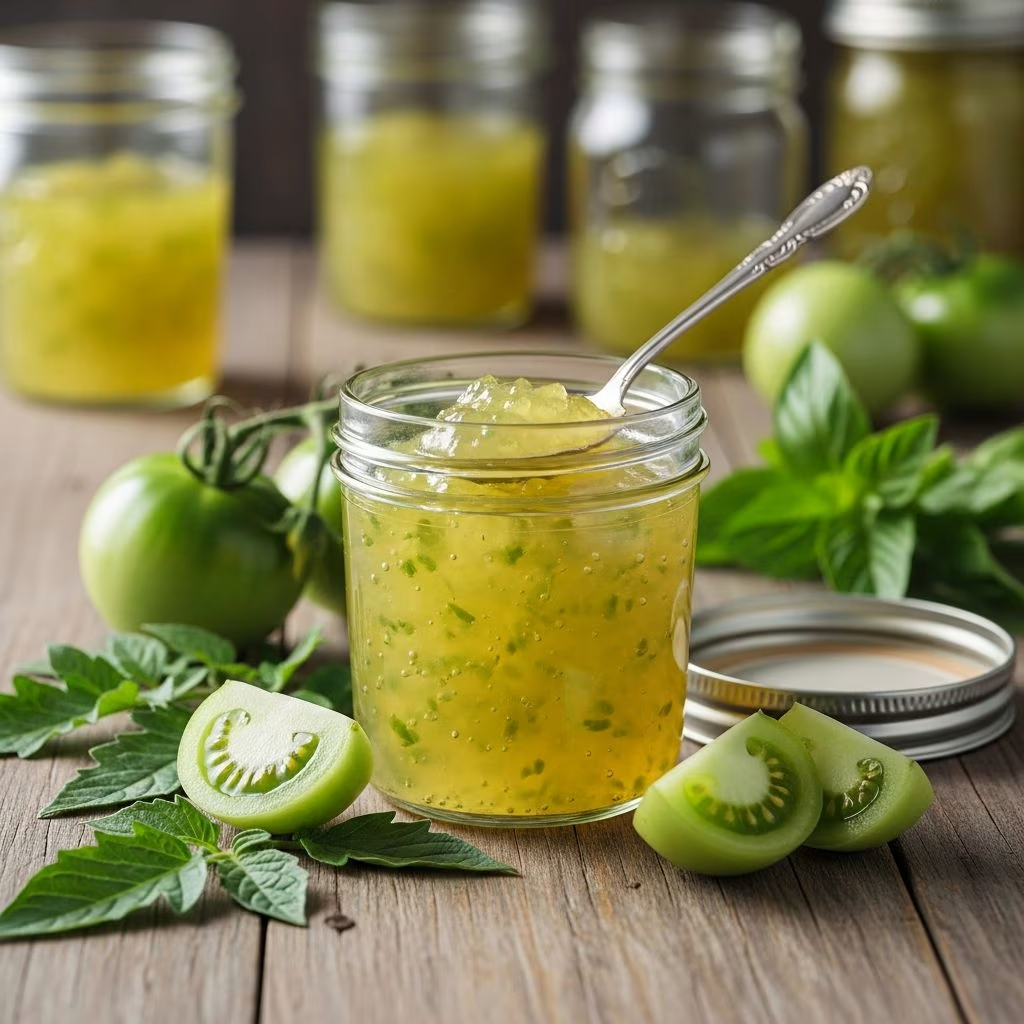
As the growing season winds down and frost approaches, many gardeners find themselves with an abundance of unripe tomatoes still clinging to the vine. Rather than letting these green fruits go to waste, they can be transformed into a delightful and versatile jelly that captures the subtle tang and unique flavor profile of immature tomatoes. Green tomato jelly represents a creative solution for end-of-season harvest management while offering a distinctive preserve that adds complexity to both sweet and savory applications.
Understanding Green Tomatoes and Their Culinary Potential
Green tomatoes are simply tomatoes that have not yet reached full maturity and ripeness. Unlike their ripe red counterparts, unripe tomatoes possess a firmer texture, higher acidity levels, and a more herbaceous flavor profile that distinguishes them in culinary applications. This particular characteristic makes them exceptionally well-suited for jelly preparation, as the natural pectin content and acidic nature support gel formation without requiring additional stabilizing agents.
The advantages of processing green tomatoes into jelly extend beyond flavor considerations. Home gardeners who cultivate tomatoes in regions with shorter growing seasons or who face unpredictable weather patterns often harvest substantial quantities of unripe fruit. Converting these tomatoes into preserves ensures that the harvest translates into usable products rather than representing lost productivity.
Essential Ingredients for Green Tomato Jelly Production
Creating quality green tomato jelly requires careful attention to ingredient selection and proportions. The foundational components work in concert to develop both texture and flavor characteristics that distinguish exceptional preserves from mediocre efforts.
Primary Component: Green Tomatoes
The starting point for any green tomato jelly begins with sourcing appropriate fruit. Most recipes call for between two to six pounds of unripe tomatoes, depending on batch size and desired yield. When selecting green tomatoes for jelly, choose firm specimens with minimal blemishes or soft spots. The fruit should feel dense and heavy for its size, indicating adequate flesh development despite the lack of ripeness. Smaller to medium-sized tomatoes generally work better than oversized varieties, as they tend to have higher acidity concentrations and better natural pectin levels.
Sweetening Agents
Sugar serves multiple functions within jelly preparation beyond simply adding sweetness. This ingredient plays a crucial role in gel formation, preservation stability, and flavor development. Most traditional recipes employ between two to five cups of granulated white sugar per batch, though some variations incorporate brown sugar or honey for added depth and complexity. The type and quantity of sweetener directly influence both the final consistency and the intensity of the finished product’s flavor profile.
Flavor Enhancement Components
Citrus elements feature prominently in most green tomato jelly formulations. Fresh lemon juice contributes both acidity and brightness, typically in quantities ranging from one-quarter cup to one-half cup per batch. Some recipes substitute or supplement lemon with fresh lime juice, which imparts a slightly different flavor dimension while maintaining the acidic contribution necessary for proper gel development. Citrus zest, whether finely minced or julienned, adds an aromatic quality that elevates the finished preserve.
Optional Flavor Modifiers
Beyond the fundamental ingredients, numerous flavor additions can customize the final product to suit personal preferences and intended culinary applications:
- Warm spices such as ground cinnamon and cloves create a more complex, autumn-inspired profile
- Vanilla extract contributes subtle sweetness and aromatic complexity
- Fresh or dried herbs like rosemary introduce unexpected savory notes
- Hot peppers including jalapeños add a piquant dimension for those preferring spiced preserves
- Fruit-flavored gelatin products create a more uniform gel structure and can direct the flavor profile
Preparation Techniques for Optimal Results
Tomato Processing Steps
Before cooking begins, proper preparation of the green tomatoes establishes the foundation for success. Start by thoroughly rinsing the tomatoes under cool running water to remove any dirt or debris. Pat them dry with clean cloth towels, as excess moisture can dilute the final product. Using a sharp paring knife or specialized coring tool, remove the stem end and central core of each tomato. The core removal eliminates fibrous, less-flavorful material that could detract from the final texture.
Once cored, the tomatoes require further processing. Some recipes call for rough chopping into manageable pieces, while others recommend finely dicing or even pureeing the fruit into a near-smooth consistency. The chosen preparation method influences cooking time and the ultimate texture of the finished jelly. Coarser preparations typically require longer cooking periods, while finely processed tomatoes reach desired consistency more rapidly.
Ingredient Combination and Initial Cooking
After the tomatoes reach the desired consistency, combine them with sugar, citrus components, and any additional seasonings in a large, heavy-bottomed stainless steel or non-reactive saucepan. Non-reactive cookware prevents unwanted chemical reactions between acidic ingredients and metal surfaces, which could impart off-flavors or discoloration to the preserves.
Place the combined ingredients over medium to medium-high heat. Stir the mixture vigorously to help break down the tomato solids and ensure even sugar distribution. This initial stirring phase proves critical, as adequate mixing prevents scorching and promotes uniform flavor development. Continue stirring until the mixture reaches a rolling boil—a vigorous, consistent bubbling that cannot be stirred down.
Cooking Methodology and Gel Development
The cooking process for green tomato jelly typically proceeds through distinct phases, each contributing to the final product’s characteristics.
Initial Boiling Phase
Once the mixture achieves a rolling boil, maintain this vigorous heat for an initial period, typically ranging from ten to twenty-five minutes depending on the recipe variation selected. During this phase, the tomatoes continue breaking down, releasing their natural juices and contributing pectin to the cooking mixture. The extended boiling facilitates the necessary chemical reactions that transform loose fruit solids into a cohesive gel structure. Constant or near-constant stirring during this period prevents the mixture from sticking to the pan bottom, which could lead to scorching and unpleasant flavors.
Reduction to Simmer
After the initial boiling period, reduce the heat to low and transition the mixture into a gentler simmer. This reduced-heat phase typically lasts between twenty to forty minutes, though some traditional recipes recommend extended simmering of an hour and a half or longer. During this stage, the mixture gradually thickens as water evaporates and the natural pectin sets the gel structure. Stir the simmering mixture every few minutes to maintain even cooking and prevent scorching along the pot bottom and sides.
Foam Management
As the mixture boils and simmers, a layer of foam will develop on the surface. This foam consists of proteins and other compounds that rise to the top during cooking. While not harmful, removing this foam with a clean spoon or skimmer produces a clearer, more visually appealing finished product. Skim the foam periodically throughout the cooking process, paying particular attention during the vigorous boiling phase.
Determining Doneness and Achieving Proper Consistency
Identifying the precise moment when the jelly has reached proper consistency represents one of the most important aspects of preserve preparation. Several testing methods help determine readiness for jarring.
Temperature Testing
Using a reliable candy or jelly thermometer, the mixture should reach approximately 220°F (104°C) when cooked at sea level. This temperature indicates sufficient evaporation and pectin activation to produce a proper set. Higher altitudes require temperature adjustments, as water boils at lower temperatures in these locations.
Plate Testing Method
The traditional plate test provides a reliable indication of gel development without requiring specialized equipment. Place a small plate in the freezer for several minutes to chill thoroughly. Drop a small quantity of the hot jelly mixture onto the cold plate and allow it to cool for thirty seconds. Push the cooled sample with your finger—if it wrinkles and holds its shape rather than flowing freely, the jelly has reached proper consistency. If the sample remains too liquid, continue cooking and repeat the test after several additional minutes.
Consistency Observation
Visual assessment of the cooking mixture provides another useful indicator. As the jelly approaches doneness, the mixture will visibly thicken, and individual bubbles will become larger and more sluggish. The color typically deepens as cooking progresses, shifting from the initial bright green or pale amber toward deeper amber or reddish tones depending on the specific recipe and ingredients used.
Jarring and Preservation Methods
Jar Sterilization
Before transferring the cooked jelly into storage containers, proper sterilization of the jars eliminates potential contamination sources. Wash all jars, lids, and bands in hot soapy water, then rinse thoroughly. For hot-water bath canning, place clean jars in a pot of boiling water for at least ten minutes immediately before filling. Remove the sterilized jars from the water using a jar lifter and invert them briefly to drain any excess water.
Filling and Sealing Procedures
Working quickly while the jelly remains hot, carefully ladle the mixture into the prepared jars, leaving approximately one-quarter inch of headspace below the rim. This space allows for proper seal formation and accommodates any expansion during the sealing process. Using a damp cloth, wipe the jar rim and sides to remove any spilled jelly or residue that might interfere with proper lid sealing.
Apply the two-piece canning lids according to manufacturer instructions, typically tightening them until finger-tight—snug enough to hold in place but not so tight that the lids cannot move slightly during processing.
Canning Options
Green tomato jelly can be preserved through several methods, each offering different shelf stability and convenience factors:
| Preservation Method | Process | Shelf Life | Best For |
|---|---|---|---|
| Hot-Water Bath Canning | Process filled jars in boiling water for 20 minutes | 1-2 years | Long-term shelf-stable storage |
| Freezer Storage | Cool jars completely before transferring to freezer | 8-12 months | Maintaining texture and flavor quality |
| Refrigerator Storage | Cool jars and refrigerate without processing | 3-4 weeks | Near-term use and sampling |
Flavor Variations and Creative Applications
While traditional recipes provide an excellent foundation, numerous variations allow for creative customization based on available ingredients and personal taste preferences. Some preparations combine green tomatoes with strawberry-flavored gelatin to create a sweet-tart preserve with improved gel consistency. Others incorporate jalapeños for a spiced variant suitable for glazing meats or accompanying cheese boards. Lime juice substitution for lemon creates a distinctly different flavor profile while maintaining the essential acidic contribution to gel formation.
Storage and Shelf-Life Considerations
Properly prepared and processed green tomato jelly maintains excellent shelf stability when stored in cool, dark conditions. Hot-water-bath-canned jars typically remain safe for consumption for one to two years, though flavor and texture gradual degrade over extended storage periods. Frozen jelly maintains superior quality for eight to twelve months when stored at consistent freezing temperatures. Refrigerated jelly that has not been processed should be consumed within three to four weeks for optimal safety and quality.
Frequently Asked Questions
Why is my green tomato jelly not setting properly?
Several factors can interfere with proper gel formation, including insufficient cooking time, inadequate sugar content, or low natural pectin in the tomato variety selected. Cooking the mixture to the proper temperature (220°F at sea level) or until it passes the plate test ensures adequate gel formation. Some recipes incorporate commercial pectin if natural setting proves problematic.
Can I use a food processor to prepare the tomatoes?
Yes, food processors work well for preparing green tomatoes for jelly. Pulse the tomatoes until they reach the desired consistency—some recipes prefer finely chopped pieces, while others call for nearly pureed fruit. Process in batches to avoid overworking the machine.
What causes foam formation during cooking?
Foam results from proteins and other compounds rising to the surface during the cooking process. While not harmful, removing it produces a clearer, more visually appealing finished product. Skim regularly throughout the cooking period using a clean spoon or specialized skimmer tool.
Is it necessary to use canning equipment?
For long-term shelf-stable storage, proper hot-water-bath canning equipment including a canner, jar lifter, and proper jars ensures safety. However, smaller batches can be refrigerated or frozen without specialized equipment if consumed within appropriate timeframes.
Can I adjust the sugar content?
While some variation in sugar content is possible, reducing sugar significantly interferes with both gel formation and preservation stability. Standard recipes generally provide optimal sugar ratios for both texture and safety considerations.
References
- Ball Complete Book of Home Preserving — Jarden Home Brands. 2006. Comprehensive guide to safe home canning and preserving techniques.
- National Center for Home Food Preservation: Tomato Products — University of Georgia. Accessed April 2026. https://nchfp.uga.edu/how/can_tomato_products.html
- Molecular Gastronomy and Food Preservation: Pectin and Gel Formation — Institute of Culinary Education. 2023. Technical analysis of gel formation in fruit preserves.
- USDA Guide to Home Canning — U.S. Department of Agriculture. 2021. https://www.usda.gov/
- Flavor Compounds in Unripe Tomatoes: Chemical Analysis — Journal of Agricultural and Food Chemistry. 2024. Research on volatile compounds in green tomatoes.